Most plumbing warning signs point to one of three things: a blocked branch line, a failing main sewer line, or a leak in the pressurised supply. Which one you have depends less on the symptom itself than on how many fixtures are affected and whether the problem keeps coming back.
That distinction does more work than a list of ten symptoms. One slow sink is a branch problem. Three slow fixtures is the main line. A problem that clears and returns is structural, not a clog.
The one test worth running before you call
Run water in an upstairs fixture and watch the lowest drain in the house, usually a ground-floor tub or a floor drain.
If water rises in the lower fixture while you run the upper one, the blockage sits in the main line below both. That is a sewer problem and it does not resolve on its own. If the lower fixture stays clear, the issue is confined to whichever fixture is misbehaving, which is usually a branch clog and usually much cheaper.
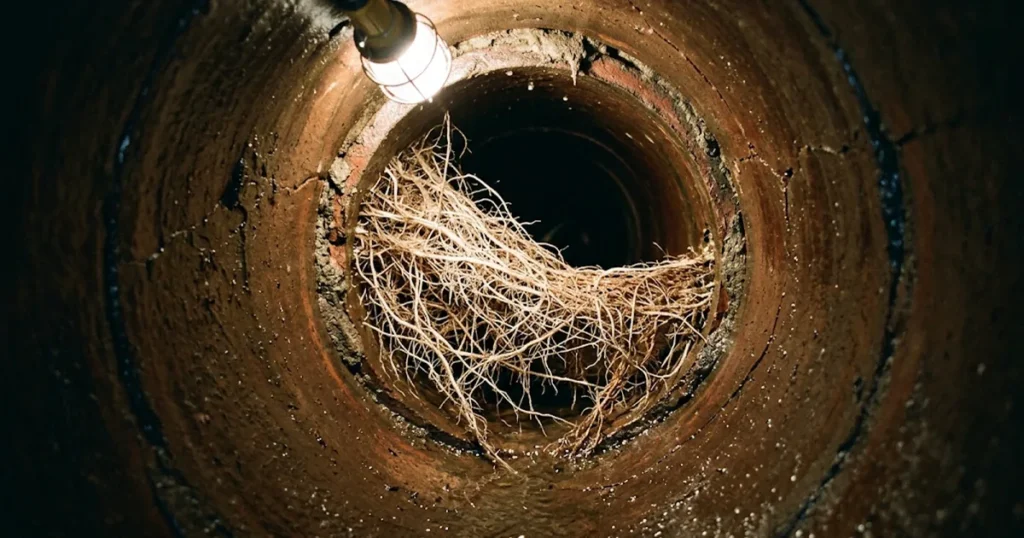
The second thing to note is recurrence. A blockage that clears and returns to the same spot within weeks is catching on something structural: a separated joint, an offset, or root mass. Clearing it again treats the symptom.
What each warning sign usually points to
| What you notice | What it usually means | Read more |
|---|---|---|
| Several fixtures draining slowly | Main sewer line, not a single clog | Signs of sewer line problems |
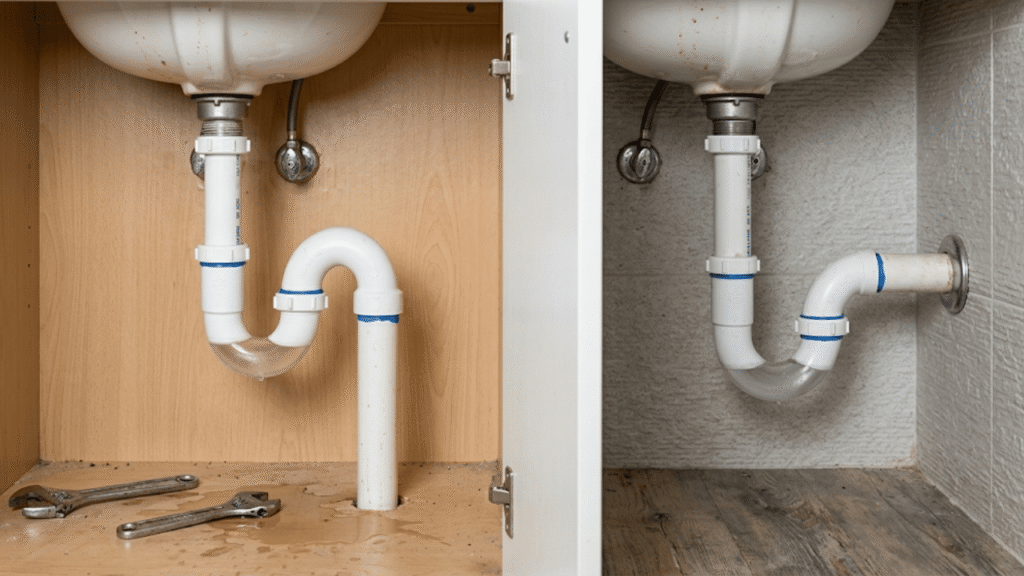
| One slow fixture, others fine | That fixture’s branch line | Drain cleaning |
| Gurgling when water drains | Air escaping past a partial blockage | What gurgling drains mean |
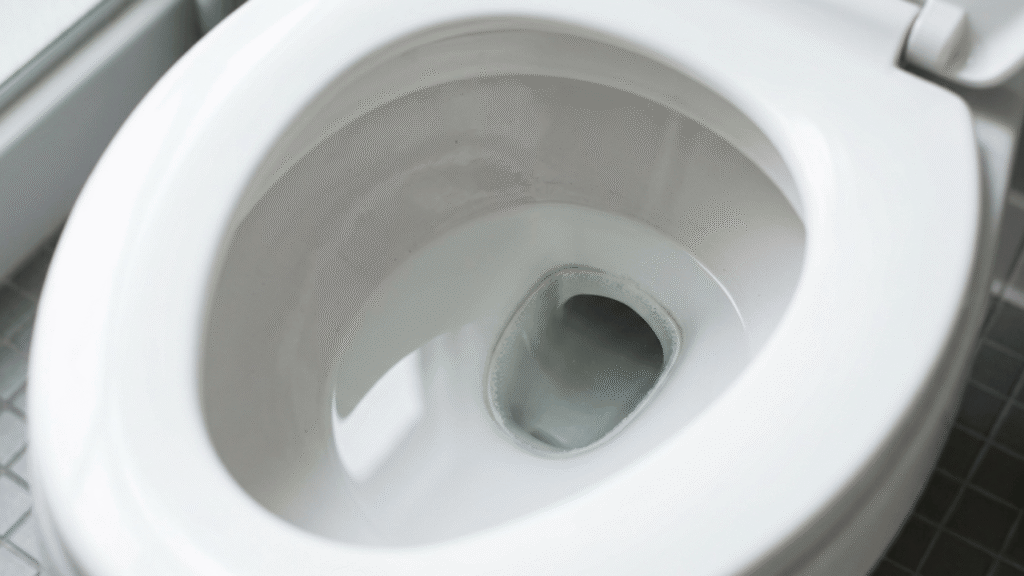
| Toilet bubbling when you flush | Venting or a main line restriction | Why a toilet bubbles |
| Banging or knocking pipes | Water hammer in the supply line | Are noisy water pipes dangerous |
| Sewage backing into a tub | Main line blockage, stop using water | Sewage backing up into a bathtub |
| Sewer smell indoors | Dry trap, cracked vent, or a line defect | Sewer smell in the house |
| Rotten egg smell at one drain | Usually bacteria in that drain, not the sewer | Rotten egg drain smell |
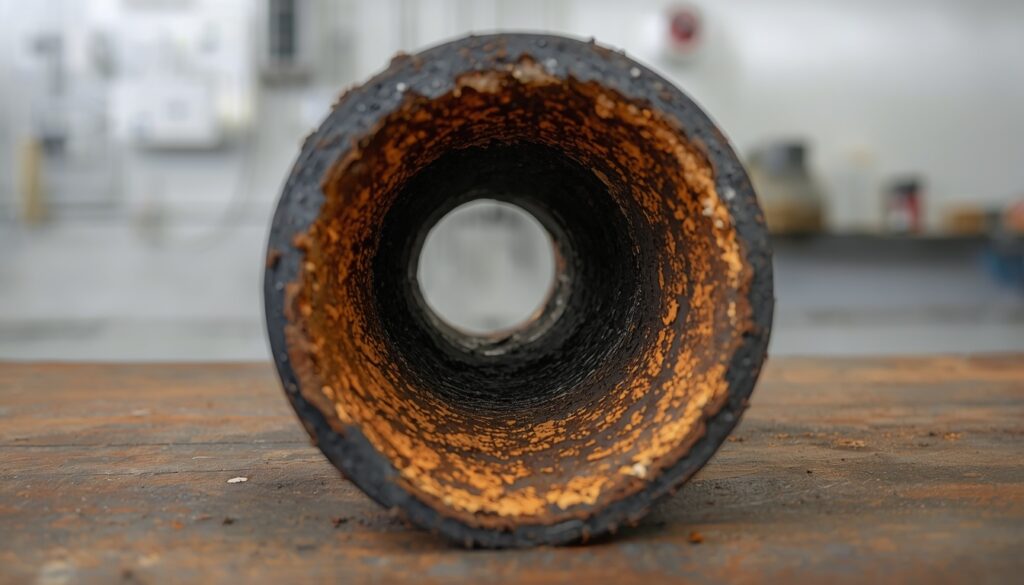
| Brown or rusty water | Corrosion in supply piping or the heater | Brown water from a faucet |
| Water stain on a ceiling | Leak in a supply or drain line above | Water leaking from a ceiling |
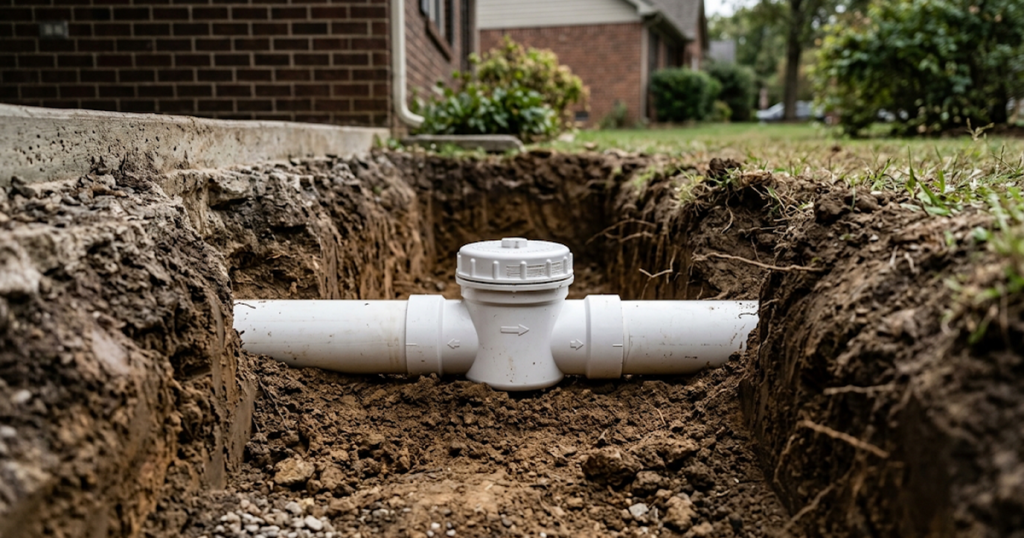
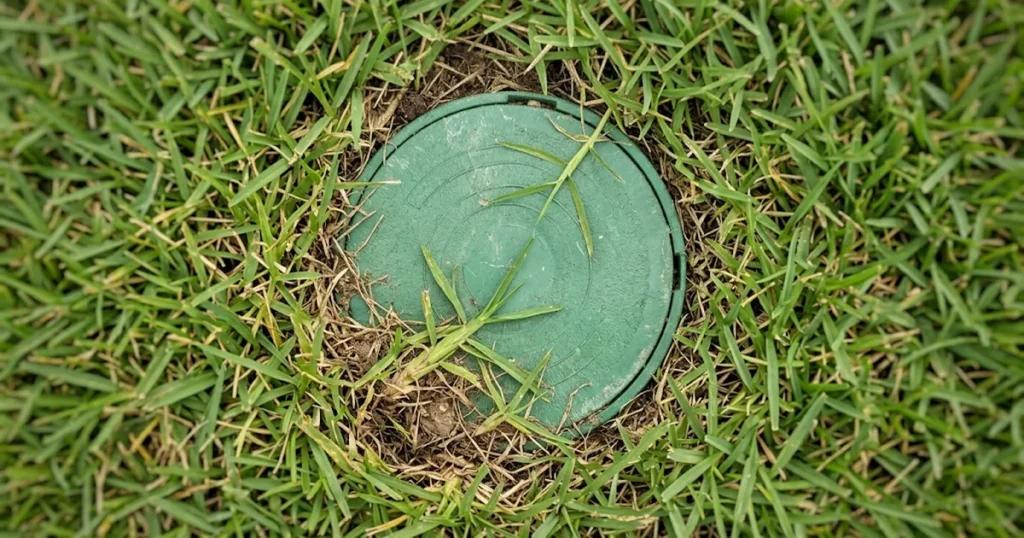
| Wet or green patches in the yard | Effluent leaving a broken sewer line | Wet spots in the yard |
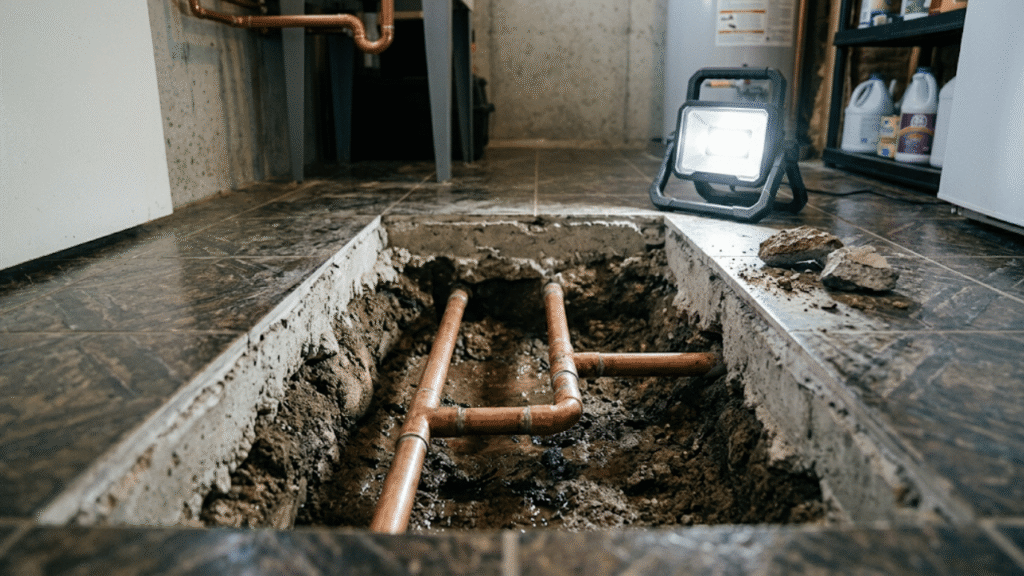
| Warm spot on a floor, rising bill | Supply leak under the slab | What is a slab leak |
| Pressure drop across the house | Supply side, not the sewer | Shower pressure suddenly dropped |
One correction worth making, because it appears on a lot of plumbing articles: a rising water bill is not a sewer line symptom. A sewer line is gravity-fed and carries waste out, so it has no pressurised water to lose. A climbing bill points to the supply side.
Which signs mean the sewer line specifically
Four patterns, and they tend to appear together.
Multiple fixtures affected at once, because a branch clog cannot reach more than one. Blockages that return to the same place, because something structural is catching debris. Wet patches in the yard along the line’s path, because waste is leaving the pipe. And sewage appearing at the lowest drain in the house, which is where a blocked main backs up first.
Any of those is worth a camera inspection rather than another round of clearing. Inspection starts at $250+ and drain cleaning at $150+ (as of Q3 2026), so the question is usually whether you are about to pay for the third clearing on a line that needs repair.
Call Nuflow DFW at (469) 701-0597 to book an inspection. Service is scheduled Monday to Friday, 9:00 a.m. to 6:00 p.m.
Why these show up in older DFW homes
North Texas produces sewer symptoms on a schedule, and the cause is under the yard rather than in the pipe.
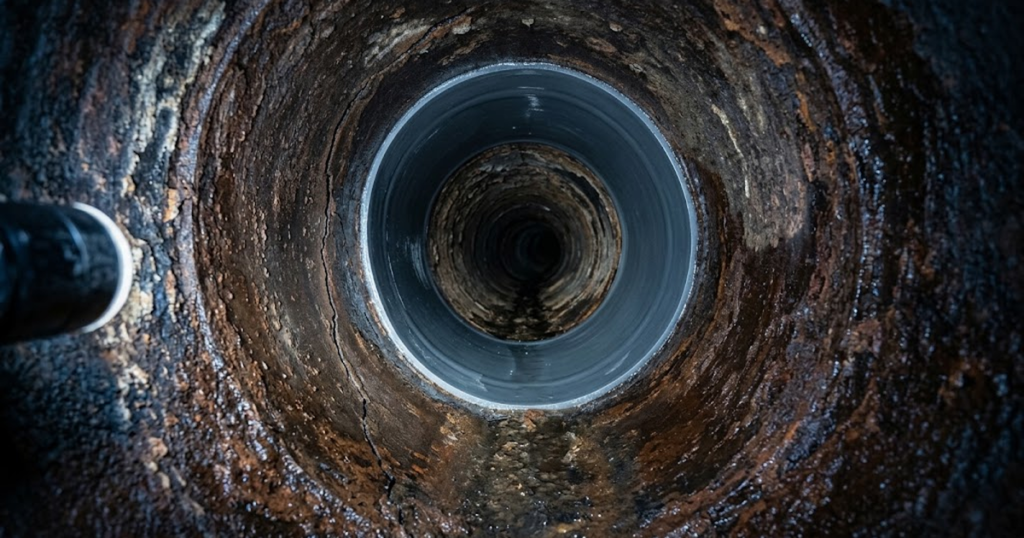
Expansive clay swells after rain and shrinks through a dry summer. That seasonal movement pulls rigid cast iron and clay joints apart, and once a joint opens it catches waste and lets roots in. Homes plumbed before roughly 1980 have cast iron or clay lines with a joint every few feet, which is why the same houses produce the same complaints every year.
Across 200+ trenchless jobs in the DFW Metroplex, Nuflow DFW has found cast iron in pre-1975 homes failing at an average of 58 years.
When a warning sign is not urgent
Not everything on the list above needs a plumber this week, and treating every symptom as an emergency is how people end up paying for work they did not need.
A single slow fixture with everything else draining normally is a branch clog. A rotten egg smell at one drain is usually bacteria in that drain rather than a sewer defect. Water hammer is a supply-side annoyance that rarely becomes structural quickly. None of those justify a camera inspection on their own.
The signs that do warrant moving quickly are sewage entering the house, several fixtures failing at once, and wet ground along the sewer run. Those three point to the main line, and the main line is the expensive one.
Frequently asked questions
How do I know if it’s a clog or a sewer line problem?
Run water upstairs and watch the lowest drain in the house. If water rises there, the blockage is in the main line below both fixtures. If it stays clear, the problem is confined to one branch. Multiple fixtures failing at once always points to the main.
Does a high water bill mean a sewer line problem?
No. A sewer line carries waste away by gravity and holds no pressurised water, so it cannot leak water you are billed for. A rising bill points to the supply side, often a slab leak or a running toilet. The two systems are separate.
Should I use a chemical drain cleaner first?
Not on a recurring blockage. Chemical cleaners can clear light buildup, but they do nothing to a structural defect and they accelerate deterioration in corroded cast iron. If the same line has clogged more than once, the money is better spent on finding out why.
When is a plumbing warning sign an emergency?
Sewage entering the house, several fixtures backing up at once, or water appearing where it should not be. In those cases stop using water immediately so nothing further is pushed into a compromised line, then call. A single slow drain is not an emergency.
How much does it cost to find out what is wrong?
Camera inspection starts at $250+ and drain cleaning at $150+ (as of Q3 2026). Inspection is worth it when the same line has failed more than once or when several fixtures are affected, because those point to something clearing will not fix.
What to do next
Work out first whether one fixture is affected or several. That single answer separates a $150+ problem from a sewer line question, and it costs nothing to check.
If several fixtures are involved, or the same line has clogged before, call Nuflow DFW at (469) 701-0597 or use the contact page to book a camera inspection.
Ryan King holds a Texas Responsible Master Plumber license, RMP# 46694. Under Texas Occupations Code Chapter 1301, sewer line work is licensed in this state.