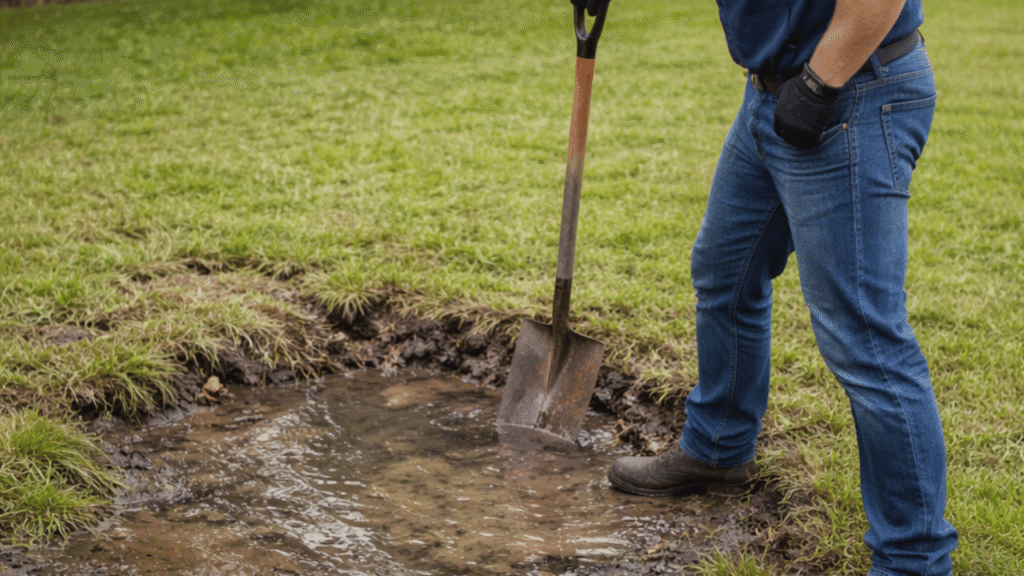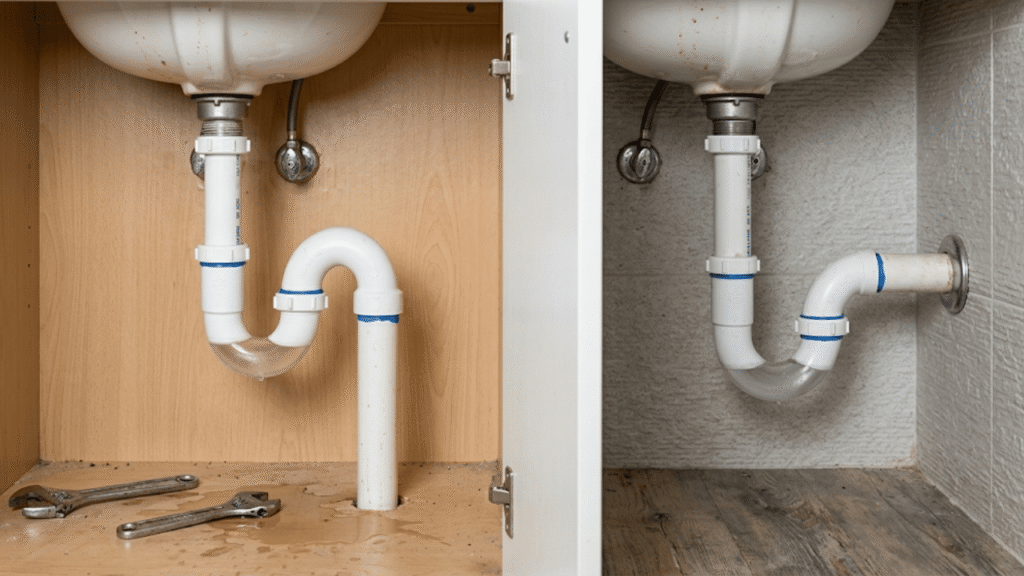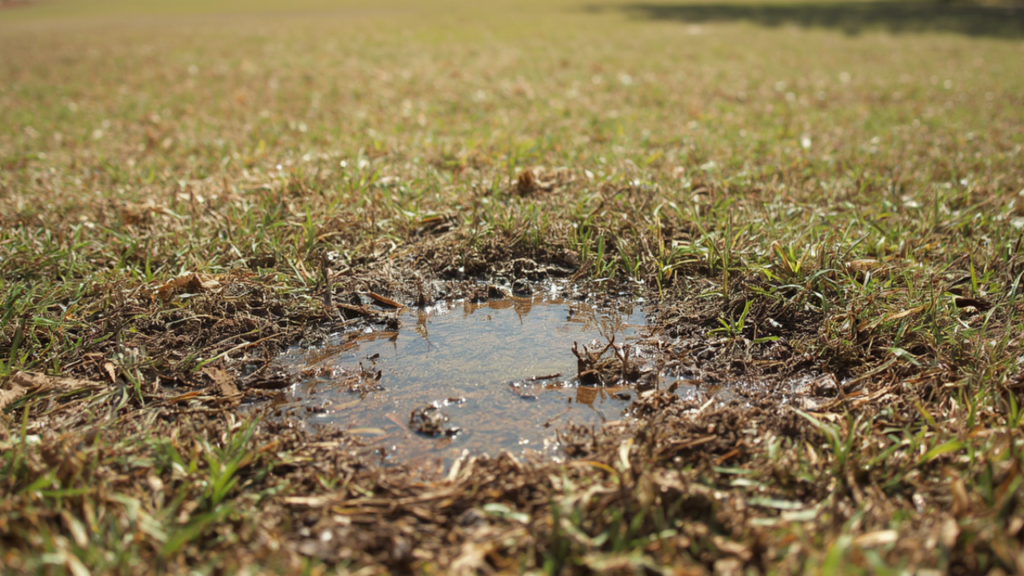
A wet spot in your yard when it has not rained usually points to one of two things: an underground leak from a water, sewer, or irrigation line, or a drainage problem where water collects and cannot escape. The quickest way to tell them apart is timing. A spot that stays soggy in dry weather is almost always a leak. A spot that only gets wet after rain is usually drainage.
Here is the thing most people do first: they assume it will dry out on its own. Then a week goes by, the rest of the lawn is bone dry from the Texas heat, and that one patch is still squishy underfoot. That is the moment worth paying attention to, because water showing up with no obvious source is water coming from somewhere it should not.
This walks through how to figure out what you are actually dealing with, how a plumber traces the source, and when the fix is a simple drainage project versus a real pipe repair. No scare tactics, just how to read what your yard is telling you.
Leak or Drainage? Start With the Weather
The single most useful question is simple: does the wet spot stay wet when it has not rained? If the answer is yes, you are most likely looking at a leak, because something is feeding that spot with water even when the sky is not. If the spot only turns soggy during and after rain and dries out in a few days, the problem is usually drainage, not a broken pipe.
We have stood in yards in the middle of a Dallas summer, weeks with no meaningful rain, and found standing water and a muddy mess anyway. In one case the water was steadily seeping up near a sewer cleanout with no rain for weeks to explain it. When water appears in dry conditions, the source is underground, and that changes what you do next.
The Common Causes of a Wet Spot With No Rain
Once you know water is coming from below, there are a handful of usual suspects. Each one leaves slightly different clues.
A water line leak is pressurized, so it can push a fair amount of clean water to the surface fairly quickly. You may see a spot that is wet all the time and getting worse, sometimes with a drop in water pressure indoors or a jump in the water bill. The EPA estimates household leaks waste nearly 10,000 gallons a year, and an underground line losing water shows up on the bill the same way.
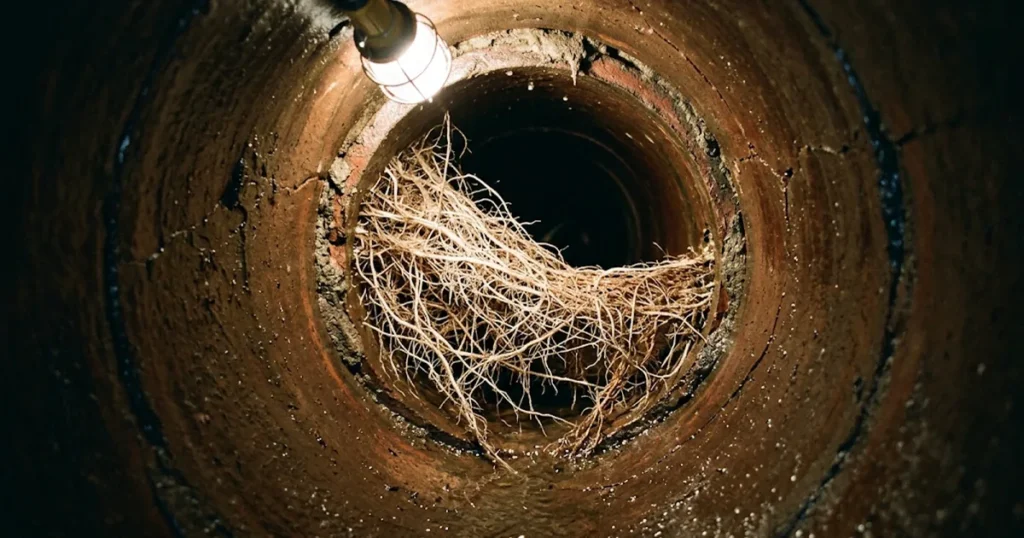
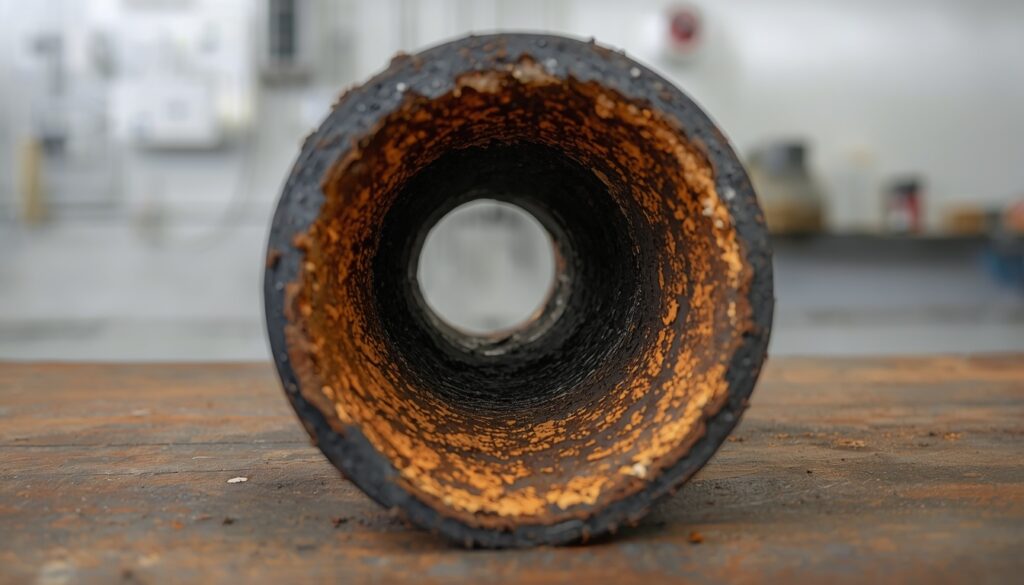
A sewer or drain line leak tends to smell. If the soggy area carries a faint sewage or rotten-egg odor, or the grass over it is suddenly greener and taller than everything around it, that points to a sewer line, because wastewater acts like fertilizer. This is common in older DFW homes where cast iron and clay pipes have cracked, often with tree roots involved.
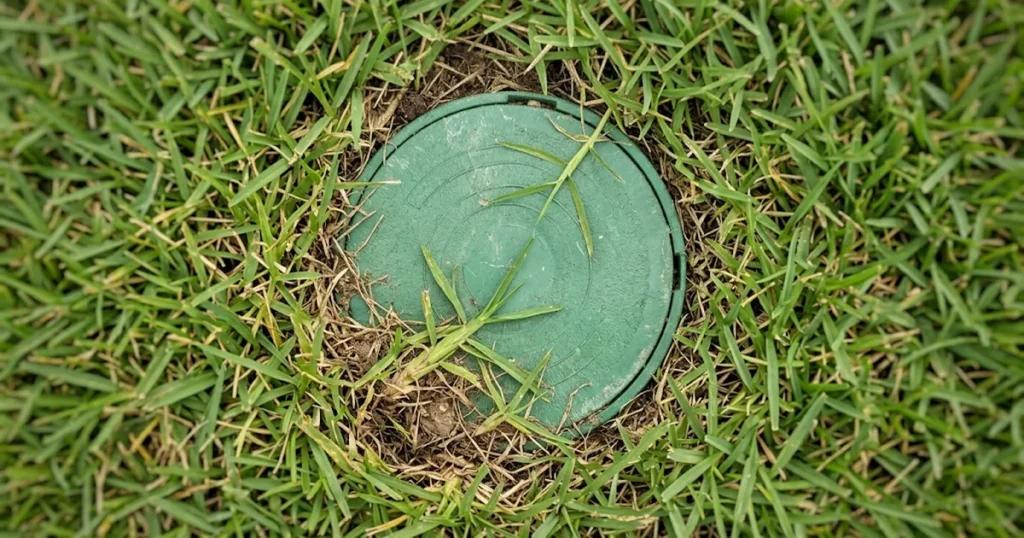
An irrigation or sprinkler line leak shows up near the sprinkler zones, usually as a wet patch between heads rather than at a head. These lines sit only 8 to 12 inches down, so leaks reach the surface fast.
High groundwater or poor drainage is the non-leak cause. Some yards sit low, or slope back toward the house, and water simply collects there. In heavy clay soil like much of the DFW Metroplex has, water infiltrates slowly and can perch near the surface long after a rain, keeping a spot soggy without any pipe being involved.
How to Narrow It Down Yourself
You can get surprisingly close to an answer before calling anyone, and it helps to arrive at the problem with information rather than a guess.
Start with the water meter test. Turn off every water-using fixture and appliance in the house, then look at the meter’s leak indicator, the small dial or triangle that spins when water is moving. If it keeps turning with everything off, water is escaping somewhere in your pressurized system. Next, if you have a sprinkler system, shut its valves off and check the meter again. If the dial stops, the leak is in the irrigation. If it keeps moving, the leak is elsewhere.
Then use your senses on the spot itself. Clean, odorless water leans toward a water line. A sewage smell leans toward the drain or sewer line. Grass that is dramatically greener over the wet area also leans sewer. And pay attention to where the wettest point actually is, because the water often travels underground and surfaces at a low point that is not directly above the break. For a fuller walkthrough of doing this without special tools, our guide on how to find a water leak underground covers the steps in more detail.
How a Plumber Actually Traces the Source
When the do-it-yourself checks are not conclusive, a leak is located by following the evidence rather than digging blindly. The first move is often to follow the water back to where it is strongest. On one job, a slow river of sediment kept surfacing from a single corner, and tracing it back led straight to the sewer cleanout, where the ground was most saturated. Sediment matters, because muddy water suggests it is traveling through soil from a break, while clean water suggests a pressurized line closer to the surface.
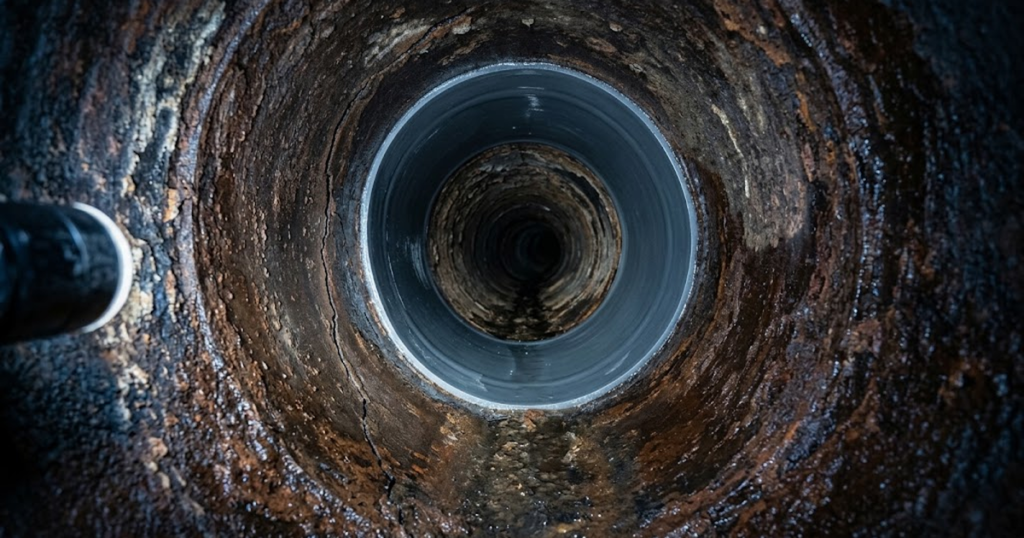
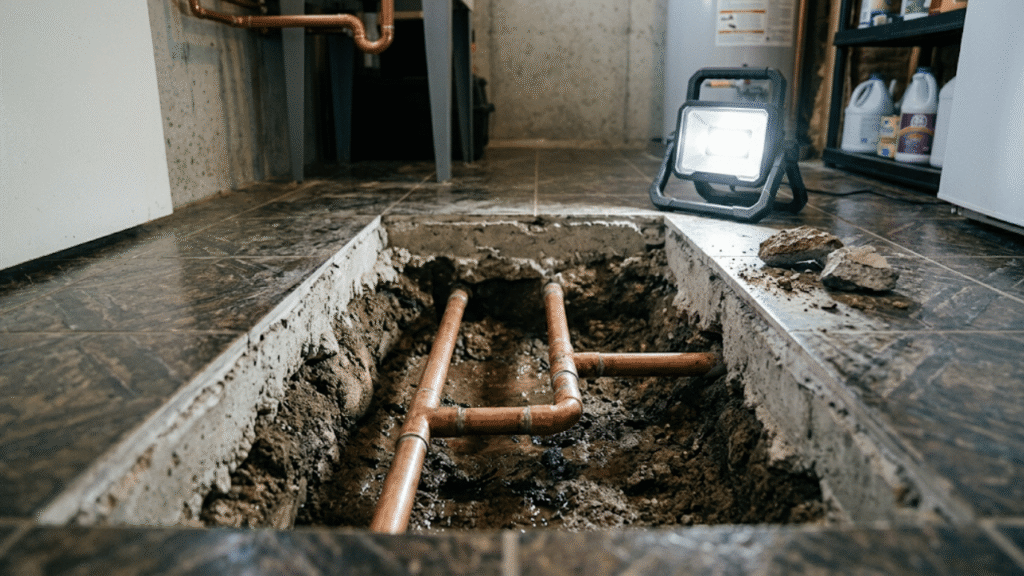
From there, professional leak detection narrows it down without tearing up the yard. Pressure testing isolates which line, hot, cold, or drain, is actually losing water. Acoustic listening equipment amplifies the sound of water escaping a pressurized pipe, and different pipe materials make different sounds. Thermal imaging picks up temperature differences from hidden moisture. A camera can go inside a sewer line to see the crack directly. Most leaks get pinpointed within one to three hours this way, which is the difference between a targeted repair and digging up half a lawn.
Honesty matters here too. Sometimes the source is not obvious on the first pass, and a good technician will say so rather than guess and dig. Confirming the exact spot before excavation is what keeps a small repair from becoming a big one.
When It Is Drainage, Not a Leak
If your testing points away from a leak, and the wet spot tracks with rain, you are dealing with drainage. This is genuinely good news, because it means no broken pipe, though it still needs solving before the constant moisture works its way toward your foundation.
The usual cause is grade. When a yard slopes back toward the house instead of away from it, water pools at the low point. We have seen pool-equipment pads sit under a foot of water after every rain purely because of this negative grade, with the homeowner having replaced the same equipment twice before the real cause was addressed. Compacted or heavy clay soil makes it worse, since water cannot soak in and instead sits on top. Soil conservation guidance on solving a wet yard confirms that grading and poor infiltration, not leaks, cause most persistent post-rain sogginess.
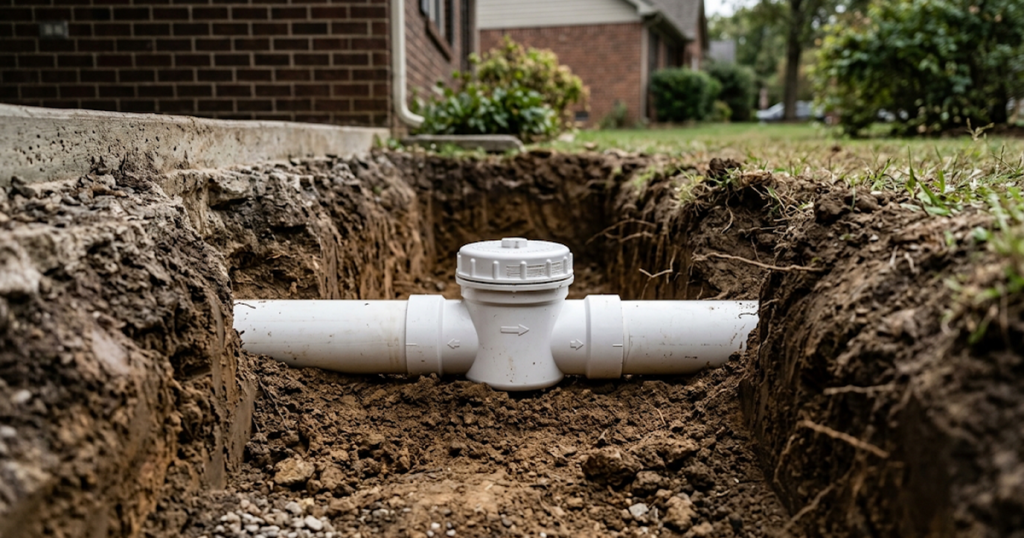
The common fix is a French drain, which is a gravel-packed trench with a perforated pipe that collects subsurface water, paired with catch basins that grab surface water before it pools. The perforated section does the collecting, then solid pipe carries the water to a discharge point away from the house. In saturated clay, the volume these systems move is significant, which is exactly why the water was sitting on your lawn in the first place. Regrading the low area so water flows away from the foundation is the other durable fix.
Who Do You Even Call for This?
This trips people up, because a wet yard sits between two trades. If the cause is a leaking water, sewer, or irrigation line, that is a plumber’s job, since it involves pressurized or waste pipes and, in Texas, licensed work. If the cause is purely grading or drainage with no pipe involved, that is landscaping or drainage territory. The overlap is why figuring out leak versus drainage first, using the weather-and-meter checks above, saves you calling the wrong person.
When a pipe is involved, it is worth having it looked at rather than left, because a slow underground leak does not stay small. In DFW’s expansive clay, water escaping underground can shift the soil around a slab and feed foundation movement over time, which turns a modest pipe repair into a structural problem. That is the real reason not to wait on a wet spot, not fear, just how the soil here behaves.
Frequently Asked Questions About Wet Spots in the Yard
Why is there a wet spot in my yard when it has not rained?
A wet spot with no rain almost always means water is coming from underground, either a leaking water, sewer, or irrigation line, or naturally high groundwater. Since the rest of the lawn is dry, something is feeding that one area. Checking the water meter with everything off is the fastest first test.
How do I know if it is a leak or just a drainage problem?
Use the weather as your guide. A spot that stays soggy during dry weather points to a leak, because something feeds it with no rain. A spot that only gets wet during and after rain, then slowly dries, points to drainage. The water meter test confirms whether a pressurized line is leaking.
Is water seeping up from the ground but no leak found normal?
If a plumber found no leak but water still surfaces, the cause is often high groundwater or poor drainage rather than a pipe. Clay soil holds water near the surface, and low or negatively graded areas collect it. The water is real, but the fix is drainage, such as a French drain, not a pipe repair.
Can a wet spot in the yard damage my foundation?
Yes, over time. Constant underground moisture in expansive clay soil, common across DFW, causes the soil to swell and shift. Near a slab foundation, that movement can lead to cracks and settling. A small leak left alone for months can turn into a far more expensive structural repair, which is why locating the source early matters.
How much does it cost to find an underground leak?
Professional water and slab leak detection starts at $750+ (as of Q2 2026). The final cost depends on the property, the line, and how the leak is located. Detection is the cheap part compared to the water damage a hidden leak causes, and pinpointing it precisely avoids digging up the whole yard.
Should I call a plumber or a landscaper for a wet yard?
Call a plumber if a water, sewer, or irrigation line is leaking, since that is licensed pipe work. Call a landscaper or drainage specialist if the problem is purely grading with no pipe involved. Figuring out leak versus drainage first, using the meter and weather checks, tells you which one you need.
The Bottom Line on a Soggy Yard
If you take one thing away, let it be the timing test: a wet spot that will not dry in dry weather is a leak until proven otherwise, and one that only shows up after rain is drainage. That single distinction tells you whether you are looking at a pipe repair or a grading fix, and it tells you who to call.
Either way, a wet spot that keeps coming back is worth diagnosing, because in DFW’s clay soil, standing underground water eventually finds its way to your foundation. Nuflow DFW is licensed by the Texas State Board of Plumbing Examiners (RMP# 46694) and locates underground and slab leaks across the Dallas-Fort Worth Metroplex. Call (469) 701-0597 if you want the source pinpointed before anyone starts digging.