
Residential Pipe Lining Experts in DFW
Restore your home’s sewer system without digging up your yard or driveway.
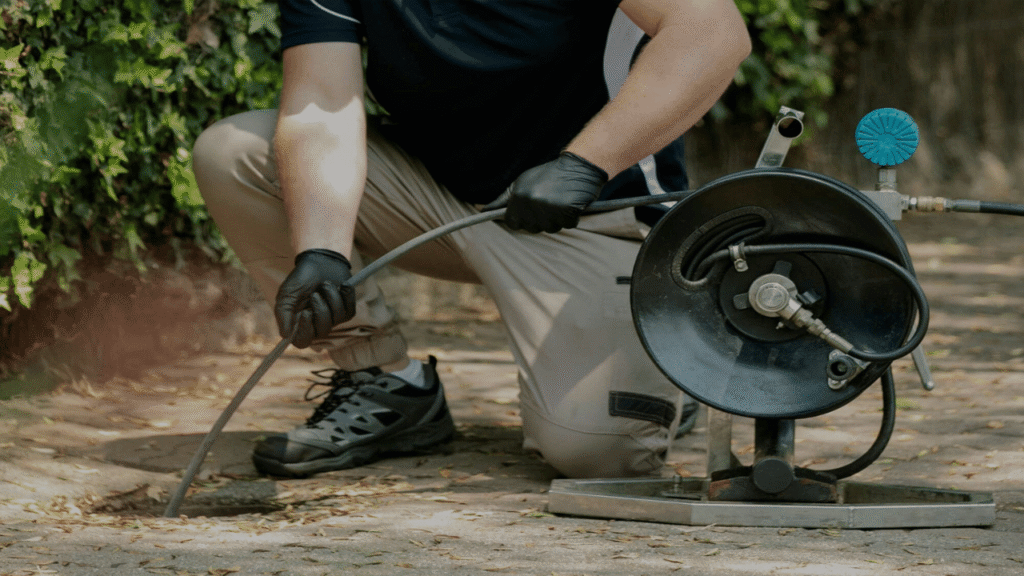
Residential Sewer Line Repair Without Digging
Damaged sewer lines don’t always require tearing up your yard or breaking through concrete. Our residential pipe lining in DFW restores cracked, corroded, or leaking sewer pipes from the inside using advanced trenchless CIPP technology.
Over time, sewer lines can deteriorate due to corrosion, soil movement, or root intrusion. Homeowners often notice recurring backups, slab leaks, aging cast iron pipes, or sewer odors inside the home.
Instead of full pipe replacement, we create a seamless new pipe inside the existing one, reinforcing your system and extending its lifespan without major excavation.
When Does Your Home Need Pipe Lining?
Not every sewer problem requires excavation. Residential pipe lining is ideal when:

Cracked or Corroded Cast Iron Pipes
Older homes in DFW often have cast iron sewer systems that deteriorate over time. Corrosion can cause rough interiors, leaks, and restricted flow. Residential pipe lining restores the inside of the pipe without full replacement.

Repeated Sewer Backups
If multiple drains in your home back up frequently, the issue may be internal pipe damage or buildup. Trenchless pipe lining seals cracks and restores smooth flow to help prevent ongoing blockages.

Root Intrusion
Tree roots are one of the most common causes of residential sewer damage. Roots enter small cracks and expand inside the pipe. Pipe lining seals these openings and reinforces the line to prevent future intrusion.

Slab Leak Concerns
Sewer lines running beneath your foundation can develop cracks or leaks over time. Trenchless lining repairs underground pipes below concrete slabs without major demolition or structural damage.

How Residential Pipe Lining Works
Residential CIPP (Cured-In-Place Pipe) lining involves inserting a resin-saturated liner into your existing sewer pipe. Once positioned, the liner is inflated and cured, forming a strong, joint-free pipe within the original line.
This process:
Restores structural strength
Seals cracks and leaks
Prevents root intrusion
Improves flow efficiency
Extends pipe life by decades
Most residential pipe lining projects are completed efficiently, allowing you to continue using your home plumbing with minimal interruption.
Residential Pipe Lining vs Traditional Replacement
Traditional sewer replacement often requires digging long trenches across your yard, cutting through driveways, and sometimes breaking concrete slabs inside the home. This type of excavation can quickly increase both cost and project time.
With traditional methods, homeowners often face:
Significant landscape and lawn damage
Higher labor and restoration costs
Concrete cutting and foundation disruption
Longer repair timelines
Additional expenses for re-pouring concrete or replanting landscaping
In contrast, trenchless residential pipe lining repairs your existing sewer line from the inside. Using advanced CIPP technology, we create a durable new pipe within the original one without major digging.


Protect Your Home’s Sewer Line
Small pipe damage can turn into costly repairs if ignored. Residential pipe lining restores your sewer line from the inside without digging up your yard.
This trenchless solution seals cracks, prevents root intrusion, and reinforces aging pipes for long-term performance. It’s ideal for older DFW homes with cast iron plumbing systems.
If you’re noticing slow drains, backups, or sewer odors, it may be time for an inspection.


 Trustindex verifies that the original source of the review is Google.
 Trustindex verifies that the original source of the review is Google.
 Trustindex verifies that the original source of the review is Google.
 Trustindex verifies that the original source of the review is Google.
 Trustindex verifies that the original source of the review is Google.
 Trustindex verifies that the original source of the review is Google.
 Trustindex verifies that the original source of the review is Google.
 Trustindex verifies that the original source of the review is Google.
 Trustindex verifies that the original source of the review is Google.
 Trustindex verifies that the original source of the review is Google.
Frequently Asked Questions

How long does residential pipe lining last?
Properly installed CIPP pipe liners can last 50 years or more. The liner creates a durable, corrosion-resistant pipe inside your existing sewer line, extending its lifespan significantly.
Is trenchless pipe lining safe for my home?
Yes. Residential pipe lining is a proven trenchless method used nationwide. It repairs underground sewer lines internally without major excavation, protecting your yard and foundation.
Can pipe lining fix slab leaks?
In many cases, yes. If the leak is within the sewer line beneath your foundation, trenchless lining can restore the pipe without breaking large sections of concrete. A camera inspection confirms eligibility.
How do I know if my home needs pipe lining?
Common signs include recurring sewer backups, slow drains in multiple fixtures, sewer odors, and aging cast iron pipes. A professional sewer camera inspection determines if lining is the right solution.
Is residential pipe lining cheaper than full replacement?
In most cases, yes. Because trenchless lining avoids excavation and structural restoration costs, it is often more cost-effective than traditional sewer replacement.
How long does the pipe lining process take?
Most residential pipe lining projects are completed within 1–2 days, depending on pipe length and condition. The process is efficient and minimizes disruption to your home.