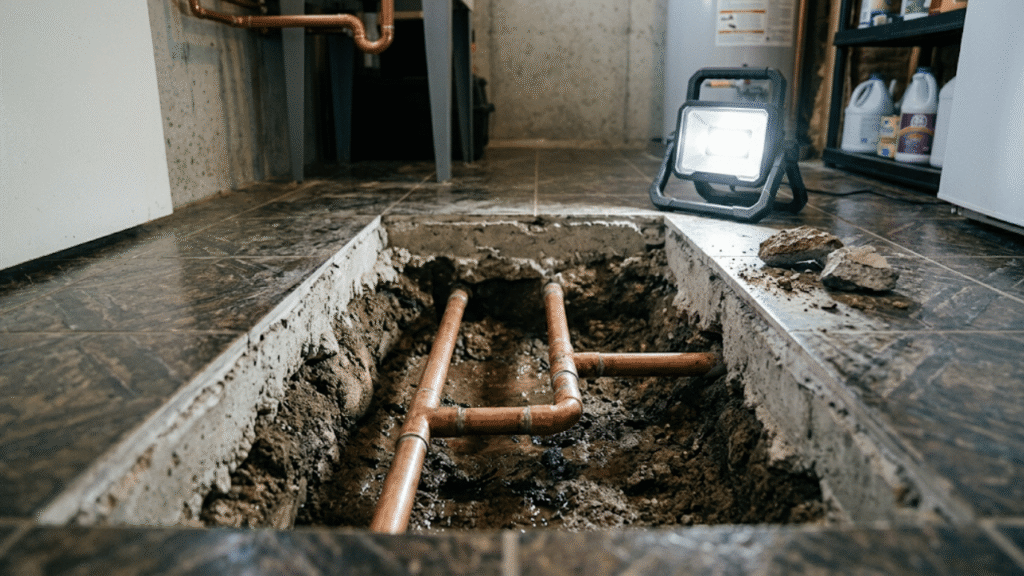
Root intrusion in a sewer line happens when tree roots enter through an existing crack or open joint and grow inside the pipe. Cutting or hydro jetting clears the roots, but they return through the same opening. Trenchless pipe lining seals that opening, as long as the pipe is still round and aligned.
Nuflow DFW repairs root-damaged sewer lines for homeowners across 25 Dallas-Fort Worth cities, and is licensed by the Texas State Board of Plumbing Examiners (RMP# 46694). A typical root call starts with a main line that backs up, gets cleared, and backs up again.
What Is Root Intrusion in a Sewer Line?
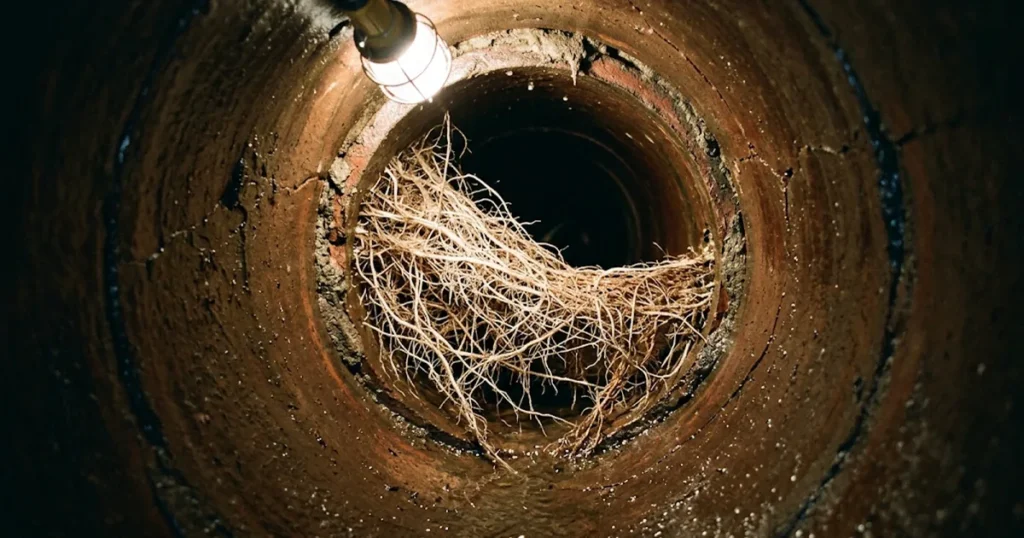
Root intrusion is when tree or shrub roots grow into a sewer line through a defect that already exists. Roots do not break into a sound pipe. They follow moisture escaping from a cracked hub, an open joint, or a failed gasket, then grow inside where the water and nutrients are.
Once inside, fine hair roots spread across the pipe and catch grease, wipes, and paper. The blockage builds until the line backs up. As the roots thicken, they widen the opening they came through, which lets more roots in.
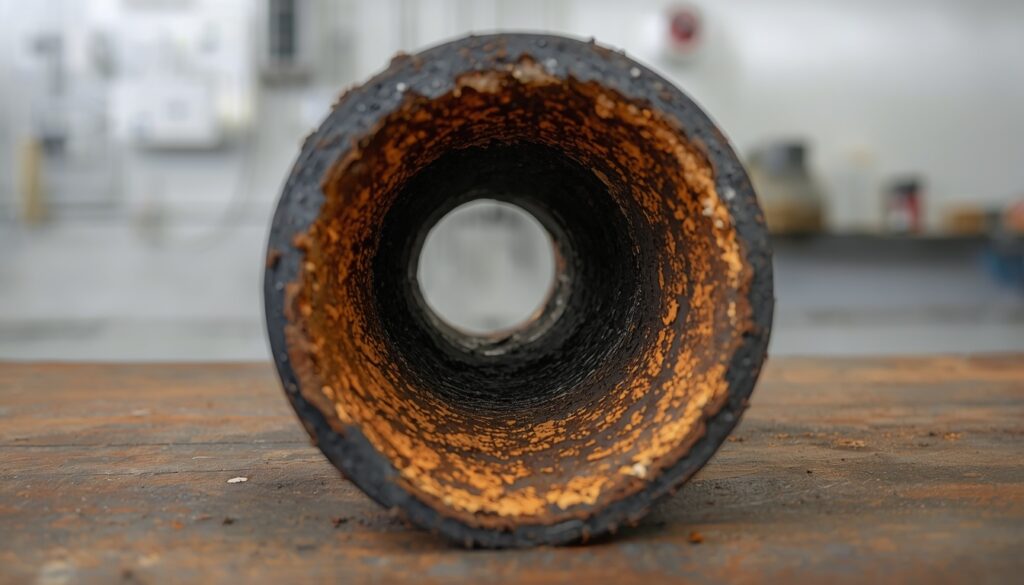
Older DFW lines carry the most risk. Cast iron sewer laterals corrode from the inside and crack at the hubs, and clay pipe was laid in short sections with a joint every few feet. Clay soil across the Metroplex shifts seasonally and pulls those joints apart.
Call Nuflow DFW at (469) 701-0597 to schedule a camera inspection. Service is scheduled Monday to Friday, 9:00 a.m. to 6:00 p.m.
What Are the Signs of Roots in Your Sewer Line?
The clearest sign is a main line backup that returns after cleaning. Roots grow back, so a line that clogs again within weeks or months of being cleared usually has an entry point nobody sealed.
Other common signs:
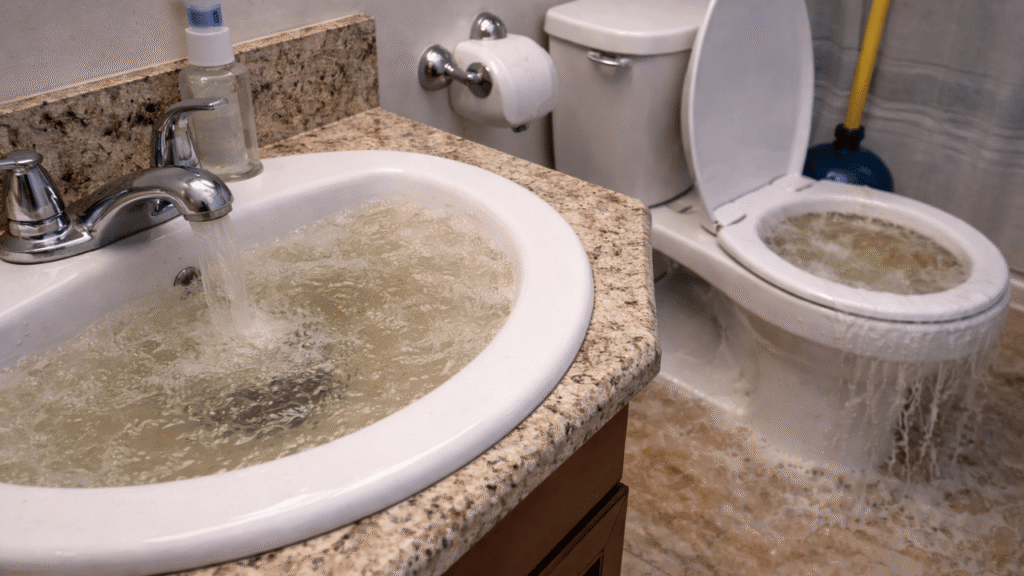
- Several fixtures backing up at once, often the lowest drain in the house first
- Slow drains across the whole house, not just one sink
- Gurgling toilets or drains after a flush
- Sewer smells inside the house
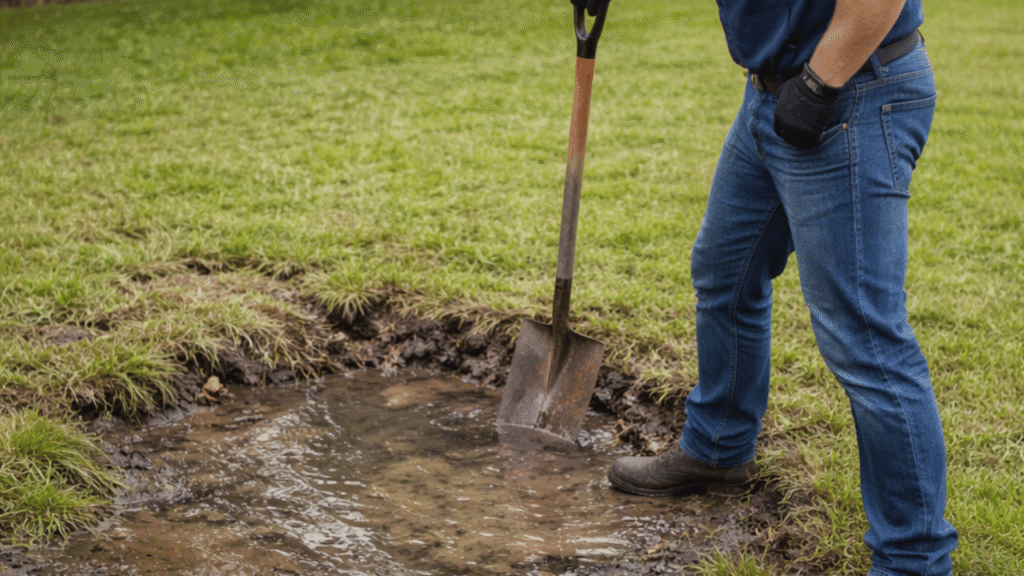
- Wet or sunken spots in the yard above the sewer line
Grease buildup, a sag in the line, or a collapsed section can cause the same symptoms. Only a camera tells them apart.
How Do Plumbers Find and Clear Roots in a Sewer Line?
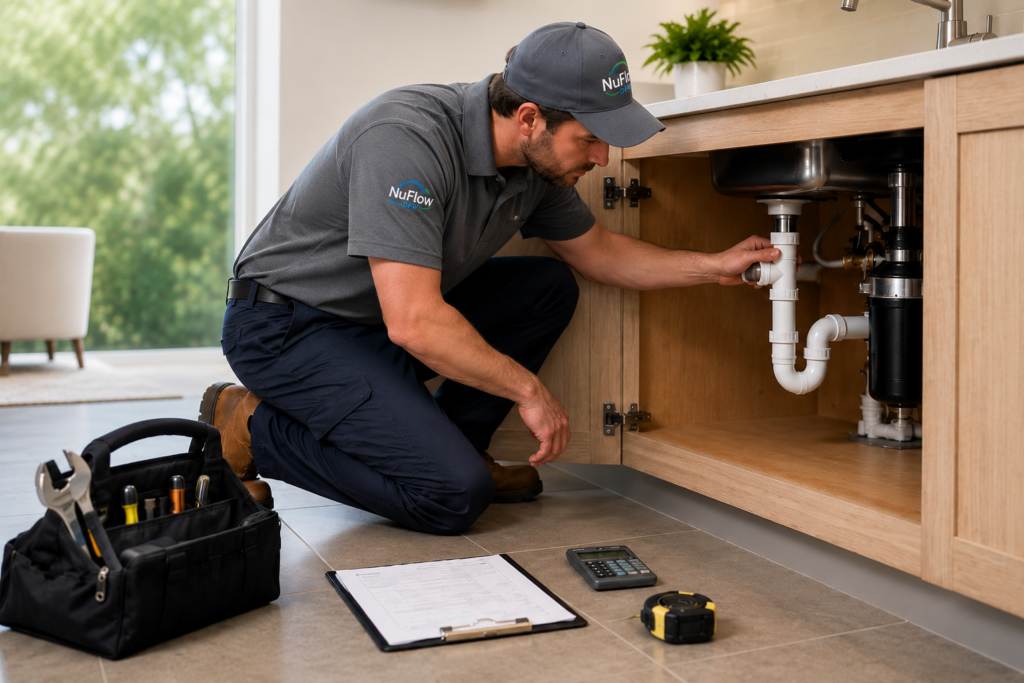
Every root repair starts with a sewer camera inspection. The camera shows where roots enter, how many joints are affected, and whether the pipe is round, cracked, sagging, or collapsed. That footage decides the repair, and you keep it.
Cutting vs hydro jetting
A mechanical cutter chews through heavy root masses. Hydro jetting uses high-pressure water to scour roots and grease off the pipe walls, but only after the camera confirms the pipe can take the pressure. On badly corroded cast iron, our crew adjusts the method first.
Clearing is maintenance, not a repair. The opening the roots used is still there, so they grow back. For a homeowner who needs the line flowing today, our sewer tree root removal service covers the camera inspection and the clearing in one visit.
Camera inspection starts at $250+ and hydro jetting starts at $350+ (as of Q3 2026). Final cost depends on inspection findings.
How Does Pipe Lining Stop Root Intrusion?
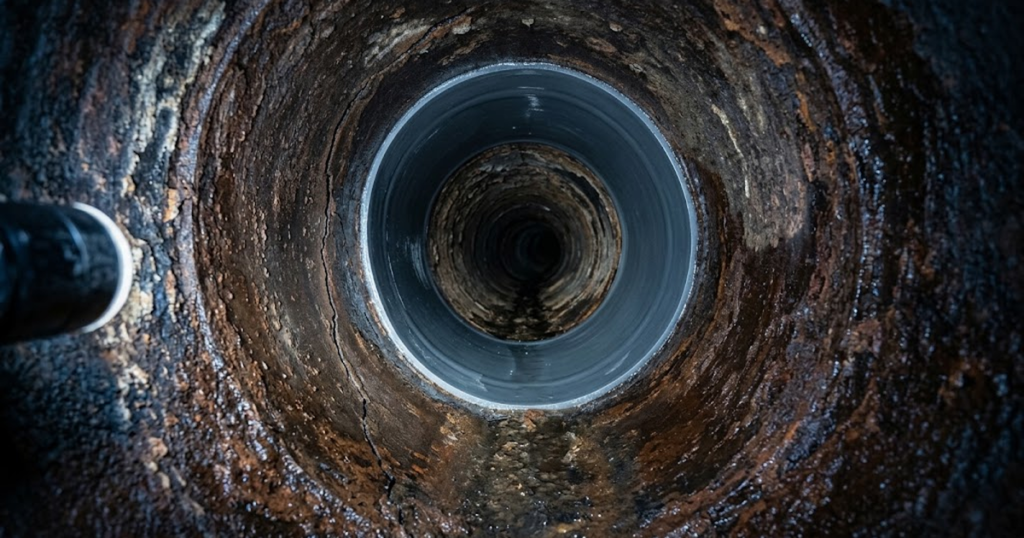
Pipe lining stops root intrusion by covering every crack and joint with a continuous new pipe inside the old one. Cured-in-place pipe (CIPP) lining is a trenchless method that creates a new pipe inside the old one using an epoxy-saturated liner. With no joints left in the lined section, roots have nothing to find.
A typical lining job runs in five steps:
- Run the camera to map every defect and measure the line.
- Clear roots and scale so the liner sits tight against the pipe wall.
- Insert the resin-saturated liner through a cleanout or a small access point.
- Cure the liner with heat or UV light until it hardens.
- Run the camera again to confirm the new pipe.
For more detail, see how CIPP pipe lining works.
On one Nuflow DFW job, our crew lined an 80-foot cast iron sewer line running under a backyard with 100-year-old oak trees and cured the liner with UV light. The household was without sewer service for several hours instead of several days, and nobody had to dig around the oak roots. That is the kind of line our trenchless pipe lining for homes is built for.
Is Pipe Lining Worth It for Root Damage?
Lining is worth it when the pipe is still round and aligned and the damage is cracks, open joints, and roots. It costs less than excavation on most accessible lines and leaves the yard intact. It is the wrong repair for a collapsed pipe, a badly offset joint, or a sag, because the liner takes the shape of the pipe it sits in.
| Factor | Trenchless CIPP lining | Traditional excavation |
|---|---|---|
| Yard damage | Minimal | Significant |
| Typical time | 1 day | 3 to 7 days |
| Typical cost (as of Q3 2026) | $3,500 to $15,000 | $5,000 to $25,000 |
| Warranty | 50+ years | 25 to 50 years |
| Best for | Cracks, open joints, roots | Collapses, severe offsets, sags |
Pricing varies with line length, depth, access, and pipe condition. Actual cost depends on inspection findings. Our epoxy pipe lining cost guide breaks down per-foot pricing in DFW.
When lining is not the answer
One DFW homeowner found roots in the sewer line during a home sale. Another plumber quoted about $30,000 because of the sidewalks and retaining walls above the pipe. Nuflow DFW offered lining at just over $4,000, then the camera showed the pipe was not aligned well enough for a liner.
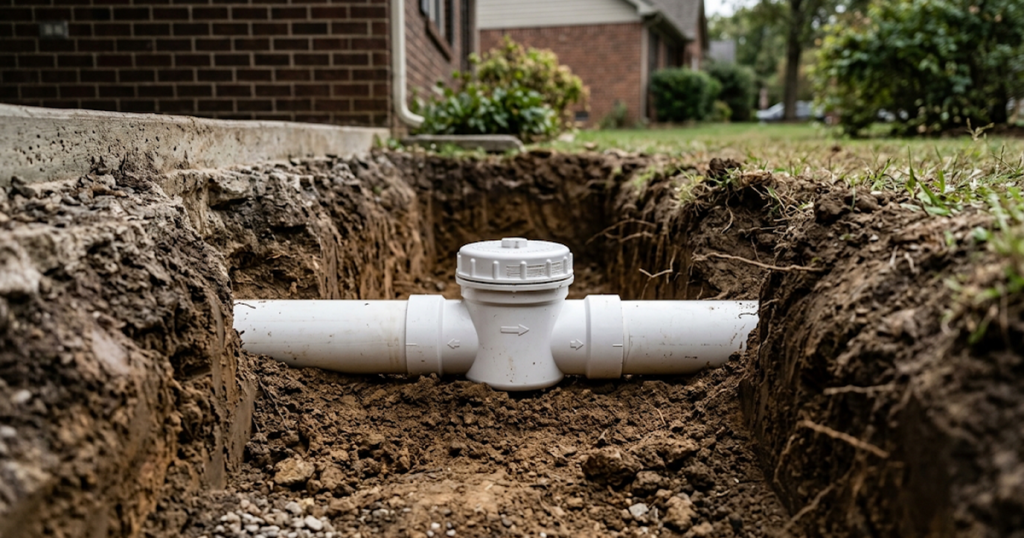
Our crew dug one small access point at the defect and made a minimal-dig section repair at the same price. If the camera shows a full collapse, read the signs of a collapsed sewer line before pricing any fix.
Get a written estimate before any work begins. Call Nuflow DFW at (469) 701-0597.
Root Intrusion Questions From DFW Homeowners
How much does root intrusion repair cost in DFW?
Root intrusion repair in DFW starts with a camera inspection at $250+. Clearing roots with hydro jetting starts at $350+, and trenchless pipe lining starts at $3,500+ (as of Q3 2026). Final cost depends on inspection findings, line length, depth, and access. You get a written estimate before any work begins.
Can I stop root intrusion myself?
You can slow it, but you cannot stop it. Planting trees and large shrubs away from the sewer line and keeping grease and wipes out of drains slows how fast a blockage builds. Roots still enter through the existing crack or joint, so the lasting fix is sealing that opening with lining or a section repair.
Can a liner be installed in a clay sewer pipe?
Often, yes. Clay pipe is laid in short sections with many joints, which is exactly where roots enter, and a liner covers every joint in the lined section. The camera has to confirm the clay is not broken into loose pieces or collapsed, because a liner needs a continuous host pipe to seat against.
How long does a pipe liner last against roots?
Nuflow DFW’s comparison puts CIPP lining at a 50+ year warranty, against 25 to 50 years for traditional replacement. A cured liner has no joints inside the lined section, so roots have no opening to enter there. Roots can still enter an unlined section, which is why the camera maps the whole line first.
How long does sewer pipe lining take?
Most residential sewer lining jobs take one day. Clearing, lining, and curing happen in the same visit, and a UV-cured liner can put a line back in service within several hours. Excavation typically takes three to seven days, plus time to restore the yard, driveway, or sidewalk above the pipe.
Does homeowners insurance cover root damage to a sewer line?
Often it does not. Many standard policies treat root intrusion as gradual wear rather than sudden damage, and some insurers sell separate service line coverage. Coverage varies by policy, so check yours before work starts. Our guide to homeowners insurance and sewer line repair in Texas lists what to ask your insurer.
What Should You Do Next About Roots in Your Sewer Line?
Get the camera footage before paying for any repair. It shows whether cleaning will buy time, whether lining will seal the line, or whether a section needs to come out. A second opinion based on footage is how the home sale above went from a $30,000 quote to a repair of about $4,000.
Nuflow DFW serves 25 Dallas-Fort Worth cities, RMP# 46694. Call (469) 701-0597 to book a camera inspection, or use our contact form. Service is scheduled Monday to Friday, 9:00 a.m. to 6:00 p.m.