Cast iron pipes last 50 to 100 years, and where a given line falls in that range depends almost entirely on what surrounds it. Buried lines in expansive clay fail early. Interior stacks in stable conditions can outlast the century. The material is not the variable; the ground and the waste running through it are.
For Dallas-Fort Worth specifically the number is lower than the national range suggests, and the reason is soil.
How long do cast iron sewer pipes last?
A buried cast iron sewer lateral typically reaches end of life somewhere between 50 and 75 years, earlier than an interior line of the same age and material.
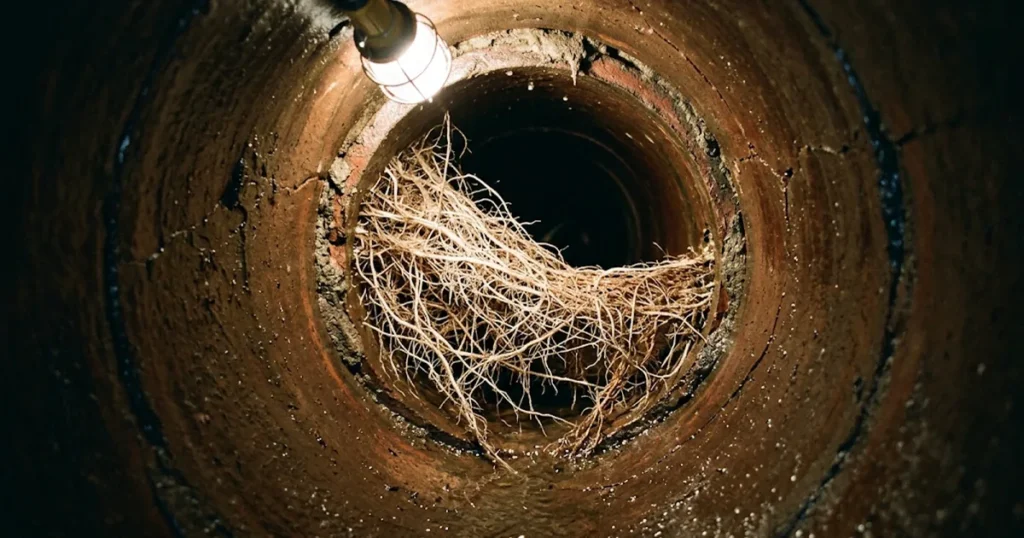
Buried pipe takes stress an indoor stack never does. Soil moves seasonally and pulls rigid joints apart. Groundwater and soil chemistry attack the outside wall. Tree roots find any opening the joint movement creates and widen it every year after.
Across 200+ trenchless jobs in the DFW Metroplex, Nuflow DFW has found cast iron in pre-1975 homes failing at an average of 58 years.
That figure matters because it puts most pre-1980 DFW housing stock at or past the point where the original line is failing rather than approaching failure.
How long do cast iron drain pipes last inside a house?
Interior drain pipe, meaning the vertical stacks and branch lines inside walls and above the slab, commonly runs to the upper end of the range, 75 to 100 years, because it avoids soil movement entirely.
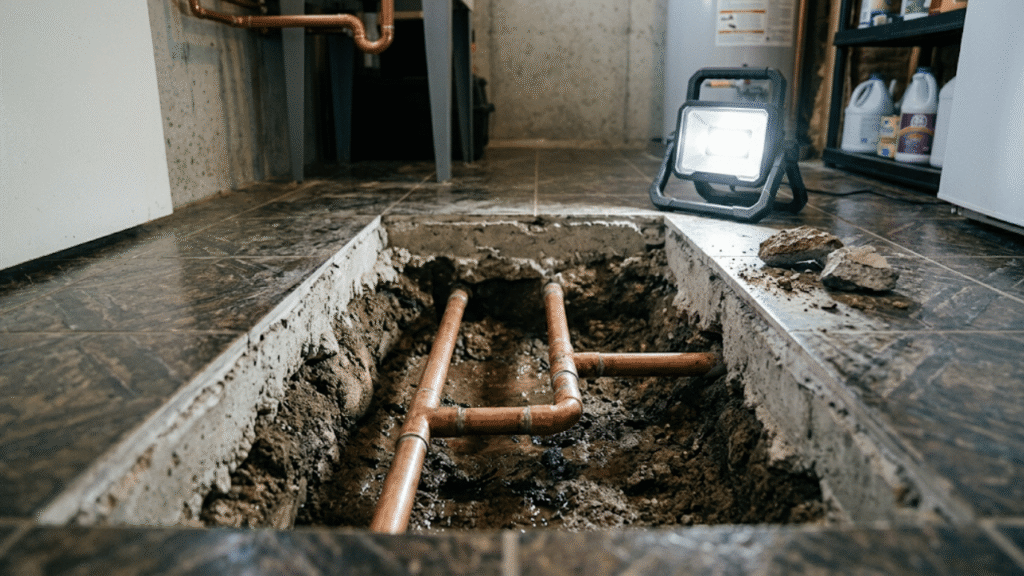
The exception is anything under a slab foundation. Under-slab drain lines get the worst of both: they are buried, so soil movement applies, and they are effectively inaccessible, so nothing gets noticed until it surfaces as a wet spot or a backup. On DFW’s predominantly slab construction, this is where cast iron problems become expensive rather than merely inconvenient.
Why cast iron fails from the top down
This is the part most articles get wrong, and it changes what a homeowner should expect to see.
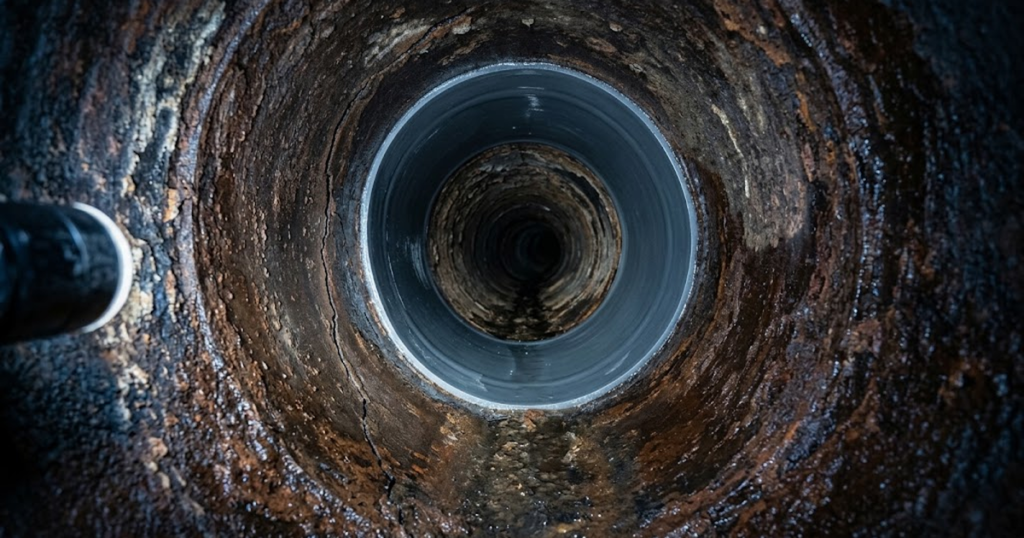
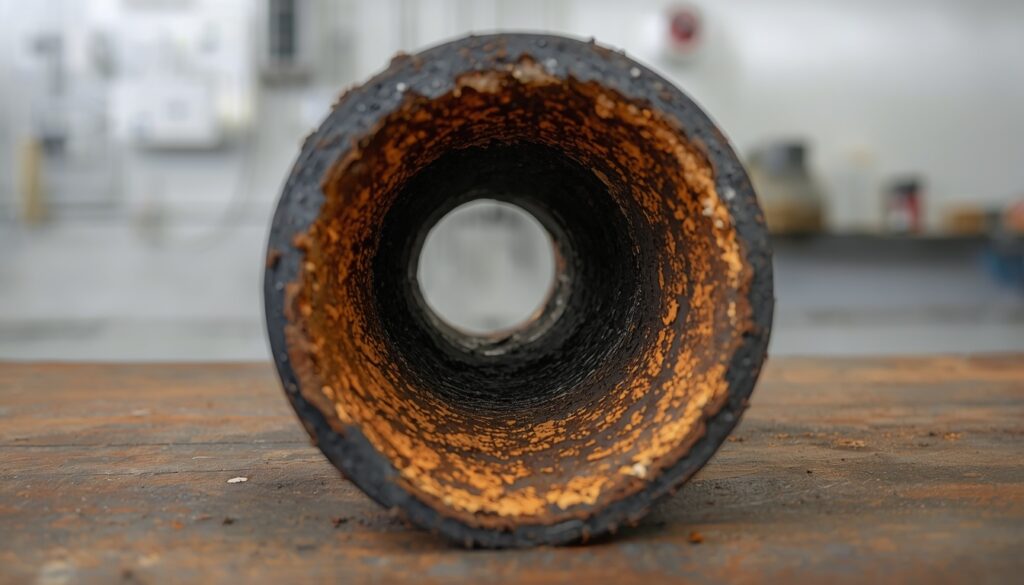
A sewer line is not full. Waste flows along the bottom and air sits above it. That air carries hydrogen sulfide gas from decomposing waste, which reacts with moisture on the pipe crown and forms sulfuric acid. The acid eats the top of the pipe while the bottom, permanently wetted and less exposed to the gas, stays comparatively sound.
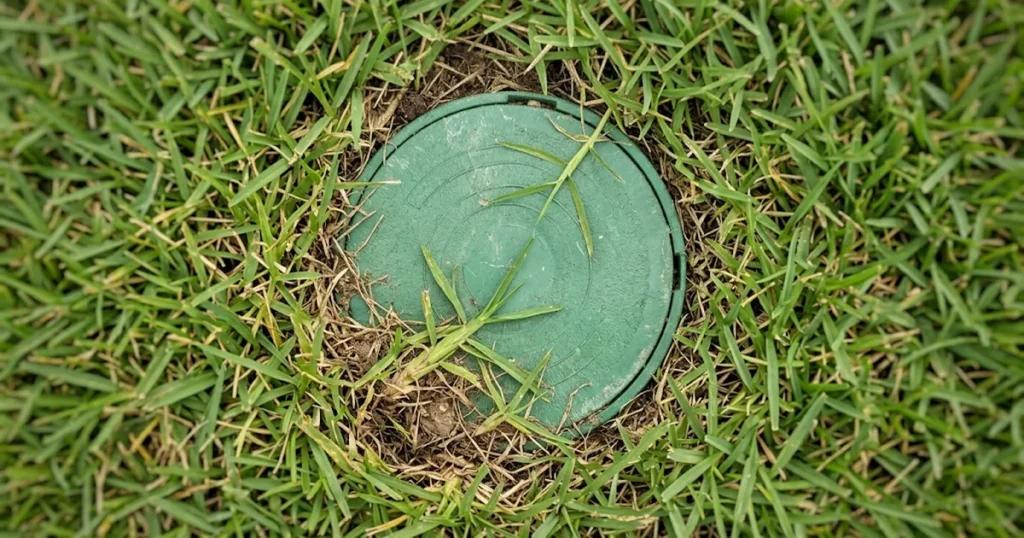
The practical consequence: a cast iron sewer line often looks acceptable from a quick glance at the invert and is badly thinned at the crown. It is also why a line can carry flow perfectly well right up until a section drops out. The U.S. Environmental Protection Agency publishes material on corrosion in wastewater collection systems if you want the underlying chemistry.
A camera pass reads the crown, which is the reason a visual assessment from an open cleanout tells you very little.
Call Nuflow DFW at (469) 701-0597 to book a camera inspection. Service is scheduled Monday to Friday, 9:00 a.m. to 6:00 p.m.
What shortens cast iron lifespan in DFW?
Four conditions, in the order we encounter them.
Expansive clay soil. North Texas clay swells after rain and shrinks through a dry summer. That seasonal movement pulls rigid jointed pipe apart, and cast iron has a joint every few feet. Joint separation is the most common finding on a DFW camera inspection and it is what starts almost every other failure on this list.
Mature tree roots. Roots follow moisture to an opened joint and widen it over years. They do not break into sound pipe. Our guide on root intrusion covers what that looks like from inside the line.
Harsh chemical drain cleaners. Repeated caustic or acidic products accelerate corrosion in a pipe wall that is already thinning. This is the reason we tell people not to pour bleach or chemical openers into a recurring clog; on cast iron it makes the underlying problem worse while doing nothing about the blockage.
Under-slab placement. Not a cause of corrosion, but a multiplier on cost. The same failure that means a two-day repair on an accessible line means breaking concrete when it sits under the house.
How do you know how old your cast iron is?
The build date of the house is the best available proxy, and for most DFW homes it is close enough to act on.
Cast iron was the standard for residential drain and sewer work through most of the twentieth century, and PVC displaced it in new construction from roughly the late 1970s onward. A home built before 1980 in Dallas, Fort Worth, or the older suburbs very likely has original cast iron unless someone has replaced it since. Our guide on how to tell whether you have cast iron plumbing covers what to look for.
Age tells you the risk. It does not tell you the condition, and two houses on the same street built the same year can be years apart depending on tree cover, soil moisture, and what has gone down the drains. Only a camera inspection reads actual wall condition, and it starts at $250+ (as of Q3 2026).
What happens when cast iron reaches end of life?
Two routes, decided by whether the pipe still holds its shape.
Lining works when the pipe is cracked, corroded, or root-invaded but structurally present. A resin liner cures into a jointless new pipe inside the old one, which removes every joint the soil movement was pulling apart. Trenchless pipe lining starts at $3,500+ (as of Q3 2026), with most residential jobs between $3,500 and $15,000. See what cast iron pipe lining involves for the process.
Replacement is required when a section has collapsed, dropped out of grade, or bellied into a low spot that holds standing water. A liner follows a sag rather than correcting it, so grade problems need excavation regardless of what anyone would prefer.
Honest limitation worth stating: extending the life of cast iron is mostly about not making it worse. Avoiding chemical cleaners, clearing roots properly rather than repeatedly, and watering the foundation perimeter through a dry summer all help at the margins. None of it reverses wall loss that has already happened. A pipe at 58 years is not going to be brought back to 30.
Frequently asked questions
How long do cast iron pipes last?
Cast iron pipes last 50 to 100 years depending on conditions. Buried sewer lines fall at the lower end, typically 50 to 75 years, because soil movement, groundwater, and root intrusion all act on them. Interior stacks that avoid soil contact commonly reach the upper end.
How long do cast iron sewer pipes last underground?
Typically 50 to 75 years. Buried lines face soil movement that separates joints, groundwater attacking the outside wall, and roots entering through any opening. In expansive clay soil such as North Texas, the lower end of that range is the realistic expectation rather than the exception. Clay, Orangeburg and PVC are compared in how long sewer lines last.
Do cast iron pipes last longer inside a house?
Usually, yes. Interior stacks and branch lines above the slab avoid soil movement and groundwater entirely, so 75 to 100 years is common. Under-slab lines are the exception: they are buried and inaccessible, which makes them both shorter-lived and more expensive to repair.
How can I tell if my cast iron pipes are failing?
Recurring blockages in the same spot, slow drainage across several fixtures, sewer odour indoors, or wet patches in the yard along the line. None of these confirm the cause. A camera inspection reads the pipe crown, which is where cast iron thins first and where a visual check from a cleanout will not reach.
Can cast iron pipes be repaired instead of replaced?
Often, yes. A pipe that is cracked, corroded, or root-invaded but still holds its shape can be lined from the inside, which avoids digging and seals every joint. A collapsed or severely bellied section cannot be lined and needs excavation. A camera inspection decides which.
Does hard water shorten cast iron pipe life?
It contributes to interior scale buildup, which narrows the bore and holds moisture against the pipe wall. It is a secondary factor rather than a primary one. On a buried DFW sewer line, soil movement and root intrusion do far more damage than water chemistry does.
Should I replace cast iron pipes before they fail?
Not on age alone. A 70-year-old line in good condition can carry flow for years, and replacing it early spends money the inspection might have saved. The case for acting early is when footage shows active wall loss or joint separation, because lining a cracked pipe costs less than excavating a collapsed one.
What to do next
If your DFW home predates 1980, the useful question is not how long cast iron lasts in general. It is what condition your line is in now, and that requires footage.
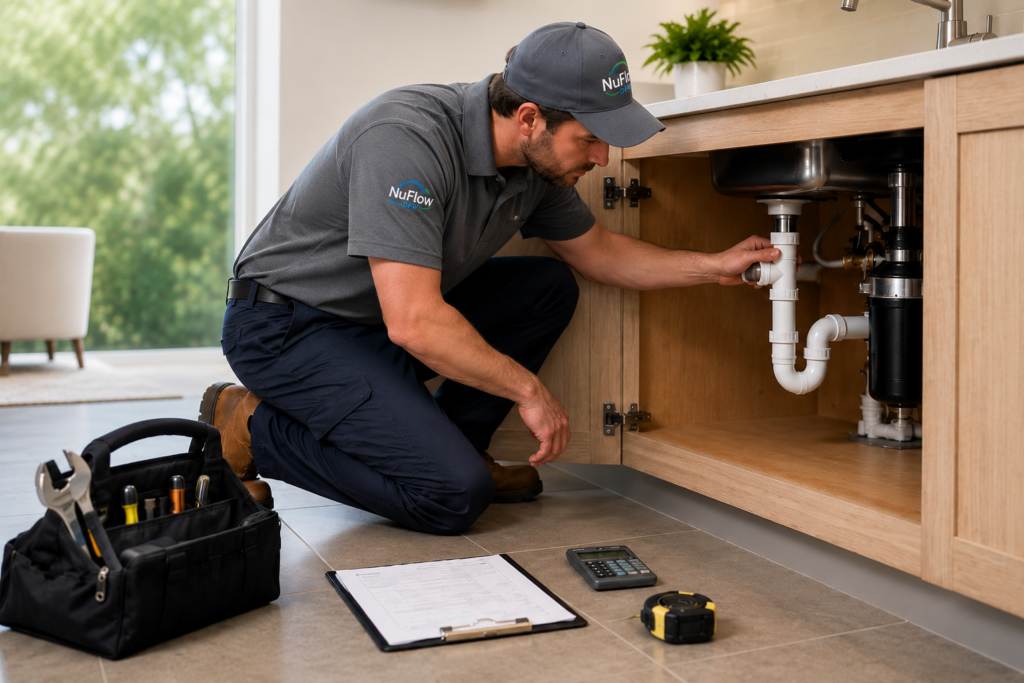
Call Nuflow DFW at (469) 701-0597 or use the contact page to book a camera inspection. We cover Dallas and 24 other cities across the Metroplex.
Ryan King holds a Texas Responsible Master Plumber license, RMP# 46694. Under Texas Occupations Code Chapter 1301, sewer line work is licensed in this state.