Cast iron pipe lining repairs old, cracked cast iron from the inside, without digging it out. A felt liner soaked in epoxy resin goes into the existing pipe, gets inflated to press against the walls, and cures into a hard, seamless pipe within the old one. It seals the cracks and leaks, keeps roots out, and lasts past 50 years, usually for around 30% less than ripping the line out and replacing it.
If you own an older home in the DFW area, this is worth understanding, because a lot of houses here are sitting on cast iron that is quietly reaching the end of its life. Most homes built before 1980 in places like Lakewood, Oak Lawn, and older Garland still have their original cast iron sewer lines, now 50-plus years old. A good share of them can be lined rather than replaced, because the pipe still holds its shape even when the inside has corroded. The rest of this explains how the lining actually works, when it makes sense, and when it honestly does not.
What is Cast Iron Pipe Lining?

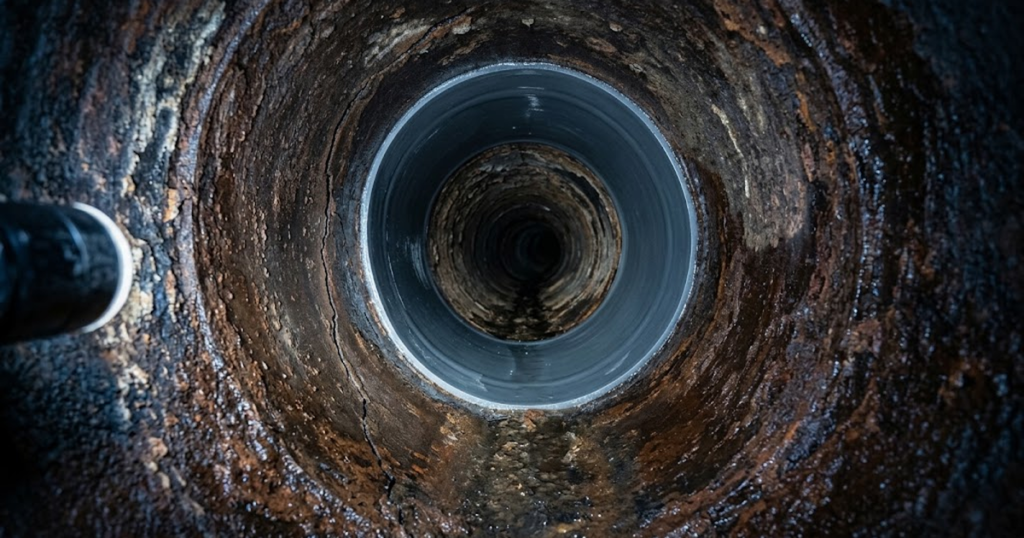
Cast iron pipe lining is a form of cured-in-place pipe (CIPP) repair, which means a new pipe gets formed inside the old one instead of the old one being dug up and hauled away. A plumber feeds an epoxy-saturated liner into the existing pipe, and that liner hardens into a smooth, seamless inner wall.
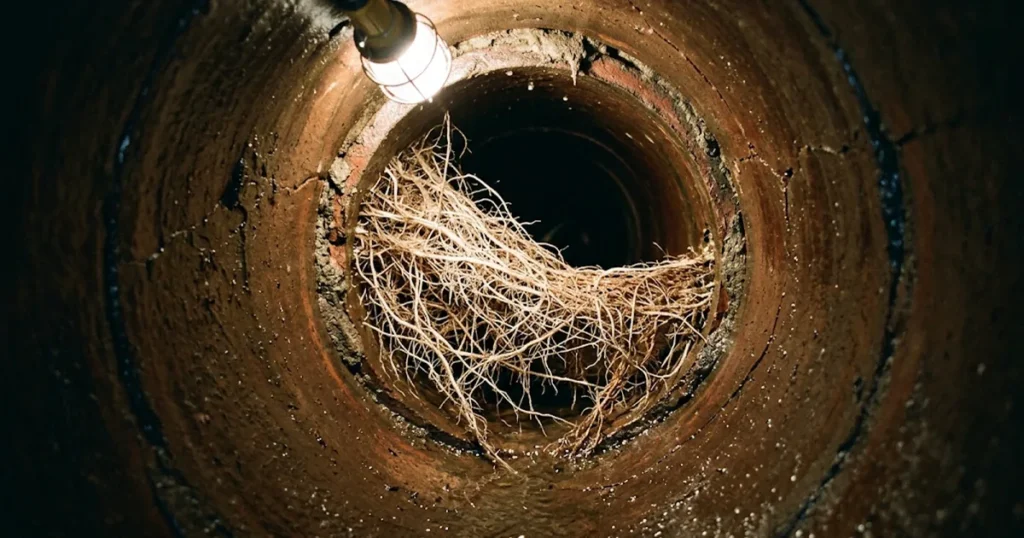
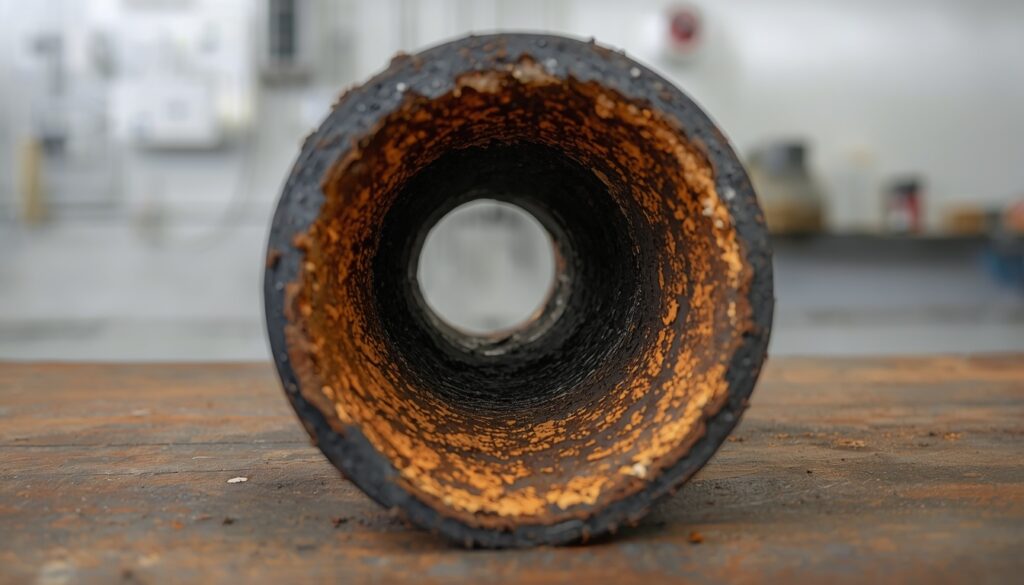
The reason it works so well on cast iron has to do with how cast iron fails. The pipe itself stays rigid for decades, but the inside scales up and corrodes, and the joints crack and let roots in. Lining seals all of that interior damage in one pass. And because the new surface is jointless, there is nowhere for roots to push back through, which is the failure that plagues old cast iron in the first place.
Cast iron got used everywhere for most of the 20th century because it is genuinely tough. Its only real enemy is time. Somewhere around the 50-to-75-year mark it corrodes through from the inside, and that is exactly the age a lot of DFW housing stock is hitting now.
How Does Cast Iron Pipe Lining Work?
Here’s how the process works:
- Inspection and cleaning. It starts with a sewer camera inspection that shows the cracks, corrosion, and any blockages inside the line. Then the interior gets cleaned, often with hydro jetting, so the scale is gone and the liner can bond to clean pipe.
- Preparing the liner. A felt liner gets saturated with epoxy resin and cut to the length and diameter of the damaged run.
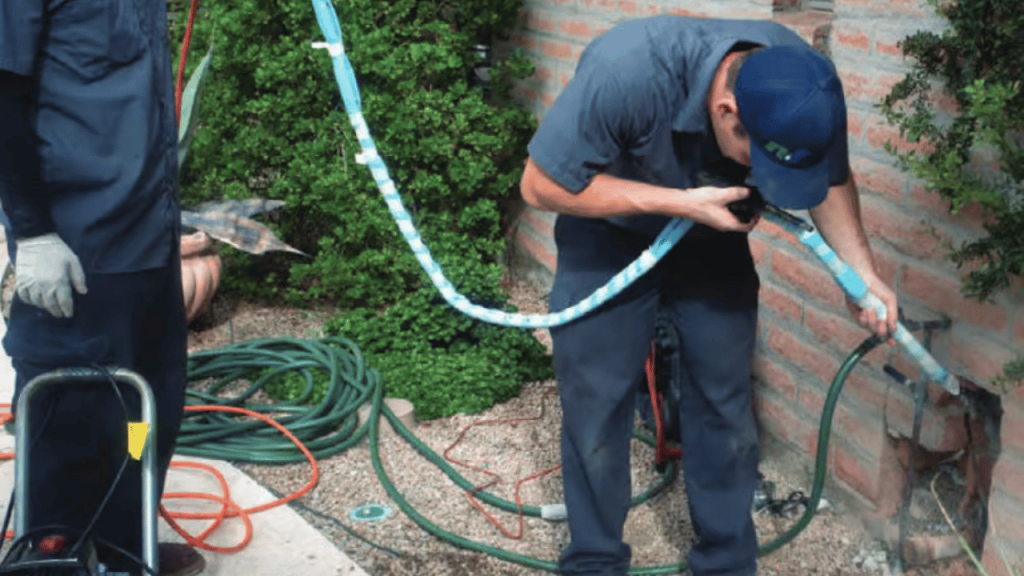
- Inserting and inflating. The resin-coated liner goes into the pipe and gets inflated with air pressure, pressing it tight against the walls so it takes the pipe’s shape.
- Curing. The resin hardens using heat or UV light into a solid layer, the new pipe inside the old. This is the cured-in-place part of CIPP. Our trenchless pipe lining guide walks through the curing in more depth if you want it.
- Final camera check. A second pass confirms the liner seated right and the flow is back before anyone calls it done.
If you want the technical side of surface prep and adhesives, the U.S. Environmental Protection Agency publishes detailed guidance on cast iron lining and replacement methods.
Why Choose Cast Iron Pipe Lining?
Here are some reasons why cast iron pipe lining might be the right choice for you:
- It’s Cheaper: Lining the pipes is much less expensive than replacing them completely. You avoid the cost of digging up your yard or home.
- Less Mess: Because there’s no digging involved, it’s a cleaner and faster process. Your daily life won’t be disrupted as much.
- It Lasts Long: Once the liner is in place, it can last for many years, reducing the need for future repairs.
- It’s Environmentally Friendly: Since there’s no need to replace the pipes or dig up your property, lining is a more eco-friendly option.
- It Works for Many Issues: Whether your pipes have small cracks, leaks, or are simply old, lining can fix many problems without needing a full replacement.
Why People Pick Lining Over Replacement
For most aging cast iron, lining is just the practical move. You skip digging up the yard or breaking the slab, so the job is cleaner and faster and your week is not wrecked. The cured liner lasts decades, mature trees and landscaping stay where they are, and it handles the common failures: cracks, leaks, corrosion, and roots at the joints.
That said, it is not magic, and the honest version matters here.
Lining vs Replacement, the Honest Comparison
| Factor | Cast Iron Lining | Full Replacement |
|---|---|---|
| Cost | About 30% less than replacement | Highest, especially a whole-house repipe |
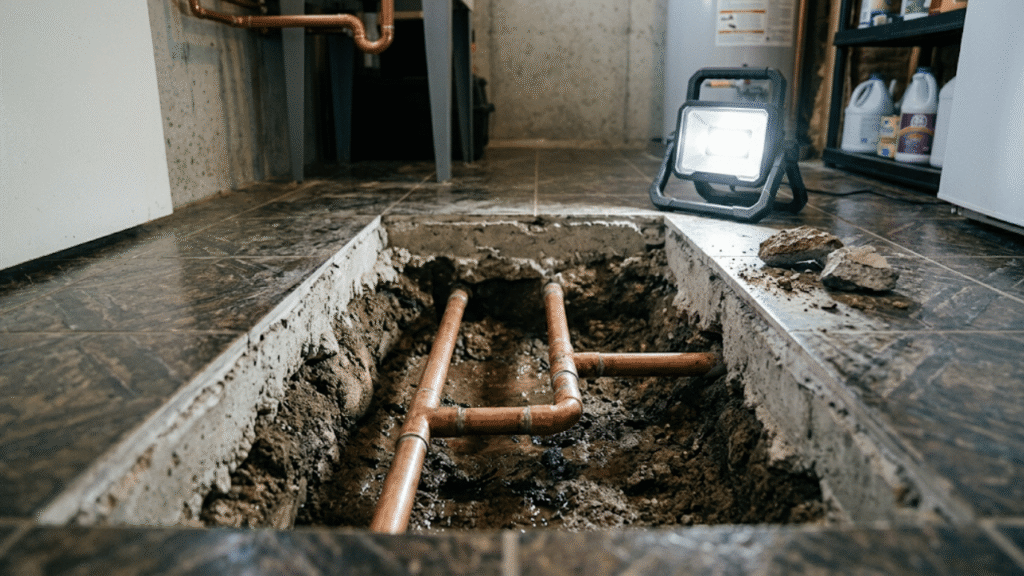
| Digging | Minimal, no trench | Excavation needed |
| Time | Often 1 to 2 days | Days to weeks |
| Yard impact | Minimal | Significant |
| Best for | Pipe that still holds its shape | Collapsed or crushed pipe |
A full cast iron repipe ranges from the low thousands for a single line up to $25,000 to $90,000 for a large whole-house job, depending on the home’s size and how hard the pipe is to reach. Lining the same system usually runs about 30% less (as of Q2 2026). What you actually pay depends on what the camera finds.
Here is the catch worth knowing before you get attached to the idea: lining only works if enough of the original pipe is left for the liner to grab onto. If the camera shows the cast iron has fully collapsed or crushed, there is nothing to line, and replacement is the real answer even though it costs more and tears things up. That is not a sales pitch in either direction, it is just what the pipe’s condition dictates, and the inspection is what settles it.
Should You Try It Yourself?
Honestly, no. This is not a stubbornness-about-DIY thing, it is that lining needs a camera, cleaning equipment, the correct resin, and the experience to seat and cure the liner properly. Get any of that wrong and you have a failed liner and a bigger mess than the crack you started with. In Texas it is also licensed work. This one belongs with a plumber.
Why It Hits Older DFW Homes Specifically
A big chunk of the DFW area’s pre-1980 housing still runs on its original cast iron, and that pipe is now at or past its expected life. Established neighborhoods across Dallas, Garland, Richardson, and the Park Cities are full of these systems. The region’s expansive clay soil shifts with the seasons and mature trees go looking for water, and both put extra stress on old joints. For a homeowner, lining is often the difference between extending a working system by decades and digging up a lawn that took twenty years to fill in.
If you are not sure how old your line is or what shape it is in, that is exactly what a camera inspection answers. You can reach Nuflow DFW at (469) 701-0597 to set one up.
Frequently Asked Questions
What is cast iron pipe lining?
It is a trenchless repair that rebuilds a damaged cast iron pipe from the inside. An epoxy-coated liner is inserted into the existing pipe, inflated, and cured into a hard, seamless pipe within the old one. It seals cracks and leaks and lasts more than 50 years, all without digging the old pipe out.
How long does cast iron pipe lining last?
A properly installed liner is rated for over 50 years. Because the cured surface is seamless and corrosion-resistant, it avoids the rust and root intrusion at the joints that kill the original cast iron. In practice, the lined pipe often outlasts what it replaced.
Is lining really cheaper than replacement?
Usually by around 30%, mostly because you skip excavation and the cost of putting your yard, slab, or driveway back together afterward. A whole-house cast iron repipe can climb to $25,000 to $90,000 depending on size and access (as of Q2 2026), and lining the same system comes in well under that. Actual cost depends on what the inspection finds.
Can every cast iron pipe be lined?
No. Lining needs enough original pipe left for the liner to bond to. A cracked or corroded pipe that still holds its shape is a good candidate. A fully collapsed or crushed one cannot be lined and needs replacement. A camera inspection is the only way to know which one you are dealing with.
Does lining stop tree roots from coming back?
Yes. Roots get into cast iron through cracked or separated joints, and the cured liner forms one continuous jointless surface with no gaps to push through. Closing off those entry points is a big part of why a lined pipe tends to outlast the original.
How long does the job take?
Most residential lining jobs wrap up in one to two days, including the inspection, cleaning, install, and curing. Full replacement with excavation can stretch into several days or weeks by comparison.