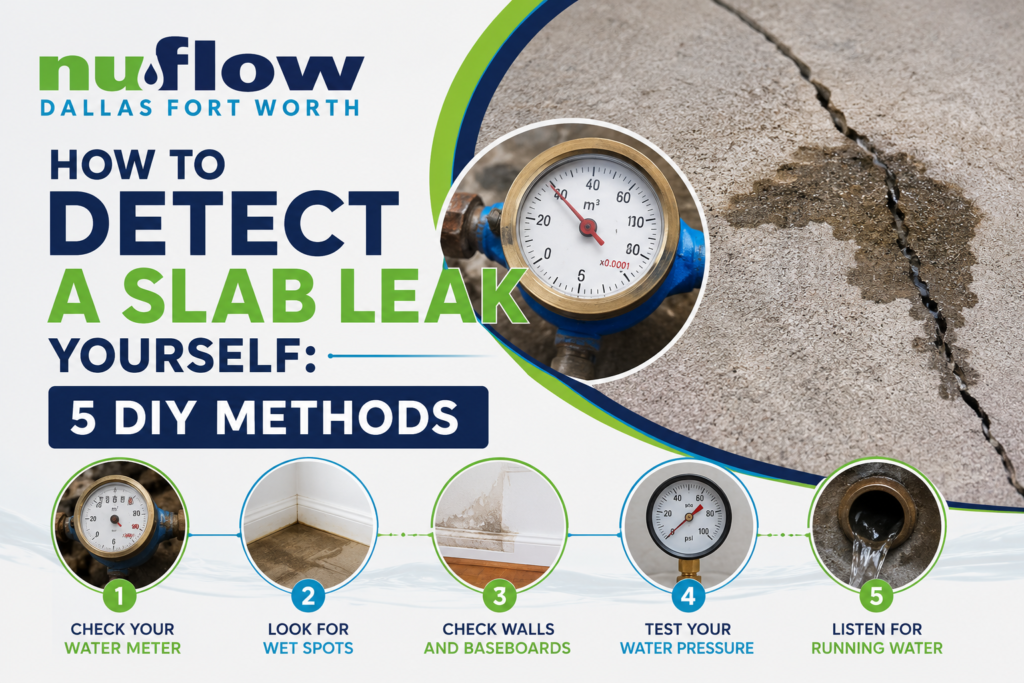
To detect a slab leak yourself, start with the water meter test: shut off every water source in the house and check whether the meter is still ticking. If it is, you’ve got a hidden leak. From there, listen for running water with everything off, feel the floor for warm spots, watch your water bill and pressure, and look for damp flooring or new cracks. These five DIY methods can confirm whether you have a slab leak, even though pinpointing the exact spot usually takes a plumber’s acoustic gear.
A slab leak is one of those problems that hides until it gets expensive. The pipes run under your concrete foundation, out of sight, so a leak can quietly soak the ground beneath your house for months before you notice anything. The good news: you don’t need fancy equipment to figure out whether you have one. A few simple checks you can do this afternoon will tell you if something’s wrong under there, and most of them cost nothing.
One honest thing up front, because it’ll save you frustration: some of these methods tell you a leak exists, and others help you guess where it is. Confirming you have a leak is easy and DIY-friendly. Tracking it to the exact pipe under your slab is the part that usually needs a pro. Once it is located, see how long slab leak repair takes. Let’s walk through all five.
Quick Background: Why Slab Leaks Happen (Especially in Texas)
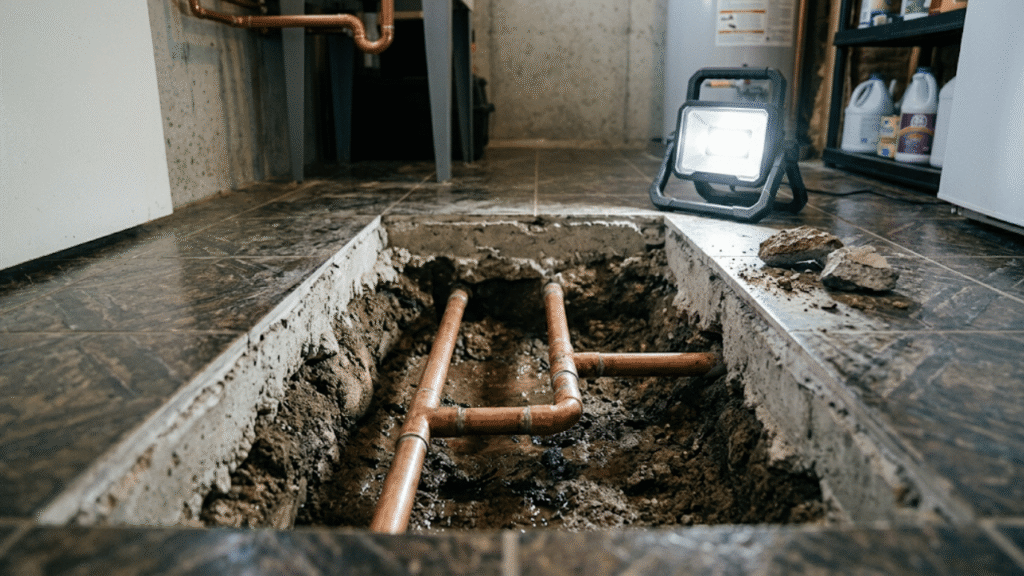
A slab leak is just a leak in one of the water pipes running beneath your home’s concrete foundation. They start for a few reasons: pipes corrode with age (older copper and galvanized lines especially), water pressure that’s too high wears them out, and the soil under the house shifts and stresses the pipes.
That last one is a big deal in North Texas. DFW sits on expansive clay soil that swells when it’s wet and shrinks when it’s dry, and our homes are built on slabs sitting right on that moving ground. All that seasonal movement tugs at the pipes underneath, which is why slab leaks are so common here, in brand-new builds and decades-old homes alike.
There are two flavors worth knowing about. A supply line leak is in a pressurized water pipe, so it tends to show more symptoms (and the methods below work well on it). A drain line leak is trickier because it isn’t pressurized, so it can erode the soil under your foundation for a long time before you get any obvious sign.
Method 1: The Water Meter Test (Start Here)
This is the single most reliable way to confirm a slab leak yourself, and it needs zero tools.
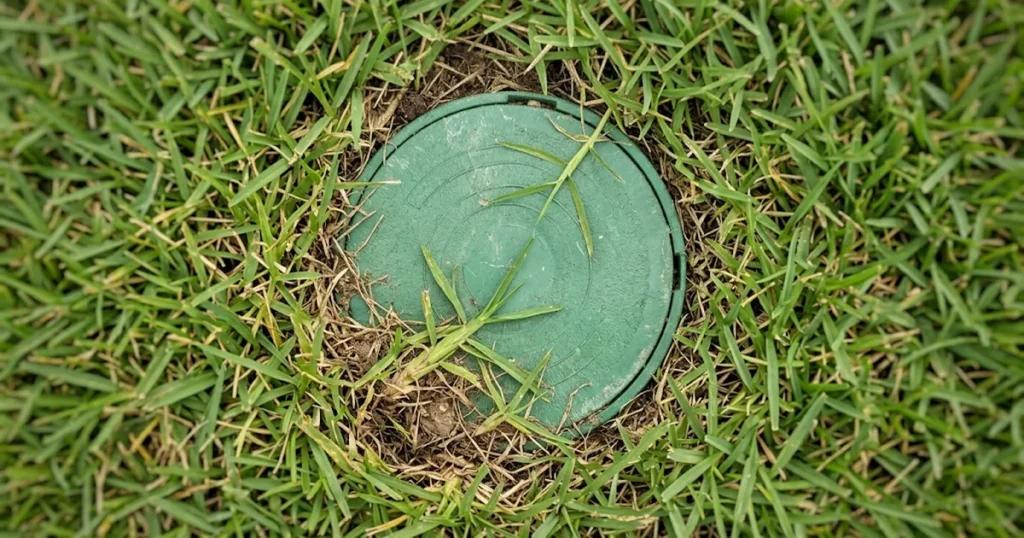
Turn off every water source in the house. Faucets, the dishwasher, the washing machine, and (people forget this one) the ice maker on your fridge. Now go find your water meter, usually in a box near the curb or along the street side of your property.
Look at the dial. Many meters also have a small triangular or star-shaped indicator that spins the moment any water flows. If everything in the house is off and that dial or indicator is still moving, water is escaping somewhere you can’t see, and a slab leak is a strong suspect.
Want to be extra sure it’s not a slow toilet or something indoors? Note the meter reading, wait an hour or two without using any water, and check it again. A higher number means water is moving with nothing turned on.
What it tells you: whether a leak exists. This is your yes/no test, and it’s the one I’d always start with.
Method 2: The Listening Test
Once you know water’s escaping, your ears can help narrow down where.
With everything still shut off, walk the house slowly and just listen. A steady hiss or the faint sound of rushing water where there shouldn’t be any is a real clue. Two spots are worth checking specifically: the line coming off your water heater, and the main line where it enters the house. A leak on the hot side often makes itself heard near the water heater.
You can turn your ears into a cheap stethoscope here. Press the metal tip of a long flathead screwdriver against the floor (or against an exposed pipe) and put your ear to the handle. It sounds silly, but it genuinely amplifies the sound of running water beneath the slab. Move around the floor and the sound usually gets louder as you get closer to the leak.
What it tells you: roughly where the leak might be. Not precise, but it points you in a direction.
Method 3: The Hot Spot Test
This one only works for hot water line leaks, but when it works, it’s almost too easy.
Walk around your floors in bare feet, especially over tile and concrete, and feel for any patch that’s noticeably warmer than the floor around it. Hot water escaping under the slab heats the concrete above it, creating a warm spot you can literally feel. Water heaters are often set around 140°F, so the temperature difference can be obvious.
Funny tip from real life: pets find these before people do. If your cat or dog has suddenly claimed a random spot on the floor as their new favorite napping place, go feel that spot. They’re drawn to the warmth.
Cold water leaks are harder this way, since there’s much less of a temperature difference to notice. So a warm spot is a strong clue, but no warm spot doesn’t rule a leak out.
What it tells you: where a hot water leak is, often surprisingly close.
Method 4: The Bill and Pressure Check
A couple of indirect signs back up everything above, and they don’t take any hunting.
First, look at your water bill. If your usage habits haven’t changed but the bill jumped, that extra water is going somewhere. According to the EPA’s WaterSense program, household leaks waste nearly 10,000 gallons of water a year, and a lot of that goes unnoticed until the bill or the damage shows up. Compare the last few months side by side; an unexplained climb is a red flag.
Second, pay attention to water pressure. A slow, steady drop in pressure across the whole house can mean water is escaping from a supply line before it reaches your faucets. If your showers and taps have gotten weaker for no clear reason, that fits the pattern. You can also pick up a screw-on water pressure gauge for about ten dollars, attach it to an outdoor faucet, shut off the main, and watch whether the reading drops, a handy way to catch leaks too small for the meter to show.
A few other tells in this same family: a water heater that seems to run constantly, or showers that suddenly run cooler than they used to (both point to hot water escaping underground).
What it tells you: whether a leak exists, and roughly how serious it is.
Method 5: The Visual and Smell Inspection
Finally, just look and sniff around. Your house drops hints once a leak has been going for a while.
Check your flooring for trouble. Tile can pop loose or feel “creaky” as the mortar lets go of damp concrete underneath. Carpet might feel inexplicably damp or squishy in one area. Hardwood can cup or warp. Any moisture showing up where there’s no plumbing fixture nearby is suspicious.
Use your nose, too. A musty, mildewy smell with no obvious source often means water is wicking up through the slab into your flooring or baseboards, and mold is starting to grow. Mold growth indoors can aggravate allergies and breathing problems, so it’s not just a smell to shrug off. Sometimes you smell a slab leak before you ever see it.
Then look at your foundation and walls. New cracks in tile or drywall, or doors and windows that have suddenly started sticking, can mean the wet soil under your foundation is shifting. One important caveat: foundations crack for plenty of reasons that have nothing to do with plumbing, so don’t assume. But if you’re seeing movement along with other signs on this list, a slab leak moves way up the suspect list.
What it tells you: where the damage is surfacing, which helps narrow the area.
What to Do If You Find One
If a couple of these methods line up and you’re fairly sure you’ve got a slab leak, here’s the move.
Shut off your main water valve (usually near the meter or where the line enters the house) to stop the bleeding and limit damage. Then resist the urge to “manage” it by turning water on only when you need it. People do this to stretch out the repair, and it backfires: every time you cut the water, dirt, sand, and grit get pulled back into the pipe, which can wreck fixtures throughout the house and make the eventual repair much bigger.
The faster you deal with a slab leak, the less it costs, because the real expense isn’t usually the pipe. It’s the foundation, flooring, and mold damage that piles up while a leak runs. If you’re unsure what you’re looking at, it’s worth having a licensed plumber take a look before the damage spreads; you can always reach out to a local pro once you’ve confirmed something’s wrong.
When DIY Isn’t Enough
Here’s the honest limit of doing this yourself. The five methods above are great at answering “do I have a slab leak?” They’re not great at answering “exactly which pipe, and exactly where under 1,800 square feet of concrete?” That second question is what a leak detection pro is for.
A licensed plumber uses acoustic listening equipment and sometimes infrared cameras to pinpoint the leak to within inches, without jackhammering your whole floor to find it. They’ll also map your plumbing lines so any repair (a spot fix, a reroute, or lining the pipe) is done in the least destructive way possible. That precision is the difference between opening up one small area and tearing up an entire room.
So think of it as a handoff: you confirm the leak cheaply and quickly with these DIY checks, and a pro handles the pinpointing and repair. If you’re in the DFW area and you’ve confirmed a leak but can’t locate it, a slab leak detection service can find the exact spot before anyone starts cutting concrete. Any licensed plumber with proper water leak detection equipment can do this.
Frequently Asked Questions
How do I detect a slab leak myself without tools?
The best no-tool method is the water meter test: shut off all water in the house, then check if the meter dial or its small triangular indicator is still moving. If it is, you have a hidden leak. Listening for running water and feeling the floor for warm spots also require no tools.
How can I tell if it’s a slab leak and not a regular leak?
Rule out visible sources first (toilets, faucets, under-sink pipes, the water heater). If those are dry but the meter still moves with everything off, the leak is hidden, and a pipe under the slab is a likely culprit, especially if you also notice warm floor spots or damp flooring.
What does a slab leak feel or sound like?
A hot water slab leak often creates a warm spot on the floor you can feel with bare feet. Many slab leaks also produce a faint hissing or rushing-water sound you can hear with everything off, sometimes amplified by pressing a screwdriver to the floor and listening through the handle.
Can a slab leak go away on its own?
No. A slab leak only gets worse over time as water keeps escaping and eroding the soil under your foundation. Ignoring it leads to higher water bills, mold, and foundation damage that costs far more than the pipe repair itself. Address it as soon as you confirm it.
How much does it cost to detect a slab leak?
DIY detection costs nothing beyond maybe a ten-dollar pressure gauge. Professional leak detection (using acoustic equipment to pinpoint the exact location) is a separate service that varies by home size and how hard the leak is to access. It’s worth it, since precise location means a smaller, cheaper repair.
Why are slab leaks so common in Texas?
North Texas sits on expansive clay soil that swells and shrinks with moisture, and homes here are built on slabs directly over that shifting ground. The constant movement stresses the water pipes beneath the foundation, which is why slab leaks show up in both new and old DFW homes.
Should I keep using water if I suspect a slab leak?
Shut off your main water valve once you’re fairly sure. Don’t try to “manage” the leak by turning water on and off, since cutting the water pulls dirt and grit back into the pipe and can damage fixtures throughout the house, turning a contained repair into a much bigger one.