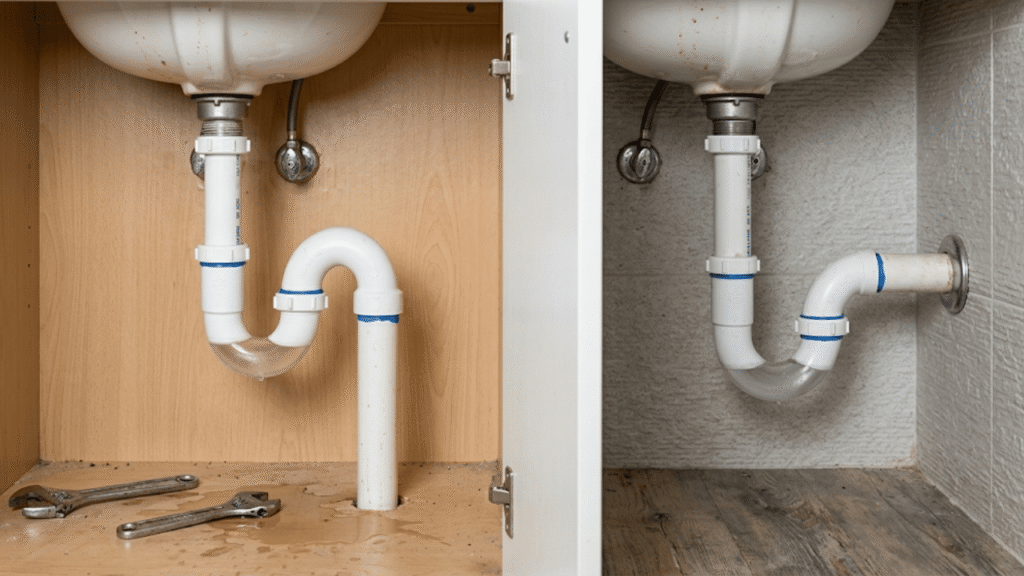
Bleach will not unclog a drain. It disinfects, but it does not dissolve the hair, grease, and soap scum that actually block a line, so it runs past the clog and does nothing. Pour it in and the drain stays blocked, minus whatever the bleach killed on the way through.
Two things follow from that. Bleach is the wrong tool for a clog, and it is a risky one to reach for while other cleaners are sitting in the pipe.
Will bleach unclog a drain?
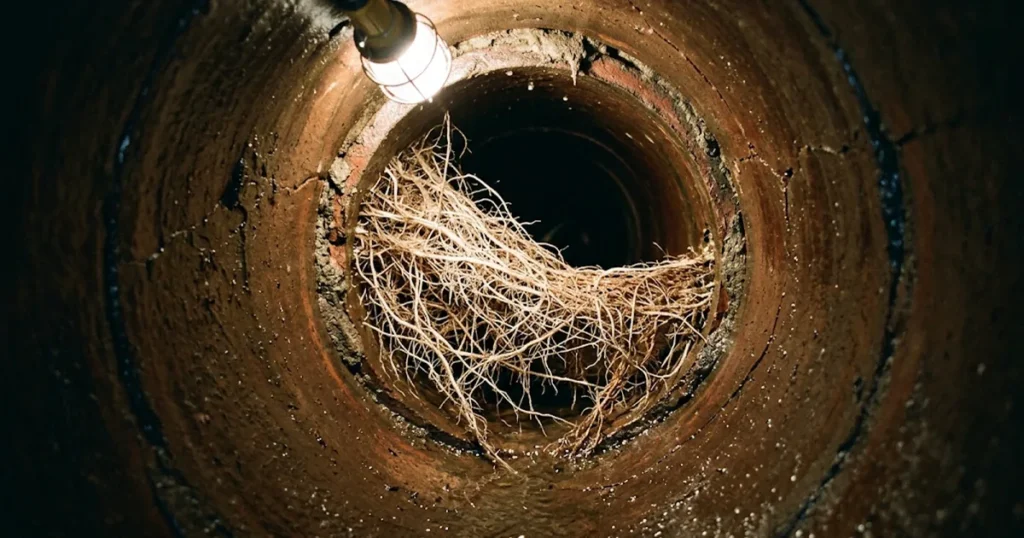
No. A clog is a physical mass, usually hair bound with soap scum in a bathroom line or congealed grease in a kitchen line. Clearing it requires dissolving or physically removing that mass. Bleach does neither.
Bleach is an oxidiser. It kills bacteria and breaks down the compounds that cause odour, which is why it works on surfaces. It has almost no effect on the structure of a hair-and-soap plug, and liquid bleach is barely denser than water, so it flows around and past a blockage rather than sitting on it.
The practical result is that people pour bleach in, wait, see no change, and pour in more. That is how a minor clog becomes a line full of chemicals that a plumber then has to work in.
Does bleach dissolve hair?
Not usefully. Household bleach will slowly degrade keratin with prolonged direct contact, which is why it damages hair on your head. In a drain it never gets that contact time or concentration, so a hair clog is still a hair clog an hour later.
This is worth stating plainly because it is the single most common assumption behind pouring bleach down a shower drain. If hair is the problem, the fix is mechanical: a drain claw, a small hand auger, or removing and clearing the trap.
Is bleach bad for pipes?
It depends on what your pipes are made of, and most articles get this wrong by claiming bleach corrodes all plumbing.
On PVC and ABS, diluted household bleach in normal quantities does very little. Plastic drain pipe is not meaningfully attacked by sodium hypochlorite at those concentrations.
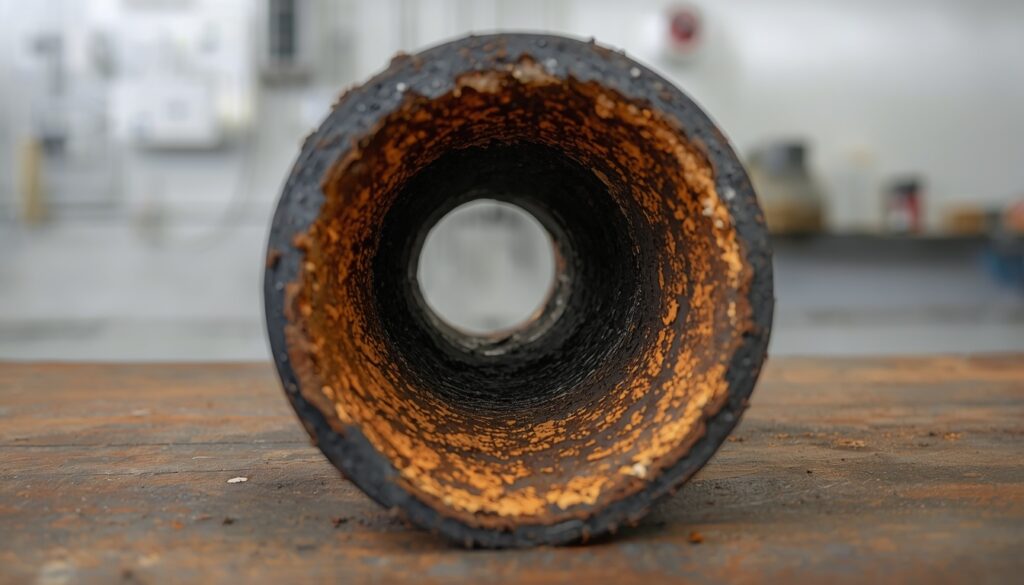
On metal, it is a real concern. Bleach accelerates corrosion in cast iron and older metal drain lines, which are already the pipes most likely to be thinning from the inside. It also degrades rubber gaskets and seals over repeated exposure.
On a septic system, quantity matters. Occasional diluted bleach reaching a septic tank is absorbed. Regular pouring kills the bacterial colony the tank depends on to break down waste.
This distinction matters more in DFW than in most markets. Homes plumbed before roughly 1980 here still run original cast iron, and those are exactly the lines where repeated bleach is worst. Newer PVC construction has less to worry about.
Call Nuflow DFW at (469) 701-0597 if a drain keeps blocking. Service is scheduled Monday to Friday, 9:00 a.m. to 6:00 p.m.
What should you never mix with bleach?
Never combine bleach with vinegar, with ammonia, or with any commercial drain cleaner. Each combination produces toxic gas in a confined space, and a sink cabinet or a shower stall is exactly that.
- Bleach and vinegar release chlorine gas. Both are common household items and people pour them into the same drain believing they are stacking two remedies.
- Bleach and ammonia produce chloramine vapour. Many glass and multi-surface cleaners contain ammonia.
- Bleach and commercial drain cleaner is the dangerous one, because drain openers are strongly acidic or strongly alkaline by design. Reactions can be violent as well as toxic.
The rule that covers all of it: if you have already put any product down a drain, do not put a second one in after it. Wait, flush thoroughly with water, and open a window. If a drain cleaner failed, adding bleach will not rescue it.
What to use instead on a smelly drain
Drain smell is almost always biofilm, a slimy bacterial layer coating the inside of the drain and the walls of the P-trap. Bleach kills the surface of it and leaves the layer in place, which is why the smell returns in days.
Removing the biofilm physically is what works:
- Brush the drain walls. A bottle brush or dedicated drain brush, worked a few inches down past the strainer, takes off the layer bleach only sterilises.
- Flush with hot water and dish soap. Soap emulsifies the grease the biofilm is anchored in. Very hot tap water is enough; boiling water can damage some plastic traps and seals.
- Use an enzyme drain treatment. Enzyme and bacterial products digest organic matter over hours rather than killing it on contact. They are safe for septic systems and for old metal pipe, and they address the cause.
- Check whether the trap has dried out. A drain that is rarely used loses the water seal in its P-trap, letting sewer gas into the room. Running water for thirty seconds fixes it, and no cleaner of any kind will.
Our guides on unclogging a drain naturally and baking soda and vinegar as a drain cleaner cover the home remedies and, honestly, where they fall short.
If the smell is in several drains at once, or smells specifically of sewage rather than staleness, that is not a cleaning problem. See sewer smell in the house and rotten egg drain smell.
Will bleach kill drain flies?
It kills the adults it touches and does nothing about the problem. Drain flies and fungus gnats breed in the biofilm, and eggs and larvae sit inside that layer where poured bleach does not reach.
They come back within a week or two because the breeding surface is intact. Scrubbing the drain walls and following with an enzyme treatment removes the habitat, which is what actually ends the cycle.
When bleach is fine
It has legitimate uses, and pretending otherwise is the kind of overstatement that makes people ignore the rest of the advice.
Diluted bleach is reasonable for disinfecting a clear, unclogged drain occasionally, and it is fine on sinks, tubs, and surfaces around the drain. What it is not is a drain opener, a deodoriser that lasts, or something to pour into a line that is already blocked or already has another product in it.
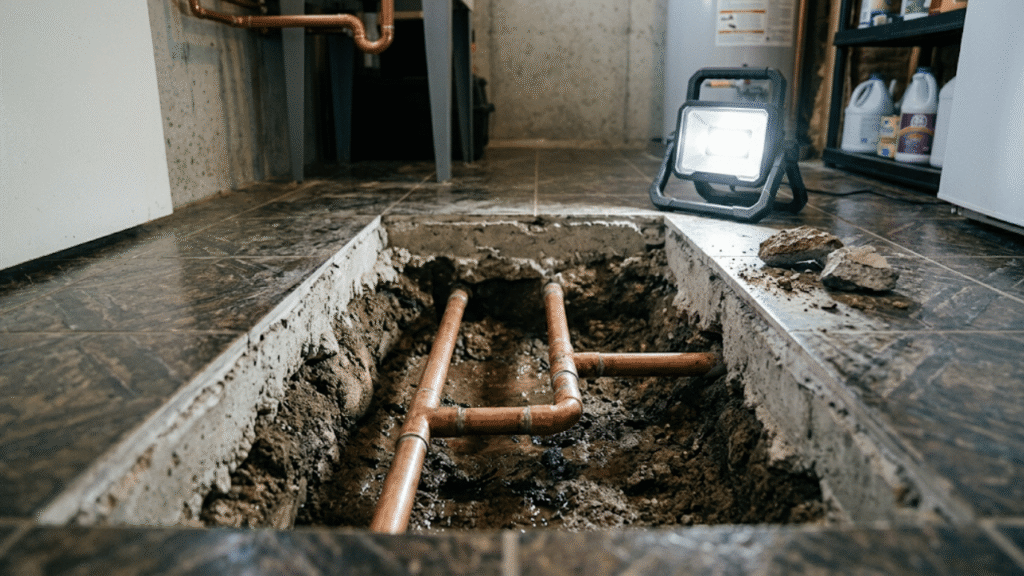
Honest limitation on our own advice: none of the above helps a line that is failing structurally. A drain that blocks repeatedly in the same place is catching on something, and no cleaner of any kind fixes that. See signs of sewer line problems for what that looks like.
What a plumber does instead
Two methods, chosen by what is in the line.
Drain cleaning with a cable or auger cuts through and pulls out the blockage. Starts at $150+ (as of Q3 2026).
Hydro jetting uses high-pressure water to strip the pipe walls back to bare, removing grease, scale, and biofilm rather than punching a hole through them. Starts at $350+ (as of Q3 2026).
The difference between the two is covered in drain clearing versus drain cleaning. If the same line keeps blocking after either, a camera inspection at $250+ is what tells you why.
Frequently asked questions
Can you pour bleach down the drain?
Occasionally and diluted, into a drain that is clear, yes. Into a blocked drain, no. Bleach does not dissolve hair, grease, or soap scum, so it will not clear the clog, and it accelerates corrosion in cast iron and older metal lines with repeated use.
Will bleach unclog a drain or a toilet?
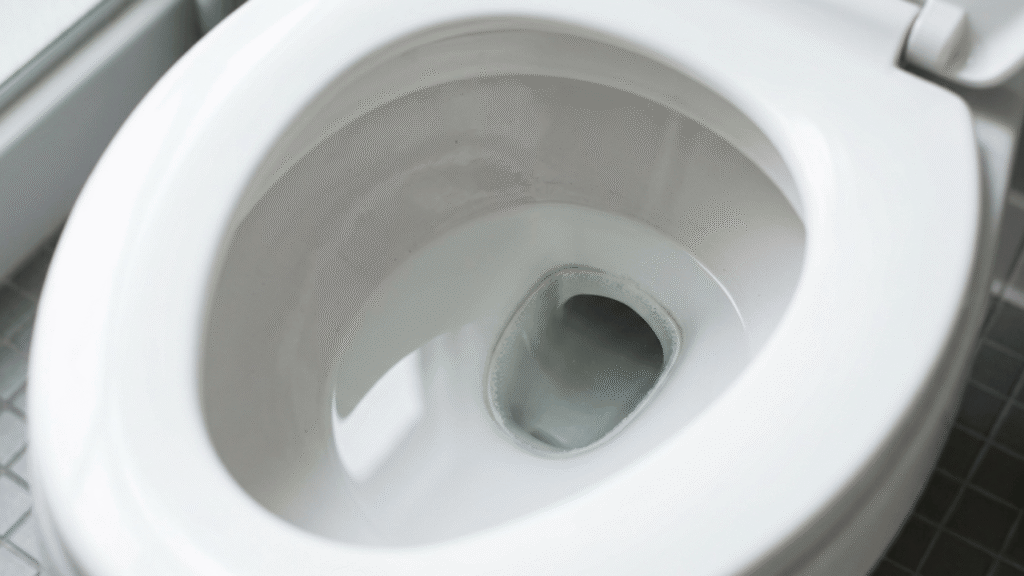
No. Clogs are physical masses of hair, grease, or paper, and bleach is a disinfectant rather than a solvent. It flows past the blockage without breaking it down. A plunger, an auger, or a plumber is what clears a clog; bleach only sterilises what it passes.
Does bleach dissolve hair in a drain?
Not in any practical sense. Bleach degrades keratin very slowly and only with sustained direct contact at concentration, neither of which happens in a drain. A hair clog needs mechanical removal, whether that is a drain claw, a hand auger, or clearing the trap.
Is it safe to mix vinegar and bleach in a drain?
No. Bleach and vinegar react to release chlorine gas, which is dangerous in an enclosed space like a bathroom or a sink cabinet. The same applies to bleach with ammonia or with any commercial drain cleaner. Never put a second product into a drain after a first.
What is the best way to clean a smelly drain?
Remove the biofilm rather than disinfecting it. Brush the drain walls a few inches down, flush with hot water and dish soap, then use an enzyme treatment that digests the organic layer. If several drains smell at once, the problem is venting or the sewer line, not the drains.
Does bleach hurt PVC pipes?
Diluted household bleach does very little to PVC or ABS drain pipe. The concern is metal: bleach accelerates corrosion in cast iron and degrades rubber seals over repeated exposure. Pre-1980 homes in DFW commonly still have cast iron, which makes it worse advice here than elsewhere.
Can I use bleach in an air conditioner drain line?
That is a different system and a different question. AC condensate lines are HVAC rather than plumbing, and practice varies on whether bleach or vinegar is appropriate there. Ask your HVAC contractor rather than applying drain advice to it.
What to do next
If a drain is slow or blocked, the useful step is mechanical, not chemical. Clear the trap, use an auger, or call someone with a cable.
If the same drain keeps blocking after being cleared, stop clearing it and find out why. Call Nuflow DFW at (469) 701-0597 or use the contact page to book a camera inspection.
Ryan King holds a Texas Responsible Master Plumber license, RMP# 46694. Under Texas Occupations Code Chapter 1301, sewer line work is licensed in this state.