Epoxy pipe lining costs $80 to $250 per linear foot in 2026, which works out to roughly $5,000 to $15,000 for a full residential sewer lateral. Smaller sectional repairs start lower, often in the $2,500 to $5,000 range, and Nuflow DFW pipe lining starts at $3,500+ (as of Q2 2026). The final number depends on pipe diameter, length, depth, and access, which is why a camera inspection comes before any real quote.
If you have been quoted for a pipe repair and want to know whether the number is fair, the per-foot rate is the figure to focus on. It is how the industry actually prices this work, and it makes wildly different quotes comparable. This guide breaks down 2026 pricing by pipe size, what pushes a quote up or down, how lining compares to full replacement, and when lining is the wrong choice.
What Epoxy Pipe Lining Is
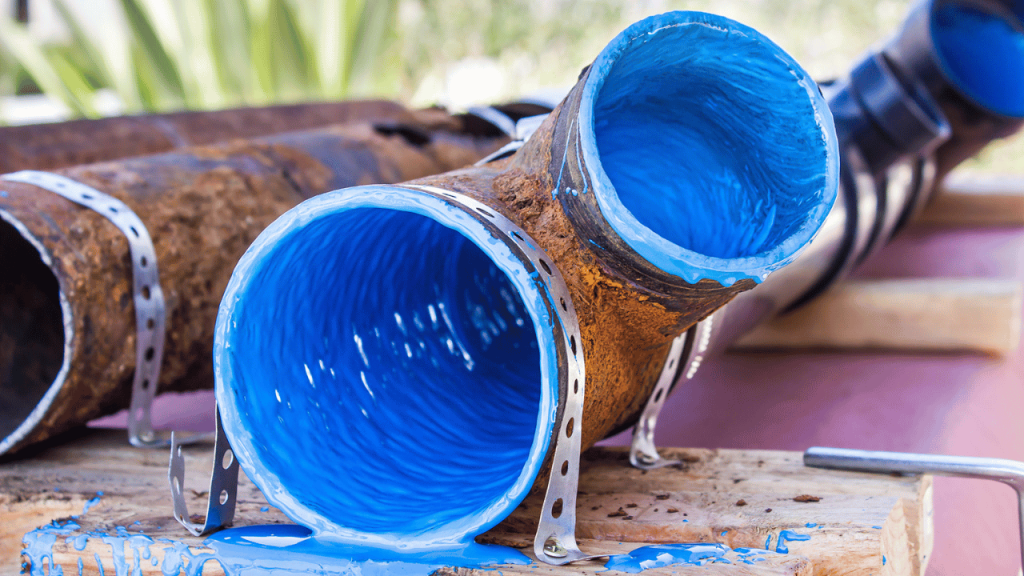
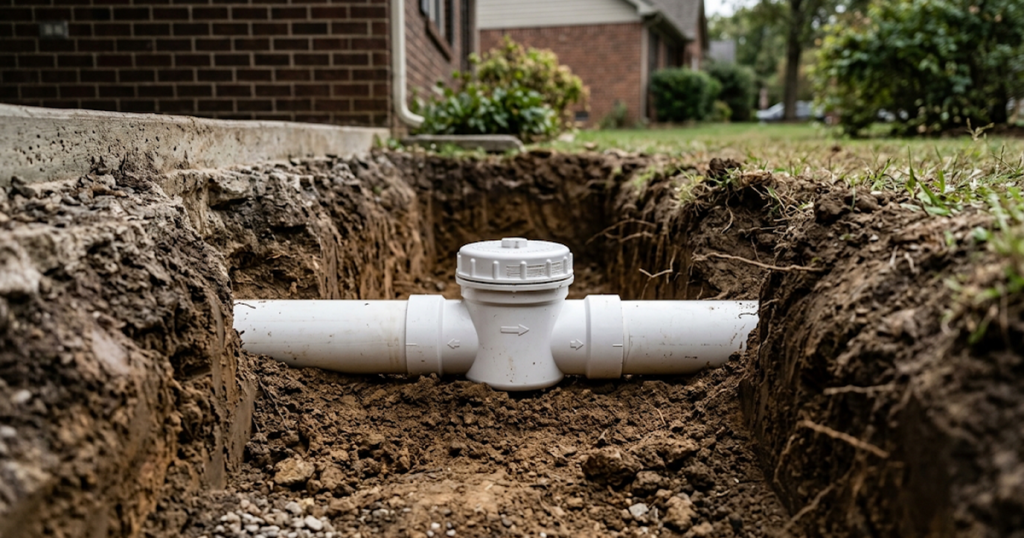
Epoxy pipe lining repairs a damaged pipe from the inside instead of digging it out. A resin-saturated liner is pulled or inverted into the existing pipe, then cured in place, forming a smooth new pipe inside the old one. Because the original pipe stays in the ground and acts as the host, no trench is needed across your yard, slab, or driveway.
You will see this same method called several different names, and they refer to the same family of work: pipe lining, sewer pipe lining, pipe relining, and CIPP, short for cured-in-place pipe. Some contractors quote “epoxy coating” or “spin casting,” which sprays resin onto the pipe wall rather than installing a liner. Those are related but not identical, and they are priced differently, so it is worth asking which method a quote covers.
Once cured, a properly installed liner seals cracks, blocks root intrusion at joints, and restores flow. Quality systems are designed for a 50-year service life.
Epoxy Pipe Lining Cost Per Linear Foot in 2026
Per-foot pricing is the industry standard, and 2026 rates are consistent across the country. Pipe diameter is the biggest driver, since a larger pipe needs more liner material and heavier equipment. The figures below align with published 2026 CIPP cost data from NuFlow Technologies, the manufacturer behind the lining systems used across the industry.
| Pipe size and use | 2026 cost per linear foot |
|---|---|
| Small residential lateral (3 to 4 inch) | $80 to $200 |
| Standard residential line (4 to 6 inch) | $100 to $250 |
| Light commercial or multi-unit (6 to 8 inch) | $100 to $300+ |
| Large building or site drain (8 inch and up) | $150 to $350+ |
2026 national ranges. Nuflow DFW pipe lining starts at $3,500+ (as of Q2 2026). Final cost depends on inspection findings, depth, and access. Call (469) 701-0597 for a quote on your line.
One thing worth knowing before you compare bids: shorter jobs cost more per foot than longer ones. Setup, cleaning, and equipment costs are fixed, so they spread across however many feet get lined. A 20-foot spot repair might land near $250 per foot while a 60-foot run drops closer to $150. A per-foot rate alone tells you very little until you know the length.
What a Full Project Costs
Most single-family sewer laterals run 30 to 75 feet from the house to the city connection. At the rates above, that puts a typical full-lateral lining project at $5,000 to $15,000 in 2026.
| Project scope | Typical 2026 total |
|---|---|
| Small sectional repair | $2,500 to $5,000 |
| Full residential sewer lateral (30 to 75 ft) | $5,000 to $15,000 |
| Long runs (75 to 150+ ft) or complex layouts | $15,000+ |
| Camera inspection (diagnostic, before quoting) | $250+ |
Those ranges usually include basic cleaning, liner installation, curing, and a post-lining inspection. What they often do not include is heavy root cutting or descaling on a badly obstructed line, permits, or restoration if an access pit is needed. Two quotes with similar per-foot rates can end up thousands apart depending on what is bundled, so ask for the scope in writing.
What Drives the Price Up or Down
Length and diameter set the baseline, as the table above shows.
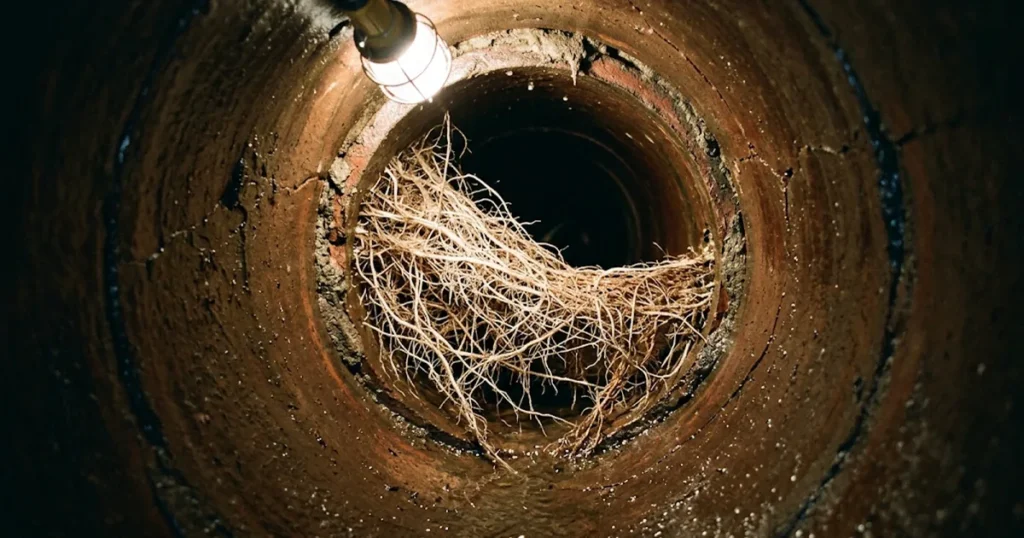
Pipe condition matters more than most people expect. A line with cracks and light scale lines cleanly. A line packed with roots or heavy mineral scale needs aggressive cleaning first, sometimes hydro jetting, before a liner can bond properly. That prep is real labor and shows up in the quote.
Access is the quiet cost driver. An existing cleanout at both ends makes the job straightforward. No cleanout means creating an access point, and if that point sits under a driveway, patio, or slab, restoration costs follow.
Depth and layout add up too. A deep line, multiple bends, or several branch connections all take more time and more careful liner work than a straight shallow run.
Permits and inspection requirements vary by city across the Metroplex and can add to the total on larger jobs.
Cast Iron Pipe Lining: The DFW Case
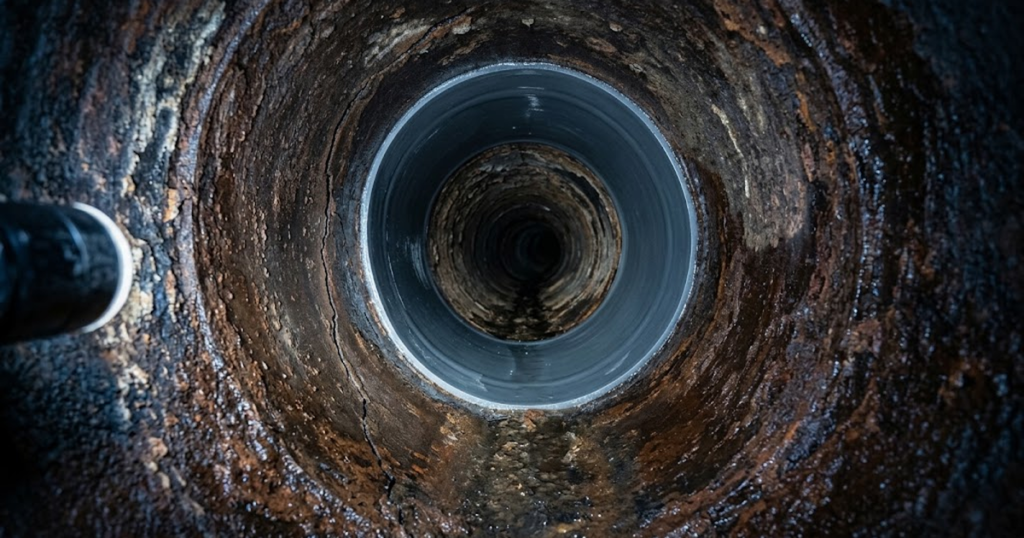
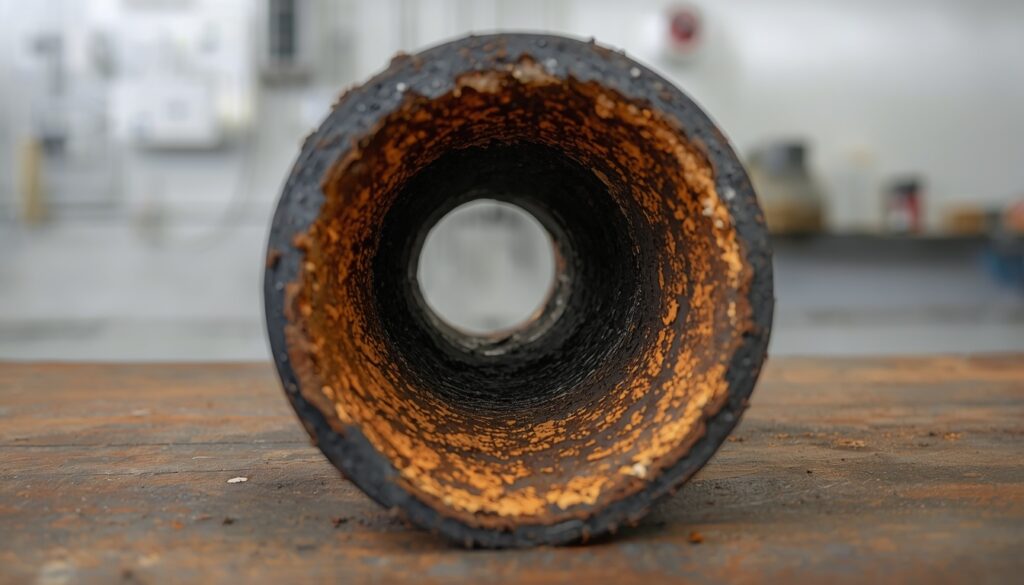
Lining is especially relevant to cast iron, and that matters a lot in North Texas. Homes built from the 1950s through the 1970s across older Dallas neighborhoods were plumbed with cast iron drain lines, and those pipes corrode from the inside. Decades of rust narrow the channel, roughen the wall so debris snags, and eventually open cracks at the weakest points.
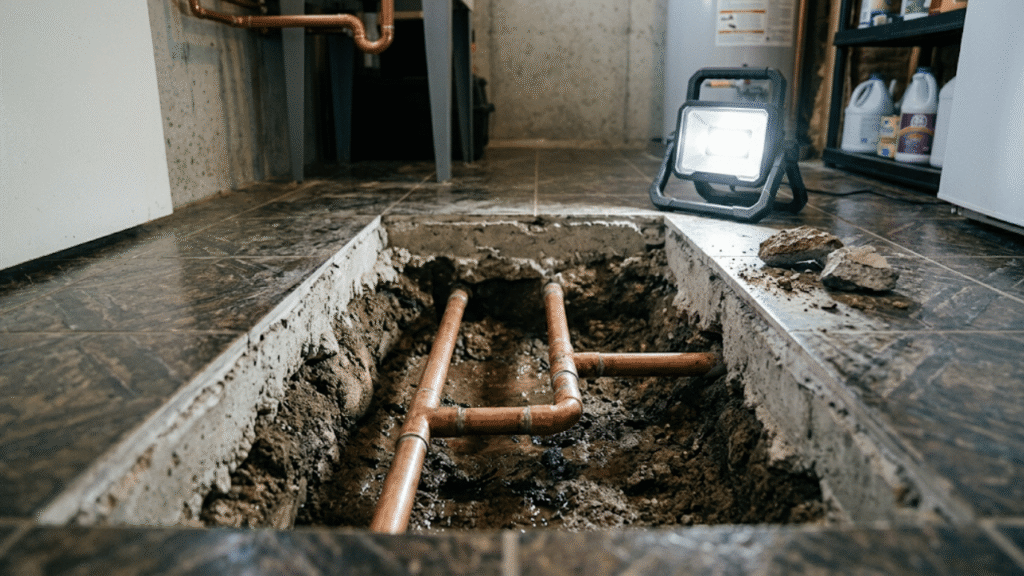
Cast iron pipe lining is often the better answer than replacement for these homes, because the failing pipe usually runs under a slab foundation. Replacing it means breaking concrete inside the house; lining it means restoring the pipe through an existing access point and leaving the slab intact. Cast iron lining is priced on the same per-foot basis as any other line, though heavily scaled pipe needs more cleaning first.
There is an honest limit here. Lining needs a structurally sound host pipe. Cast iron that has rusted through completely, collapsed, or lost its shape cannot be lined, because there is nothing solid left to line against. A sewer camera inspection is what separates the two situations, and it is the step that should come before any quote.
Epoxy Pipe Lining vs Traditional Pipe Replacement
| Factor | Pipe lining (CIPP) | Traditional replacement |
|---|---|---|
| Method | Resin liner cured inside the existing pipe | Old pipe excavated and removed, new pipe installed |
| Property disruption | Access points only, little to no digging | Trenching through yard, driveway, or slab |
| Typical timeline | 1 to 2 days for most residential jobs | Several days to over a week |
| Restoration cost | Minimal | Landscaping, concrete, and interior repairs often required |
| Service life | 50+ years for quality systems | 50 to 100 years depending on material |
| Best for | Cracked, rooted, or corroded pipe that still holds its shape | Collapsed, severely sagging, or misaligned pipe |
The comparison people get wrong is looking only at the headline number. Excavation can show a lower base cost, but the restoration afterward, replacing sod, driveway concrete, patio, or interior flooring, is where the total climbs. Once restoration is counted, trenchless methods commonly run 30 to 50 percent below dig-and-replace. On a property with mature landscaping or a finished driveway, that gap widens.
When Lining Is Worth It, and When It Is Not
Lining makes sense when the host pipe is intact enough to line: cracks, leaking joints, root intrusion, and corrosion are all good candidates, and it is especially compelling when digging would mean tearing up a slab, driveway, or established landscaping.
Lining is the wrong call when the pipe has collapsed, sagged into a belly that holds standing water, or shifted badly out of alignment. A liner follows the shape of the host pipe, so it cannot correct a grade problem or bridge a missing section. In those cases, trenchless pipe repair and replacement options or excavation are the honest recommendation, even though they cost more. Anyone who quotes lining without looking inside the pipe first is guessing.
For city-specific pricing, our breakdown of trenchless sewer repair cost in Frisco walks through the same math for a single market.
Frequently Asked Questions About Pipe Lining Cost
How much does epoxy pipe coating cost?
Epoxy coating and spin casting, where resin is sprayed onto the pipe wall rather than installed as a liner, generally run in the same $80 to $250 per linear foot range as CIPP lining, though pricing varies by method and pipe size. Ask any contractor to specify which method a quote covers, since the terms get used interchangeably.
What is epoxy lining for pipes?
Epoxy lining is a trenchless repair that restores a pipe from the inside. A resin-saturated liner is inserted into the damaged pipe and cured in place, forming a new seamless pipe within the old one. It seals cracks, blocks root intrusion, and restores flow without excavating the yard, slab, or driveway.
Why is pipe relining so expensive?
The per-foot price reflects specialized equipment, the resin liner itself, thorough pipe cleaning before installation, and skilled installation and curing. The fair comparison is not lining versus doing nothing, it is lining versus excavation plus restoration. Once you count replacing sod, concrete, and interior finishes, lining usually costs less overall.
How much does it cost to reline a drain pipe?
Relining a drain pipe costs $80 to $250 per linear foot in 2026, so a short sectional repair often lands between $2,500 and $5,000 while a full residential line runs $5,000 to $15,000. Diameter, length, depth, access, and how much cleaning the pipe needs first all move the number.
How long does epoxy pipe lining last?
Quality cured-in-place pipe systems are designed for a service life of 50 years or more. Longevity depends on correct installation, proper curing, and the condition of the host pipe, which is another reason the camera inspection beforehand matters as much as the lining itself.
Can any pipe be lined, or does it need replacing?
Lining requires a structurally sound host pipe. Cracked, leaking, corroded, or root-invaded pipe that still holds its shape can usually be lined. Pipe that has collapsed, developed a sagging belly, or shifted out of alignment cannot, since a liner follows the existing shape. A camera inspection determines which situation applies.
The Bottom Line
For 2026, budget $80 to $250 per linear foot for epoxy pipe lining, which puts most full residential sewer laterals between $5,000 and $15,000. Judge quotes on the per-foot rate and what is bundled into it, not just the total, and remember that shorter jobs carry a higher per-foot cost because fixed setup costs spread across fewer feet.
The step that decides everything is looking inside the line first. Nuflow DFW is licensed by the Texas State Board of Plumbing Examiners (RMP# 46694) and quotes the method after a camera inspection, not before. Call (469) 701-0597 for an inspection and a written estimate on your line.