Most people don’t think about their sewer line until something starts going wrong. Everything seems fine one day, and the next day you’re dealing with slow drains, strange smells, or water backing up where it shouldn’t. These issues can feel small at first, but they often point to a bigger problem underground.
The tricky part is that sewer line issues don’t always show up in obvious ways. Sometimes the signs are easy to miss or get ignored until the situation gets worse. What could have been a simple fix can quickly turn into a messy and expensive repair if left untreated.
That’s why it’s important to pay attention to early changes in how your plumbing behaves. In this guide, we’ll walk through the most common signs to watch for and what they usually mean, so you can take action before things get out of hand.
What Are Sewer Line Problems?
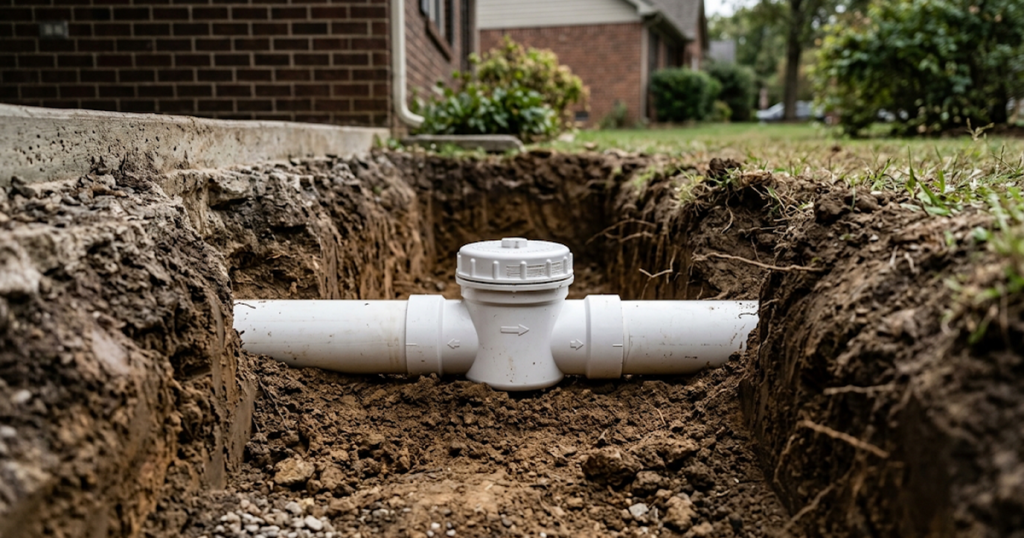
Your sewer line is the main pipe that carries wastewater away from your home, and systems like these are part of a larger waste management setup explained by the EPA. Every time you flush the toilet, run the sink, or use the shower, that water flows through this line. When it’s working properly, you don’t even notice it.
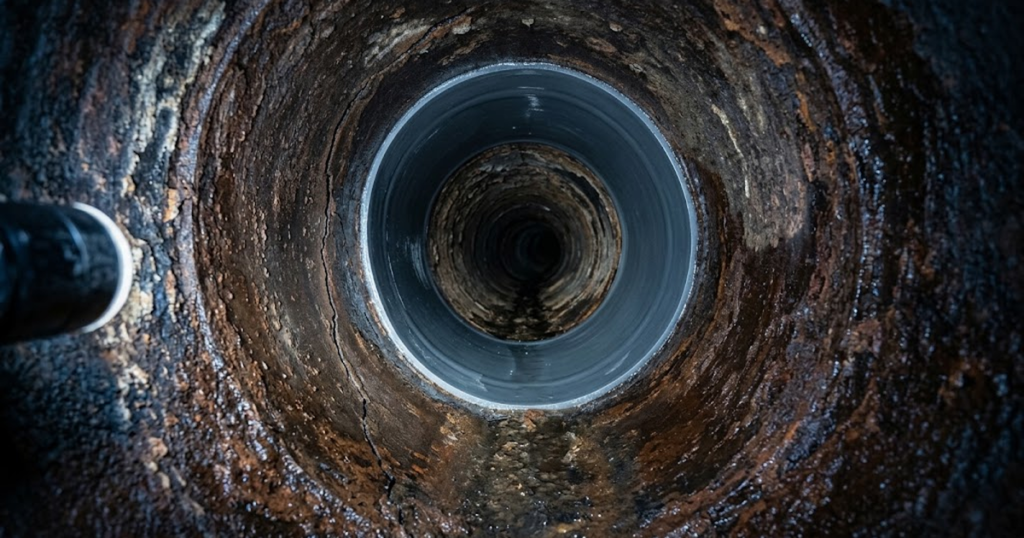
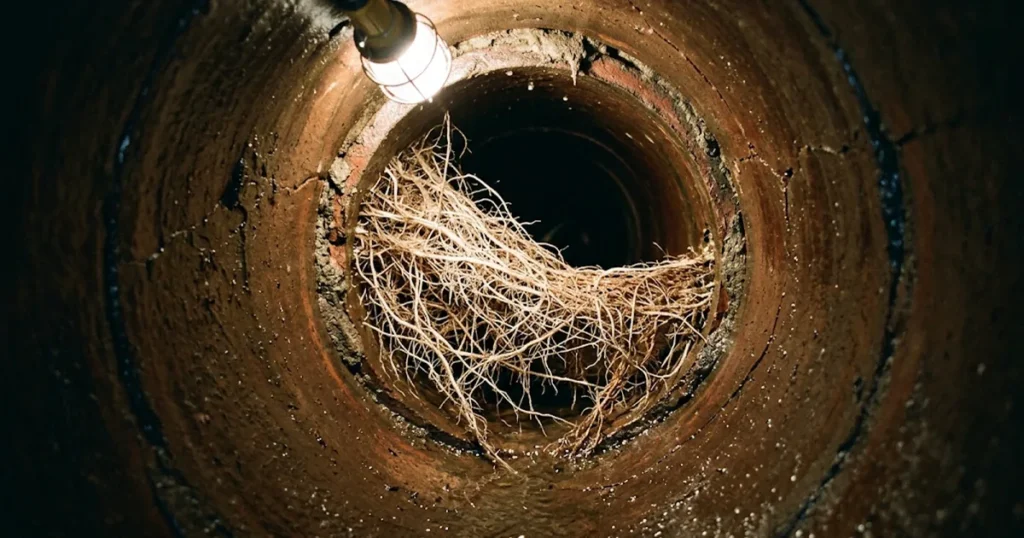
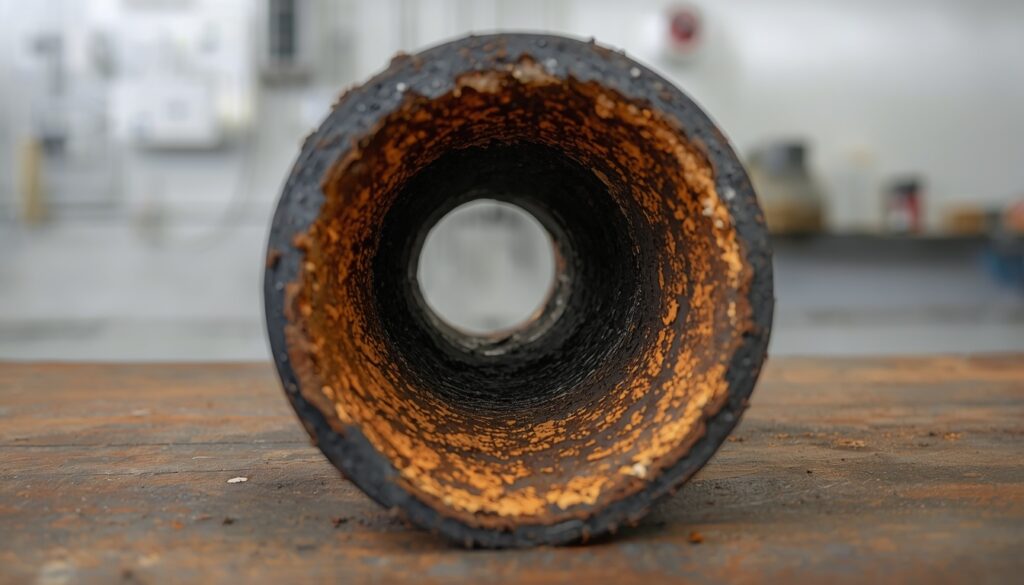
Sewer line problems happen when this pipe gets blocked, damaged, or worn out over time. Things like grease buildup, tree roots, or old pipes can slow down the flow or stop it completely. In some cases, the pipe can crack or collapse, which makes the problem more serious.
The reason these issues matter is because they affect your entire plumbing system. Instead of just one drain acting up, multiple fixtures can start having problems at the same time. That’s usually a sign that the issue is deeper in the system, not just a simple clog.
Signs of Sewer Line Problems
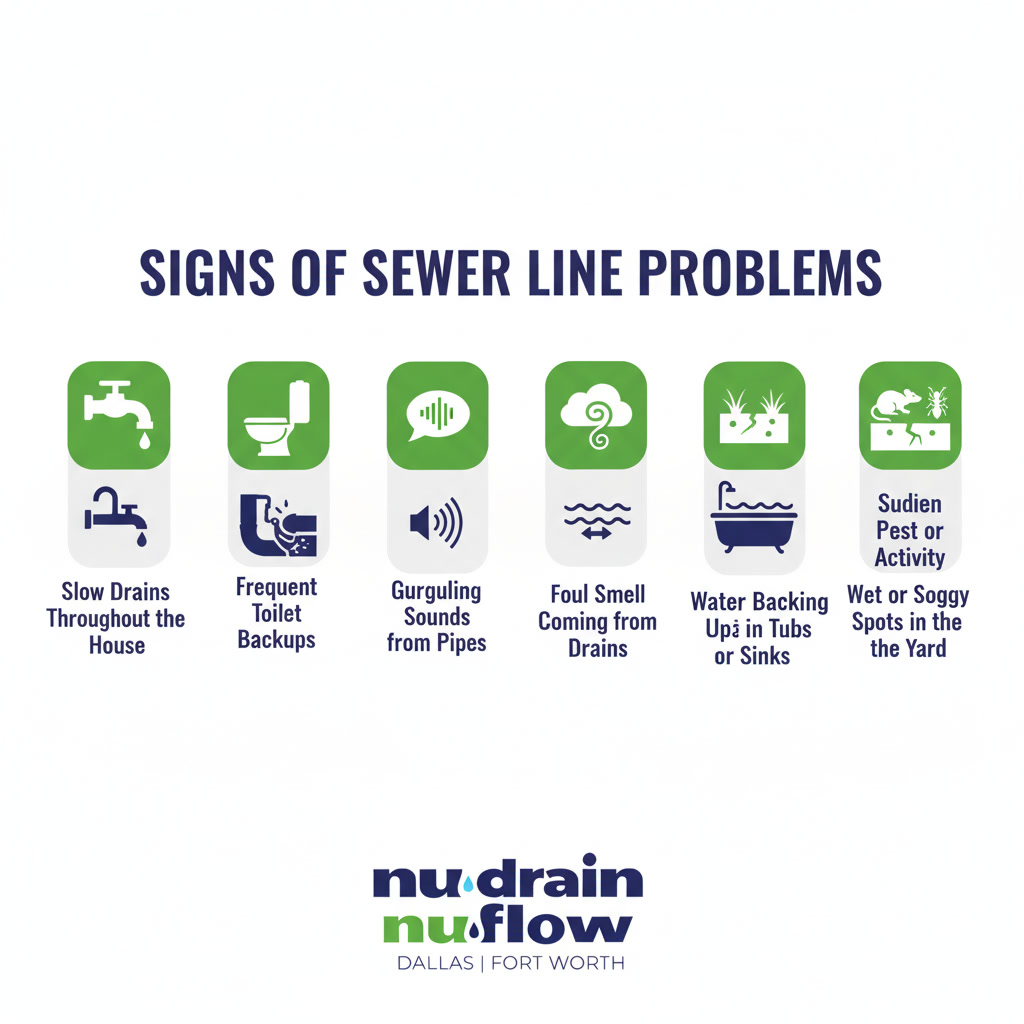
This is the part you don’t want to ignore. Sewer line issues usually don’t show up all at once. They start small and slowly get worse over time. If you know what to look for, you can catch the problem early and avoid a major mess later on.
Below are some of the most common signs that something is wrong deeper in your plumbing system.
Slow Drains Throughout the House
A single slow drain is usually not a big deal. It can happen from hair, soap, or minor buildup in one pipe. But when multiple drains in your home start slowing down at the same time, that’s different.
If your sink, shower, and bathtub are all draining slower than usual, the problem is likely not in those fixtures. It usually points to a blockage somewhere in the main sewer line. The water simply has nowhere to go, so everything starts draining slowly across the house.
Frequent Toilet Backups
If you find yourself reaching for the plunger more often than usual, it could be a warning sign. Toilets are directly connected to the main sewer line, so they often show problems early.
A clog that keeps coming back, even after clearing it, usually means the issue is further down the line. If ignored, it can turn into a full backup where wastewater comes back into your home, which is something you definitely want to avoid.
Gurgling Sounds from Pipes
Strange noises coming from your drains or toilet are not normal. If you hear gurgling or bubbling sounds, especially after flushing or running water, it often means air is trapped in the pipes.
This usually happens when there is a blockage disrupting normal water flow. The air tries to escape, creating those sounds. It may seem minor, but it’s often one of the early signs of a bigger issue building up in the sewer line.
Foul Smell Coming from Drains
Your plumbing system is designed to keep bad odors out of your home. So if you start noticing a strong sewer smell from your drains, something isn’t right.
This could mean waste is not moving properly through the pipes or there’s a crack allowing gases to escape. These smells are not just unpleasant, they’re a clear signal that your sewer system needs attention.
Water Backing Up in Tubs or Sinks
One of the clearest signs of a sewer line problem is water backing up where it shouldn’t. For example, you flush the toilet and water starts coming up in the bathtub, or you run the sink and notice water rising in another drain.
This happens because the blockage is stopping water from flowing out properly. Instead, it pushes back into other parts of your plumbing. When you see this, it usually means the problem has already progressed and needs quick action.
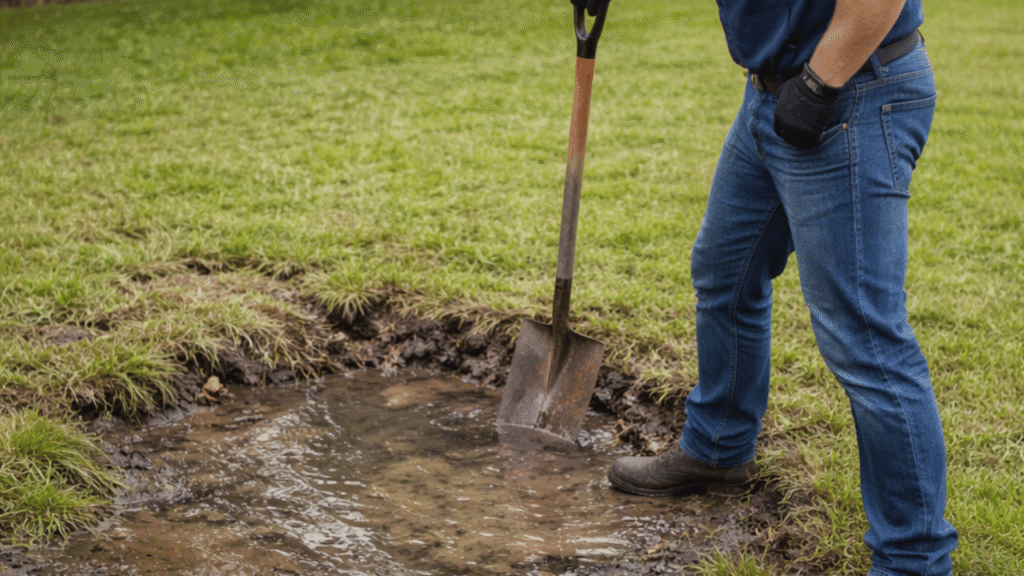
Wet or Soggy Spots in the Yard
Sometimes the signs show up outside your home. If you notice patches of grass that are unusually wet, soft, or greener than the rest of your yard, it could be due to a leaking sewer line.
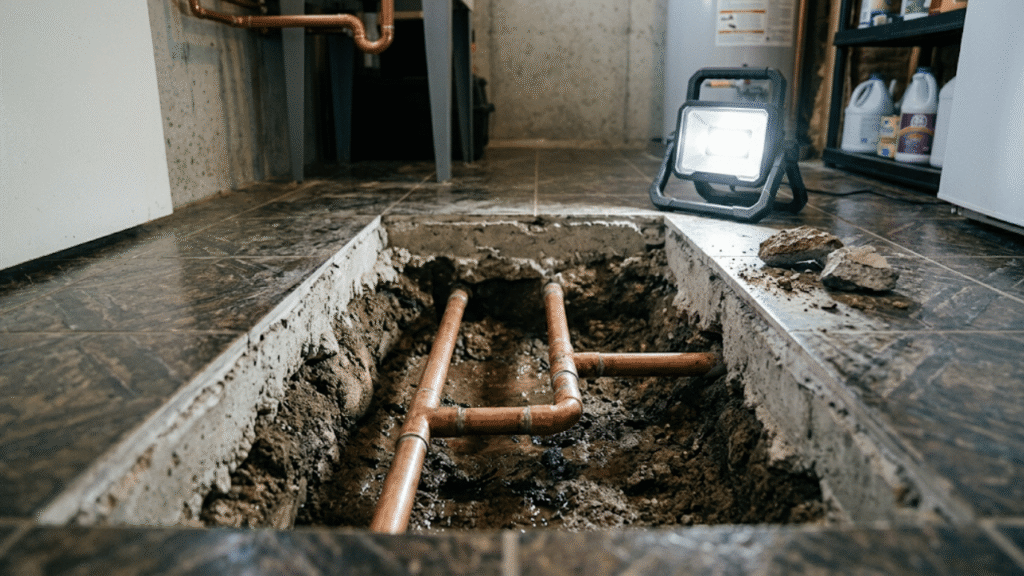
When a pipe cracks underground, wastewater can seep into the soil. Over time, this creates soggy areas and even small sinkholes. It might not seem like a plumbing issue at first, but it’s often linked to sewer line damage.
Sudden Pest or Rodent Activity
An unexpected increase in pests like rats, insects, or flies can also point to sewer line problems. These pests are attracted to moisture and waste, and a damaged sewer line creates the perfect environment for them.
If there’s a crack or leak in the pipe, it can give pests easy access and a steady source of food. So if you notice more activity than usual, it’s worth checking if there’s a hidden plumbing issue behind it.
By paying attention to these signs, you can catch sewer line problems early and avoid bigger damage. The key is not to ignore small changes. Your plumbing system usually gives warnings before things get serious you just need to notice them in time.
Simple Ways to Prevent Sewer Line Problems
Taking care of your sewer line doesn’t have to be complicated. A few small habits can go a long way in keeping things running smoothly and helping you avoid bigger issues later on.
- Avoid pouring grease or oil down the drain
- Only flush toilet paper, nothing else
- Use strainers to catch hair and debris
- Keep an eye on slow drains and fix them early
- Schedule occasional inspections to stay ahead of problems
When Should You Be Concerned?
Some signs are easy to ignore at first, but there comes a point when you shouldn’t wait any longer. If problems start happening more often or affect more than one drain, it’s usually a sign that something bigger is going on.
You should be concerned when you notice repeated backups, water coming up in different fixtures, or strong sewer smells that don’t go away. These are clear signs that the issue is deeper in the system and won’t fix itself.
The longer you wait, the worse it can get. What starts as a small blockage can quickly turn into a messy and expensive repair. Acting early can save you time, money, and a lot of stress.
Conclusion
Most sewer line problems don’t start as emergencies, but they can quickly turn into one if left unchecked. What seems like a minor issue today can grow into a serious problem that affects your entire home. That’s why paying attention to early warning signs really matters.
If you’re seeing any of these issues in your home, it’s always better to get it checked sooner rather than later. A quick inspection can save you from major repairs down the line.
At Nuflow DFW, we help homeowners deal with sewer line problems the right way. From inspections to repairs, our team focuses on simple, effective solutions that fix the issue at its source. If you’re unsure about what’s going on with your plumbing, reach out and let professionals handle it before it turns into a bigger problem.