Have you ever heard strange sounds coming from your water pipes? Maybe your pipes are rattling, whistling, or even banging. While these noises might seem like just a minor inconvenience, they could be signs of something more serious. It’s easy to dismiss these sounds as just part of living in an older home, but ignoring them can lead to bigger issues down the road.
When water pipes start making noise, it’s important to pay attention. These sounds can be clues to problems like high water pressure, trapped air, or even worn-out pipe fittings. While not every noise is an immediate threat, some can indicate underlying issues that might lead to costly repairs or even potential damage to your home.
In this blog, we’ll explore why noisy pipes aren’t just an annoyance but can be a warning sign of plumbing problems. We’ll take a closer look at what might be causing the sounds and how ignoring them could lead to bigger issues in the future. Let’s dive in and learn more about whether noisy water pipes are dangerous for your home and what you can do about it.
What Causes Noisy Water Pipes?
Noisy water pipes can be more than just a nuisance. While you may think they’re harmless, they can actually signal potential issues with your plumbing system that could cause damage if not addressed.
Let’s break down the common causes of noisy pipes and what they might mean for your home.
High Water Pressure and Its Impact on Your Pipes
One of the main culprits of noisy water pipes is high water pressure. When the water pressure is too high, it can cause vibrations that travel through your pipes, creating a humming or vibrating noise. Over time, this pressure can put a strain on your plumbing system, leading to leaks or even pipe damage. If your pipes are vibrating or making noise, it’s a sign that the water pressure may need adjustment. A pressure regulator can help ensure your plumbing is safe and working efficiently.
Air Trapped in Pipes: A Whistling Warning Sign
Another common cause of noisy water pipes is trapped air. When air gets caught in your plumbing system, it can cause a whistling or sputtering sound. This can happen when there’s a sudden change in water pressure or if your water supply system isn’t properly ventilated. While this noise may not seem urgent, it’s important to get it checked out as it could lead to other issues, like water hammer or even pipe vibrations if left untreated.
Loose Pipe Fittings and Their Effect on Noise
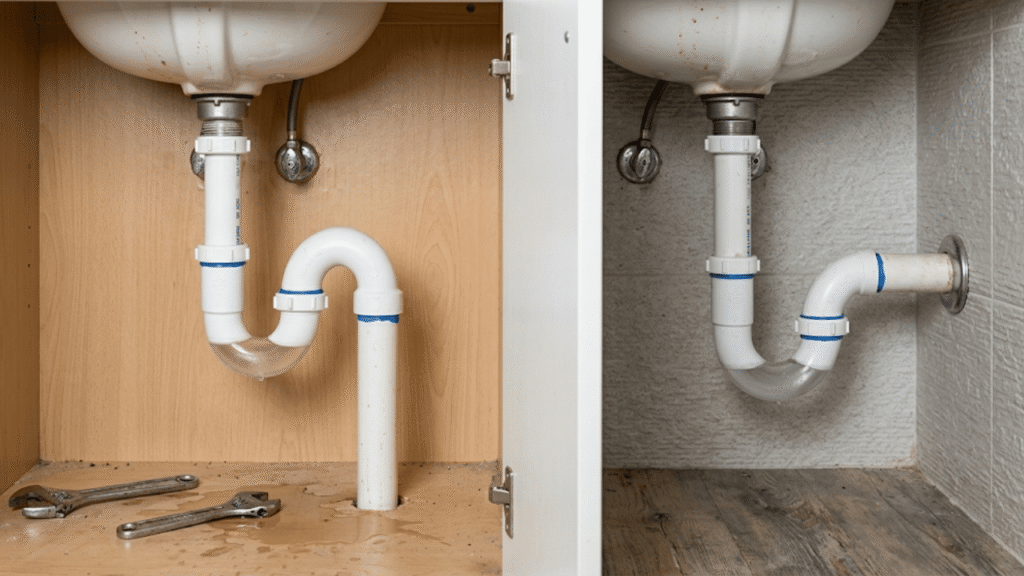
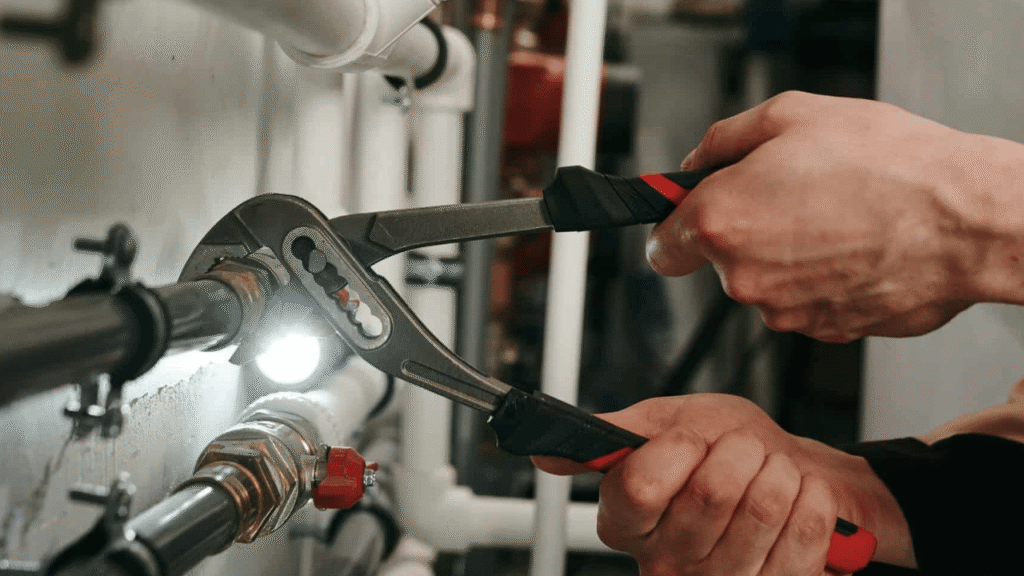
Loose or improperly secured pipes can lead to rattling or knocking sounds as water flows through them. If your pipes aren’t firmly secured, they can move and hit against walls or other surfaces, creating unwanted noise. It’s a simple fix to secure loose pipes, but ignoring the issue can lead to bigger problems, like damage to your walls or even leaks. So, if you hear rattling pipes, it’s time to check for loose fittings.
Water Hammer: The Banging Noise You Shouldn’t Ignore
A water hammer is a loud banging sound that usually happens when you turn off the water quickly. It’s caused by a sudden stop in water flow, creating a shockwave that causes the pipes to rattle. While a water hammer might seem like just a loud sound, it’s actually dangerous for your plumbing system. Over time, a water hammer can damage your pipes or valves. Installing water hammer arrestors or adjusting the water pressure can help prevent this problem and keep your plumbing in good condition.
Sediment Buildup: When Your Water Heater Speaks Through Noise
Sediment buildup in your water heater can also lead to noisy pipes. As minerals like calcium build up over time, they can restrict the flow of water, causing a hissing or bubbling sound. If your water heater is making strange noises, it’s a sign that it’s time to flush it out and remove any sediment that might have accumulated. This can help your water heater run more efficiently and prevent noise-related issues in your plumbing.
Identifying Different Types of Water Pipe Noises
Water pipes can make all sorts of noises, and each one can tell you something different about your plumbing system. Here’s a quick breakdown of the most common sounds and what they could mean.
Humming or Vibrating Pipes: A Pressure Problem
If your pipes are humming or vibrating, high water pressure is likely the cause. When the pressure is too high, it causes the pipes to shake and make noise. This can also put extra strain on your plumbing over time.
Squeaky or Whistling Pipes: A Sign of Clogged Components
Squeaky or whistling sounds usually mean there’s a partial blockage or an issue with your faucets or valves. It could be a clogged aerator or an aging pressure regulator causing the problem.
Banging or Knocking Noises: Why You Hear Them and What to Do
Banging or knocking noises often happen when water flow stops suddenly, causing a shockwave that makes your pipes rattle. This is called water hammer, and it can be damaging to your plumbing if left unchecked.
Hissing Pipes: Is There a Leak or Excessive Pressure?
Hissing sounds can be a sign of a leak or too much pressure in your pipes. If it’s coming from your water heater, it might be caused by sediment buildup. Either way, it’s something you’ll want to address to prevent further issues.
How to Fix Noisy Water Pipes
Noisy water pipes can be a real headache, but the good news is that many of the issues causing the noise can be fixed with a few simple steps. Identifying the root cause of the problem is key, as different sounds often point to different issues.
Here are some practical solutions to help quiet your noisy plumbing:
- Adjust Your Water Pressure: Lower the pressure if it’s too high (over 60 psi) by installing a pressure regulator to prevent vibrations.
- Secure Loose Pipes: Loose pipes are often the cause of rattling or knocking sounds. You can secure them by adding pipe clamps or brackets to keep them in place. This will help reduce the vibrations and noise as water flows through.
- Flush Trapped Air From Your Pipes:Trapped air can cause whistling or sputtering sounds. To clear the air, simply open all faucets in your home for a few minutes to allow the air to escape from the pipes. This can help stop those annoying noises.
- Inspect Valves and Faucets: Fully open partially closed valves and clean aerators to ensure smooth water flow and eliminate squeaky noises.
- Install Water Hammer Arrestors:You can install water hammer arrestors on your pipes to absorb the shockwave and minimize the banging. It’s a relatively easy fix to stop the noise and prevent potential damage to your plumbing.
- Flush Your Water Heater:. Flushing your water heater once a year can help remove the sediment and keep it running smoothly. This will not only reduce noise but also improve the efficiency of your water heater.
When to Call a Professional for Noisy Pipes
If the noise persists despite your DIY efforts, it may be time to call a plumber. Certain sounds, like constant banging or whistling, can signal deeper issues that require professional expertise. Ignoring these problems can lead to undiagnosed leaks or even water damage. A plumber can assess the situation and provide a more effective, long-term solution.
Conclusion
Noisy water pipes may seem like a minor issue, but they can signal larger plumbing problems that, if left unchecked, can cause significant damage. Regular maintenance and timely repairs are crucial to keep your plumbing system running smoothly and avoid costly repairs down the line. By addressing issues like high water pressure, air in pipes, and water hammer, you can maintain a peaceful, efficient plumbing system.
Persistent noise pollution from plumbing can also negatively affect your daily life. Research shows that chronic noise exposure can disrupt sleep patterns and elevate stress levels, even if you think you’ve gotten used to it. That 2 AM banging not only irritates but also robs you of sleep and increases stress. For more on how noise pollution affects your health, check out this research from UC Davis.
If you’re dealing with noisy pipes, don’t wait for the problem to get worse. At Nuflow DFW, we specialize in pipe repairs and plumbing services to keep your home’s plumbing in top shape. Contact us today for a thorough inspection and expert solutions to keep your plumbing quiet and safe.