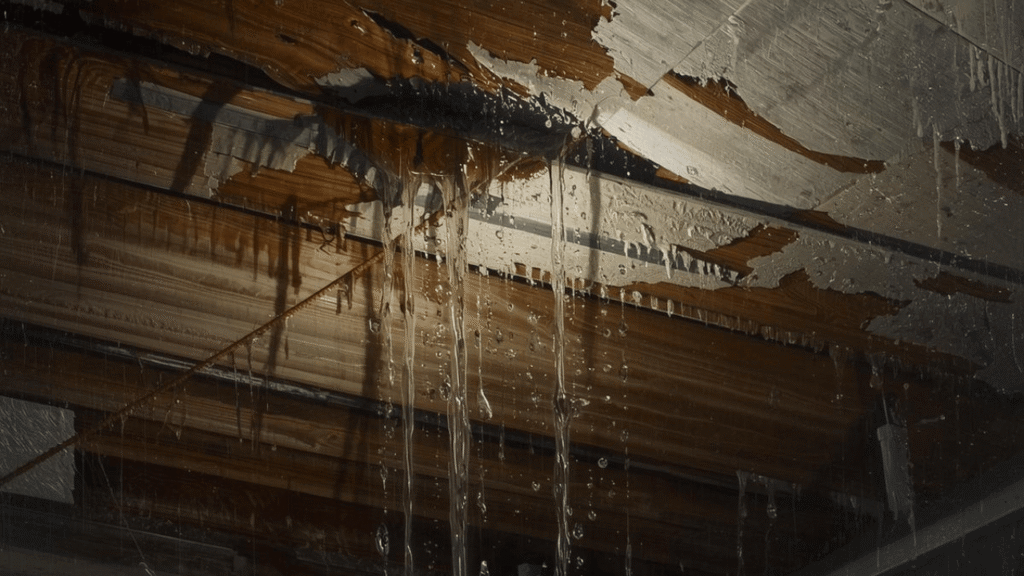
Water leaking from the ceiling is something no homeowner wants to see. It may start as a small stain or a slow drip, but it can quickly turn into a bigger problem. Many people ignore a minor ceiling leak at first because it does not seem urgent. The truth is, even a small leak in the ceiling can damage your home faster than you expect.
A ceiling water leak often means there is a hidden issue above you. It could be a pipe, a bathroom fixture, or even roof damage. If the water keeps spreading, it can weaken drywall, damage wood framing, and ruin insulation. Over time, repairs become more expensive and more complicated.
Acting quickly when you notice water leaking from the ceiling helps protect your home, your safety, and your wallet.
Common Causes of Water Leaking From Ceiling
When you notice water leaking from the ceiling, the first step is understanding where it might be coming from. A ceiling leak usually starts somewhere above the damaged area. The source is not always obvious, but there are a few common causes you should check.
Here are some of the main causes:
Leaking Plumbing Pipes Between Floors
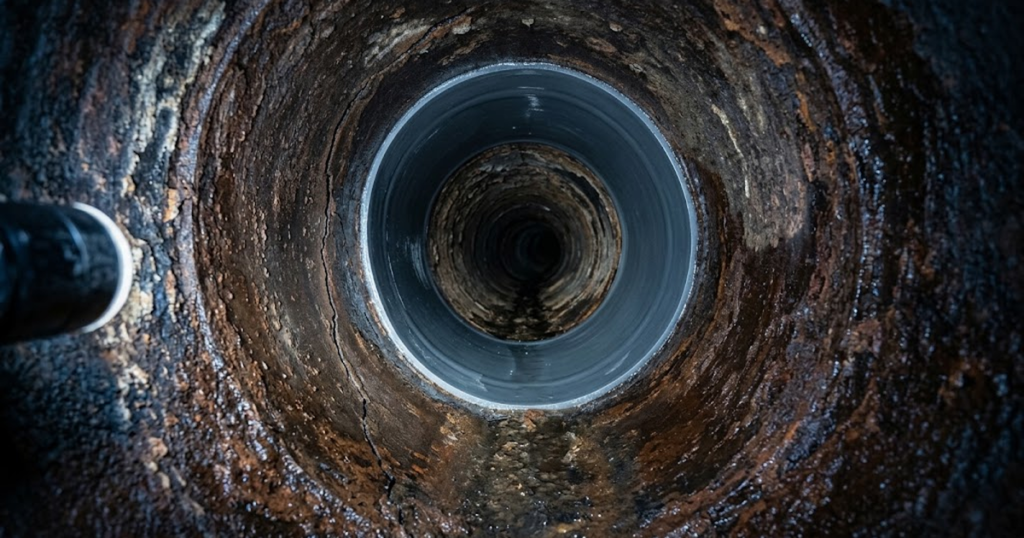
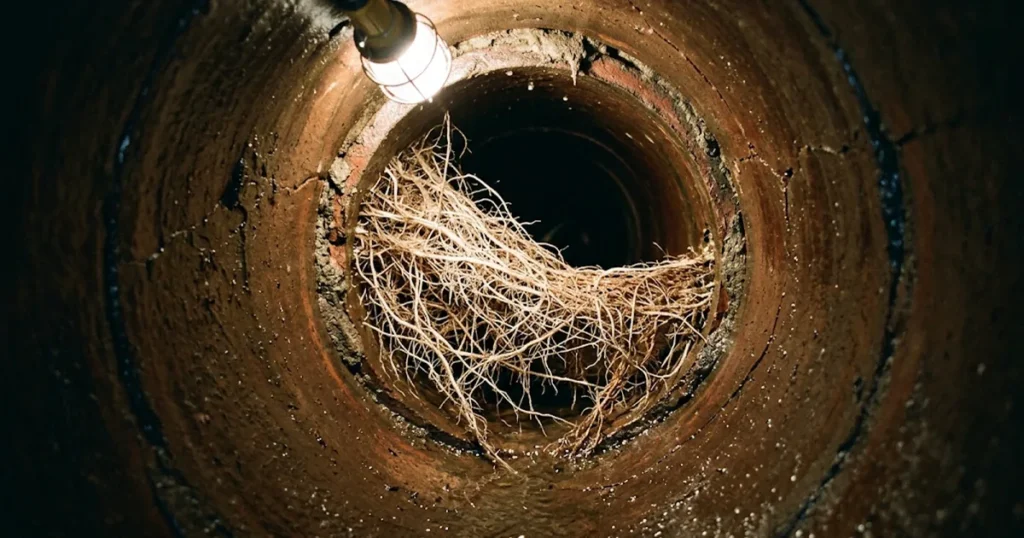
One of the most common reasons for a ceiling water leak is damaged plumbing pipes. If you have bathrooms or laundry rooms upstairs, supply lines can burst or crack over time. Even a small crack can allow water to drip slowly into the ceiling below.
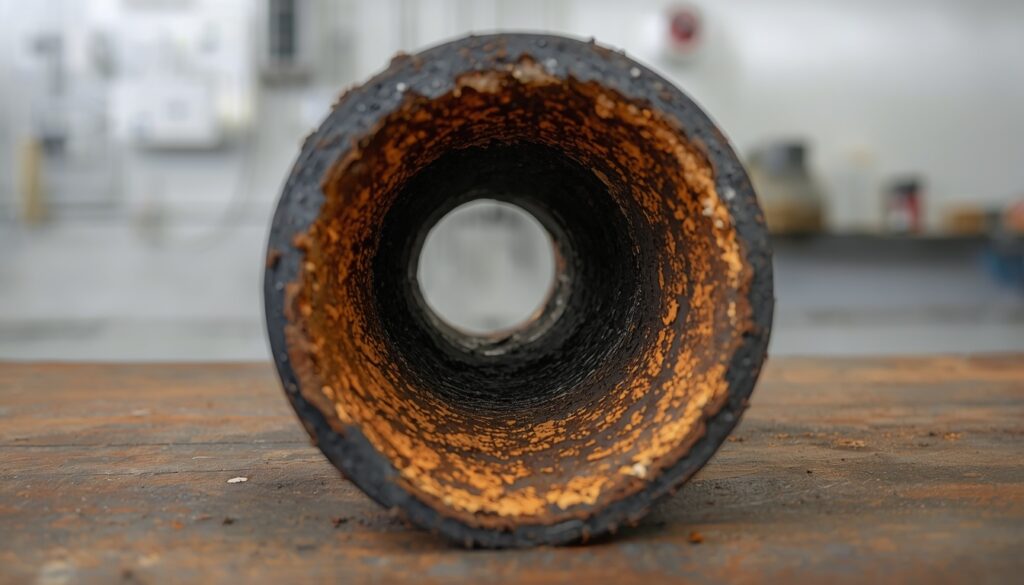
Drain pipe leaks are another issue. These pipes carry used water away from sinks, showers, and toilets. If a joint becomes loose or a pipe corrodes, you may notice leaking in the ceiling, especially after someone uses water upstairs.
Bathroom Fixture Issues
Bathrooms are often the main source of a ceiling leak. A failed toilet wax ring can allow water to seep into the floor each time the toilet is flushed. Over time, that moisture travels down and shows up as water leaking from the ceiling below.
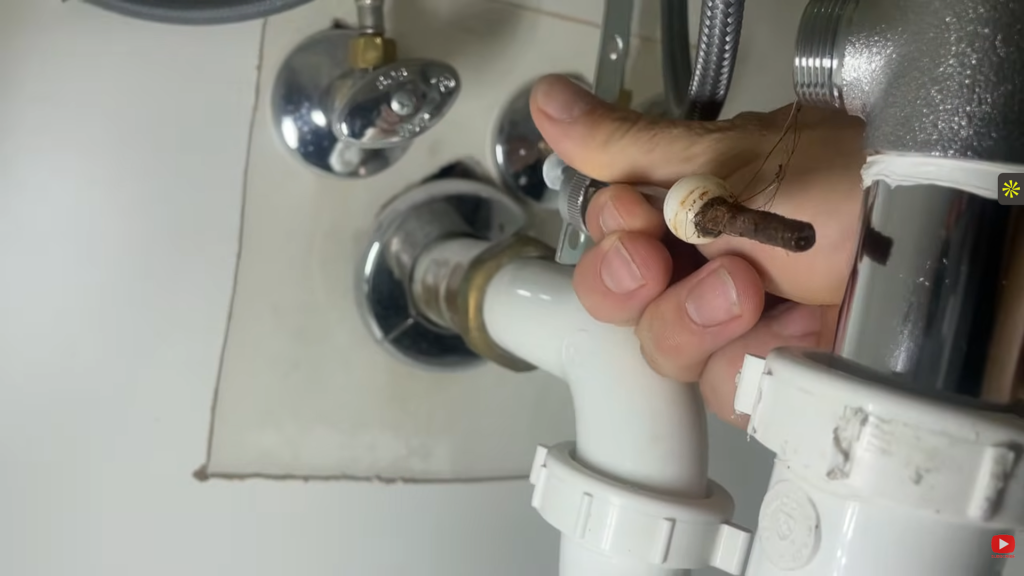
Cracked shower tiles or a damaged shower pan can also let water escape behind walls. Sink gasket or washer leaks under the vanity may seem small, but they can slowly lead to serious ceiling water leak problems downstairs.
Roof Leaks During Rainstorms
If the leaking in the ceiling gets worse during heavy rain, the roof may be the problem. Missing shingles, damaged flashing around vents, or clogged gutters can allow rainwater to enter the attic and soak into the ceiling.
HVAC or AC Condensation Problems
Your air conditioner can also cause water leaking from the ceiling. A blocked AC drain line or an overflowing drip pan can spill water into the ceiling area, especially during hot weather when the system runs often.
What to Do Immediately When You Notice Water Leaking From Ceiling
Seeing water leaking from the ceiling can feel stressful, but staying calm and acting quickly makes a big difference. The faster you respond to a ceiling leak, the less damage your home will face.
Here are the steps you should take right away:
Step 1 : Shut Off the Water Source
If the ceiling water leak is coming from plumbing, turn off the main water supply to your home. If you know which bathroom or appliance is causing the problem, shut off the local valve instead. Stopping the water flow is the first and most important step. For a burst pipe, see what to do first when a pipe bursts.
Step 2 : Protect Your Furniture and Flooring
Move furniture, electronics, and valuables away from the leaking in the ceiling area. Place buckets, towels, or containers under the drip to catch water. This helps prevent damage to floors and carpets.
Step 3 : Drain Bulging Ceiling Safely
If you see a bubble forming in the ceiling, water is trapped inside. Carefully poke a small hole in the center of the bulge using a screwdriver. Let the water drain into a bucket. This reduces pressure and lowers the risk of collapse.
Step 4 : Turn Off Electricity if Needed
If water leaking from the ceiling is near lights or outlets, turn off power to that area from the breaker panel to avoid electrical danger.
Step 5 : Identify Where the Leak Is Coming From
Try to trace the source. Check upstairs bathrooms, pipes, roof areas, or your AC system. Finding the cause helps fix the ceiling leak faster and prevents it from happening again.
How to Fix Water Leaking From Ceiling (Based on the Cause)
Fixing water leaking from the ceiling starts with fixing the real source of the problem. A ceiling leak will keep coming back if the root cause is not handled properly. Below are common fixes based on what’s causing the ceiling water leak.
Fixing Damaged or Leaking Pipes
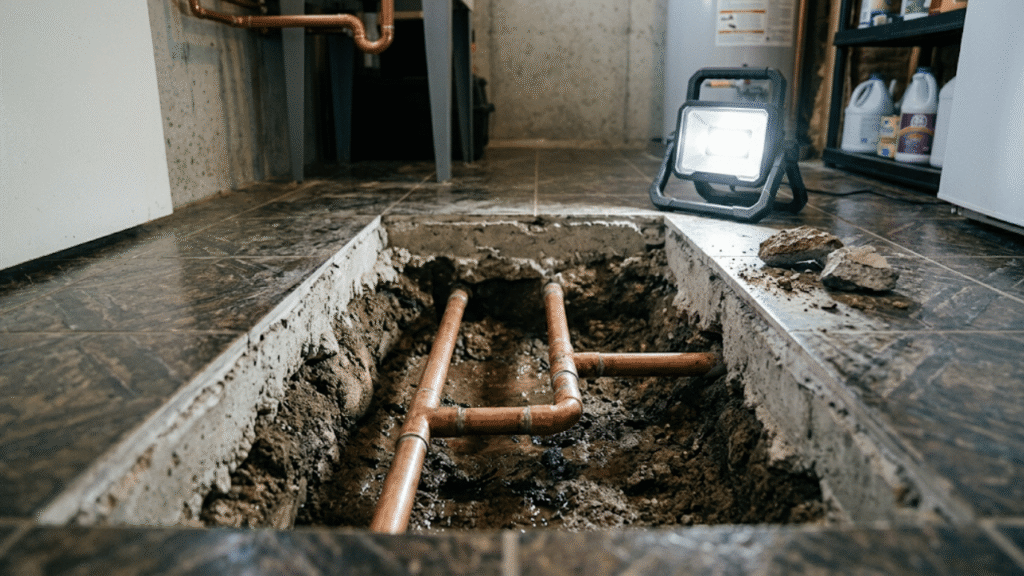
If the leaking in the ceiling is caused by a cracked or loose pipe, the damaged section needs to be repaired or replaced. Sometimes tightening a connection solves the issue. In other cases, a plumber may need to cut out the bad section and install a new pipe. Once repaired, the ceiling area should be dried completely before patching the drywall.
Replacing a Faulty Toilet Wax Ring
If water leaking from ceiling happens after flushing the toilet upstairs, the wax ring seal may be worn out. The toilet must be removed, and a new wax ring installed to create a tight seal. This prevents water from seeping into the subfloor and causing further ceiling leak damage.
Resealing Showers and Bathroom Areas
Cracked grout, broken tiles, or old caulk can let water slip behind walls. Resealing the shower area with fresh waterproof caulk and repairing grout lines can stop moisture from traveling down and creating a ceiling water leak below.
Repairing Roof Damage
If the problem gets worse during rain, roof repairs may be needed. Replacing missing shingles, sealing flashing, or clearing clogged gutters can prevent water from entering the attic and dripping through the ceiling.
Cleaning the HVAC Drain Line
An air conditioner can also cause water leaking from the ceiling if the drain line is blocked. Cleaning the drain line and checking the drip pan helps ensure condensation flows out properly instead of overflowing into the ceiling space.
How to Prevent Water Leaking From Ceiling in the Future
Preventing water leaking from the ceiling starts with simple, regular maintenance around your home. Take time to inspect plumbing pipes and fixtures so small leaks do not turn into a serious ceiling leak. Make sure your roof stays in good shape and your gutters remain clear so rainwater flows away properly. It’s also smart to check bathroom seals and caulking now and then, since hidden moisture can slowly lead to leaking in the ceiling over time.
Conclusion
Water leaking from the ceiling is never something to ignore. What may seem like a small stain or slow drip can quickly turn into a serious ceiling leak that damages drywall, insulation, and even electrical systems. Acting fast, finding the source, and fixing the issue properly can save you from expensive repairs later.
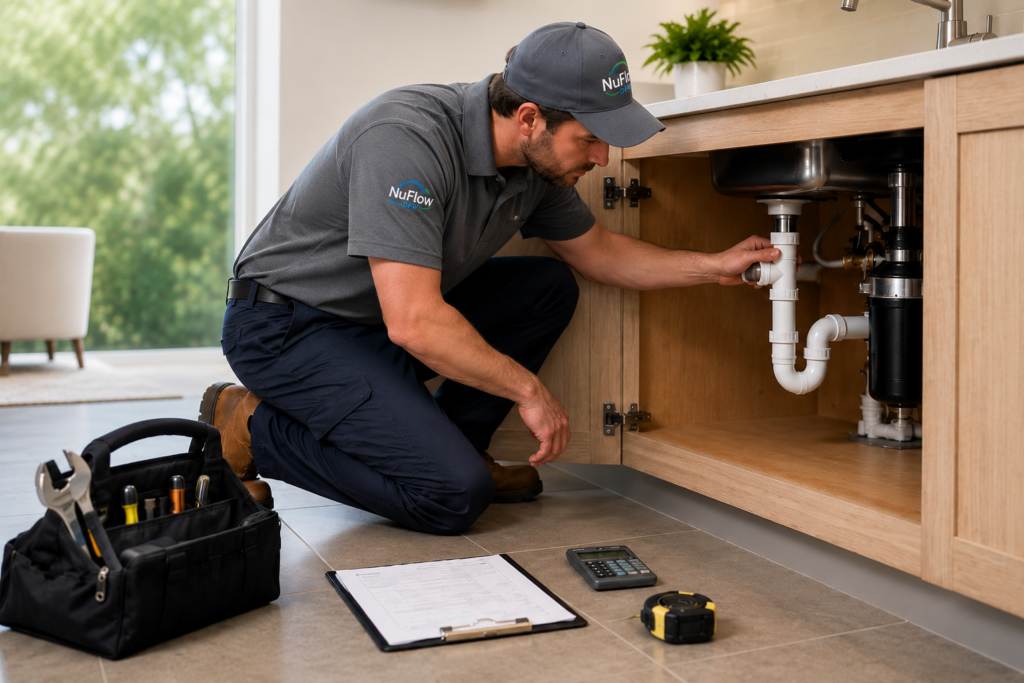
If you are dealing with a ceiling water leak and are not sure where it’s coming from, it’s always best to get professional help. Nuflow DFW provides reliable plumbing services to diagnose and repair leaking in ceiling problems quickly and safely. Whether it’s a damaged pipe, bathroom fixture issue, or hidden plumbing leak, their team can help protect your home and prevent further damage.