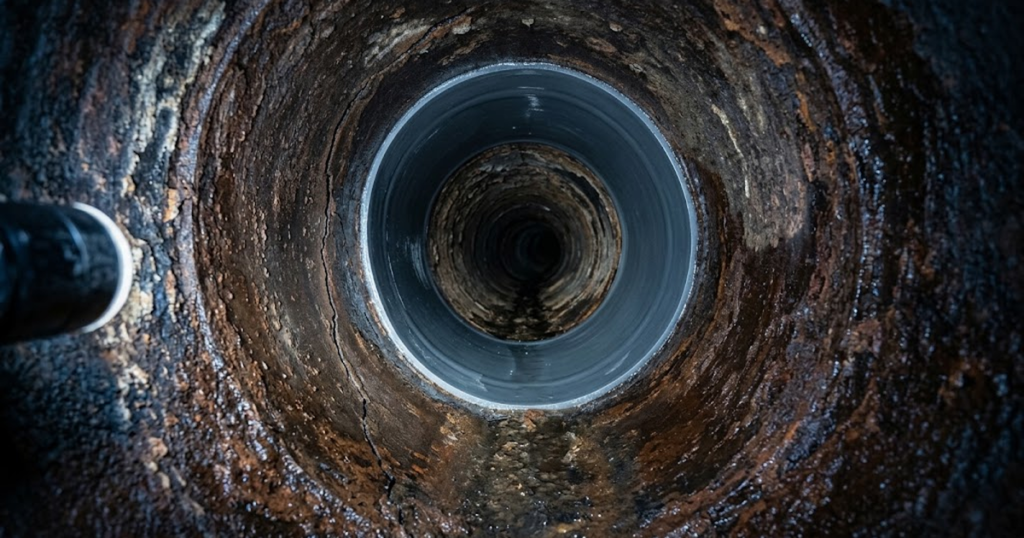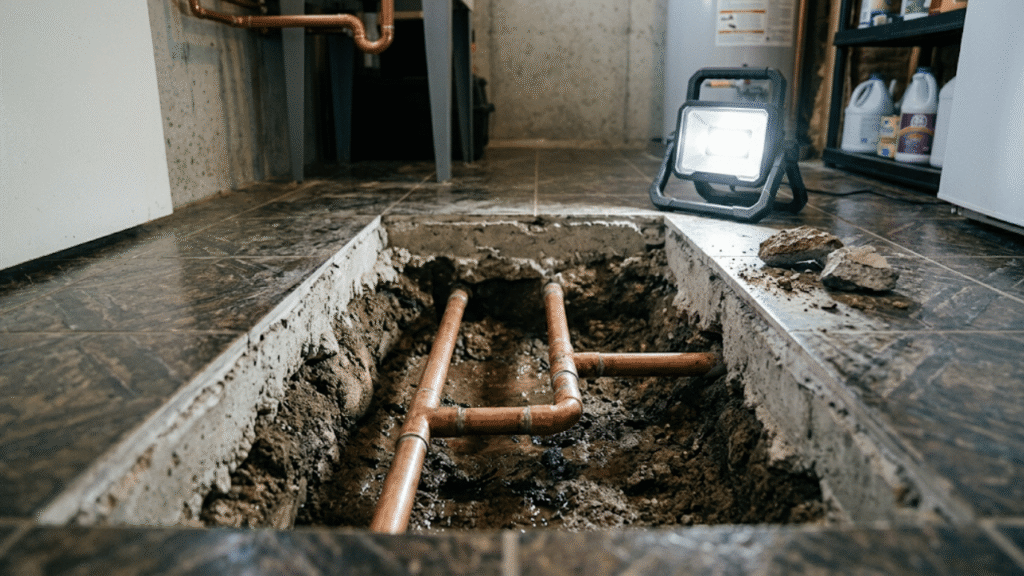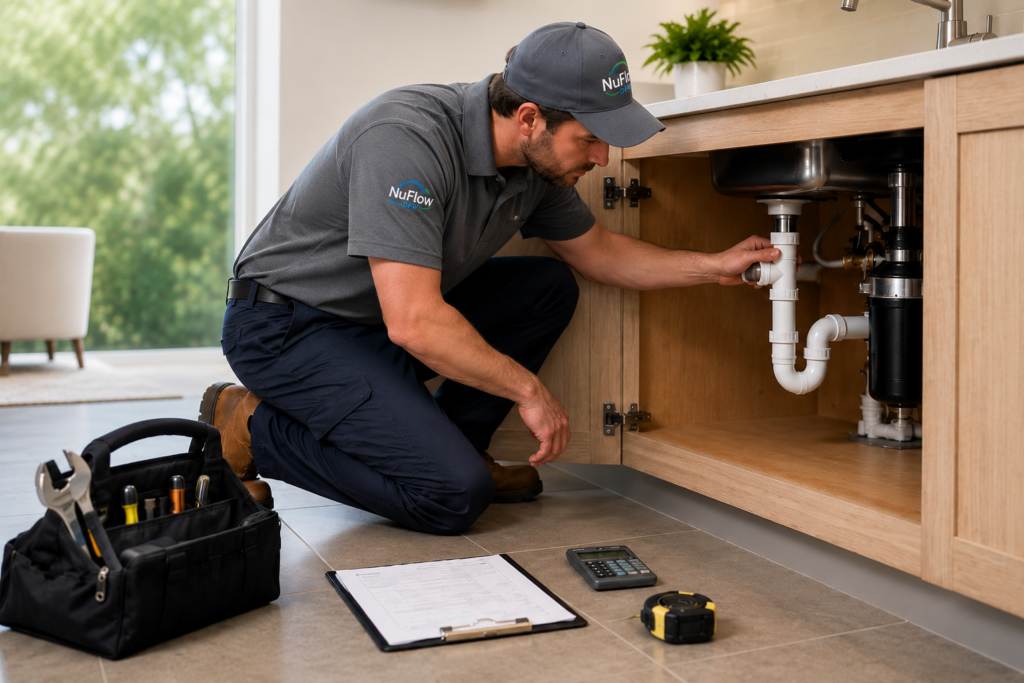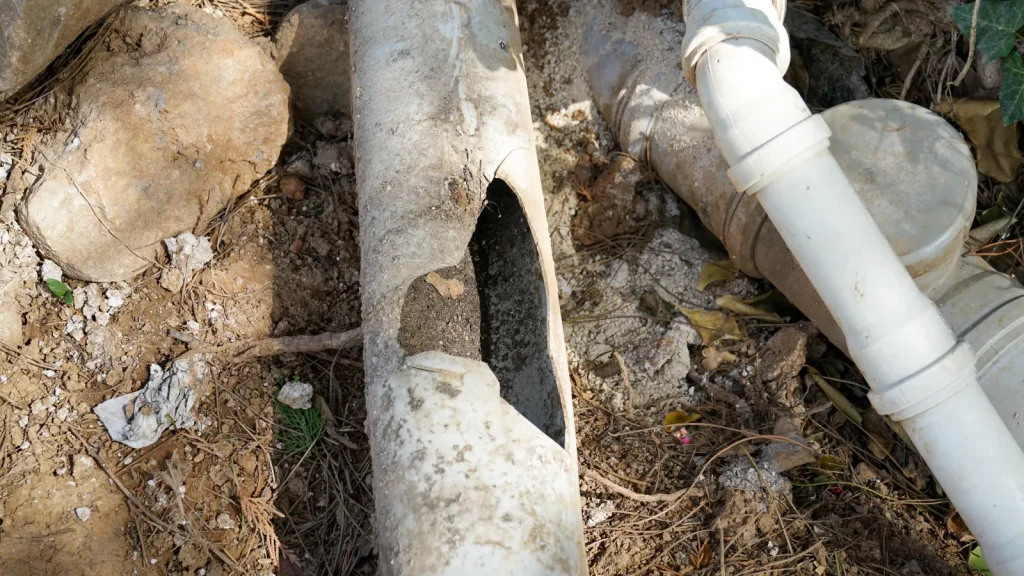
A broken sewer pipe gets fixed one of two ways: lining the existing pipe from the inside with a cured resin liner, or excavating and replacing the damaged section. A camera inspection decides which, because a cracked pipe that still holds its shape can be lined, and a collapsed one cannot. Stop using water until a licensed plumber sees the line.
Before any of that, there is a step most articles skip. Confirm the pipe is actually broken. Slow drains, gurgling, and sewage backup all show up with an ordinary clog too, and the fix for a clog costs a fraction of the fix for a break.
What should you do in the first hour?
Stop sending water down the line, then keep people away from anything that has backed up. Those two actions cover almost all the damage you can still prevent, and neither requires knowing yet what is wrong.
- Stop heavy water use. No laundry, no dishwasher, no long showers. Every gallon you send down a compromised line has to go somewhere, and if the line is blocked or broken it comes back up or out into the soil.
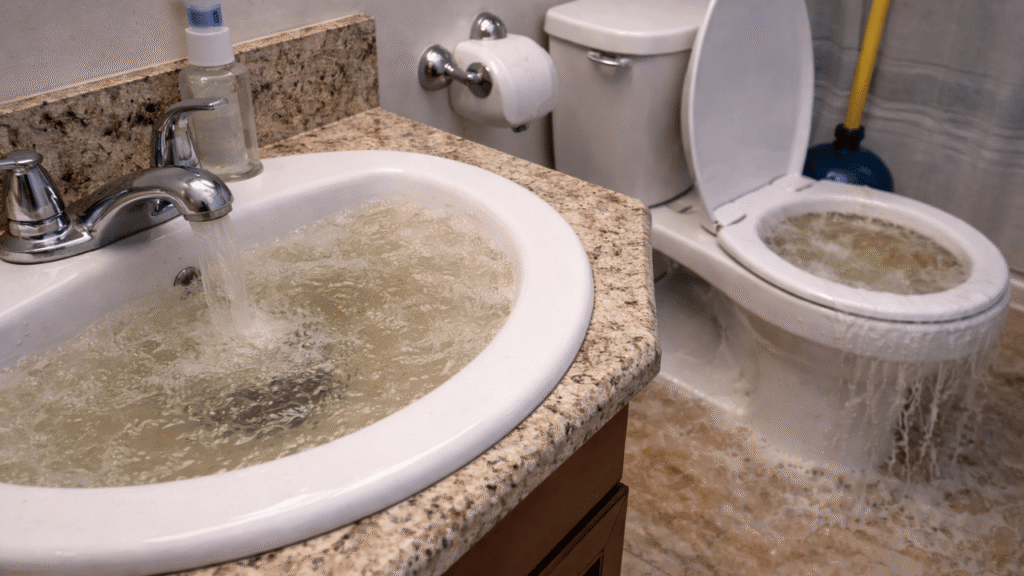
- Avoid ground-floor and basement drains. These sit lowest in the system and back up first. Using an upstairs shower while a ground-floor tub is already holding water will push the problem into the room you can least afford to flood.
- Keep children and pets away from any backup or wet spot. Sewage carries bacteria and parasites. The U.S. Environmental Protection Agency publishes guidance on wastewater exposure risk if you want the detail.
- Turn off appliances plumbed into the line. Washing machines and dishwashers on a timer will discharge without anyone touching them.
- Note what you saw and when. Which fixtures, in what order, and whether the yard has a soft or smelling patch. That sequence is diagnostic information, and it shortens the inspection.
Call Nuflow DFW at (469) 701-0597 to book a camera inspection. Service is scheduled Monday to Friday, 9:00 a.m. to 6:00 p.m.
Is the pipe broken, or just clogged?
Multiple fixtures failing at once points to the main line. One fixture failing alone points to that fixture’s branch, which is usually a clog and rarely a break. That single distinction is the most useful thing you can work out before a plumber arrives.
The clearest test is the lowest fixture in the house. Run water in an upstairs sink and watch a ground-floor tub or floor drain. If water rises in the lower fixture when you run the upper one, the blockage sits in the main line below both. A single slow sink with everything else draining normally is a branch problem.
Symptoms that appear with both a clog and a break:
- Slow drainage across several fixtures
- Gurgling when water goes down, which is air trapped in the line
- Sewage backing up into a bathtub or floor drain
- Sewer odour indoors
Symptoms that point specifically to a break rather than a clog:
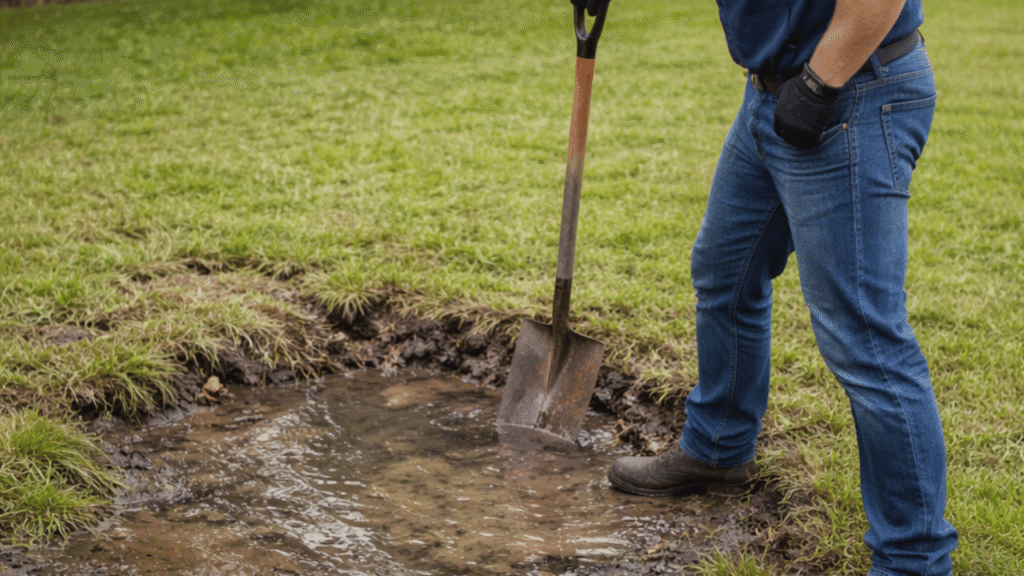
- Wet or unusually green patches in the yard above the line, because effluent is leaving the pipe
- The same blockage returning within weeks of being cleared
- Cracks appearing in a slab, driveway, or interior floor
- Rodent or insect activity concentrated near one area
Recurrence is the strongest signal on that list. A line that clogs, clears, and clogs again in the same spot is usually catching on something structural: a crack, an offset joint, or root mass. Clearing it treats the symptom. Our guide to the signs of sewer line problems covers what each pattern usually means, and signs of a collapsed sewer line covers the worst case.
Honest limitation: none of this is conclusive. A camera is the only thing that tells you the pipe material, the depth, the exact location, and whether the damage is a hairline crack or a full separation. Everything above narrows the possibilities so you know what you are paying to look for.
How does a plumber fix a broken sewer pipe?
The repair follows the same five stages regardless of which method ends up being used, because the diagnosis has to happen before the choice does.
- Camera inspection. A sewer camera goes in through a cleanout and runs the length of the line. This is where the pipe material, the damage type, and the failure point get identified. Camera inspection starts at $250+ (as of Q3 2026).
- Locating. A transmitter on the camera head lets the plumber mark the damage on the surface, with depth. On a slab foundation this is what prevents cutting concrete in the wrong place.
- Cleaning. Roots, scale, and buildup come out with a mechanical cutter or hydro jetting. A liner will not bond to a dirty pipe wall, and a camera cannot see damage through sludge.
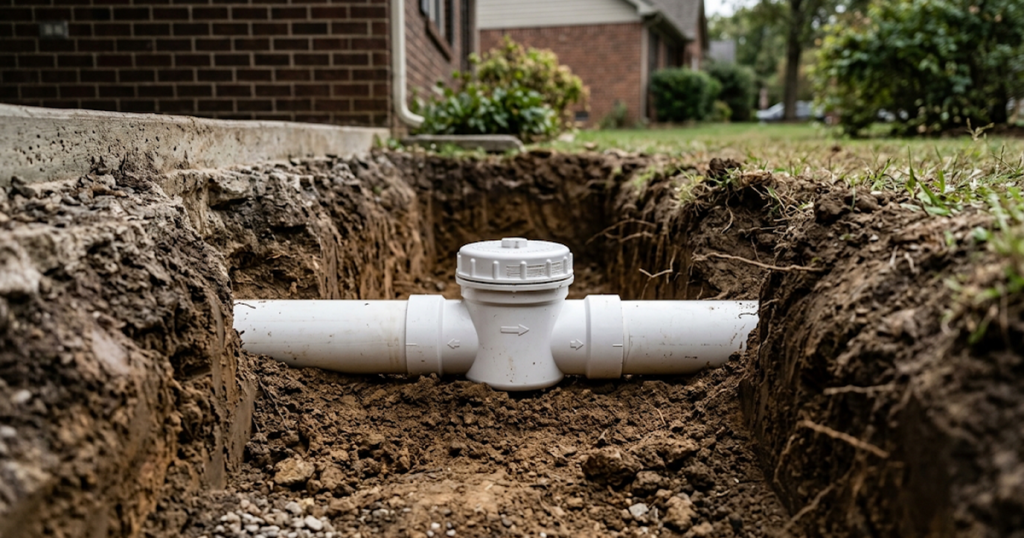
- Method selection. With clean pipe and clear footage, the choice becomes obvious rather than debatable. Intact bore gets sewer pipe lining. Collapse, severe belly, or reversed grade gets excavation. Our trenchless pipe repair and replacement page covers both.
- Repair and re-inspection. A second camera pass confirms the work before the line goes back into service. On a lined pipe this also confirms every branch connection was cut back open, which is the step that separates a good CIPP job from a failed one.
If you want the lining process in detail, how CIPP pipe lining works walks through each stage.
Can you fix a broken sewer pipe yourself?
No, and the reason is licensing before it is skill. Under Texas Occupations Code Chapter 1301, sewer line repair is licensed work in this state, and unpermitted work on a main line creates a problem at resale even when the repair holds.
The practical reasons stack up behind that one. You need a camera to find the damage, a locator to mark it, cleaning equipment to prep the pipe, and either a liner system or an excavator to fix it. Chemical drain cleaners and repeated aggressive snaking make a cracked pipe worse, which is how a $150+ drain cleaning turns into a $3,500+ lining job.
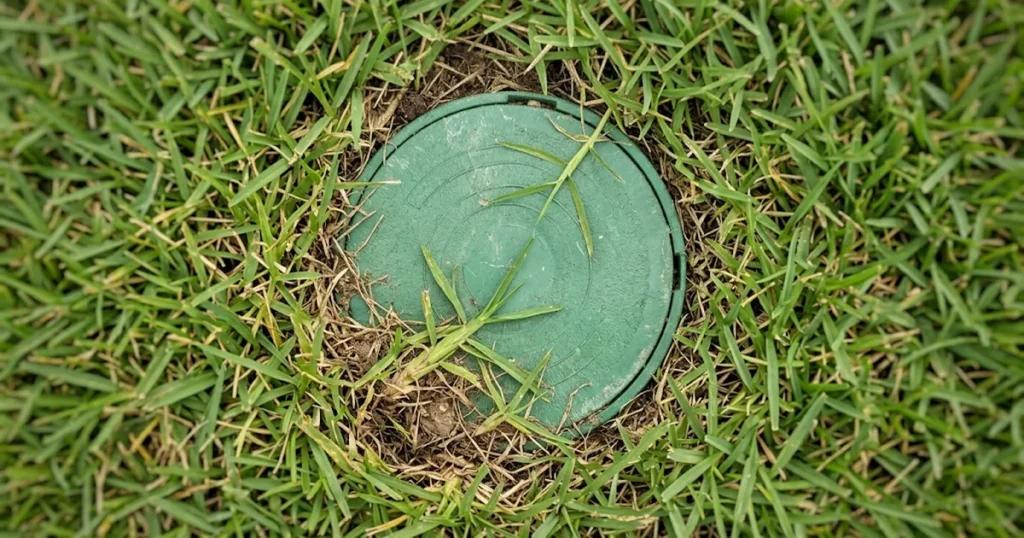
What you can do yourself: locate your cleanout, stop water use, and document the symptom sequence. That is genuinely useful and it costs nothing. Here is whether you can use the toilet with a broken sewer line in the meantime.
What does broken sewer pipe repair cost in DFW?
Cost depends entirely on what the camera finds, which is why no honest plumber quotes a repair over the phone. These are the starting figures for each stage (as of Q3 2026).
| Service | Starting price |
|---|---|
| Camera inspection | $250+ |
| Drain cleaning | $150+ |
| Hydro jetting | $350+ |
| Trenchless pipe lining | $3,500+ |
Most residential lining jobs land between $3,500 and $15,000. Footage, depth, access, and pipe condition set the final number. Actual cost depends on inspection findings, and Nuflow DFW gives a written price before any work starts.
Two cost notes worth knowing before you call anyone. First, some sewer line damage is covered by homeowners insurance and some is not, and the distinction usually turns on cause rather than damage: our guide to homeowners insurance and sewer line repair in Texas covers where the line falls. Second, what a plumber costs in DFW varies more by diagnosis time than by repair time.
Why sewer pipes break in Dallas-Fort Worth
North Texas breaks sewer lines in a specific way, and it comes down to soil and pipe age arriving at the same moment.
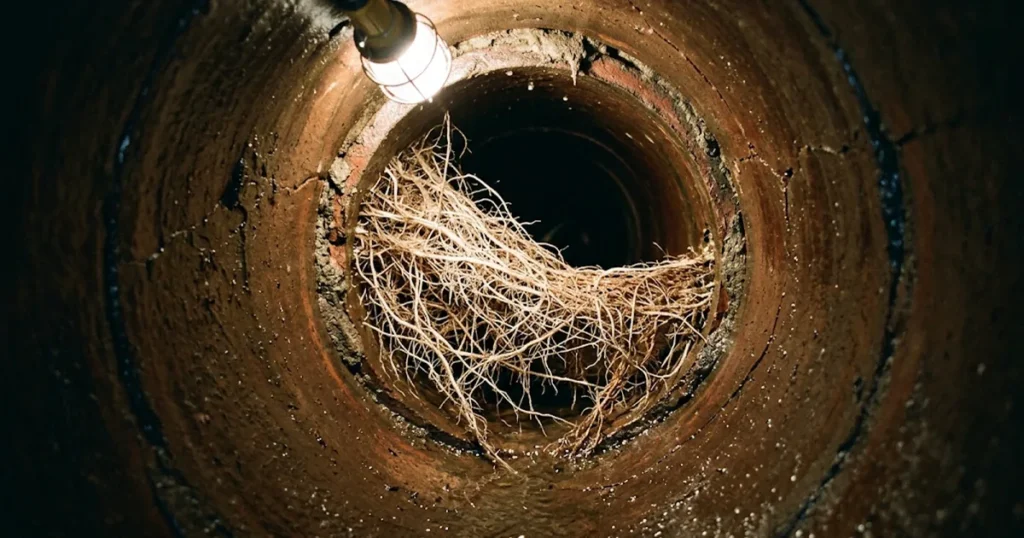
Expansive clay swells when wet and shrinks when dry, and that seasonal movement pulls rigid pipe joints apart. A cast iron or clay line that would last another decade in stable soil separates here. Once a joint opens, tree roots find the moisture and widen it, and that is the failure we see most often on a camera.
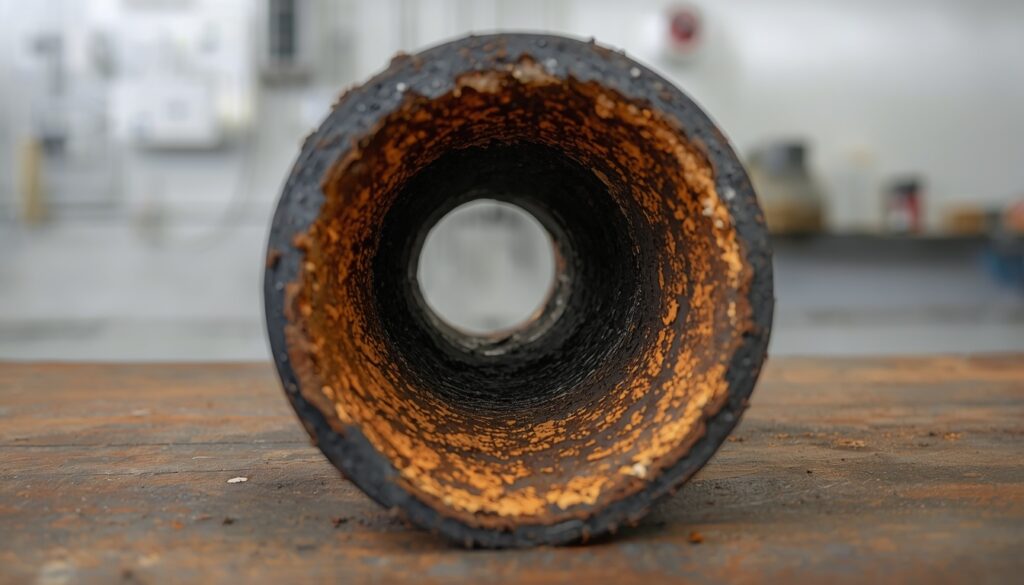
Across 200+ trenchless jobs in the DFW Metroplex, Nuflow DFW has found cast iron in pre-1975 homes failing at an average of 58 years.
If your home predates 1980 there is a good chance the original line is cast iron. Our guides on cast iron plumbing and how long cast iron pipes last explain how to check and what to expect.
Suspect a break rather than a clog? Call (469) 701-0597 and we will run the camera before anyone talks about method or price.
Frequently asked questions
How do I know if my sewer pipe is broken or just clogged?
Multiple fixtures backing up at once points to the main line; one slow fixture points to its own branch. A blockage that returns within weeks of being cleared usually means something structural is catching debris. Wet patches in the yard above the line point to a break rather than a clog.
How long does a broken sewer pipe repair take?
Most residential trenchless lining jobs finish in one day, including inspection, cleaning, install, and cure. Excavation and replacement typically runs several days once trenching, pipe install, inspection, backfill, and surface restoration are counted. Length, depth, and access change both figures.
Can a broken sewer pipe be fixed without digging?
Usually, yes. A cracked, corroded, or root-invaded pipe that still holds its shape can be lined from the inside through an existing cleanout. A pipe that has fully collapsed, severely sagged, or dropped out of grade cannot be lined and needs excavation. A camera inspection decides which.
Is a broken sewer pipe an emergency?
Treat active sewage backing up into the home as urgent and stop using water immediately. A slow drain with no backup is serious but not same-hour. Nuflow DFW schedules service Monday to Friday, 9:00 a.m. to 6:00 p.m. Call (469) 701-0597 to arrange an inspection.
What happens if I ignore a broken sewer pipe?
Effluent leaving a broken line saturates the soil around it, which in expansive clay contributes to ground movement under slabs and driveways. The blockage pattern also worsens as the opening catches more debris. Repair cost rises as damage spreads from one section to the full run.
Does homeowners insurance cover a broken sewer pipe in Texas?
Coverage usually depends on cause rather than damage. Sudden accidental breaks are treated differently from gradual deterioration and root intrusion, and many policies need a separate service line endorsement. Check your policy wording, and see our Texas sewer insurance guide for what typically falls inside and outside standard coverage.
What to do next
Book a camera inspection before you accept a quote for any repair method. Footage is what tells you whether you are looking at a $350+ jetting job or a $3,500+ lining job, and no one can tell you that from your description of the symptoms.
Call Nuflow DFW at (469) 701-0597 or use the contact page to schedule. Ryan King holds a Texas Responsible Master Plumber license, RMP# 46694. Free estimates provided after on-site inspection, and written quotes include all parts, labor, and applicable taxes.