A sewer scope inspection costs $125 to $500 in 2026 when your home has an accessible cleanout, and $175 to $750 when it does not. Added onto a home inspection during a purchase, it typically runs $100 to $250. Nuflow DFW camera inspection starts at $250+ (as of Q2 2026). Nearly every price difference you see between quotes comes down to one thing: how the camera gets into the pipe.
Search this topic and you will find one guide saying $125 to $500 and another reporting an average near $1,000. Both are accurate. They are describing different jobs, and nobody explains the difference. That explanation is most of this article, because once you understand it you can read any quote correctly.
Sewer Scope Inspection Cost by Access Type
Access is the pricing spine. Everything else is a smaller adjustment on top.
| Access situation | 2026 cost |
|---|---|
| Existing exterior cleanout | $125 to $500 |
| Add-on to a home inspection | $100 to $250 |
| No cleanout, toilet pulled for access | $175 to $750 |
| No cleanout, new one must be installed | $700 to $2,000+ |
2026 national ranges. Nuflow DFW camera inspection starts at $250+ (as of Q2 2026). Final cost depends on access, line length, and condition. Call (469) 701-0597 for a free on-site estimate.
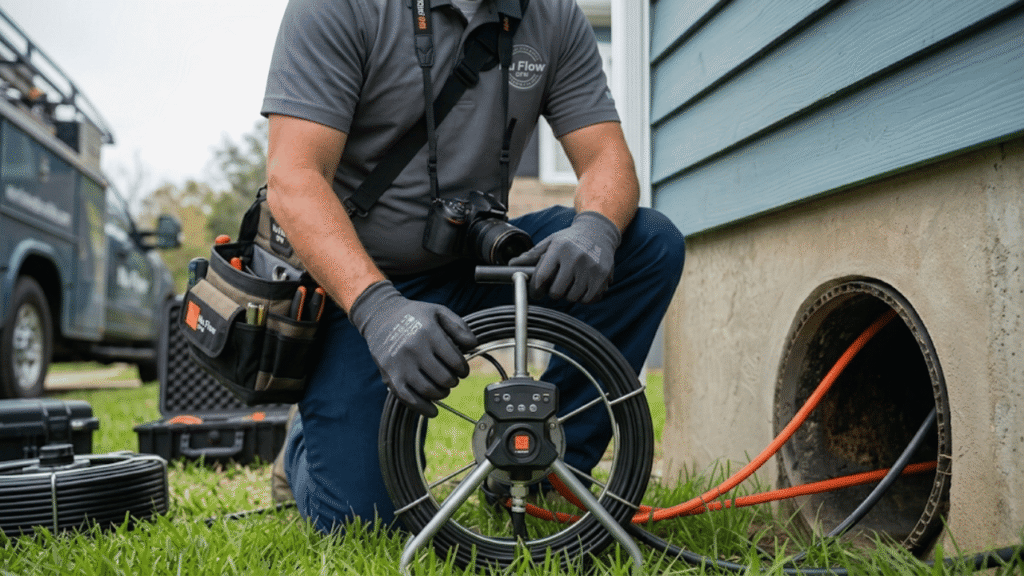
With a cleanout, the plumber unscrews a cap and feeds the camera in. It is a short, clean job, and most homeowners land in the $175 to $450 range.
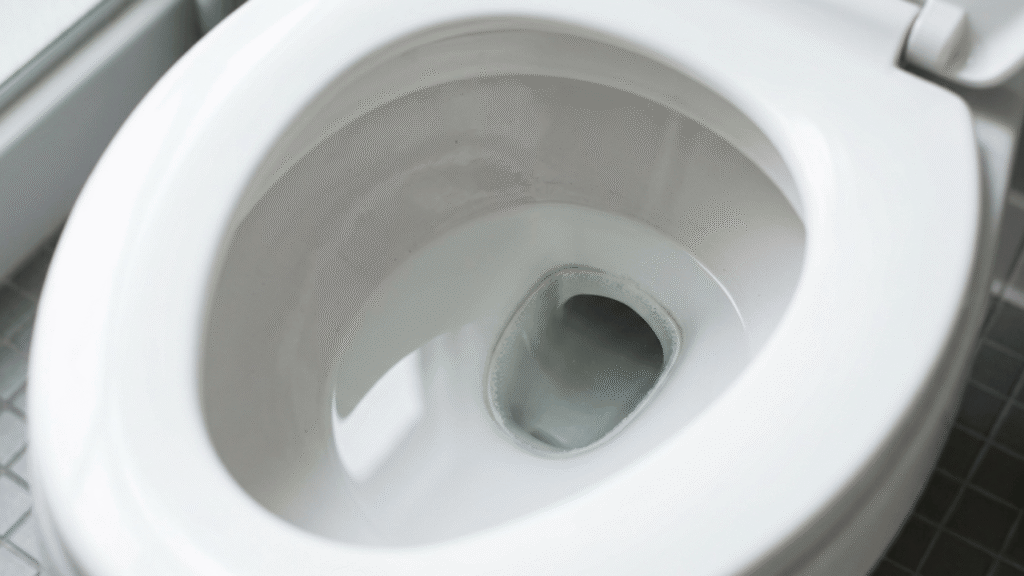
Without a cleanout, the plumber has to remove a toilet to reach the line, then reset it with a new wax ring afterward. That adds roughly $50 to $220 in labor and is why the same inspection can cost double at the house next door.
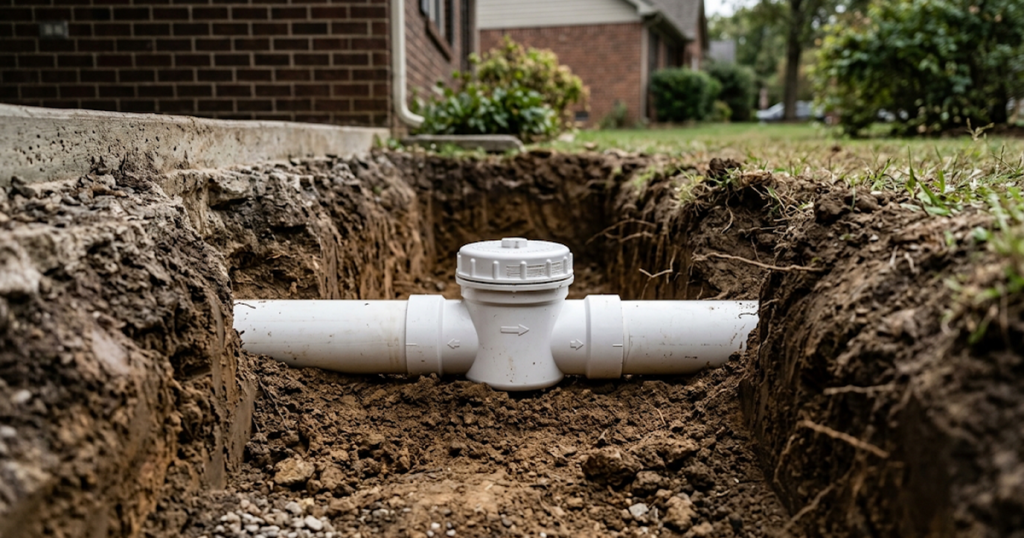
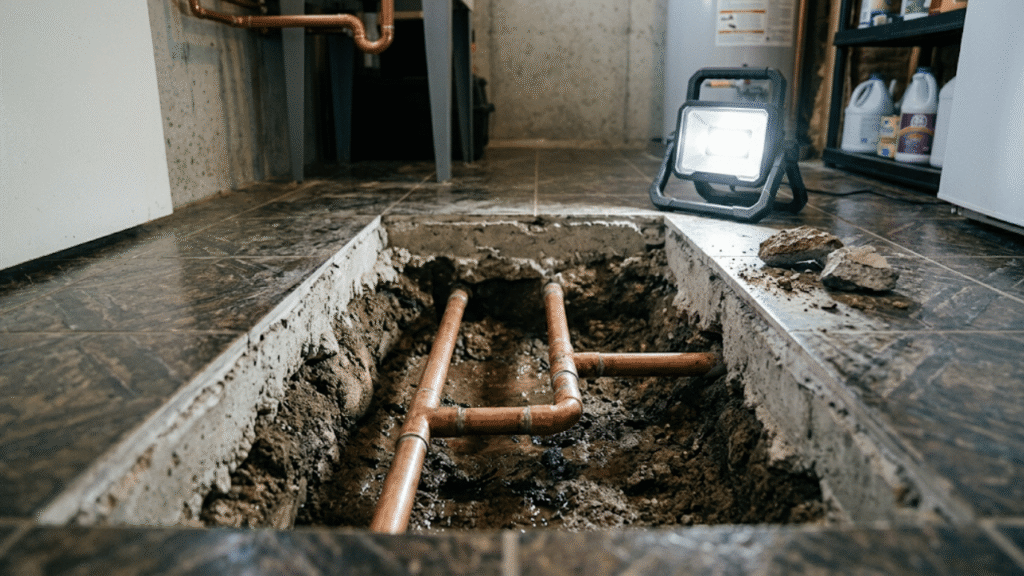
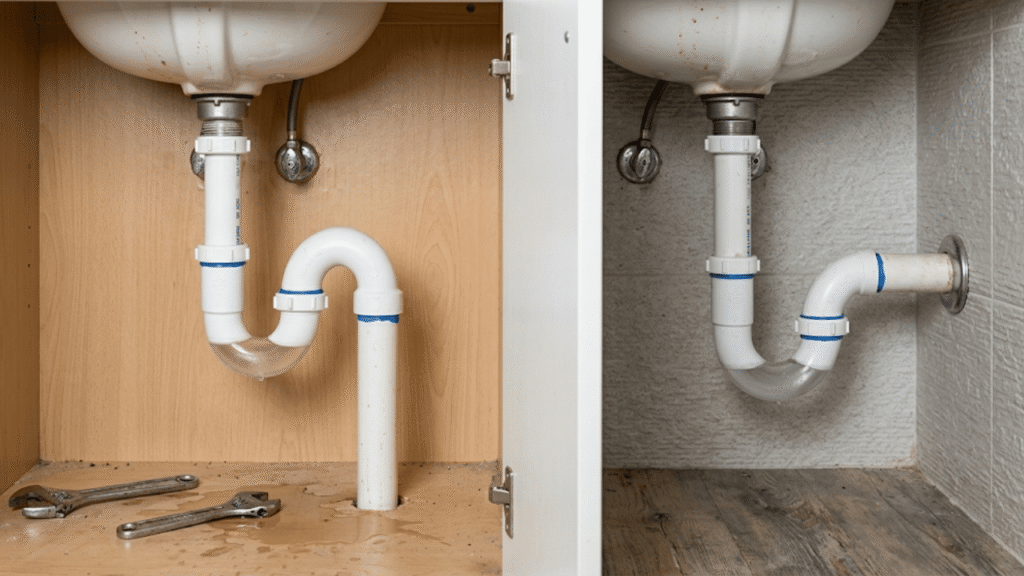
When no cleanout exists and a toilet cannot serve as access, one has to be cut into the line first. That installation alone runs $500 to $1,500, which pushes the total past $2,000 in some cases. This scenario is what produces the four-figure averages you see quoted, and it is not the typical job.
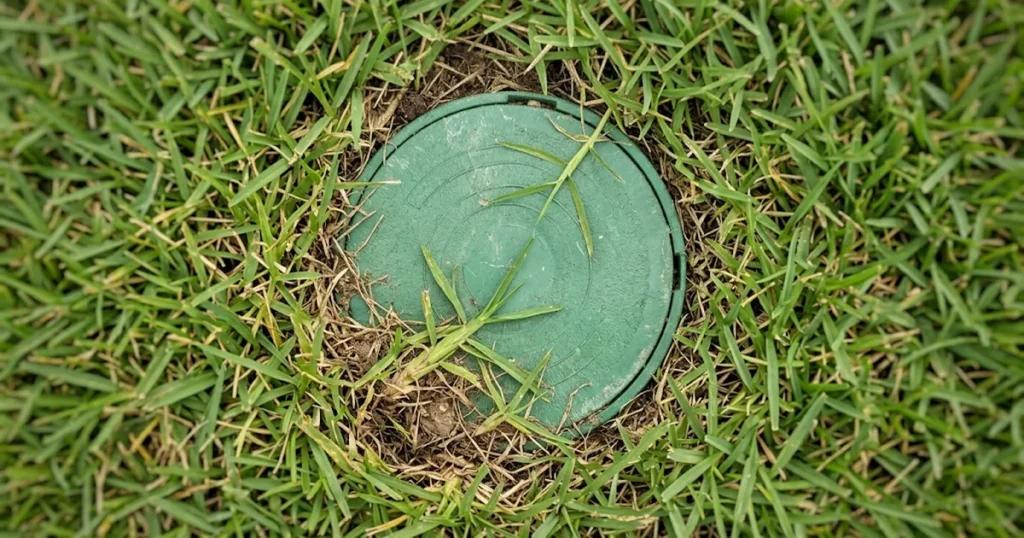
Before you call anyone, walk your property and look for a capped pipe sticking a few inches out of the ground near the foundation or toward the street, often with a threaded or square cap. If you find it, you are in the cheapest tier. Telling the plumber it exists gets you a more accurate quote on the phone.
What Else Moves the Price
Line length. Most residential runs are under 75 feet and priced as a flat visit. Lines running 100 to 150 feet typically add $80 to $200, since the camera run takes longer and needs a longer push rod. Here is how long a sewer camera inspection takes on site.
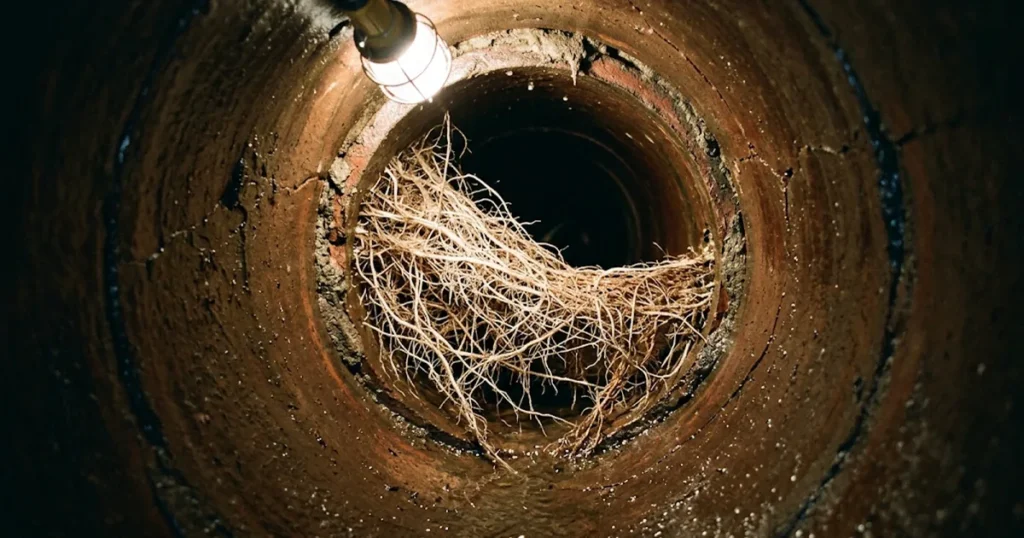
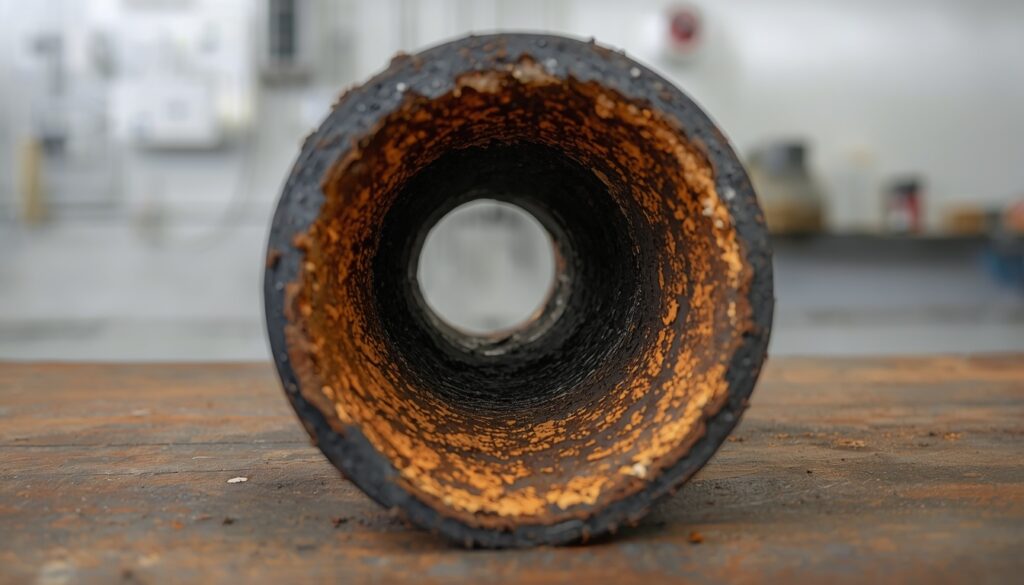
Pipe material and condition. A camera moves easily through smooth PVC. Old cast iron with heavy internal scale, or clay tile with offset joints, snags the head and slows the job. Sometimes the line has to be cleared before a camera can pass at all, which is a separate charge.
Whether a written report is included. A quick look on the technician’s screen is one thing. A recorded video file, a written findings report, and a locate marking where a defect sits underground is another. For a home purchase you want the documented version, and it costs more.
Timing. Rush and after-hours inspections commonly add $100 to $300.
Whether it is bundled. Many plumbers apply the inspection fee toward a repair if you proceed with them. Ask directly, because it changes the real cost of finding out.
Sewer Scope Cost When Buying a Home
If you are here because a real estate agent mentioned a sewer scope, the pricing works differently and it is worth knowing.
A standard home inspection does not include the sewer line. Home inspectors check visible fixtures, run water, and look for surface problems. What happens inside the buried sewer lateral is outside their scope, which is why the sewer scope is booked separately or as an add-on. It matters because that lateral is the homeowner’s responsibility, not the city’s.
As an add-on scheduled alongside your home inspection, expect $100 to $250. Booked standalone, it follows the access tiers above.
The arithmetic here is straightforward. Sewer line repairs average roughly $2,500, and a full replacement can exceed $10,000. A $200 inspection that finds a cracked lateral before closing gives you a documented basis to negotiate, and that leverage disappears the day you sign. On homes older than about 20 years, and especially on anything built before the 1980s with original cast iron or clay tile, that is a straightforward trade.
Two practical notes for buyers. Ask specifically for the video file and a written report, not a verbal summary, because you may need to show it to a seller or a lender. And know that in most jurisdictions the buyer pays for the scope, though who pays for any resulting repair is exactly what the report lets you negotiate.
Is It Cheaper to Rent a Camera?
Rental scopes run $120 to $225 per day, so on paper renting looks competitive with hiring someone.
In practice it usually is not, for three reasons. Rental units reach 150 to 200 feet while professional scopes reach 200 to 400, so a longer lateral may exceed what you rented. Rental cameras generally lack the locating transmitter that marks where a defect sits underground, which is the information that actually makes a repair quotable. And reading the footage is a skill: distinguishing a shadow from a crack, a scale ridge from a belly, or normal joint separation from root intrusion takes experience.
Renting makes sense if you want a rough look at a short line for your own curiosity. If you need findings you can act on, negotiate with, or hand to a contractor, the professional inspection is the cheaper path to the same answer.
For reference, the professional equipment costs $2,500 to $10,000, which is part of why the service is priced the way it is.
What a Sewer Scope Actually Tells You
The inspection is a diagnosis, not a repair, and knowing what it can and cannot deliver keeps expectations straight.
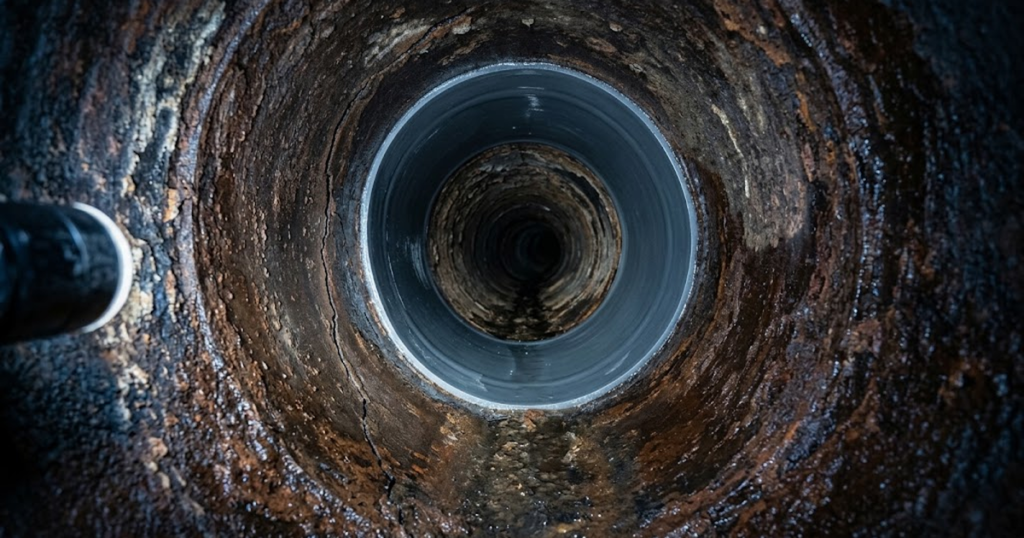
It shows you: cracks and fractures, root intrusion at joints, offset or separated joints, bellies where the line sags and holds water, scale and corrosion narrowing the pipe, blockages and their exact cause, the pipe material, and, with a locator, roughly where a defect sits and how deep. Root intrusion and structural failure in aging lines are, per the EPA, among the leading causes of sanitary sewer problems, which is why the camera is the diagnostic step rather than a guess.
It does not: clear a clog, repair anything, or inspect pipe it cannot physically reach. If the line is fully blocked, the camera stops at the blockage, and clearing has to happen before a full inspection is possible. That clearing is billed separately.
This matters for cost because the findings determine what comes next. A line with root intrusion but intact alignment is a very different repair bill from one with a collapsed section, and our sewer line replacement vs pipe lining comparison walks through what each path costs once you have the footage.
When You Do Not Need One
Being straight about this, since we sell the service: a sewer scope is not automatic maintenance for every home.
If your drains run normally, your home is newer with PVC lines, and you have no mature trees near the sewer run, there is little to find. Scoping a five-year-old PVC lateral because someone suggested it is usually money spent on confirmation you already have.
The cases where it earns its cost are specific: recurring backups that clearing does not fix, a home older than roughly 30 years with original cast iron or clay tile, mature trees between the house and the street, sewage odor or gurgling across multiple fixtures, or any home purchase where the lateral’s condition is unknown. If none of those describe your situation, it can wait. We cover the value question in more depth in our guide on whether a sewer camera inspection is worth it.
Frequently Asked Questions
How much does a sewer scope inspection cost?
A sewer scope inspection costs $125 to $500 in 2026 when an accessible cleanout exists, and $175 to $750 without one, since a toilet must be removed for access. As an add-on to a home inspection it runs $100 to $250. Nuflow DFW camera inspection starts at $250+ (as of Q2 2026).
Why do sewer camera inspection quotes vary so much?
Access is the main reason. With an existing cleanout the job is quick and cheap. Without one, a toilet has to be pulled and reset, adding $50 to $220. If no cleanout exists and one must be installed, that adds $500 to $1,500, which is where four-figure totals come from.
Is a sewer scope included in a home inspection?
No. A standard home inspection covers visible plumbing fixtures and drainage but not the buried sewer lateral. The sewer scope is a separate service, commonly offered as an add-on for $100 to $250 when scheduled alongside the home inspection, or booked standalone at normal rates.
Who pays for the sewer scope when buying a house?
In most transactions the buyer pays for the sewer scope as part of due diligence, since it is their inspection. What the report is really for is negotiation: findings documented before closing give you a basis to ask the seller for repairs or a price reduction, which is leverage you lose after signing.
Can I rent a sewer camera instead of hiring a plumber?
Rentals cost $120 to $225 per day, but they reach only 150 to 200 feet versus 200 to 400 for professional equipment, and they typically lack the locator that marks where a defect sits underground. For findings you intend to act on or negotiate with, professional inspection is usually the cheaper route.
How long does a sewer scope inspection take?
Most residential sewer scopes take under two hours, and a straightforward line with an accessible cleanout is often done in under an hour. Jobs without a cleanout take longer because of toilet removal and reinstallation, and a line that must be cleared before the camera passes takes longer still.
Does a sewer inspection fee apply toward repairs?
It depends on the company, and it is worth asking before booking. Many plumbers credit the inspection fee toward a repair if you proceed with them, which effectively makes the diagnosis free when work follows. Others bill it separately regardless. Get the policy in writing with the quote.
The Bottom Line
Budget $125 to $500 if you have a cleanout and $175 to $750 if you do not, and check your yard for that capped pipe before you call, because it is the single biggest factor in what you will pay.
Then judge the quote on what you receive rather than the number alone. A verbal “looks fine” and a recorded video with a written report and a marked defect location are not the same product, and only one of them is useful when you need to negotiate a price or hand findings to a contractor.
Nuflow DFW is licensed by the Texas State Board of Plumbing Examiners (RMP# 46694) and provides sewer camera inspection across the Dallas-Fort Worth Metroplex, with a free on-site estimate before any work begins. Call (469) 701-0597.