Sewer odor is one of those problems that makes a space feel uncomfortable fast. The smell can show up in bathrooms, kitchens, basements, or even outside the property. It often starts small, then becomes stronger over time. Many people try quick fixes like cleaners or drain treatments, but the odor usually comes back. That is because the real issue is often hidden inside the sewer pipe itself.
Cracks, small leaks, and worn-out joints allow sewer gases to escape. These gases move through walls, floors, and drains, which is why the smell never fully goes away. Old pipes and underground damage make the problem worse. This is common in both homes and commercial buildings.
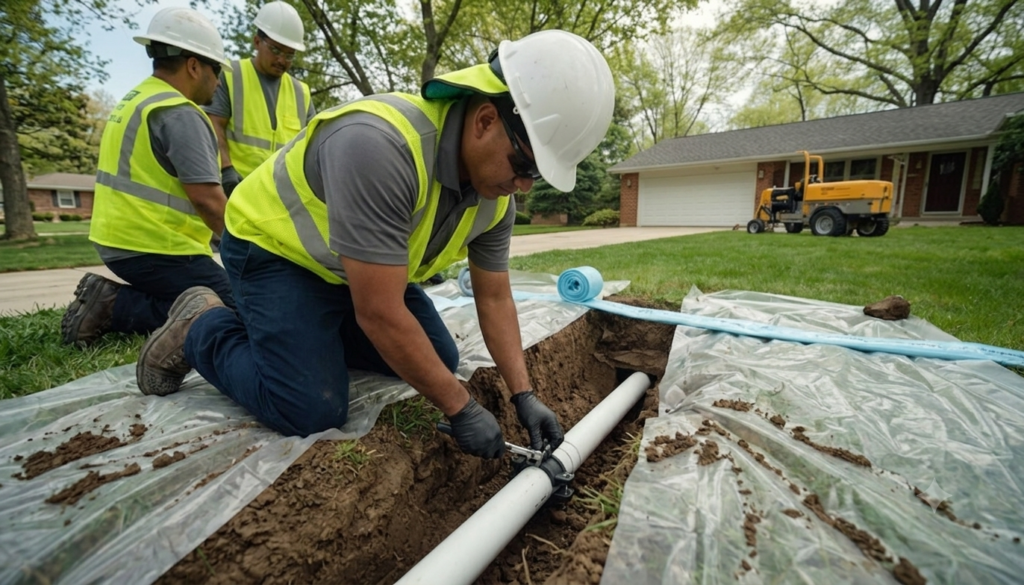
Modern sewer repair methods focus on sealing the pipe from the inside. Pipe lining creates a smooth inner layer that blocks sewer gas and stops leaks at the source. It helps control sewer odor without digging or major disruption. This approach offers a long-term solution instead of a temporary cover-up.
Common Causes of Sewer Odors
Sewer odors usually do not come from the drain itself. They come from problems inside the sewer system that allow gas to escape. These smells often build up slowly and then become hard to ignore. In many cases, the pipe is damaged, worn out, or no longer sealed the way it should be. When this happens, sewer gas finds small openings and moves into living spaces.
Here are some of the main causes of sewer odors:
- Cracked or broken sewer pipes
Small cracks form as pipes age or shift underground. These cracks let sewer gas leak out and spread through walls, floors, or soil. - Leaking pipe joints
Over time, pipe connections loosen. Gaps at the joints become an easy exit point for sewer odor. - Corroded or aging pipes
Older metal or clay pipes wear down. As the pipe thins, odors escape more easily. - Root intrusion
Tree roots break into sewer lines and create openings where sewer gas can pass through. - Hidden underground leaks
Leaks below the surface allow sewer odor to rise around the property without visible signs.
Why Traditional Sewer Repairs Don’t Always Fix Odor Issues?
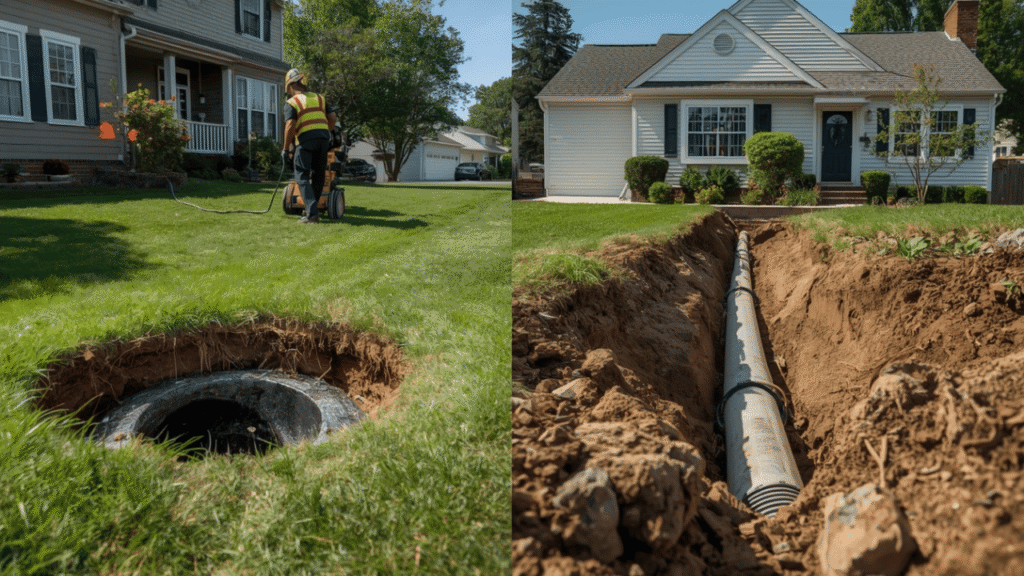
Traditional sewer repairs often focus on surface problems, not the full pipe system. That is why sewer odor can return even after repairs are done. Methods like patching a small section, tightening a joint, or clearing a blockage may help for a short time. They do not seal the entire pipe. Small cracks, weak joints, and hidden leaks stay behind. Sewer gas keeps finding new paths to escape. In older sewer lines, damage is rarely limited to one spot. When only one area is fixed, odor issues usually move instead of disappearing.
Dig-and-replace repairs can also miss minor gaps that release sewer odor later. This is why many homeowners deal with repeat smells after spending money on repairs. A solution that seals the pipe from the inside is often needed to stop sewer odor at the source, not just reduce it temporarily.
Is Pipe Lining the Right Solution for Your Sewer Odor Problem?
Pipe lining is a strong option when sewer odor keeps coming back and quick fixes no longer help. It works best when the smell is caused by cracks, leaks, or aging pipes that allow sewer gas to escape. Instead of covering the odor, pipe lining seals the pipe from the inside and stops the problem at its source. This makes it a long-term solution, not a temporary one.
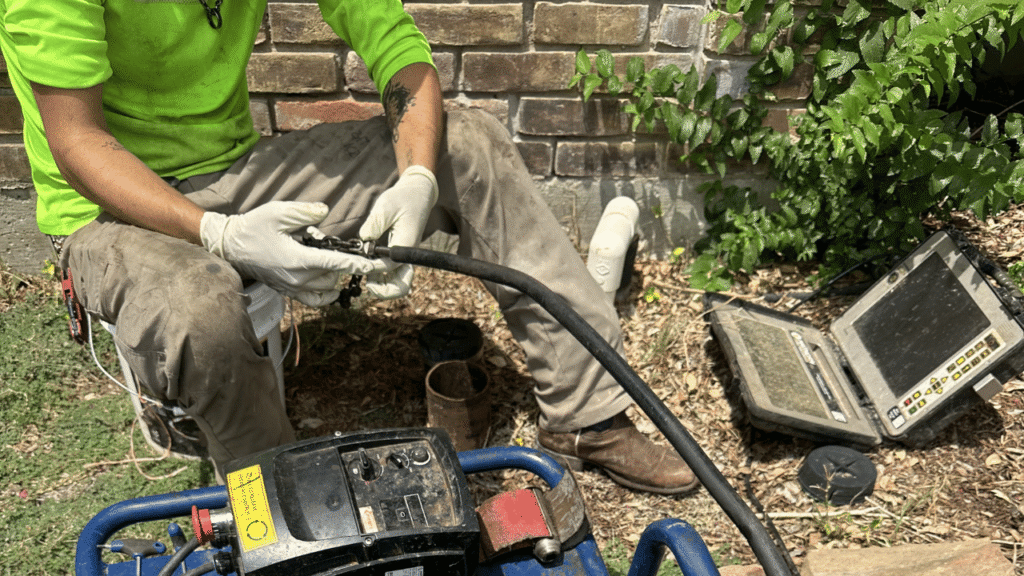
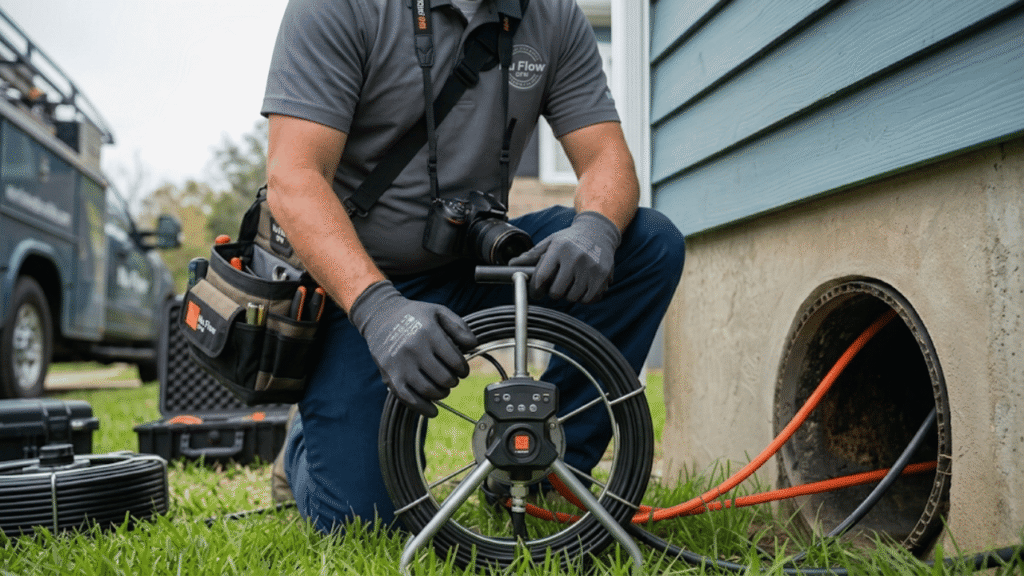
At NuFlow DFW, we specialize in trenchless pipe lining for sewer odor problems. Our process starts with a sewer camera inspection to find the exact cause of the smell. We then install a durable liner inside the existing pipe, creating a smooth and sealed surface that blocks sewer gas and prevents future leaks. There is no heavy digging and no damage to your property. If sewer odor is affecting your home or business, NuFlow DFW provides a clean, reliable, and lasting solution.