Your kitchen sink works hard every day, from washing dishes to cleaning up after meals. With all that use, it’s no surprise that plumbing issues can pop up from time to time. Whether it’s a slow drain or a leaky faucet, these common problems can affect your kitchen’s functionality.
It’s important to spot these issues early on. The sooner you address them, the less likely they are to turn into bigger, more expensive problems. In this guide, we’ll walk you through the most common kitchen sink plumbing issues and show you how to prevent or fix them before they get out of hand.
Top 5 Common Kitchen Sink Plumbing Issues You Should Watch For
Kitchen sinks are essential for many everyday tasks, so when something goes wrong, it can disrupt your whole routine. While some problems are minor and easy to fix, others can cause major headaches if not addressed early. Here are the top five plumbing issues you might encounter with your kitchen sink:
1. Slow or Clogged Drains
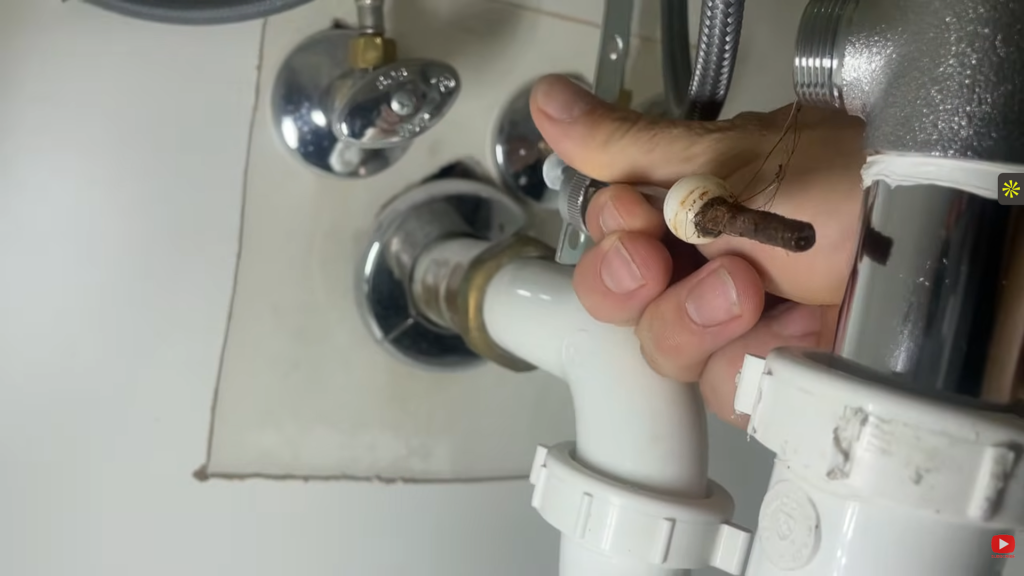
One of the most common issues with kitchen sinks is a slow drain. Over time, food scraps, grease, soap, and other debris can build up in your pipes, leading to clogs. Even small bits of food that go down the drain can eventually cause a bigger problem.
To prevent this, try to avoid putting greasy or fatty foods down the drain, and use a drain strainer to catch any leftover food. Regularly running hot water down the drain can also help clear away any small buildup before it becomes a major clog.
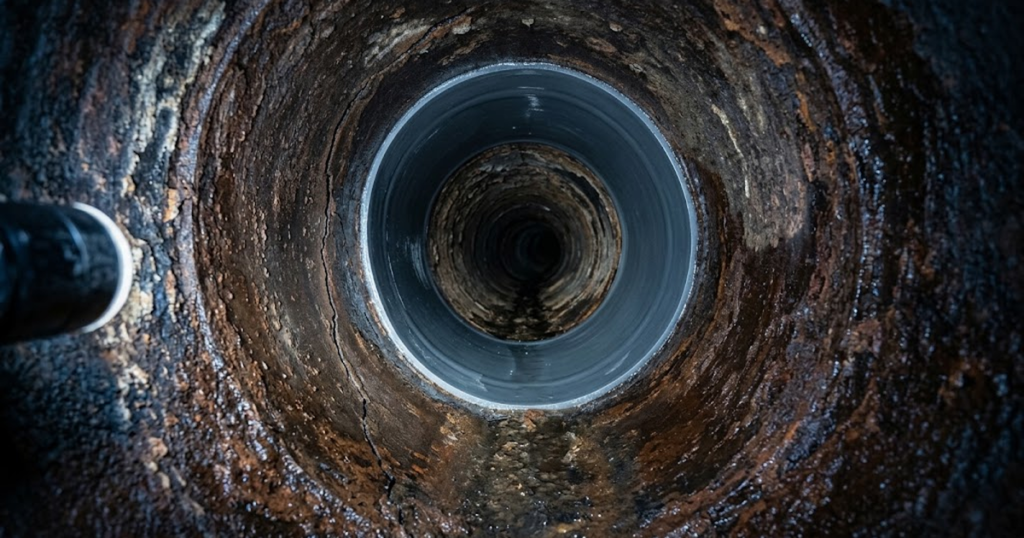
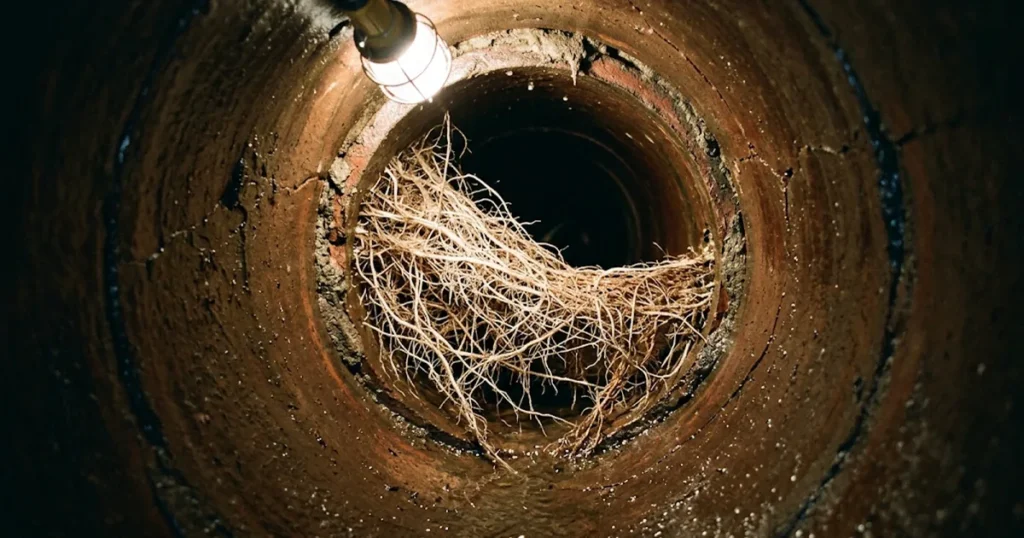
If your drain is already slow, try some DIY fixes like using a plunger or a baking soda and vinegar mix. But if these don’t work or the clog is persistent, it might be time to call in a professional. A plumber can perform a video inspection to see exactly where the clog is and fix it quickly.If roots are causing the problem, check out our guide on how to fix root problems in drain pipes before they get worse.
2. Sink Backups
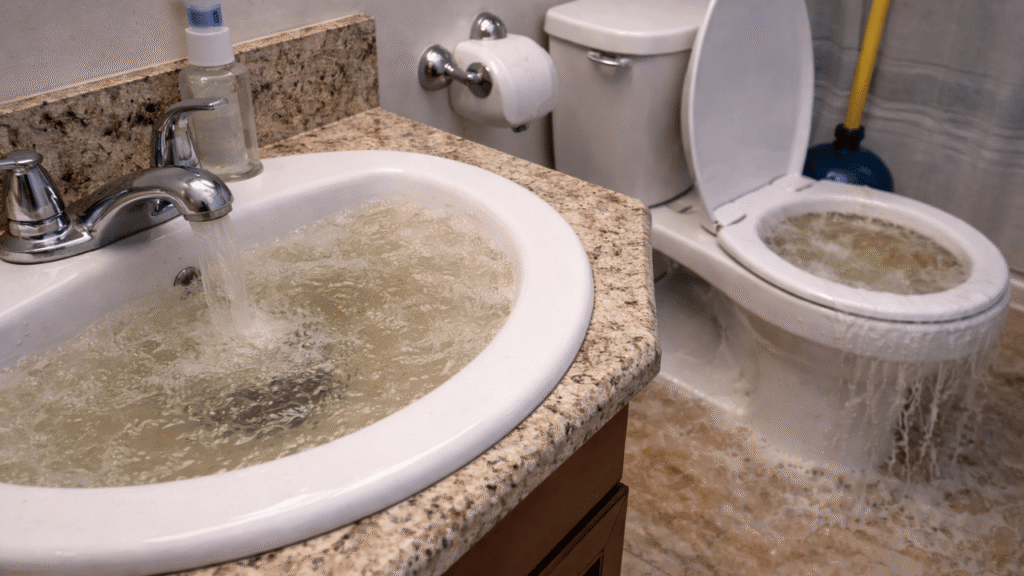
A sink backup is one of those plumbing issues you definitely don’t want to ignore. It happens when water starts to rise in your sink, often due to a clog or an issue in the pipes. In some cases, a backup can be a sign of a bigger problem, like a blocked sewer line, which can lead to even more mess and damage if not dealt with quickly.
Here’s what to look for:
- Water rising in your sink – If the water won’t drain, or it’s rising up instead of going down, that’s a red flag.
- Gurgling sounds – You might hear strange gurgling noises coming from the drain, indicating a blockage further down the line.
3. Leaky Faucets
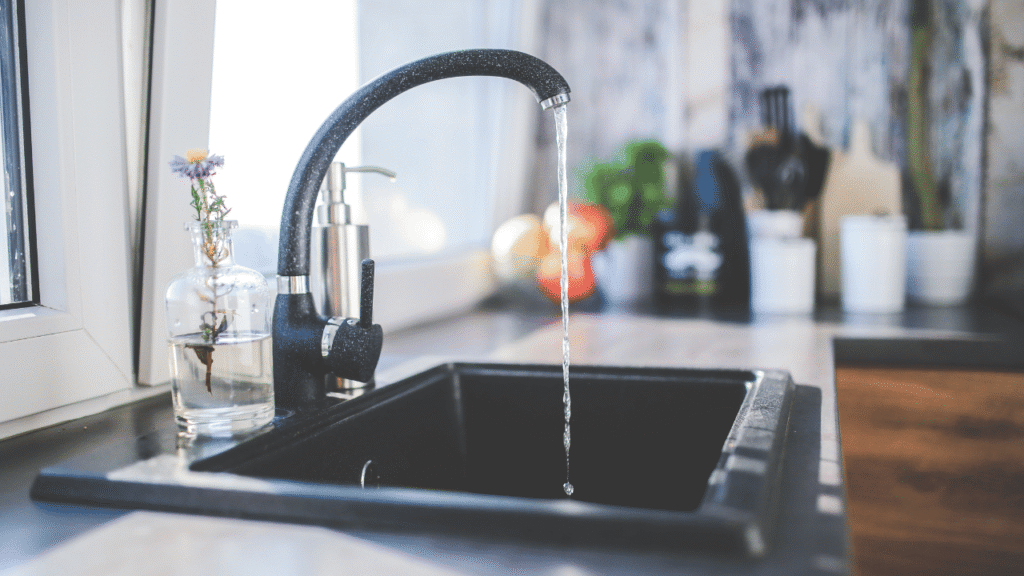
Leaky faucets are one of those plumbing issues that can get really annoying. Common causes include worn-out washers, faulty valves, or even a broken O-ring. While it might seem like a small issue, those constant drips can add up, not only in your water bill but also in potential damage to your sink or countertop.
If you’re up for a DIY fix, you can try replacing the washer or tightening the valve yourself. However, if the leak persists or you’re unsure about fixing it, it might be time to call in a professional plumber to take care of the issue.
4. Garbage Disposal Problems
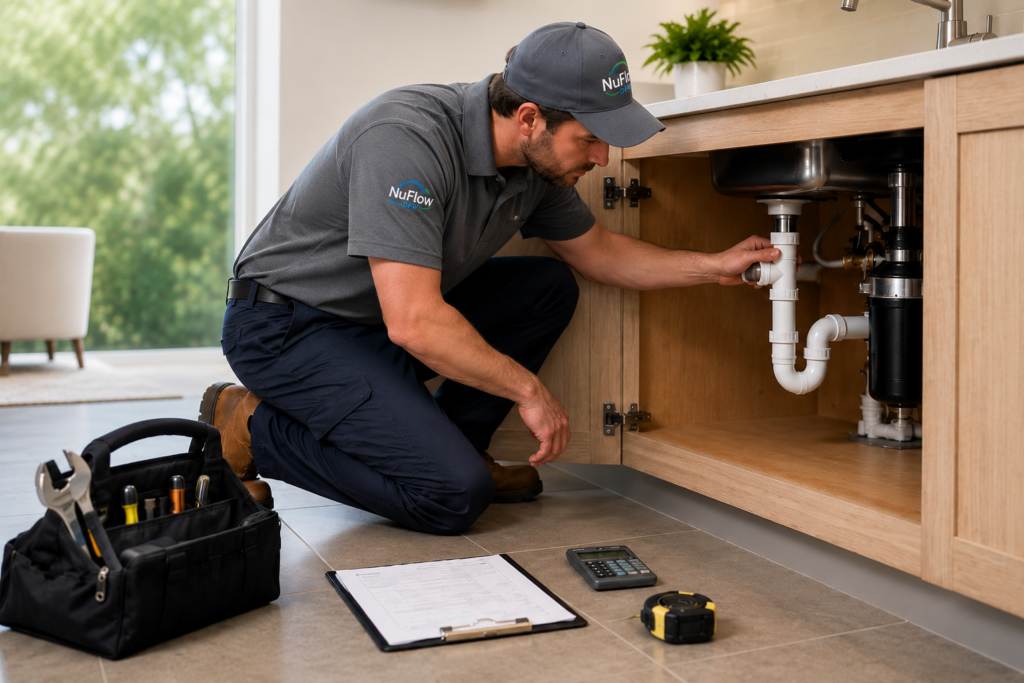
Garbage disposals are super convenient, but they can run into a few problems now and then. Some common issues include jams, humming noises, or leaks. If your disposal is making a humming sound but not working, it’s likely jammed. A quick fix can be using the reset button or using a wrench to manually turn the disposal to clear the jam.
However, if the humming persists or if you notice leaks or unusual sounds, it might be best to reach out to a plumber. Garbage disposal problems can sometimes be more complicated than they seem, and you don’t want to risk making it worse.
5. Poor Water Pressure
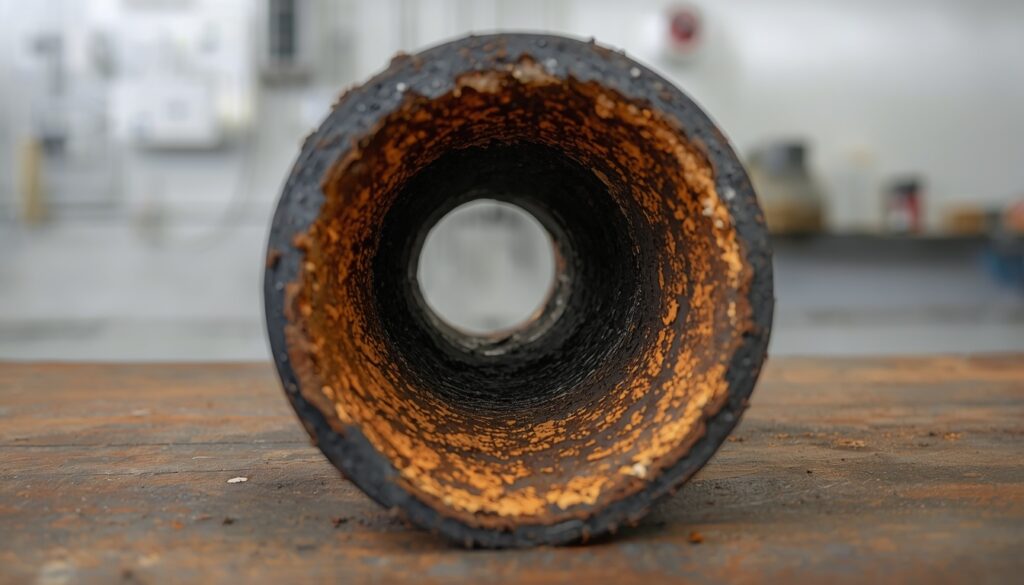
Having low water pressure at your kitchen sink can be really frustrating. It might make simple tasks, like washing dishes or rinsing vegetables, a lot more time-consuming. The most common causes of low water pressure include pipe corrosion, blockages, or issues with the water supply itself.
To troubleshoot, start by checking if other faucets in your house are experiencing the same issue. If it’s only the kitchen sink, try cleaning the aerator at the tip of the faucet, as it can get clogged with mineral deposits. If this doesn’t fix the problem, there may be a deeper issue within the pipes, and a plumber can help you figure out the cause.
Prevent Future Kitchen Sink Plumbing Problems
Taking care of your kitchen sink plumbing doesn’t have to be difficult. With just a little attention and regular maintenance, you can avoid most common issues and keep your sink running smoothly for years to come.
- Regular Inspections:
Check for leaks under the sink, around faucet handles, and ensure there’s no water pooling around the drain. Catching small issues early can prevent bigger, more expensive repairs later. - Keep It Clean:
Avoid pouring grease, food scraps, or large food chunks down the drain. Use a drain strainer to catch food and prevent clogs. Run hot water through the pipes regularly to clear away buildup. Occasionally, use a natural mixture of baking soda and vinegar to clear the drain. - Professional Maintenance:
Schedule a professional inspection once a year to check for pipe wear and clear stubborn blockages. Plumbers can also help prevent issues before they become major problems.
- Extend the Lifespan of Your Plumbing Fixtures:Turn off the water supply when doing any work on your sink. Avoid using harsh chemicals that could damage the fixtures. For the garbage disposal, regularly run cold water and grind small ice cubes to help keep it clean and efficient.
- Sink Strainer :Using a sink strainer can catch food debris before it goes down the drain, helping reduce clogs and keep your kitchen plumbing working well.
By staying on top of maintenance and knowing what to look for, you can keep your kitchen sink plumbing in great shape, saving time, money, and hassle down the road!
Conclusion
In this guide, we’ve covered the top kitchen sink plumbing issues that homeowners often face, from slow drains to leaky faucets and garbage disposal problems. Addressing these problems early can save you from larger headaches and costly repairs down the road.
By keeping an eye on your plumbing, maintaining your fixtures, and knowing when to call for help, you can ensure your kitchen sink stays in great shape for years to come.
If you’re dealing with any of these issues, don’t wait until they get worse. Contact your plumbing service for inspections and repairs. At Nuflow DFW, we’re here to help with all your kitchen sink plumbing needs, from routine maintenance to emergency repairs. Give us a call today, and let’s keep your plumbing running smoothly!