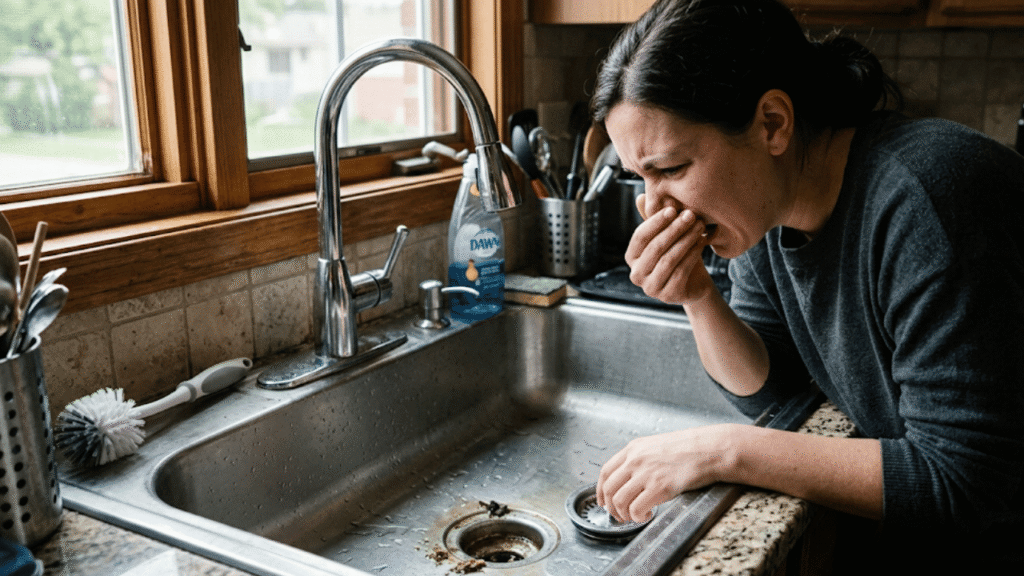
When a drain smells like rotten eggs, the cause is almost always hydrogen sulfide (H2S), the gas in sewer gas. The most common source is a dry or dirty P-trap under a sink, which is a 5-minute fix. The smell can also point to bacteria buildup, a venting problem, or a sewer line issue. One case is different and urgent: a strong rotten egg smell through the whole house can mean a natural gas leak.
That last point matters, so start here. If the smell hit suddenly and is strong all over your home, not just at one drain, treat it as a possible gas leak: leave the house, then call your gas company or 911 from outside. Natural gas has a sulfur odorant added on purpose so leaks smell like rotten eggs. Once you have ruled that out, the rest of this guide walks through every plumbing cause, from the easy DIY ones to the jobs that need a licensed plumber.
Where Is the Smell Coming From?
Pinning down the source narrows the cause in seconds. Use this quick check before anything else:
- One drain or sink, only near the drain: almost always a local P-trap or buildup problem. Usually DIY.
- Several drains around the house: likely a sewer line or vent issue. Call a plumber.
- Only the hot water at the tap: the water heater, not the drain. The anode rod is reacting with sulfur in the water.
- Both hot and cold water at the tap: a water supply issue, more common on well water than city water.
- Strong, sudden, whole-house: stop and treat it as a possible natural gas leak. Leave and call from outside.
Most DFW homes run on city water, so the water-supply cause is rare here. The drain and sewer causes below are what we see on the vast majority of rotten egg smell calls.
What Causes the Rotten Egg Smell? 7 Causes Ranked
1. A Dry P-Trap (Most Common)
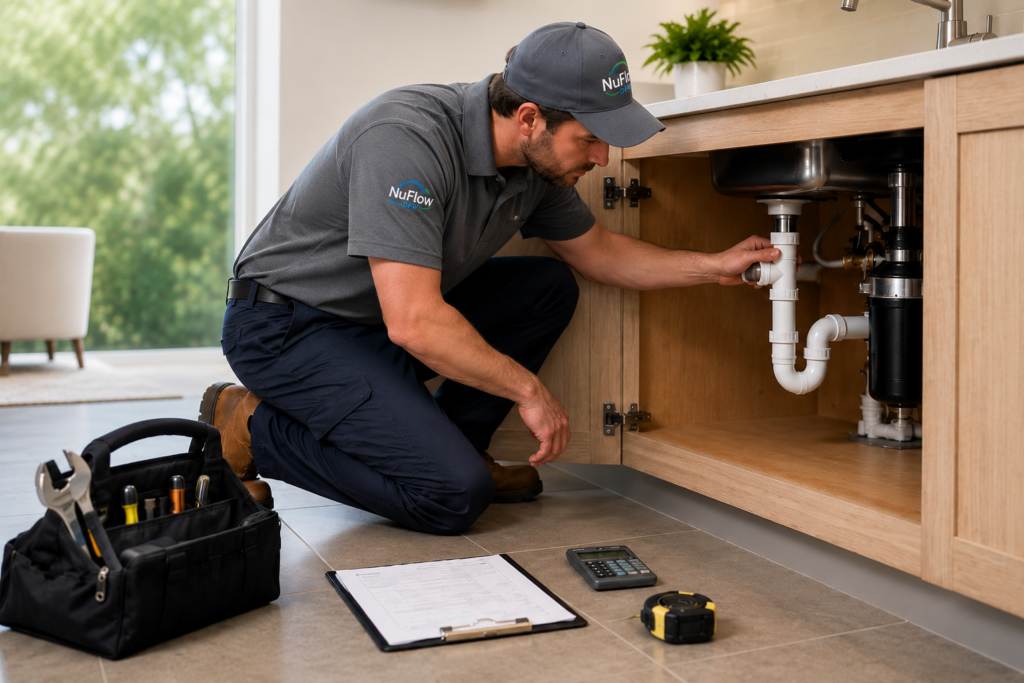
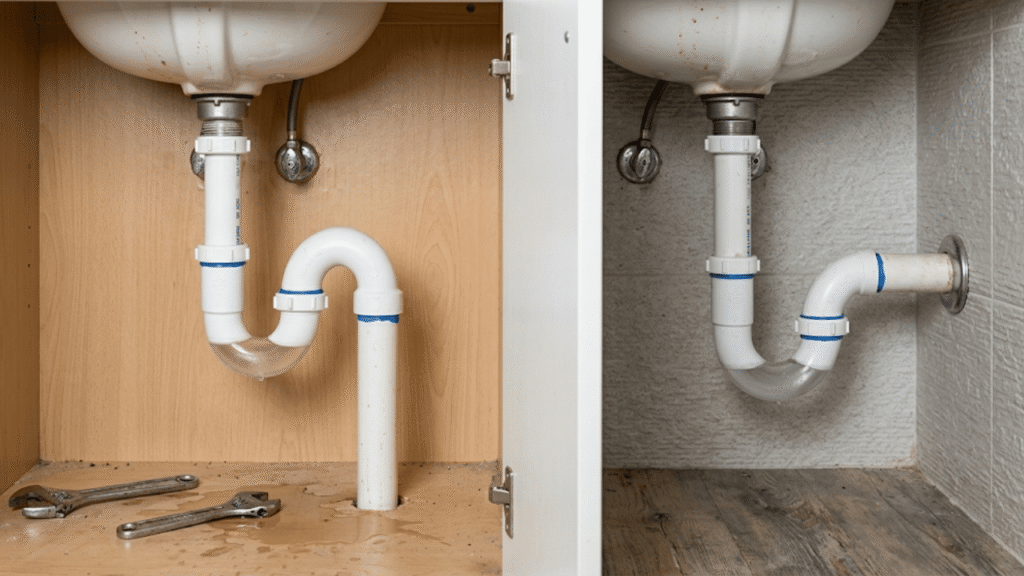
The P-trap is the U-shaped bend of pipe under every sink, tub, and floor drain. It holds a small plug of water that blocks sewer gas from rising into the room. When a drain goes unused, that water evaporates, the seal breaks, and H2S drifts straight up the drain.
This is the top cause in guest bathrooms, basement floor drains, and rarely used sinks. The giveaway: the smell comes from one fixture you do not use often.
Fix: Run water down the drain for one to two minutes to refill the trap. For drains you rarely use, run water in them every week or two. Texas heat speeds up evaporation, so unused traps in DFW homes dry out faster than you would expect.
2. A Dirty P-Trap or Tailpiece
Even with water in it, the trap and the straight pipe above it (the tailpiece) collect hair, soap scum, toothpaste, and grease. That gunk grows bacteria, and the bacteria give off the same rotten egg odor. The tailpiece is the part most people overlook.
Fix: Pour a half cup of baking soda followed by a cup of white vinegar down the drain, let it fizz 10 to 15 minutes, then flush with hot tap water. For heavier buildup, remove the trap (bucket and towel underneath), clean it and the tailpiece with a brush, and reinstall. A new plastic P-trap costs only a few dollars if the old one is worn.
3. Biofilm and Bacteria in the Drain
Sulfate-reducing bacteria feed on the organic film coating the inside of drain pipes, and produce hydrogen sulfide as a byproduct. This is why a drain that runs slow or sees a lot of soap, food, and hair starts to smell over time.
Fix: The baking soda and vinegar treatment works for light cases. For a stubborn coating, an enzyme drain cleaner left overnight breaks down the biofilm without harsh chemicals. Avoid chemical drain cleaners, which rarely clear the film and can damage pipes.
4. A Garbage Disposal Full of Food
In a kitchen sink, trapped food under the disposal blades and splash guard rots and smells like sulfur. This one is easy to confirm: the smell is worst right at the disposal.
Fix: Grind a tray of ice cubes with a handful of citrus peels to knock food off the blades, then scrub the rubber splash guard, which holds more gunk than anything else.
5. A Clogged or Blocked Plumbing Vent
Your plumbing has vent pipes running up through the roof that let sewer gas escape outside and let drains flow freely. When a vent clogs with leaves, a bird nest, or debris, gas cannot exit the top, so it pushes back into the house instead. The clue is gurgling drains and slow draining across several fixtures.
Fix: This is a roof job and a diagnostic one, so it is better left to a plumber than handled from a ladder.
6. A Sewer Line Problem
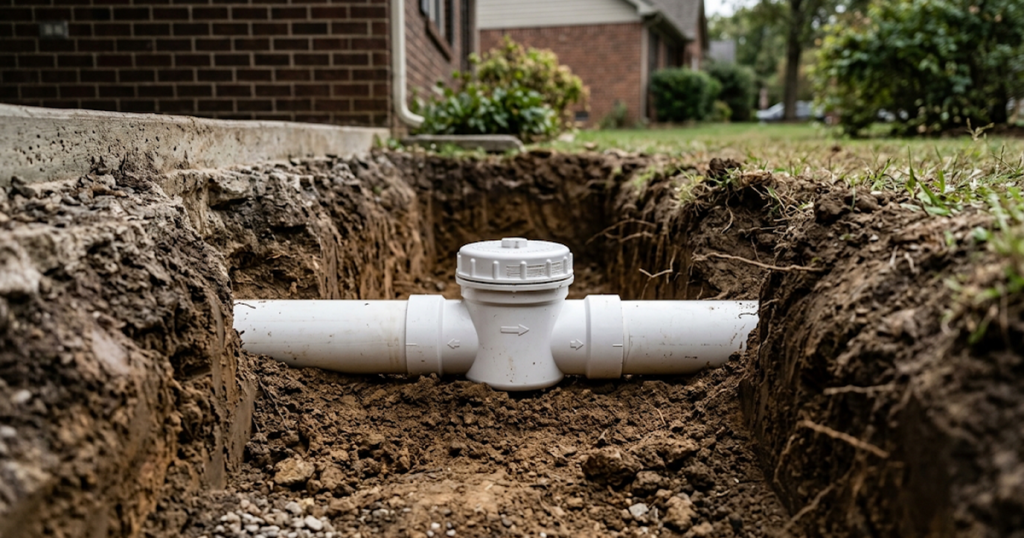
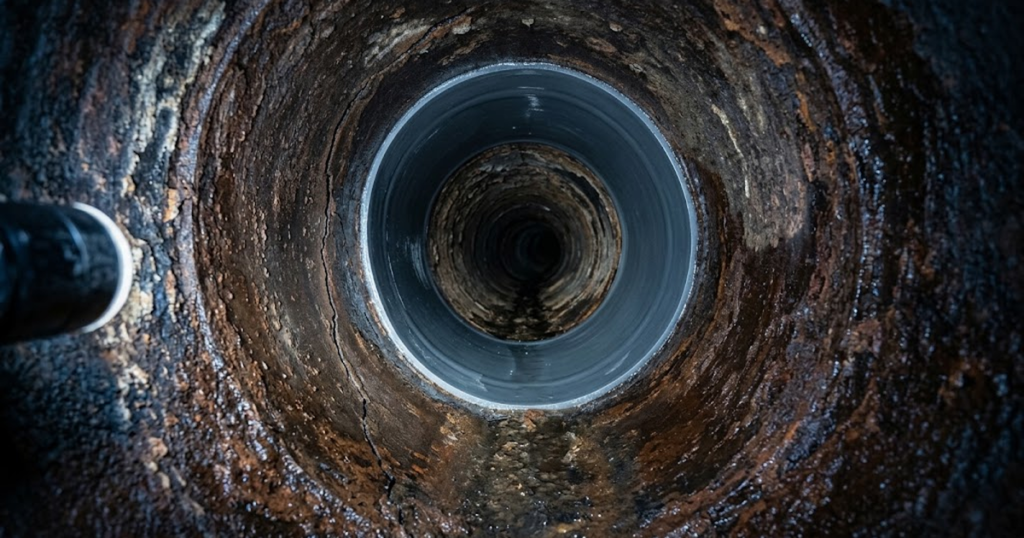
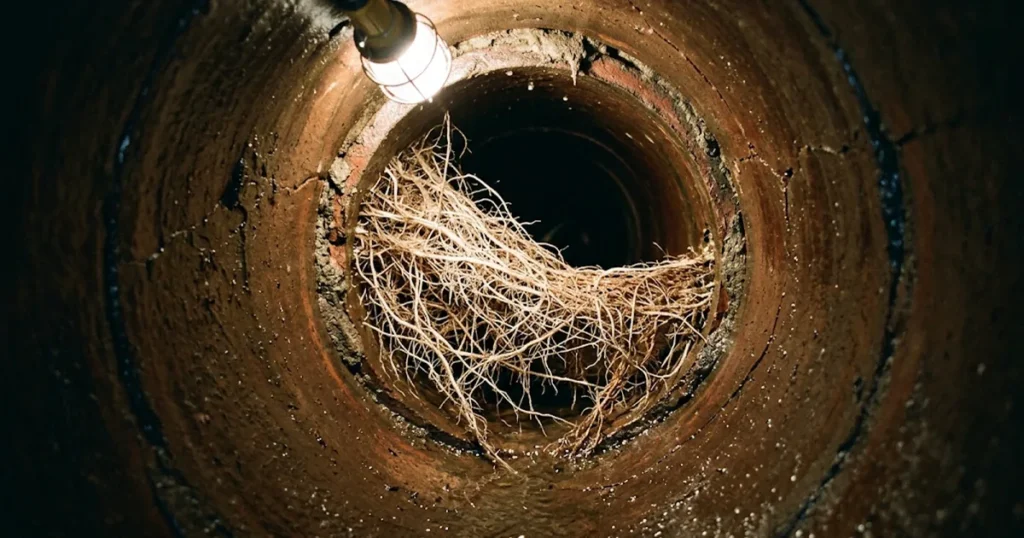
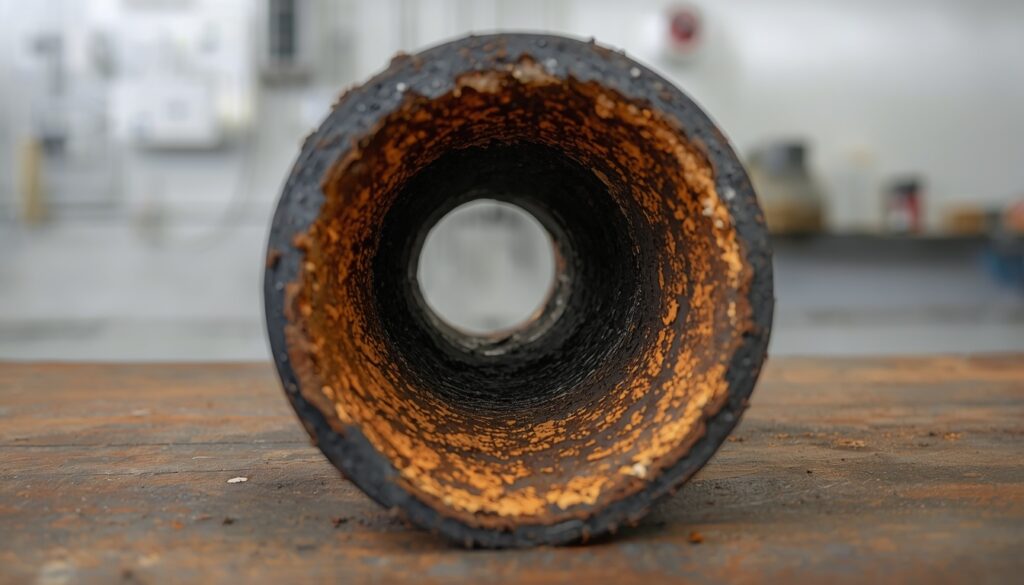
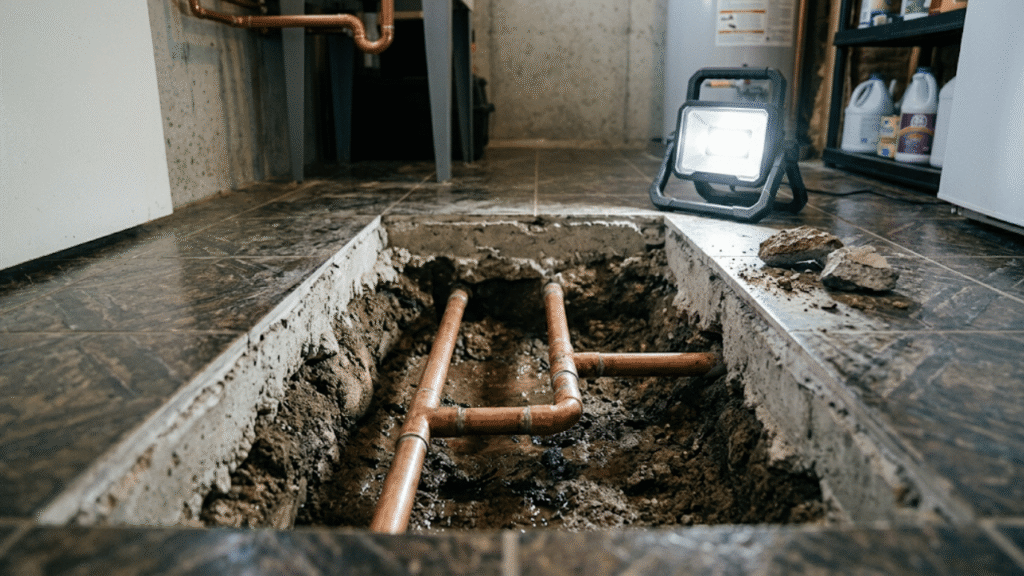
When several drains smell at once, the issue is usually deeper, in the main line. A partial clog, grease buildup, tree roots, or a cracked or offset pipe lets sewer gas back up into the home. In older DFW neighborhoods, shifting clay soil cracks and separates aging cast iron and clay sewer joints, and that is a common path for gas to escape.
Fix: This needs a camera. A sewer camera inspection shows the exact location and cause, and hydro jetting clears roots and buildup that a household drain cleaner cannot touch.
7. A Missing or Faulty Trap (Rare)
After a remodel or a DIY install, a fixture sometimes ends up with no trap, the wrong trap, or a dried-out one that keeps failing. With nothing holding a water seal, sewer gas has an open path indoors.
Fix: A plumber confirms the trap is present, correctly sized, and properly vented.
A Note on Hot Water That Smells Like Rotten Eggs
If the smell is only in your hot water and not the drain itself, the source is your water heater, not your plumbing. The sacrificial anode rod inside the tank reacts with sulfur in the water and produces hydrogen sulfide. Flushing the tank and, if needed, replacing the anode rod usually solves it. Our guide on how to flush a water heater walks through the full process.
Is Sewer Gas Dangerous?
For most household smells, the concern is the warning, not the dose. The rotten egg odor is detectable at very low levels, far below what causes harm. The Illinois Department of Public Health notes{target=”_blank” rel=”noopener”} that you can smell hydrogen sulfide well before it reaches a level that would make you sick.
That said, do not ignore it. At low levels, ongoing exposure can cause headaches, nausea, eye and throat irritation, and fatigue. At high concentrations H2S is genuinely dangerous: OSHA classifies it as toxic and highly flammable{target=”_blank” rel=”noopener”}, and your nose stops detecting it after a while, which removes your natural warning. One more reason it matters: when several family members stop noticing a smell that visitors immediately complain about, the exposure has likely been steady for a while. Ventilate, find the source, and fix it rather than masking it.
When to Call a Plumber
Call a licensed plumber, not a candle, when you see any of these:
- The smell comes from more than one drain, or drains gurgle and run slow
- It comes back no matter how often you clean the drain or refill the trap
- You see actual sewage backing up, or damp spots and dark residue around fixtures
- The odor is strong enough to cause headaches or nausea
- A camera is needed to find a crack, root intrusion, or buildup in the line
Nuflow DFW is a licensed Texas Master Plumber (RMP# 46694) and runs 24/7 across the Dallas-Fort Worth area. We diagnose a persistent rotten egg smell with a camera first so you are not paying to guess, then clear it with drain cleaning or hydro jetting, or pinpoint and repair a damaged line. Call (469) 701-0597 for a same-day inspection.
How Much Does It Cost to Fix in DFW?
Simple causes cost nothing but your time. For the rest, here is a realistic starting range (as of Q2 2026):
- Drain cleaning: starts at $150+
- Hydro jetting (roots, heavy grease): starts at $350+
- Sewer camera inspection: starts at $250+
Final cost depends on what the inspection finds, the depth, and access. A camera inspection is the step that turns guesswork into a fixed price, and it often saves money by ruling out a full dig.
Texas-Specific Reasons This Happens
DFW has a few local factors that make rotten egg smells more common than in other regions:
- Clay soil movement. North Texas expansive clay shifts with wet and dry cycles, which cracks and separates older sewer joints and opens a path for gas.
- Summer heat. High temperatures dry out P-traps in unused drains faster, so guest baths and floor drains start smelling sooner.
- Older housing stock. Homes built before 1980 across Dallas, Fort Worth, and Plano often still run on cast iron or clay sewer lines that are now corroding and cracking.
How to Prevent the Smell From Coming Back
- Run water in unused sinks, tubs, and floor drains every week or two to keep traps sealed
- Pour an enzyme drain cleaner down kitchen and bathroom drains monthly to control biofilm
- Clean the garbage disposal and splash guard regularly
- Avoid washing grease and food scraps down the drain
- Have the sewer line camera-inspected if you own an older DFW home and smells keep returning
Frequently Asked Questions
Why does my sink smell like rotten eggs?
A sink smells like rotten eggs because of hydrogen sulfide gas. The most common reasons are a dry P-trap letting sewer gas rise, or bacteria growing on hair, soap, and food buildup in the trap and drain. Running water to refill the trap or cleaning the trap usually fixes it.
Is a rotten egg smell from the drain dangerous?
The smell is usually a warning, not an immediate danger, since you can detect hydrogen sulfide far below harmful levels. Ongoing low exposure can cause headaches and nausea, and high concentrations are toxic and flammable. A sudden strong smell through the whole house can mean a natural gas leak, so leave and call from outside.
How do I get rid of the rotten egg smell in my drain?
For a dry trap, run water for one to two minutes. For buildup, pour a half cup of baking soda and a cup of white vinegar down the drain, wait 15 minutes, and flush with hot water. An enzyme cleaner left overnight clears stubborn biofilm. If the smell returns, the cause is deeper in the line.
Why do all my drains smell like rotten eggs?
When multiple drains smell at once, the problem is usually in the main sewer line or a blocked vent, not the individual fixtures. Roots, grease, a partial clog, or a cracked pipe can push sewer gas back into the home. This needs a camera inspection and a licensed plumber to diagnose and clear.
Why does only my hot water smell like rotten eggs?
If only the hot water smells and the drain does not, the source is your water heater, not your plumbing. The anode rod inside the tank reacts with sulfur in the water and produces hydrogen sulfide. Flushing the tank and replacing the anode rod usually resolves it.
Can a rotten egg smell be a gas leak instead of sewer gas?
Yes. Natural gas has a sulfur odorant added so leaks are noticeable, and it smells similar to rotten eggs. The difference is location: sewer gas comes from a specific drain, while a gas leak smell is often sudden and spreads through the house. If you suspect gas, leave immediately and call your gas company or 911 from outside.
How much does it cost to fix a smelly drain in DFW?
Simple fixes like refilling or cleaning a trap cost nothing. Professional drain cleaning starts at $150+, hydro jetting at $350+, and a sewer camera inspection at $250+ (as of Q2 2026). Final cost depends on the cause, depth, and access, which a camera inspection confirms before any work.