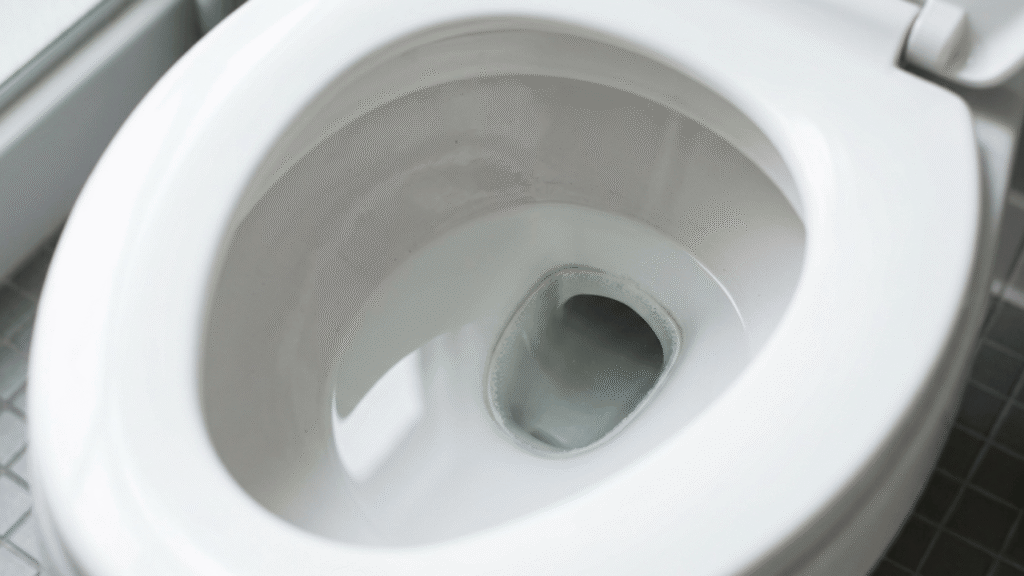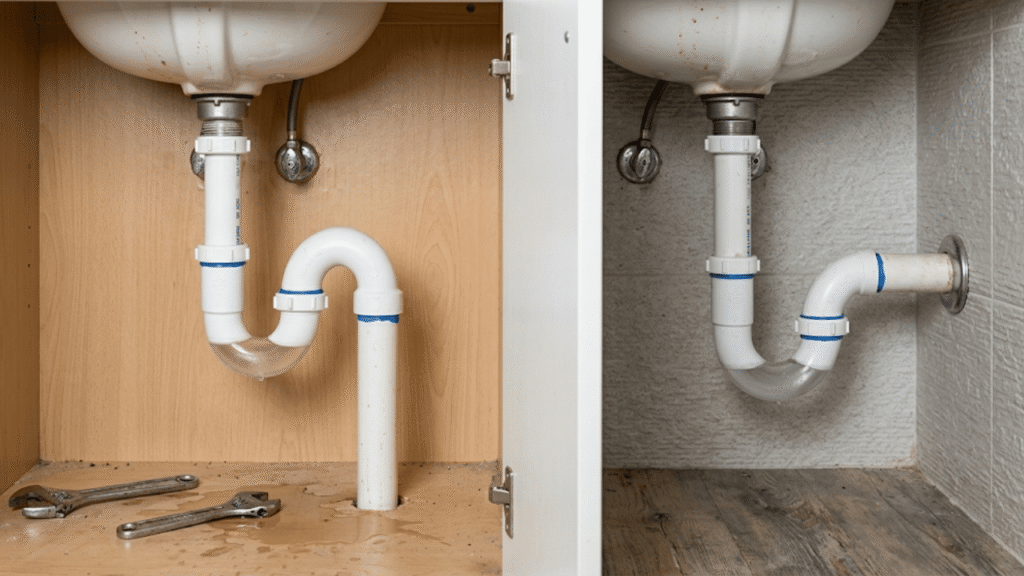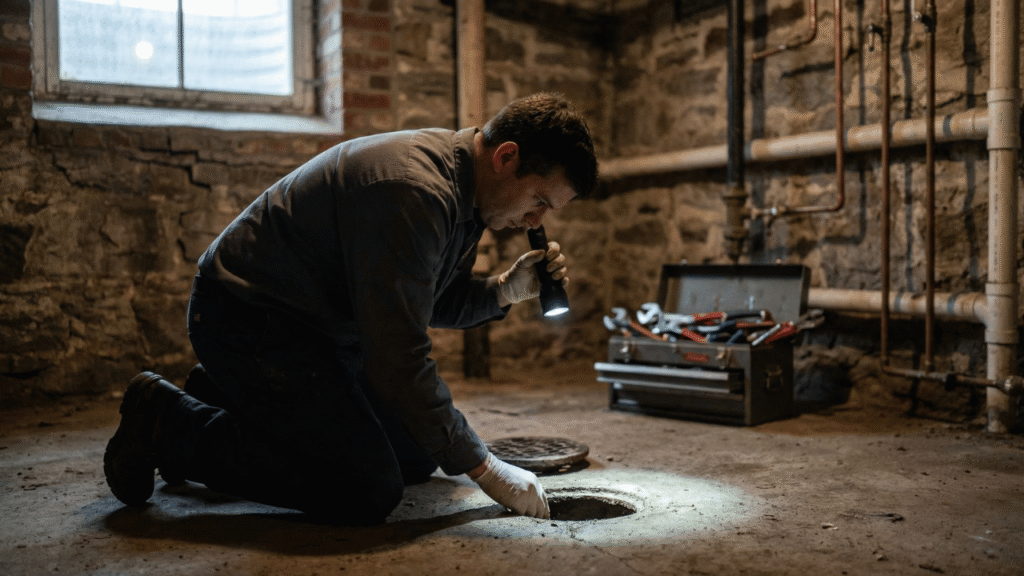
To unclog a basement floor drain, remove the cover and clear the trap first, since packed mud and grit in that curved section cause most of these clogs. Vacuum out any standing water, scoop the trap clean through the cleanout plug or sediment bucket, then work through a plunger, a baking soda flush, and a drain snake in that order. If water still backs up once the trap is clean, or several drains back up together, the blockage is deeper in the line.
A clogged basement floor drain can quickly turn into a stressful situation. You might notice standing water, a bad smell, or even water backing up onto the floor. Since the floor drain sits at the lowest point of your basement, it plays a big role in protecting your home from flooding. When it gets blocked, water has nowhere to go. The good news is that many clogs can be fixed with simple steps and basic tools, and this guide walks through all of it: how the drain works, how to clear it, what it costs, and how to tell a clog from a drain that actually needs repair.
What a Basement Floor Drain Is and How It Works
A basement floor drain is a fixture set into the lowest point of the basement floor, built to carry away water from leaks, condensation, a water heater failure, or heavy rain before it can flood the room. The drain hole in the basement floor connects to a curved section of pipe underneath called a trap, and from there to your home’s sewer line or, in some setups, a sump pit or storm system.
The P-trap is the part most people have never seen, and it matters twice over. First, it holds a small amount of standing water that seals sewer gases out of your home. Second, because it is a low curved bowl, it is where dirt, lint, and mud naturally settle and harden, which makes the trap the single most common clog point in the whole drain. Many basement floor drains also have a cleanout plug, a square or hex-head plug inside the drain basin that opens a bypass around the trap, and some have a removable sediment bucket that lifts straight out. Knowing these three parts, the trap, the cleanout plug, and the sediment bucket, is most of what you need to clear the drain yourself.
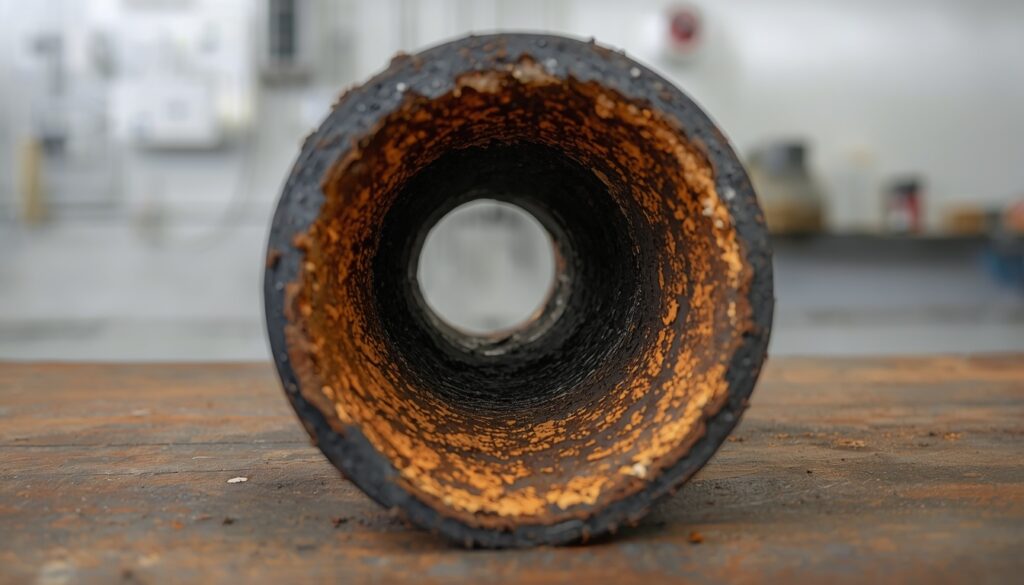
Older homes are a special case. A clogged cast iron basement floor drain, common in houses from the 1950s through the 1970s across older DFW neighborhoods, clogs more easily because decades of internal rust narrow the pipe and give debris a rough surface to snag on. The steps below still work, but an old basement floor drain that clogs repeatedly usually has a pipe problem underneath, which we will get to.
How to Clear a Clogged Floor Drain Trap
A clogged basement floor drain trap is the most common version of this problem, and it is the first thing to clear because the trap collects the heaviest debris in the entire drain. Water sits in that curved section permanently, so anything washed in that is heavier than water, grit, sand, mud, lint, and hair, settles there and compacts into a plug that water cannot push through.
You can usually confirm the trap is the problem without any tools. If water pools right at the drain opening and goes down very slowly or not at all, and no other fixture in the house is backing up, the blockage is almost certainly in the trap rather than the line. A trap clog also tends to appear gradually, getting slower over weeks, while a main line blockage shows up suddenly and affects several drains at once.
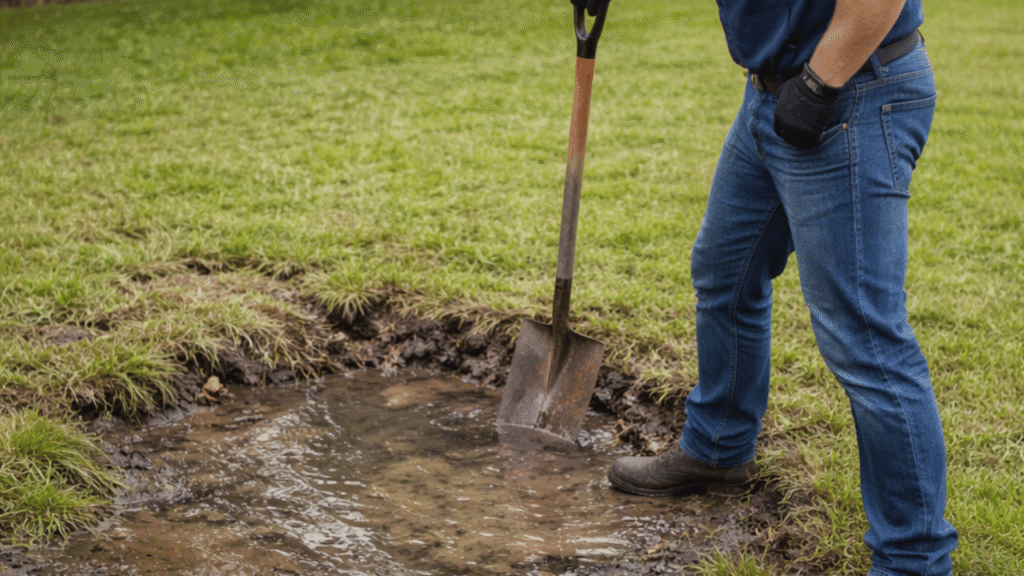
To clear it, lift off the drain cover and look inside the basin for two things: a cleanout plug, usually a square or hex-head plug set into the bottom or side of the basin, and a sediment bucket, a removable insert that lifts straight out in some drain designs. Pull the sediment bucket if there is one and empty it. Then reach in with a gloved hand, a small scoop, or a wet/dry vacuum and pull out the packed sludge until you reach clear water in the trap bend. Run a bucket of water through and watch it drain before putting anything back.
If the cleanout plug is seized, which is common on an old cast iron drain, penetrating oil and a wrench usually free it, but do not force it hard enough to crack the housing. A cracked drain basin turns a cleaning job into a replacement.
Why Basement Floor Drains Get Clogged in the First Place
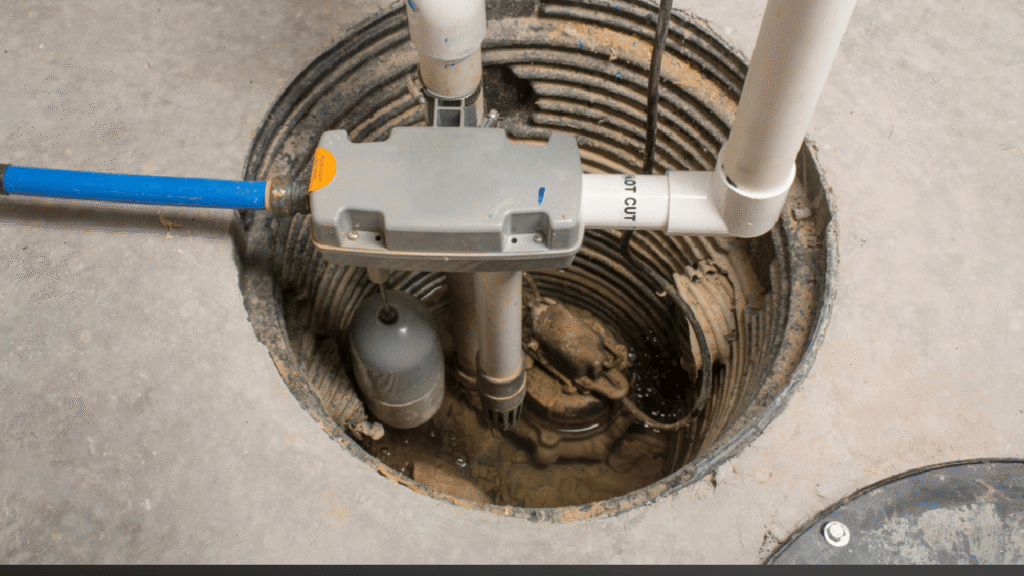
Before you learn how to unclog basement floor drain problems, it helps to understand why they happen. A floor drain sits at the lowest point of your basement, which means everything naturally flows toward it. Over time, that makes it more likely to collect buildup and debris.
Dirt, debris, and household waste buildup. Basement floors collect dust, dirt, pet hair, and small debris every day. When you sweep or mop, some of that material washes straight into the floor drain. Laundry lint, soap residue, and cleaning products add to the buildup. At first the drain may just slow down; over time that small buildup turns into a stubborn clog.
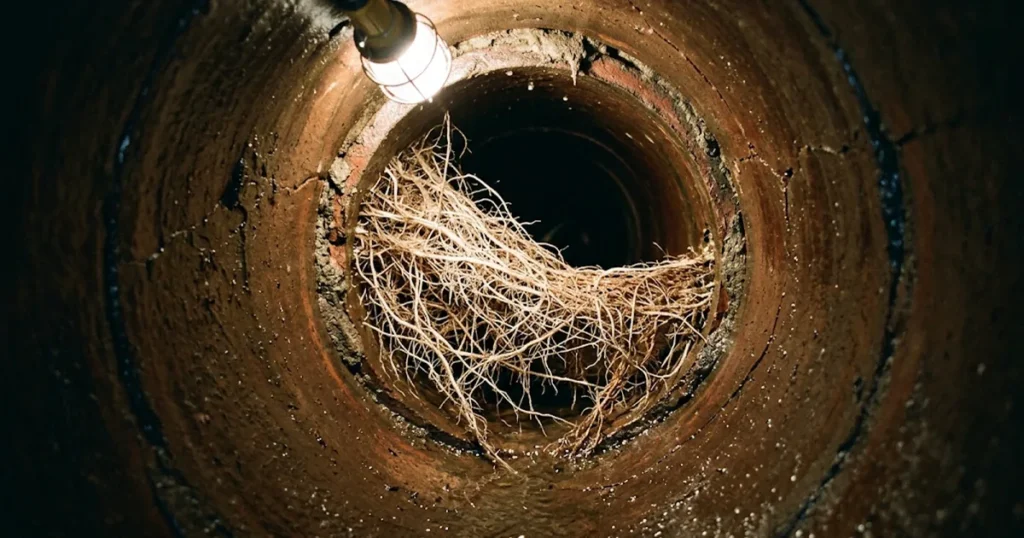
Tree root intrusion in sewer lines. If your basement floor drain connects to an older sewer line, roots naturally grow toward moisture, and even a tiny crack in a pipe attracts them. Once roots enter the line, they expand and trap debris. In these cases the issue is not inside the floor drain at all, it is deeper in the sewer system.
Dried-out P-traps and sewer gas issues. If the drain is not used often, the water inside the trap evaporates, and you may notice a strong sewer smell coming from the drain. This does not always mean there is a clog, but it signals the drain needs attention, and the fix is as simple as pouring water in to refill the seal.
Main sewer line blockages affecting the floor drain. Sometimes the problem is not the floor drain itself. Since it sits at the lowest point, it is the first place water backs up when there is a blockage in the main sewer line. If multiple drains in your home are slow or backing up at the same time, the clog is deeper in the system, and cleaning the floor drain will not fix the root issue.
Signs Your Basement Floor Drain Is Clogged
Your drain usually gives you small hints before a major backup happens. Water backing up from the drain is the most serious sign, often after running the washing machine, taking a shower, or during heavy rain. Slow drainage or standing water means something is already restricting flow, and acting at this stage makes the fix much easier. Gurgling sounds from nearby fixtures mean air is trapped in the pipes because water cannot flow freely, an early warning that the line needs attention. And strong sewer odors in the basement point to either trapped waste in the pipe or a dry P-trap; if the smell stays after you add water to the drain, suspect a clog.
How to Unclog a Basement Floor Drain at Home
If you have noticed slow drainage or water backing up, many clogs can be cleared with tools you already have. Work through these steps in order.
Step 1: Remove the drain cover and inspect.
Use a screwdriver if needed, since the cover may be rusty or tightly secured. Shine a flashlight into the drain and look for visible debris like hair, dirt, paper, or small objects near the surface.
Step 2: Clear visible debris by hand.
Put on rubber gloves and pull out hair, lint, or anything else blocking the pipe. You might be surprised how much buildup collects just below the cover, and removing it often improves flow immediately.
Step 3: Clean out the floor drain trap.
This is the step that clears most basement drains. Look for the cleanout plug at the bottom of the drain basin, often a square or hex-head plug, or a removable sediment bucket that lifts straight out. Scoop out the sludge, mud, and grit packed into the trap with a gloved hand, a wet/dry vacuum, or a small scoop. Mud and sediment pack down hard at the bottom of the trap, especially after heavy rain or if the drain takes runoff. Clear it fully, then run water to check the flow. If the trap is clean and water still backs up, the clog is deeper in the line and the next steps apply.
Step 4: Use a plunger to break minor clogs.
Add a small amount of water around the drain to create a seal, place the plunger firmly over the opening, and pump several times. The pressure can loosen minor blockages caused by dirt or buildup.
Step 5: Try a baking soda and vinegar flush.
Pour about one cup of baking soda into the drain, followed by one cup of vinegar. Let the fizzing mixture sit for 15 to 20 minutes to break down grime, then flush with hot (not boiling) water. Skip the harsh chemical drain cleaners; they can damage pipes over time, and on a trap full of standing water they mostly leave you a caustic puddle to work around.
Step 6: Use a drain snake or auger.
For clogs deeper in the pipe, insert the snake until you feel resistance, turn the handle slowly to break up or hook the blockage, then pull it back out and remove whatever came with it. If you are dealing with standing water that will not drain at all, remove it first with a wet/dry shop vacuum set to wet mode; sealing the hose over the drain for a minute pulls out the pooled water and often the loose clog with it, which makes the snaking far less messy.
Step 7: Flush with hot water.
After clearing the clog, pour hot water down the drain to rinse remaining debris and watch how quickly it drains. If it flows smoothly without pooling, you have fixed it.
What It Costs to Unclog or Repair a Basement Floor Drain
Doing it yourself costs almost nothing: gloves, baking soda, and a basic hand snake ($15 to $30) cover most clogs. Professionally, clearing a basement floor drain falls under standard drain service, and Nuflow DFW drain cleaning starts at $150+ (as of Q2 2026), with hydro jetting for heavily scaled or greasy lines starting at $350+. If a camera diagnosis is needed to find a deeper blockage, camera inspection starts at $250+ (as of Q2 2026). Final cost depends on the blockage, the line, and access.
The number that matters more is the one you avoid: a floor drain that backs up during a storm or a washer cycle puts water across the basement floor, and cleanup plus damage routinely costs many times the price of clearing the line early.
When It Is Repair, Not a Clog
Here is the distinction most guides skip: sometimes a backed-up floor drain is not clogged at all, it is broken. Floor drain backup repair becomes the right conversation instead of another round of snaking when you see these patterns.
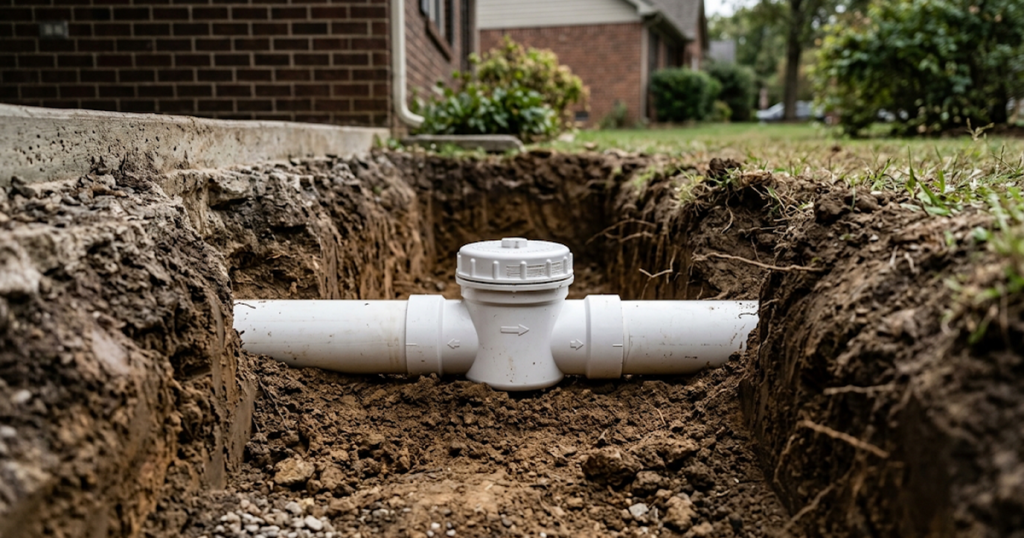
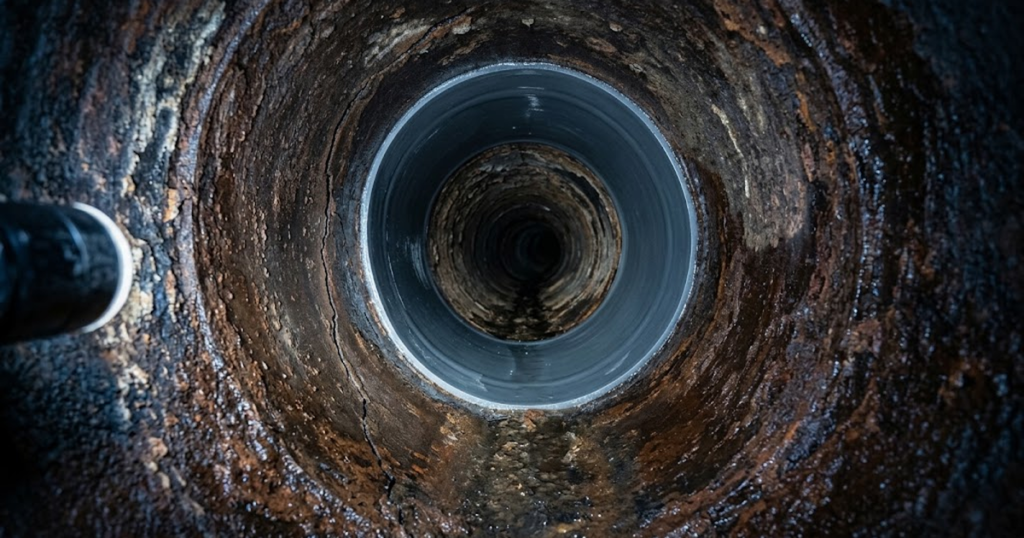
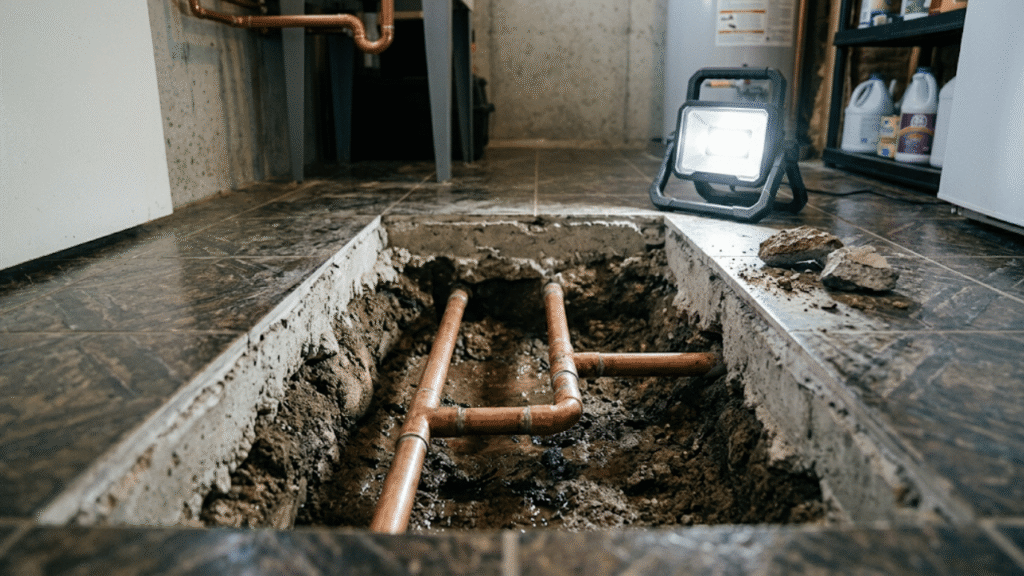
If the drain backs up repeatedly after being cleared, something in the line keeps catching debris: a cracked section, a sag in the pipe, root intrusion, or in older homes, cast iron so corroded inside that the rough surface snags everything passing through. If water rises from the floor drain whenever you run the washing machine or during rain, the main line, not the floor drain, is undersized or partially blocked. And if the drain basin itself is cracked, the cover seat is crumbling, or an old cast iron drain is rusted through, replacement of the drain or the affected pipe section is the durable fix rather than endless cleaning.
The honest way to know which situation you have is to look inside the pipe. A sewer camera inspection shows whether the line is simply dirty, root-invaded, or structurally failing, and that decides whether the answer is cleaning, spot repair, or replacement. Guessing between those options is how people pay to clear the same drain four times a year.
How Often Should You Maintain a Basement Floor Drain?
You do not need to check your floor drain every week, but you should not ignore it either. A quick inspection every 3 to 4 months is enough for most homes: remove the cover, clear any debris, and make sure water flows freely. At least once a year, flush the drain with hot water for a deeper clean. If the drain is not used often, pour some water into it once a month to keep the trap sealed and prevent sewer smells. And keep grease out of every drain in the house, since the EPA identifies fats, oils, and grease as a leading cause of sewer blockages, and the basement floor drain is where a greased-up main line announces itself first.
Frequently Asked Questions
How do I unclog a floor drain trap?
Remove the drain cover, then look for the cleanout plug or removable sediment bucket inside the drain basin. Scoop out the packed mud, grit, and debris from the curved trap with a gloved hand or a wet/dry vacuum. Run water to confirm flow. If it still backs up, the clog is deeper in the line.
Why is my basement drain not draining at all?
A basement drain that is not draining usually has a fully packed trap, a deeper line blockage, or a main sewer line backup. Clear the trap first. If water still will not go down, or several drains back up together, the blockage is in the main line and needs a camera inspection.
How do I unclog a basement drain with standing water?
Remove the standing water first with a wet/dry shop vacuum, which often pulls the loose clog out with it. Then clean the trap and, if needed, run a drain snake. Clearing the pooled water first lets you see the drain and makes every other step easier.
How do I clear a basement floor drain clogged with mud?
Mud and sediment settle and harden at the bottom of the trap, especially after heavy rain. Scoop out what you can by hand, then use a wet/dry vacuum to pull the rest. Follow with a hose or bucket of water to flush the loosened mud. Repeat until the water runs clear.
How much does it cost to unclog a basement drain?
Doing it yourself costs under $30 for gloves and a hand snake. Professional drain cleaning starts at $150+ and hydro jetting at $350+ (as of Q2 2026), with a camera inspection at $250+ if the blockage sits deeper in the line. Final cost depends on the blockage and access.
Why does my old cast iron basement floor drain keep clogging?
Cast iron corrodes from the inside over decades, narrowing the pipe and leaving a rough surface that snags lint, grit, and grease. Cleaning restores flow temporarily, but a cast iron drain that clogs repeatedly usually needs a camera look, since heavy internal scaling or cracking means repair or replacement is the lasting fix.
When should I call a plumber for a basement floor drain?
Call a plumber if the clog keeps returning, several drains back up at once, or water rises through the floor drain when you run the washing machine or during rain. Those point to a main sewer line problem, not a surface clog. Nuflow DFW (RMP# 46694) offers 24/7 camera diagnosis across the Dallas-Fort Worth area at (469) 701-0597.
Conclusion
A clogged floor drain in your basement can feel overwhelming, but most problems can be handled if you act early. Understand what causes clogs, watch for the warning signs, clear the trap first, and escalate through the plunger, flush, and snake only as needed. Regular maintenance makes a big difference, and knowing the line between a clog and a repair, repeated backups, multiple drains affected, or an aging cast iron line, is what keeps you from paying to clear the same drain over and over.
If the clog keeps coming back or affects multiple drains, it is time to look inside the line. The team at Nuflow DFW is ready to provide reliable inspection and drain cleaning across the Dallas-Fort Worth Metroplex. Call (469) 701-0597.