No. Hot water and dish soap only carry grease a short way before it cools, hardens and sticks to the inside of the pipe, where it catches food and builds into a clog. Let grease cool, pour it into a can or sealable container and put it in the trash, or take used cooking oil to a recycling drop-off.
Why doesn’t hot water wash grease away?
Because the water cools long before the grease reaches the city sewer. When you pour grease down the drain, it only travels as far as the water stays warm. Dallas Water Utilities’ Defend Your Drains program is direct about it: “Even hot, soapy water won’t move these substances very far through the pipes before they start to solidify.”
The North Texas Municipal Water District, which serves Plano, Frisco, McKinney, Allen and Richardson, says the same thing: even if you run hot water while you pour, fats, oils and grease “still eventually cool and harden wherever they are in your household plumbing or in wastewater system pipes.”
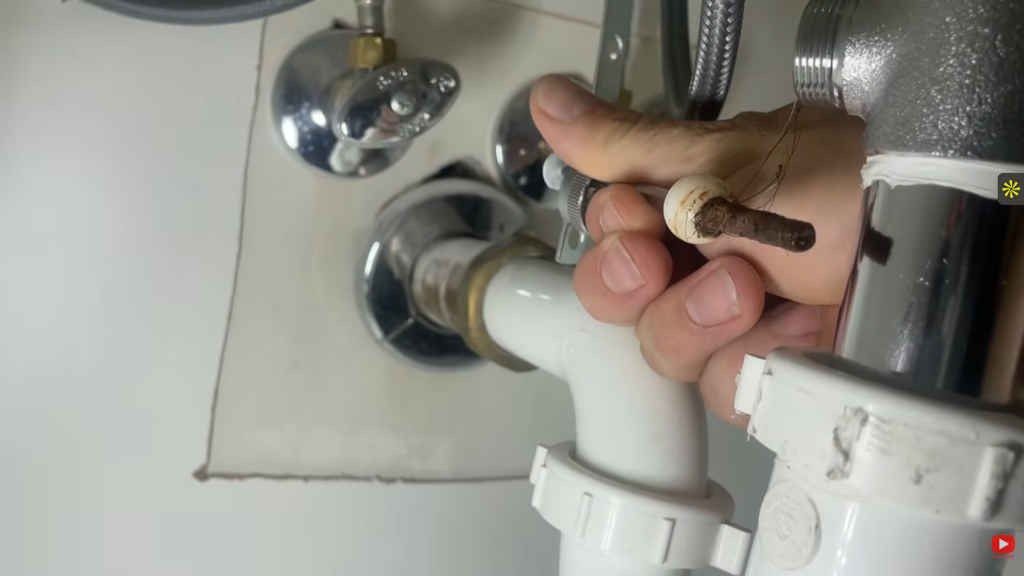
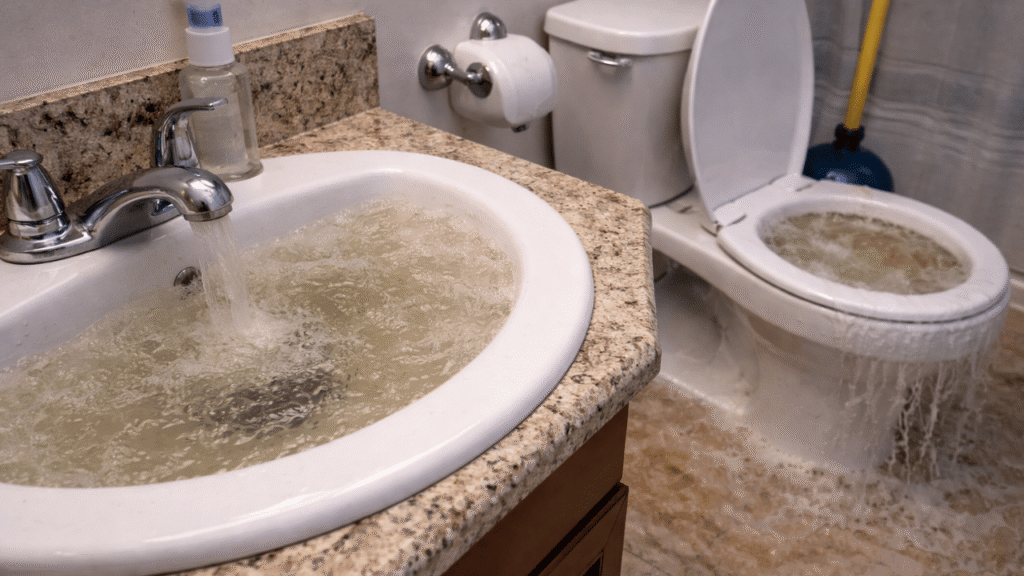
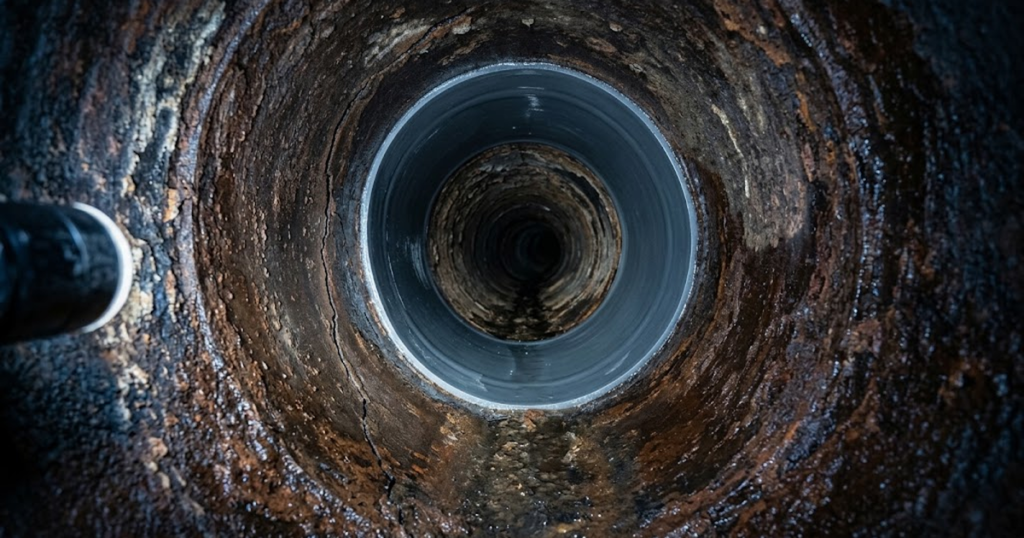
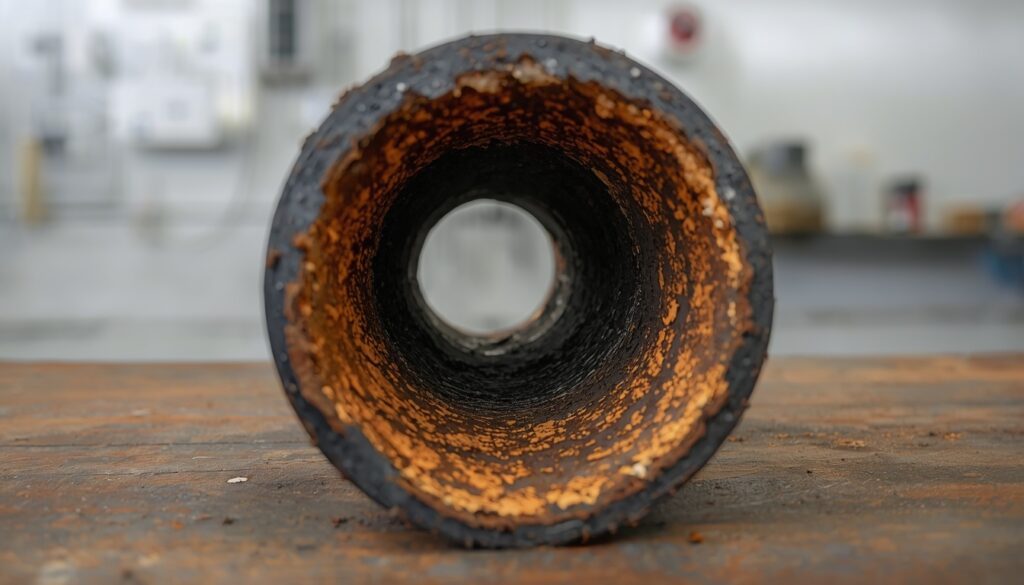
Each time you pour grease down the drain, it leaves a thin layer, and the layers build up. Grease coats the pipe wall, food scraps stick to it, and the opening narrows until the sink drains slowly or stops. That is why kitchen clogs tend to show up after big cooking days like Thanksgiving.
Does dish soap or the garbage disposal help?
No. Dallas Water Utilities lists both as myths:
- “Just add a little dish soap; that’ll take care of it.” Their answer: “Nope.” Soap breaks grease up for a moment, but it does not stop it from cooling and sticking further down the line.
- “Run the garbage disposal.” Their answer: “Won’t help.” The disposal chops food; it does nothing to grease. The NTMWD adds that food scraps from the disposal “can make the problem worse,” because they give the grease something to bind to.
- “If it’s less than a cup of grease it won’t matter.” Their answer: “Even a little grease can cause a clog.”
What counts as grease in the kitchen?
More than most people think. Dairy and sauces cause the same problem as bacon fat.
| Kitchen item | Down the drain? | What to do instead |
|---|---|---|
| Bacon, sausage and ground beef grease | No | Let it cool, pour it into a can, put it in the trash |
| Turkey drippings and gravy | No | Save it, or scrape it into the trash |
| Frying oil | No | Cool it, seal it in a container, recycle it at a drop-off |
| Butter, cream sauces, salad dressing, milk | No | Scrape plates into the trash; pour small amounts onto a paper towel |
| Greasy pans and plates | Wipe first | Wipe with a paper towel, trash the towel, then wash |
The NTMWD names “turkey dinner drippings” and “even old milk” among the things that create problems in your plumbing. Dallas Water Utilities says to scrape food, oils, grease and sauces into the trash, “yes, even gravy.”
How do you get rid of cooking grease at home?
Collect it in a container and throw it away once it is solid. The Dallas Water Utilities FAQ gives the method:
- 1. Let the grease cool in the pan.
- 2. Pour it into a sealable container, or an empty soup or coffee can, as the NTMWD suggests.
- 3. Freeze it or let it solidify, then put it in the trash when the container is full.
- 4. Wipe greasy pans and plates with a paper towel before they go in the sink, and throw the towel away.
- 5. Scrape food scraps into the trash or compost before rinsing dishes.
Keep one can by the stove through the holidays and most of the problem goes away.
Where can you recycle cooking oil in Dallas-Fort Worth?
In Dallas, use the Cease the Grease drop-off locator on defendyourdrains.com. Enter your address and the closest cooking oil drop-off appears on a map. Dallas Water Utilities says the recycled oil goes to the Southside Wastewater Treatment Plant, where it is turned into biogas that helps power the plant.
Outside Dallas, check your own city’s water or solid waste page. The NTMWD’s Defend Your Drains North Texas page links to grease recycling centers for its member cities. In past years several North Texas cities have also run a holiday grease roundup after Thanksgiving, so look for this year’s dates on your city’s site.
What if grease has already clogged your kitchen drain?
A slow kitchen sink after a big meal is usually a soft grease clog in the trap, and you can often clear it yourself. Very hot water can soften a small clog right at the drain, but it moves that grease further down the pipe, so follow it with a plunger and stop putting grease down the sink. Our guide to unclogging a drain at home covers the home methods.
It is time to call a plumber when:
- the kitchen sink keeps clogging every few weeks,
- water backs up into the other side of a double sink or the dishwasher,
- other drains in the house slow down or gurgle at the same time.
Those point to grease coating the line further down, which a plunger cannot reach. A snake punches a hole through the grease and the line closes again. Hydro jetting cleans the grease off the pipe walls instead, and you can see what hydro jetting costs in DFW.
We are not the right call for one slow sink that clears with a plunger. Call when the clogs keep coming back: (469) 701-0597, Monday to Friday, 9 to 6, or contact us online.
FAQ
Can I pour grease down the drain if I run cold water?
No. Cold water makes grease harden sooner, closer to your sink. Hot or cold, the grease still ends up stuck to a pipe somewhere between your kitchen and the sewer.
Can I pour cooking oil down the toilet?
No. The toilet drains into the same sewer line as the kitchen sink, so the oil cools and sticks in the same pipes.
Is a small amount of grease OK?
No. Dallas Water Utilities says “Even a little grease can cause a clog.” Small amounts add up, especially in a kitchen line that sees grease every day.
Does boiling water clear a grease clog?
Sometimes, for a small, soft clog right at the drain. It does not remove grease that has built up further down the line, and a clog that keeps coming back needs the pipe cleaned.