To unclog a drain naturally, pour half a cup of baking soda followed by one cup of white vinegar down the drain, wait 15 minutes, then flush with a kettle of near-boiling water. This clears most minor hair, soap, and grease clogs in DFW homes without chemicals. Deeper clogs need a plumber.
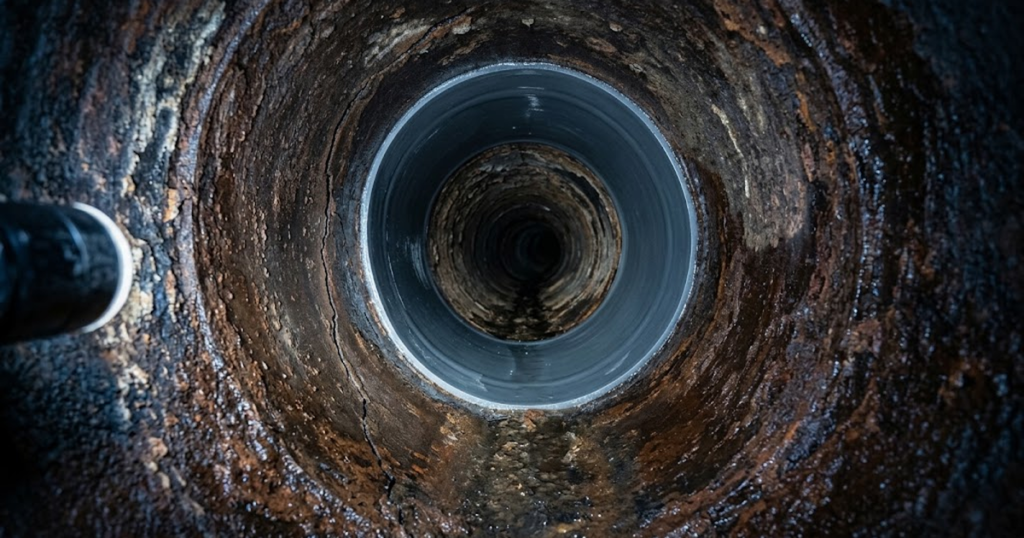
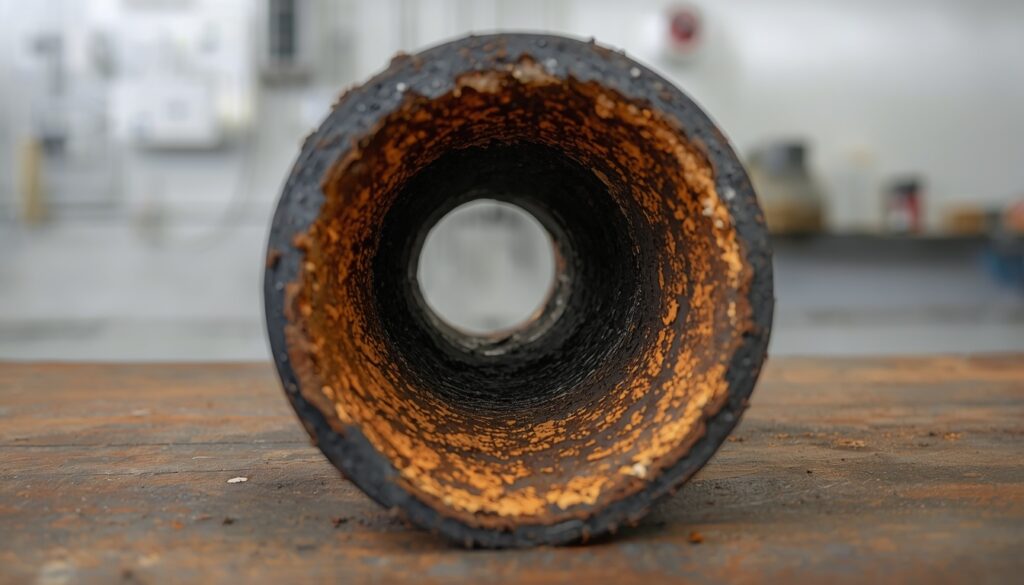
That method handles the everyday slow drain. Across thousands of drain cleaning calls in the Dallas-Fort Worth Metroplex, Nuflow DFW (RMP# 46694) has found that roughly one in three “slow drain” calls in older Garland, Plano, and Dallas homes is not a surface clog at all. It is a deeper problem in the main line, often cast iron pipe that has scaled shut from the inside after 50+ years. The natural fixes below solve the simple version. This guide also shows you exactly how to tell the difference, so you don’t pour baking soda down a drain for a week when the real issue is underground.
What Causes a Clogged Drain
Most drain clogs build up slowly as everyday waste sticks to the inside of your pipes. The cause depends on which drain is slow, and that matters because it tells you which natural fix will actually work.
In bathroom sinks and showers, hair and soap are the main culprits. Hair tangles around the crossbars of the drain and the rough interior of the pipe, then traps soap scum, which hardens into a sticky layer that narrows the pipe over months. In kitchen drains, grease and oil are the problem. Hot grease pours like a liquid, then cools inside the pipe and solidifies into a wax-like coating that catches food particles. This is why a kitchen sink that drained fine last year suddenly backs up: the opening has slowly shrunk from a 2-inch pipe to a pencil-width channel. The U.S. Environmental Protection Agency notes that fats, oils, and grease are a leading cause of household sewer backups, which is why they should never be poured down a drain.
You will usually notice early warning signs before a full blockage. Water drains slower than normal, you hear a gurgle as air pushes past the clog, or a faint sewer smell develops as trapped debris breaks down. Catching these early makes the natural methods below far more likely to work.
Best Ways to Unclog a Drain Naturally
These three methods work for minor clogs caused by everyday buildup. They are safe for PVC, ABS, and metal pipes, unlike chemical drain cleaners, which generate heat that can soften plastic pipe joints and corrode older metal.
Baking Soda and Vinegar
This is the most reliable natural method. Pour half a cup of baking soda into the drain, then one cup of white vinegar. The mixture fizzes as it reacts, and that foaming action helps lift soft buildup off the pipe walls. Cover the drain with a plug or rag for 10 to 15 minutes to push the reaction downward instead of letting it bubble up. Finish by flushing with a full kettle of near-boiling water.
Boiling Water Flush
Sometimes a drain just needs heat. Near-boiling water dissolves grease, soap, and other soft blockages. Pour it down in two or three stages, giving each pour 30 seconds to work, rather than dumping it all at once. This works best on kitchen sinks where grease is the cause. One caution: do not use boiling water on PVC pipes if the line is completely blocked and the water will pool, since standing boiling water against a PVC joint can weaken it. Use hot tap water instead in that case.
Salt and Baking Soda
Salt adds a mild scrubbing action. Mix half a cup of table salt with half a cup of baking soda, pour it into the drain, let it sit for 15 to 20 minutes, then flush with hot water. This is a good monthly maintenance step for kitchen drains that tend to build grease, more of a preventive habit than an emergency fix.
Step by Step: Unclog a Drain Naturally
This sequence works for slow drains and minor blockages, and it uses items most DFW kitchens already have.
You need baking soda, white vinegar, table salt (optional), a kettle or pot of hot water, and a drain plug or rag. No tools required.
- Clear any visible hair or debris from the drain opening by hand or with tweezers.
- Pour half a cup of baking soda directly into the drain.
- Follow with one cup of white vinegar.
- Cover the drain with a plug or rag and wait 10 to 15 minutes.
- Heat a kettle of water to near-boiling while you wait.
- Remove the cover and flush with the hot water in stages.
If the drain is still slow, repeat once or twice. If two full attempts make no difference, stop. Continuing to pour water and baking soda into a line that won’t clear usually means the blockage is deeper than a home remedy can reach, and forcing it risks pushing the clog into a harder-to-access spot.
Natural Fixes for Different Drains
The right method depends on where the clog is.
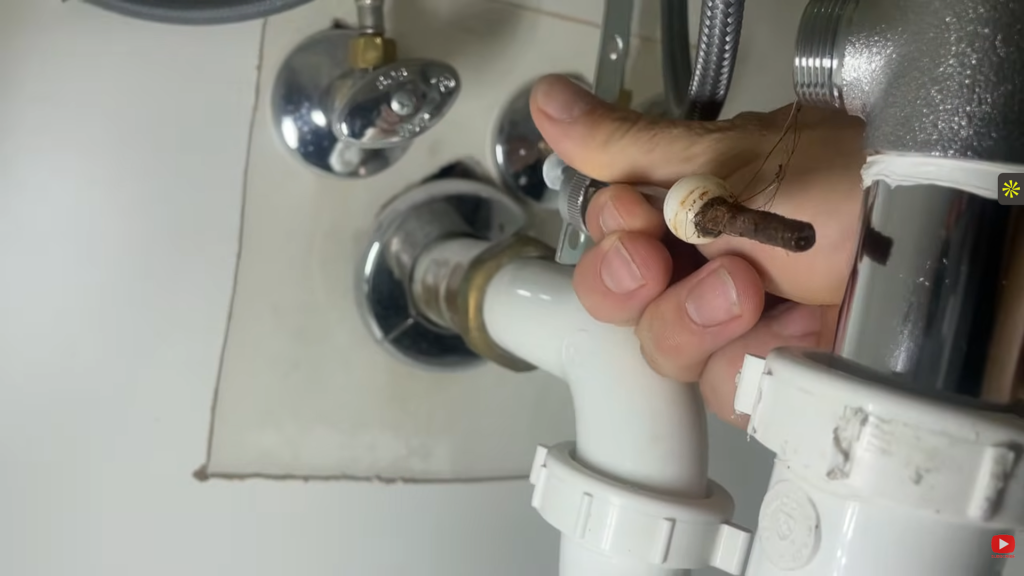
For a bathroom sink, the cause is almost always hair and soap. Remove visible hair from the opening first, then use the baking soda and vinegar method to break down the residue, and flush with hot water. If you can physically pull out a clump of hair with a plastic drain tool, you will often fix the problem in 30 seconds without any solution at all.
For a kitchen drain, grease and food are the usual offenders. A boiling water flush melts and loosens grease, and a squirt of dish soap before the hot water helps emulsify the oil so it rinses away instead of re-coating the pipe further down.
For a shower drain, hair is the main issue. Pull out as much as you can reach, then use baking soda and vinegar followed by hot water. A $3 plastic hair-removal strip from any hardware store often clears a shower drain faster than any liquid method.
When to Stop and Call a Plumber
Natural methods fix surface clogs. They do not fix structural problems, and knowing the difference saves you money and prevents damage. Call a licensed plumber instead of repeating home remedies if you notice any of these:
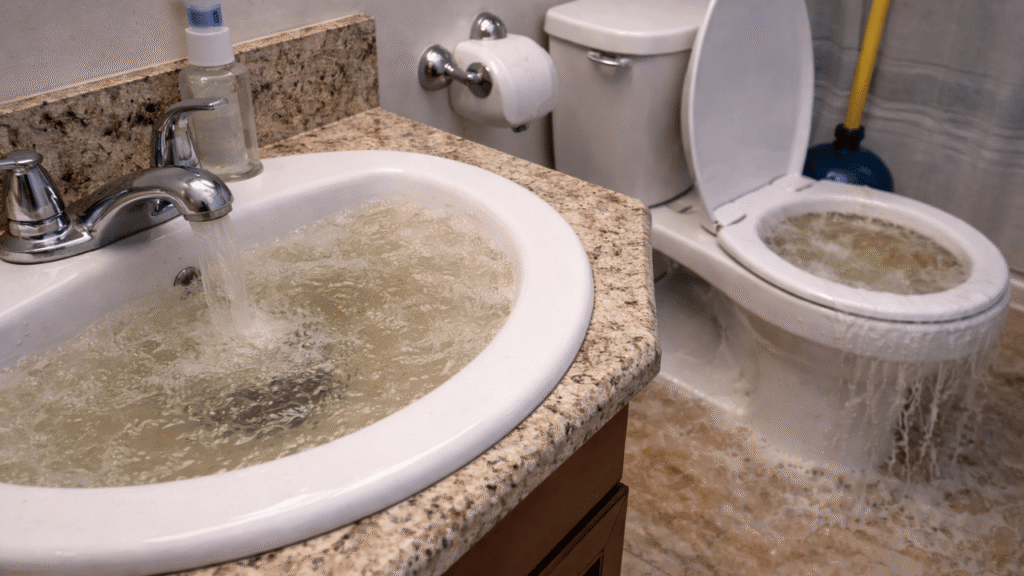
- More than one fixture is slow at the same time (sink, tub, and toilet together points to the main line, not a single drain)
- Water backs up into a different fixture when you run another (flushing the toilet fills the tub)
- A sewer smell keeps returning after cleaning
- Gurgling continues even when drains are clear
- The same drain re-clogs within days of clearing it
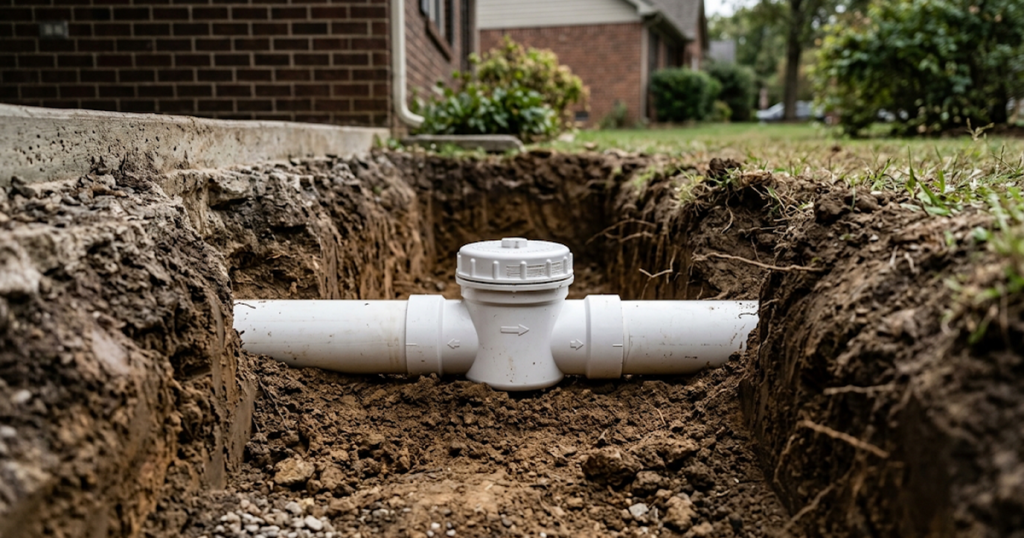
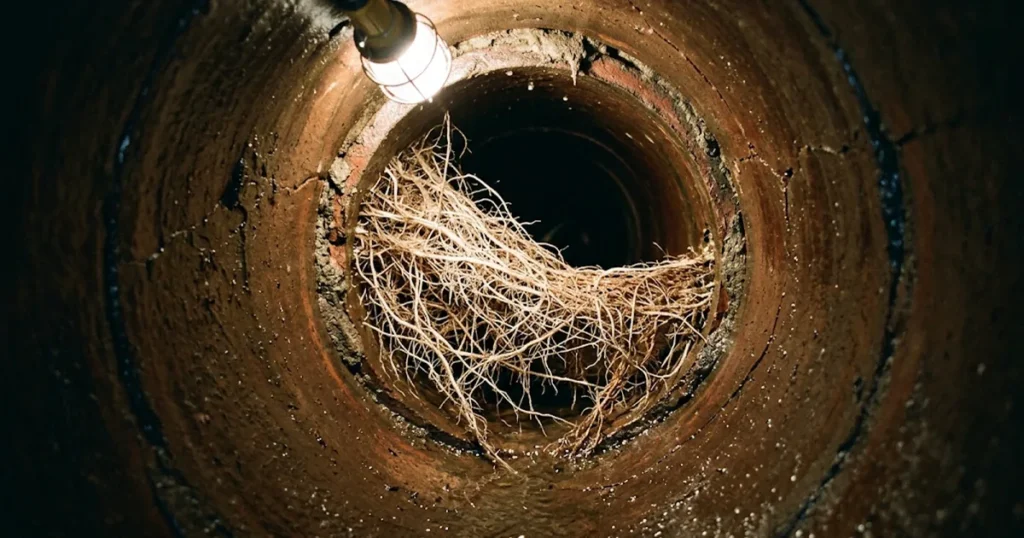
These signs point to a main line blockage, root intrusion, or pipe failure rather than a simple buildup. In older DFW neighborhoods with cast iron or clay pipe, tree roots and corrosion are common causes, and no amount of baking soda will fix them. At that stage a sewer camera inspection is the honest next step, since it shows the exact location and cause before anyone commits to a repair. For grease-hardened or root-filled lines, hydro jetting clears what home methods and even a drain snake cannot.
What Not to Do
A few common mistakes make drain problems worse:
- Chemical drain cleaners: they generate heat, can damage pipes, and if they fail to clear the clog, the plumber now has to work around caustic standing water.
- Repeated forceful plunging on a fully blocked line: this can stress old pipe joints.
- Ignoring a recurring slow drain: a drain that keeps clogging is telling you something is wrong further down the line.
Honest tradeoff: a natural method costs you a few cents and ten minutes, but it only reaches the first few feet of pipe. A professional cleaning or camera inspection costs more, starting at $250+ for camera inspection (as of Q2 2026), but it is the only way to find and fix a problem that lives in the main line. Final cost depends on inspection findings.
Frequently Asked Questions
How do you unclog a drain naturally without chemicals?
Pour half a cup of baking soda down the drain, followed by one cup of white vinegar, cover it, and wait 15 minutes. Then flush with a kettle of near-boiling water. This clears most minor hair, soap, and grease clogs. If it does not work after two tries, call Nuflow DFW at (469) 701-0597.
Does baking soda and vinegar really unclog drains?
Yes, for minor clogs. The fizzing reaction lifts soft buildup like soap scum and light grease off the pipe walls, and the hot water flush carries it away. It will not clear a solid blockage, a main line clog, or tree root intrusion. For those, a licensed plumber and a camera inspection are needed. Nuflow DFW (RMP# 46694) serves the DFW Metroplex.
Is boiling water safe to pour down a drain?
Near-boiling water is safe for metal and most PVC pipes when the drain is flowing. Avoid pouring boiling water into a fully blocked drain where it will pool against PVC joints, since standing heat can weaken them. Use hot tap water in that case. When in doubt, call Nuflow DFW at (469) 701-0597 for guidance.
Why does my drain keep clogging even after I clear it?
A drain that re-clogs within days usually has a deeper problem, such as a main line blockage, grease hardened along the pipe, or root intrusion in older DFW homes. Home methods only reach the first few feet of pipe. A sewer camera inspection finds the real cause. Call Nuflow DFW (RMP# 46694) at (469) 701-0597.
When should I call a plumber for a clogged drain?
Call a plumber when more than one fixture is slow at once, water backs up into another fixture, a sewer smell keeps returning, or the same drain re-clogs within days. These point to a main line issue, not a surface clog. Nuflow DFW offers 24/7 service across the DFW Metroplex at (469) 701-0597.
Still Slow After Trying These? Here Is the Next Step
If you have run the baking soda and vinegar method twice and your drain is still slow, the clog is likely past the reach of any home remedy. Rather than keep pouring solutions down a line that won’t clear, get a drain cleaning or a camera inspection that shows exactly what is happening inside the pipe. Nuflow DFW is a licensed Texas master plumber (RMP# 46694) serving Dallas, Garland, Plano, and the wider DFW Metroplex, with 24/7 emergency service. You can verify the license through the Texas State Board of Plumbing Examiners. Call (469) 701-0597 for a free phone consultation before the slow drain becomes a backup.