A hot water heater making noise is usually trying to tell you something, and most of the time it is sediment. Popping and rumbling point to mineral buildup, banging is often water hammer, hissing can mean a leak, and beeping is an electric unit’s alarm. Some sounds are harmless. A few mean you should call a plumber today.
If you are standing in your utility closet wondering whether that new sound is normal or the start of a flood, the honest answer is that it depends entirely on which sound you are hearing. This guide walks through every noise a tank makes, what each one means, what you can fix yourself, and when it is time to pick up the phone.
What Your Water Heater Noise Means
Most water heater noise comes down to one of four things: sediment buildup at the bottom of the tank, a pressure issue in your pipes, a loose part, or normal metal expansion as the tank heats and cools. In DFW, sediment is the runaway favorite. The quick sort: if the sound shows up while the unit is heating and fades after, it is probably normal. If it is loud, sudden, constant, or paired with water where water should not be, treat it as a real problem.
Water Heater Noises and What Each One Means
1. Popping or Rumbling
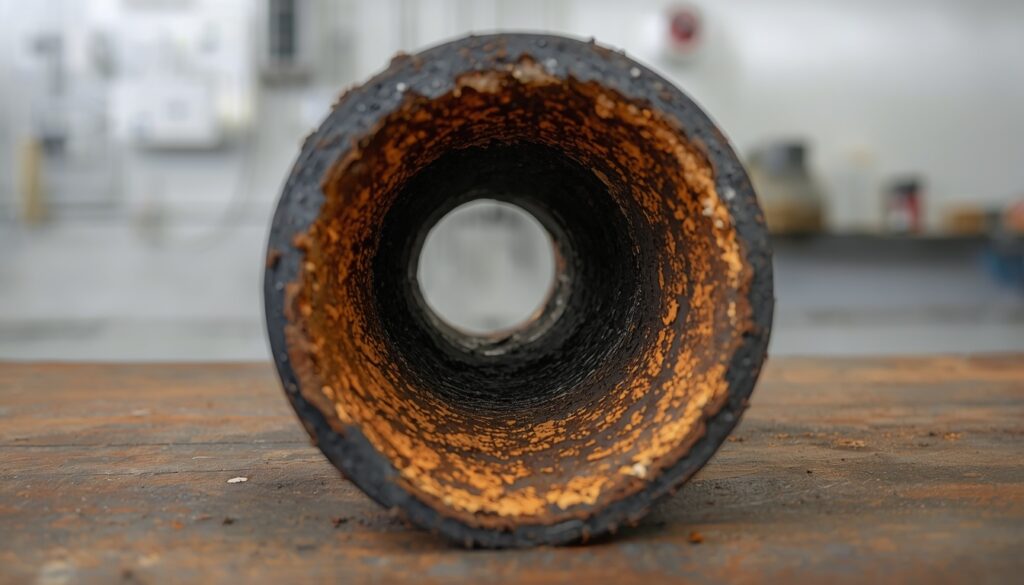
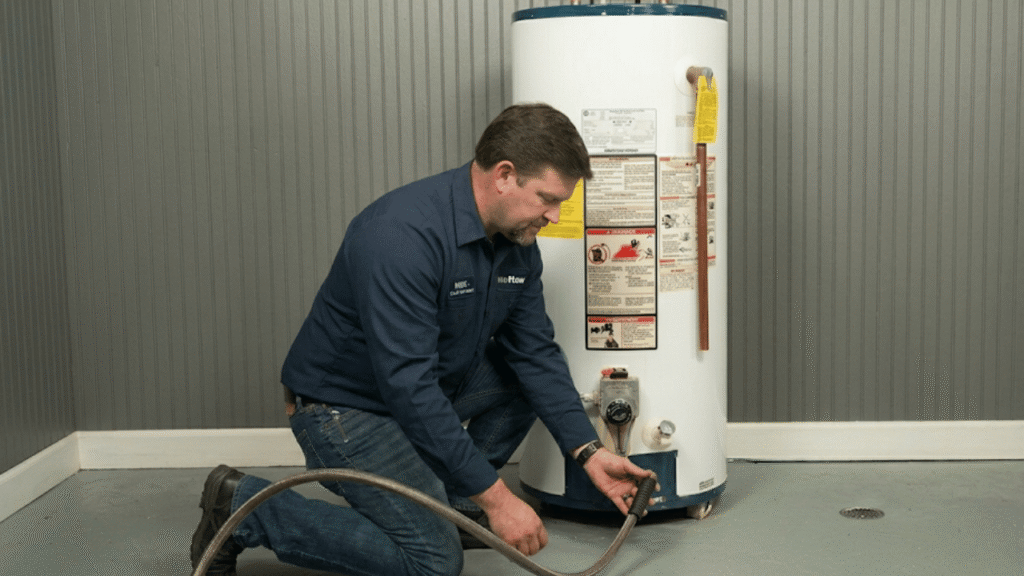
Popping and rumbling are the most common water heater sounds, and they almost always mean sediment. Minerals in hard water settle to the bottom of the tank and form a crusty layer, and when the burner or element fires, water trapped under that layer boils through it. Those steam bubbles forcing their way up are the pops you hear. A heavy rumble like a train is the same thing on a bigger scale. It is not an emergency on day one, but it wastes energy and, left for years, stresses the tank bottom. A drain cleaning crew can flush a tank as part of routine service.
2. Banging or Knocking
A loud bang or knock, especially right after a faucet shuts off, is usually water hammer rather than the heater itself. Water hammer happens when flowing water stops suddenly and slams against the inside of the pipe, sending a shock wave you feel as a thud in the walls. It matters because it can burst a pipe over time, and the fix is usually a water hammer arrestor or a pressure adjustment. If the banging only happens during heating and not at faucet shutoff, it loops back to sediment instead.
3. Hissing or Sizzling
Hissing or sizzling deserves a closer look, because it can signal a leak. On an electric unit, water seeping onto a hot element flashes to steam and hisses, and the same sound shows up when water drips onto a gas burner. Open the access cover plates, get a flashlight, and look for water that should not be there. Water pooling at the base, near electrical parts or a gas burner, is a safety issue, not just a noise. Catching a small leak early, with proper water leak detection, is the difference between a cheap fix and a ruined utility room.
4. Crackling
Crackling on a gas water heater is usually condensation, and it is often harmless. The flue carries hot exhaust up and out, but if that air hits a cold section it condenses, and the droplets run back down onto the hot burner. Water hitting a hot surface crackles, the same way drops dance on a hot skillet. A little crackling after a cold start, especially in winter, is normal and burns off. If it is constant, that points to a venting problem worth a look. The U.S. Department of Energy’s water heating guidance is a solid primer on how these systems should vent and run.
5. Screeching or Whistling
A high-pitched screech or whistle almost always means water is forced through a gap that is too small, usually a partially closed valve. The inlet valve at the top of the tank is the common culprit: when the opening is restricted, water rushes through at higher pressure and whistles. Old gate valves are frequent offenders, since they wear and stick and the internal gate can drop partway into the flow. In our experience, the better move is to replace an aging gate valve with a full-port ball valve, which gives cleaner shutoff and better flow control.
6. Humming or Buzzing
A hum or buzz is most common on electric water heaters, and it usually means the heating element has worked slightly loose. The element sits low in the tank and water cycles around it as it heats, so when it is not snug the flow makes it vibrate like a tuning fork. It is not dangerous, but it is worth tightening before the element fails. A steady low hum as the unit kicks on can also just be the element energizing, which is normal. The tell is whether the hum is new and persistent versus a brief startup sound.
7. Ticking or Tapping
Ticking or tapping is the sound that startles people most and means the least. As hot water moves into cold pipes, the metal expands, and when flow stops and the pipe cools, it contracts. Those tiny movements produce a tick, especially where pipes pass through framing, and the sound travels far through a wall. You will often hear it start the moment hot water runs, then stop once everything reaches temperature. Unless it comes with another symptom, ticking is just your plumbing breathing through a temperature change.
8. Beeping
Beeping is not a mechanical sound, it is an alarm. Many modern electric water heaters have a control board with sensors, and a beep usually means the unit detected a problem, such as a tripped leak sensor or a thermostat or element fault. Do not ignore it. Check the display or indicator lights, and look for water around the base. A beep tied to a leak sensor is the unit telling you to act before damage spreads. If the cause is not obvious, that is a reasonable point to bring in a plumber.
“Running Water” Sounds and Noise When the Water Is Off
Two complaints point somewhere different from the sounds above: a heater that sounds like running water with no tap open, and a unit making noise when the water is off. Both often mean water is moving when it should not be, which usually means a leak, whether the tank, a supply line, a stuck valve, or a running toilet feeding back through the pipes. Because the cause hides behind walls or under slabs, this is worth proper leak detection rather than guesswork. In DFW’s clay soil, a slow leak that goes unnoticed can also feed foundation movement, so it is not a sound to sit on.
How to Diagnose the Noise Yourself
You can narrow down most water heater noises before anyone comes out. First, get close and locate the sound: is it inside the tank, at the burner, at a valve, or in the pipes? Second, note when it happens, since a sound only during heating points to sediment, a bang at faucet shutoff points to water hammer, and a constant idle noise points to a leak. Third, cut the power or gas, open the cover plates, and check for any water with a flashlight. Finding moisture moves the problem up the priority list.
Simple Fixes You Can Do Safely
Some sounds have genuine do-it-yourself fixes. Flushing the tank clears the sediment behind most popping and rumbling, setting the thermostat to 120°F reduces boiling and scalding risk, and making sure the inlet valve is fully open often stops a whistle. A few safety rules apply every time: always cut the power to an electric unit or shut off the gas first, give a hot tank time to cool, and stop if you are not comfortable. Working around live electrical connections, gas lines, and scalding water is exactly where a quick fix turns into an injury.
When Not to Flush an Old Tank
Here is the part most guides skip. Flushing is great maintenance on a newer tank, ideally once a year from year one. But if your water heater is several years old and has never been flushed, draining it can do more harm than good: in a tank that has run for years on DFW hard water, sediment can partially seal small weak spots, and flushing aggressively can dislodge that buildup and reveal a leak that was effectively plugged. On an old, never-flushed unit, we often leave it alone and plan for replacement. One more tip: replacing the anode rod after the first year, then keeping up with it, can extend a tank’s life, because that rod sacrifices itself to corrosion so the tank does not.
When to Call a Plumber Right Away
Most noises give you time. A few do not. Call without waiting if you smell gas alongside any hissing, since that can mean a gas leak. Continuous loud banging can mean dangerous pressure. Any noise paired with water pooling at the base, sizzling with visible moisture, or a beeping leak alarm means you shut off power and water to the unit and get help through emergency plumbing. And if your unit is over ten years old and suddenly making new sounds, repair may be money spent on a tank that is ready to retire.
Why DFW Water Heaters Get Noisy Faster
Dallas-Fort Worth runs on hard water, and that is the single biggest reason tanks here get loud. Hard water carries dissolved calcium and magnesium, and every heating cycle leaves a little more behind as sediment. The harder the water, the faster that layer builds. The U.S. Geological Survey maps most of North Texas in the hard to very hard range, which is why annual flushing matters more here than in soft-water regions.
Frequently Asked Questions About Water Heater Noise
Is a noisy water heater dangerous?
Most water heater noise is not dangerous, especially ticking, humming, or light popping. The exceptions are loud continuous banging, hissing combined with a gas smell, or any noise with water pooling at the base. Those point to pressure, leak, or gas issues and should be checked promptly.
Why is my water heater beeping?
A beeping water heater is an alarm from the unit’s control board, common on modern electric models. It often means a leak sensor has tripped or the system flagged a thermostat or element fault. Check for water at the base and the display lights, and do not ignore it.
How much does it cost to fix a noisy water heater in DFW?
Water Heater Repair starts at $500+ (as of Q2 2026), with a routine sediment flush costing less. The final price depends on the cause, the part, and whether the unit is gas, electric, or tankless. Cost varies by complexity and access, so a quote follows an inspection.
Can I fix a noisy water heater myself?
Often yes, for the simple causes. Flushing sediment, setting the thermostat to 120°F, and opening a partially closed inlet valve are reasonable do-it-yourself jobs. Always cut power or gas first. Leaks, gas smells, faulty elements, and control-board alarms need a licensed plumber rather than a DIY attempt.
Does a popping noise mean I need a new water heater?
Not by itself. Popping usually means sediment, which a flush can clear on a reasonably young tank. It only points toward replacement when the unit is old, has never been flushed, and shows other wear like reduced hot water or rust. Age and history matter more than the sound alone.