Sump pump replacement typically costs $400 to $1,200 in 2026, including the pump and labor, when a new unit goes into an existing pit. The pump itself runs $80 to $400 for most residential models, and labor makes up the rest. Replacement costs far less than a first-time installation, because the pit, discharge line, and wiring already exist. In DFW, where basements are rare, sump pumps mostly protect crawl spaces, pier-and-beam homes, and low-lying drainage areas, and Nuflow DFW (RMP# 46694) can quote your specific replacement after a look at the setup.
Cost guides on this topic are written for the Midwest, where every house has a basement. DFW is different, and so is the math. This covers what a replacement actually costs in 2026, what moves the price, how to choose between pump types, and the part national guides skip entirely: how sump pumps actually get used in North Texas homes.
What Sump Pump Replacement Costs in 2026
For a straightforward swap, a new pump into an existing pit with working discharge and power, most homeowners pay $400 to $1,200 total in 2026. Industry cost guides like This Old House put a typical replacement at $350 to $1,000, with the national average around $530 for a basic swap, and the range widens with pump quality and labor rates. A high-reliability setup with a primary pump, battery backup pump, and smart charger runs closer to $2,500 installed.
Here is how the pieces break down:
| Component | Typical 2026 Cost |
|---|---|
| Pedestal pump (unit) | $60 to $170 |
| Submersible pump, 1/3 HP (unit) | $80 to $200 |
| Submersible pump, 1/2 HP (unit) | $200 to $350 |
| Labor for a like-for-like swap | $200 to $450 |
| Battery backup system (add-on) | $300 to $1,000+ |
| Check valve, fittings, minor parts | $20 to $75 |
National 2026 ranges compiled from published industry cost data. Actual pricing varies by pump, access, and labor rates. Call (469) 701-0597 for a quote on your specific replacement.
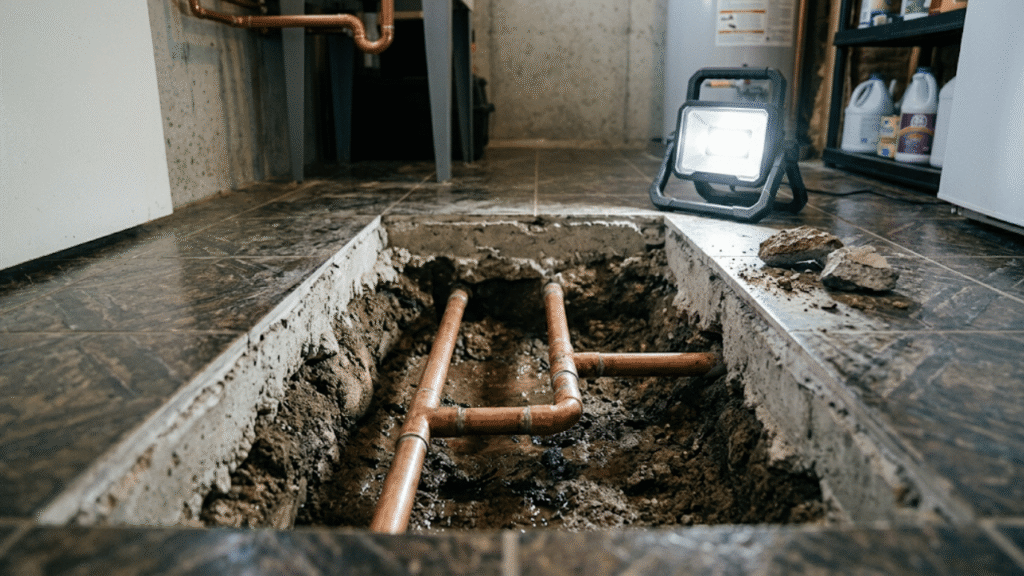
The reason replacement is so much cheaper than installation is simple: a first-time install can mean cutting concrete, digging a pit, and running new discharge and electrical, which pushes a new system to $1,400 on average and up to $3,000 or more. A replacement reuses all of that.
Replacement vs. New Installation: Know Which One You Need
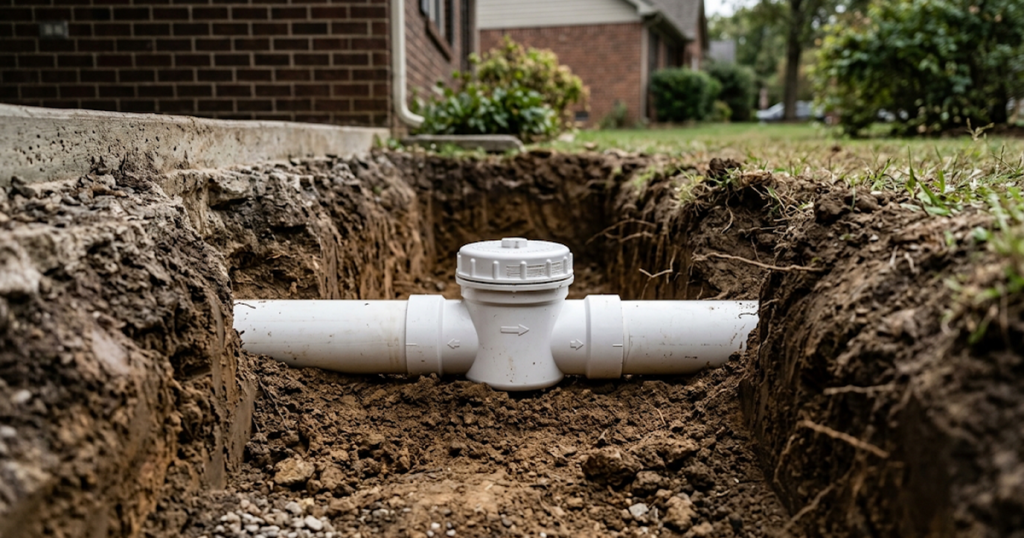
These two get mixed together in most guides, and the price difference is large, so it is worth being precise. If your home already has a sump basin with a pump in it, and the pump has failed or aged out, you need a replacement: old pump out, new pump in, typically a same-day job. If your crawl space or low spot floods but has no pit, no discharge line, and no pump, that is a new installation, which is a bigger project involving excavation and drainage work.
A quick way to know: look for the basin. A replacement means there is already a covered pit with a pipe running out of it. If you are starting from standing water and bare ground, budget for installation pricing instead, roughly $500 at the simplest to $3,000+ for a full new system.
What Drives the Price Up or Down
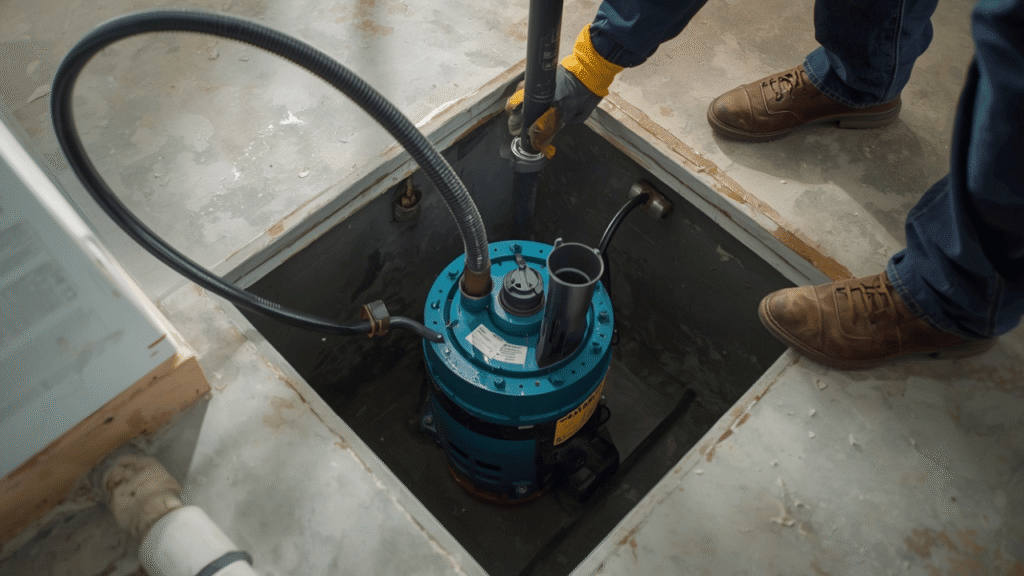
Pump type is the biggest factor. Pedestal pumps, which sit above the pit with only the intake below, are the budget option at $60 to $170 and can last up to 25 years, but they are louder and clog more easily. Submersible pumps sit inside the pit underwater, run quieter, and handle more volume, at $80 to $400 depending on horsepower and build. Cast iron submersibles cost more than thermoplastic but shed heat better and tend to last longer.
Horsepower matters, and more is not automatically better. A 1/3 HP pump handles most residential pits. A 1/2 HP or 3/4 HP unit costs more and only earns its price where water inflow is genuinely heavy. Oversizing wastes money, and undersizing makes the pump cycle constantly and fail early, so matching the pump to the actual water volume is where a professional assessment pays for itself.
Battery backup is the add-on worth thinking hardest about. Storms that flood your pit are the same storms that knock out power, which is exactly when a plug-in pump goes silent. A battery backup pump kicks in automatically during an outage. It adds several hundred dollars to the project, and for a home that depends on the pump during every heavy rain, it is usually the most defensible add-on on the list.
Access and condition round it out. A clean, accessible pit with a healthy check valve is a quick swap. A crawl space pit with tight access, a corroded check valve, or a discharge line that needs work adds labor time to the job.
The DFW Reality: Where Sump Pumps Actually Live Here
Here is what national cost guides miss completely. DFW homes rarely have basements, so if you are reading Midwest-style advice about basement flooding, most of it does not map to your house. In North Texas, sump pumps show up in three main places.
Crawl spaces under pier-and-beam homes. Older neighborhoods across the Metroplex, especially the pre-1960s housing around older Dallas neighborhoods like the M Streets and Lakewood, sit on pier-and-beam foundations with a crawl space underneath. When storm water collects under the house, it soaks beams and joists and invites mold, and a sump pit at the low point with a pump is the standard fix.
Drainage pits paired with French drains. On lots where the yard cannot shed water fast enough, a sump basin collects what French or surface drains gather and pumps it away from the foundation. DFW’s clay soil makes this more common than people expect, because clay absorbs water slowly, so a heavy rain after a dry spell leaves water sitting against the house.
Low-lying spots and stairwell or window-well drains. Exterior pits near low driveways, sunken patios, and the occasional below-grade room round out the list.
The DFW pattern that stresses these pumps is the boom-bust rain cycle: weeks of dry weather, then a storm that drops more water than the clay can take. That surge is when an aging pump fails, which is why the failure usually announces itself at the worst possible time.
When to Replace Instead of Repair
A quality submersible pump lasts about 7 to 10 years, and pedestal pumps often longer. Past that age, replacement usually beats repair, because the motor, switch, and seals are all aging together, and fixing one leaves the others on borrowed time.
The signs that a pump is on its way out: it runs constantly or cycles rapidly, it makes grinding or rattling noises, it visibly rusts, it hums but moves no water, or it trips its breaker. Test yours before storm season by pouring a bucket of water into the pit; the float should trigger the pump, water should move out briskly, and the pump should shut off cleanly. If it fails any part of that test and it is near the 10-year mark, put the money toward a new pump rather than a repair on an old one. And if the pump has already failed with water rising, that becomes a emergency plumbing situation rather than a scheduled one.
Is It Worth Doing Yourself?
Honestly, a like-for-like submersible swap is one of the more approachable DIY plumbing jobs: unplug the old pump, disconnect the discharge union, lift it out, set the new one, reconnect, and test. If you are comfortable with that, the pump itself is your only cost, $80 to $250 for most models.
The catch is everything around the swap. Sizing the pump to your actual water volume, checking the check valve, confirming the discharge line is clear and drains away from the foundation, and verifying the electrical setup are where amateur swaps go wrong, and a pump that fails during the first big storm costs far more than the labor saved. Water damage from a single flooding event routinely runs into the thousands; the Federal Emergency Management Agency estimates that just one inch of water in a home can cause around $25,000 in damage. If any part of the job is uncertain, a professional replacement is cheap insurance against that number.
Frequently Asked Questions About Sump Pump Replacement Cost
How much does it cost to replace a sump pump?
Replacing a sump pump in an existing pit typically costs $400 to $1,200 in 2026, including the pump and labor. The pump itself runs $80 to $400 for most residential models. Costs rise with higher horsepower, cast iron construction, battery backup add-ons, or difficult access. Call (469) 701-0597 for a quote on your setup.
How much does a sump pump replacement cost with a battery backup?
Adding a battery backup system raises the project by roughly $300 to $1,000 or more, and a complete high-reliability setup with a primary pump, backup pump, and charger runs near $2,500 installed. For homes that rely on the pump during storms, when power outages are most likely, the backup is usually the most worthwhile add-on.
Is it cheaper to replace a sump pump than install a new one?
Yes, by a wide margin. Replacement reuses the existing pit, discharge line, and wiring, so it typically runs $400 to $1,200. A first-time installation can involve cutting concrete, digging a pit, and running new lines, which averages about $1,400 and can reach $3,000 or more for a complete new system.
How long does a sump pump last before it needs replacing?
A quality submersible sump pump lasts about 7 to 10 years, while pedestal pumps can last up to 25 with maintenance. Past the 10-year mark, replacement usually makes more sense than repair, since the motor, float switch, and seals age together. Test the pump each spring with a bucket of water.
Do DFW homes even need sump pumps without basements?
Many do. In North Texas, sump pumps protect crawl spaces under pier-and-beam homes, collect water from French drain systems in clay-heavy yards, and drain low-lying spots near foundations. DFW’s pattern of long dry spells followed by heavy storms overwhelms clay soil’s slow drainage, which is exactly the situation a sump system handles.
Should I get a pedestal or submersible sump pump?
Pedestal pumps cost less ($60 to $170), last longer, and are easy to service, but they are louder and clog more easily. Submersible pumps ($80 to $400) sit in the pit, run quietly, and move more water, which suits most crawl space and drainage applications. The right choice depends on your pit size and water volume.
The Bottom Line
For 2026, budget $400 to $1,200 for a straightforward sump pump replacement, more if you add battery backup, and remember that replacement and first-time installation are very different projects with very different price tags. In DFW, the pump you are replacing is probably guarding a crawl space or a drainage pit rather than a basement, and matching the new pump to your actual water volume matters more than buying the biggest one on the shelf.
Nuflow DFW is licensed by the Texas State Board of Plumbing Examiners (RMP# 46694) and handles sump pump replacement, water leak detection, and drainage-related plumbing across the Dallas-Fort Worth Metroplex. Call (469) 701-0597 for a quote on your replacement before the next storm season.