New construction plumbing is one of the most important parts of any building project. It controls how water enters your home, how waste leaves, and how every bathroom, kitchen, and appliance works together. When the plumbing gets done right from the start, the whole building runs smoother and lasts longer. When it does not, small mistakes turn into expensive problems later.
In this blog we will walk through the full process of new construction plumbing in a clear and simple way. It covers planning, materials, installation stages, inspections, and long-term care. Whether you are building a home, managing a project, or working with contractors, understanding how plumbing fits into new construction helps you make better decisions.
Good plumbing design supports comfort, safety, and daily life. It keeps water flowing where it should and protects your structure for years. With the right approach, new construction plumbing becomes a strong foundation for everything that follows.
What Is New Construction Plumbing?
New construction plumbing is the complete plumbing system installed in a building that is being built from the ground up. It includes all the water lines, drain pipes, vents, fixtures, and connections that allow water to flow in and waste to flow out. This work happens before walls go up and before floors get finished, which makes it very different from repair or replacement plumbing.
In new construction plumbing, everything starts with a detailed plan. Plumbers work with builders and designers to decide where pipes should run, where fixtures should sit, and how the system will support daily use. The goal is to create a layout that delivers steady water pressure, proper drainage, and long-term reliability.
Because the building is still open, plumbers can install pipes inside walls, floors, and foundations with precision. This stage is critical. Mistakes here become very costly later, so careful design and proper installation make all the difference.
The Importance of Proper Plumbing Planning
Proper plumbing planning sets the foundation for the entire building. In new construction plumbing, this stage decides how water moves, how waste exits, and how comfortable the home or building feels every day. When the plan is done carefully, the system works quietly in the background without problems. When the plan is rushed or poorly designed, it creates constant headaches like leaks, low pressure, slow drains, and costly repairs. Good planning allows plumbers to place pipes in the right locations before walls and floors are closed. It also helps avoid rework, delays, and surprise expenses later in the project. A solid plumbing plan supports safety, code compliance, energy savings, and long-term reliability. It also makes future maintenance easier because the system follows a clear layout. In short, new construction plumbing planning protects both your budget and your peace of mind.
Here’s why Proper Plumbing Planning is very important:
Plumbing System Design Essentials
Plumbing system design is the backbone of new construction plumbing. This step focuses on choosing the right pipe sizes, materials, slopes, vent placement, and pressure levels so the system runs smoothly from day one. The design must account for how many bathrooms the building will have, how many people will use the space, and how much water the system will carry at peak times. When this is done right, water pressure stays steady, drainage flows fast, and appliances perform as expected. A good design also prepares the system for future upgrades, such as adding a bathroom or installing water-saving fixtures.
Layout of Fixtures and Pipe Routes
The layout of fixtures and pipe routes controls how efficient and reliable the plumbing system becomes. In new construction plumbing, every sink, toilet, shower, and appliance must connect through a network of pipes that follow the shortest, cleanest path possible. Smart routing reduces pressure loss, prevents clogs, and lowers installation costs. When fixtures are grouped logically, the system uses fewer materials and requires fewer connections, which reduces the chance of leaks. A well-planned layout also makes repairs easier in the future since plumbers can locate and access pipes without tearing apart large sections of the building.
Coordination with Builders & Architects
Successful new construction plumbing depends on strong coordination between plumbers, builders, and architects. Each trade relies on the other’s plans to avoid conflicts and delays. When everyone works together early in the project, pipe routes fit cleanly within walls, ceilings, and floors without interfering with electrical wiring, structural supports, or ventilation systems. This teamwork prevents costly changes later and keeps the project on schedule. Clear communication also helps align plumbing features with the building’s design, such as placing fixtures in the most functional and comfortable locations.
Ensuring Water Efficiency and Long-Term Performance
Water efficiency and long-term performance begin with smart planning. New construction plumbing offers the perfect opportunity to design a system that uses water wisely without sacrificing comfort. This includes selecting efficient fixtures, proper pipe sizing, balanced pressure systems, and modern technologies that reduce waste. Efficient plumbing lowers utility bills, protects local water supplies, and reduces strain on the building’s infrastructure. Long-term performance depends on quality materials, clean installations, and proper venting. When these elements work together, the system resists corrosion, handles heavy use, and requires fewer repairs.
Key Phases of New Construction Plumbing
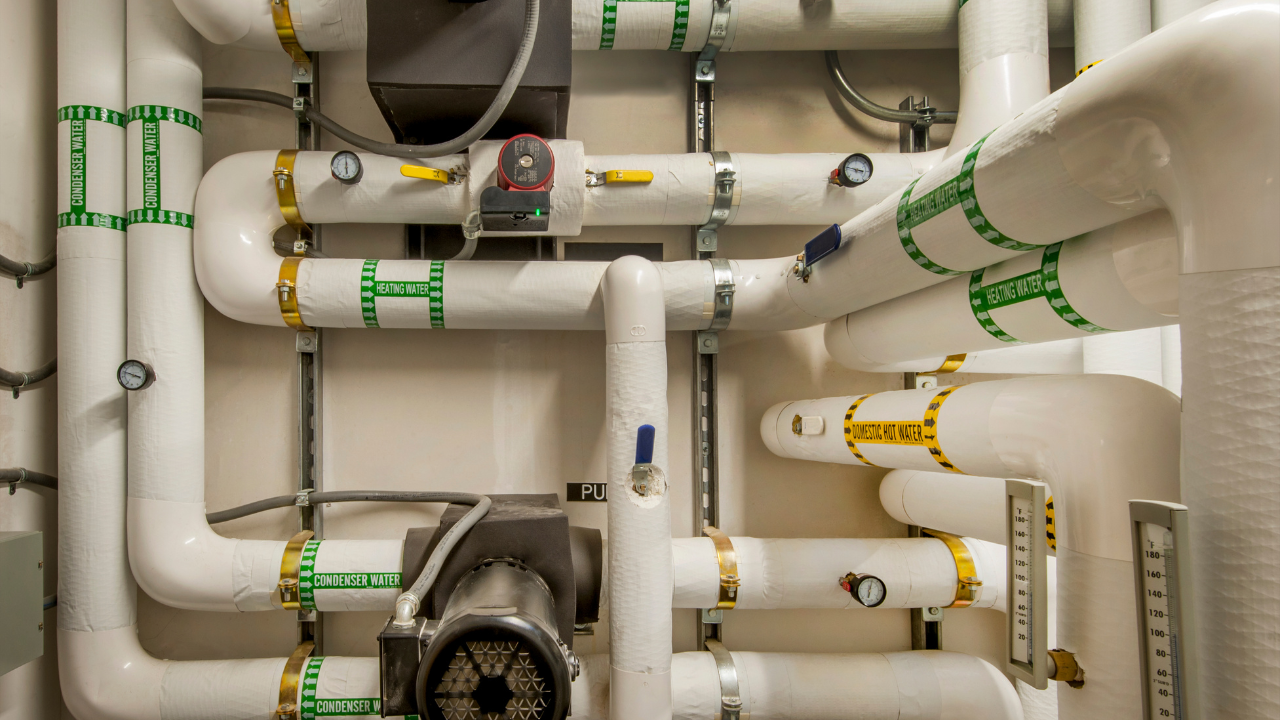
New construction plumbing follows a clear step-by-step process. Each phase builds on the one before it, and every stage must be done correctly for the system to work the way it should. Skipping steps or rushing through any phase can create problems that are hard and expensive to fix later. When builders and plumbers follow the proper sequence, the job stays on schedule, inspections pass smoothly, and the final system performs well for years. Understanding these phases helps homeowners, builders, and project managers know what to expect at each point in the project and why timing matters so much in new construction plumbing.
Pre-Construction & Rough-In Planning
This phase sets the direction for the entire plumbing system. During pre-construction and rough-in planning, plumbers study the building plans and decide how water lines, drain pipes, and vents will run throughout the structure. They confirm fixture locations, pipe sizes, and material choices while making sure everything follows local codes. This planning stage also includes scheduling inspections and coordinating with other trades. Good planning prevents delays and reduces the risk of rework. In new construction plumbing, this phase determines how efficient, reliable, and easy to maintain the system will be once the building is complete.
Underground Rough-In
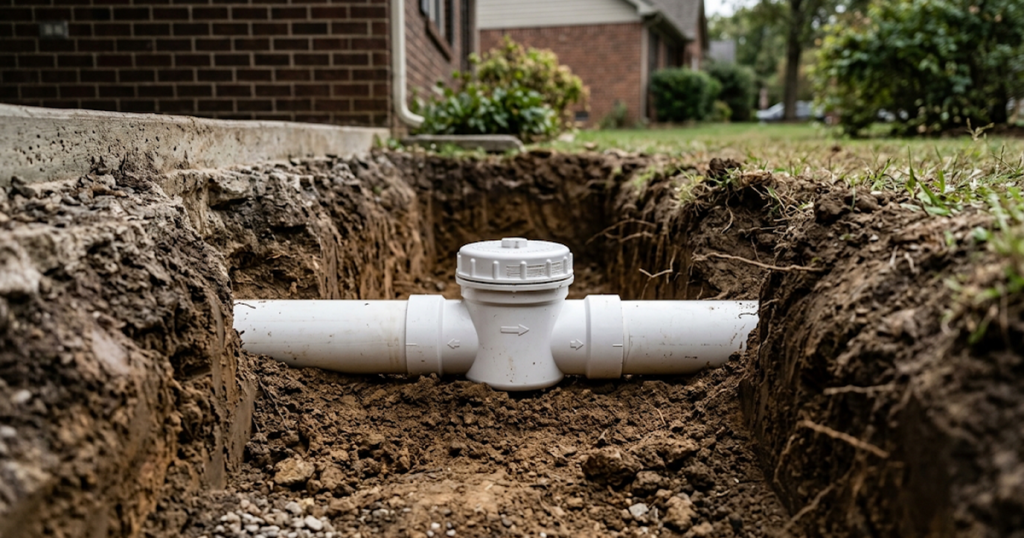
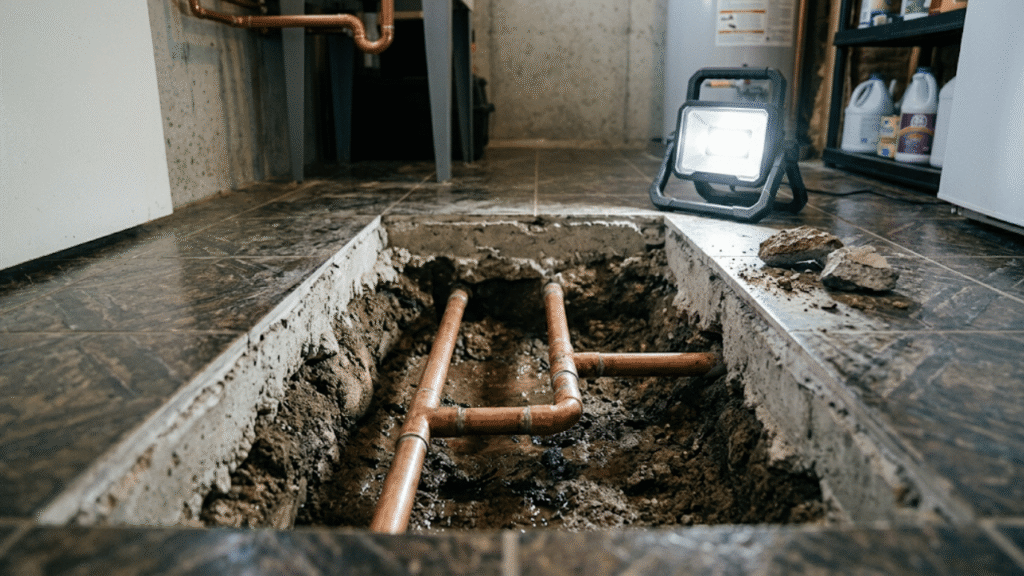
Underground rough-in happens before the foundation is poured. At this stage, plumbers install the main sewer lines and underground drain pipes that will carry waste away from the building. These pipes must follow exact slopes so waste flows smoothly and does not collect inside the system. Any mistake at this stage can cause drainage problems that are extremely difficult to fix later. Inspections take place before concrete is poured to confirm the work meets code. Underground rough-in is one of the most critical steps in new construction plumbing because it becomes permanently locked into the structure.
Above-Ground Rough-In / Top-Out
After the building’s frame goes up, plumbers move to the above-ground rough-in stage, also known as top-out. During this phase, they install water supply lines, drain pipes, and vent pipes inside walls, floors, and ceilings. All connections for sinks, toilets, showers, tubs, and appliances are positioned but not yet finished. This stage defines the system’s layout and function. Another inspection happens here to confirm everything meets code before walls are closed. A clean top-out phase ensures that new construction plumbing performs properly once the building is sealed.
Trim & Final Fixture Installation
The trim phase happens after drywall, paint, and flooring are finished. Plumbers return to install fixtures such as sinks, faucets, toilets, showers, water heaters, and appliances. They connect everything to the previously installed pipes, test the system for leaks, adjust water pressure, and ensure proper drainage. Final inspections confirm the system is safe and fully operational. This is when the new construction plumbing system comes to life. When all phases are completed correctly, the building is ready for daily use with a plumbing system designed to last.
Do You Want to Plan New Plumbing for Your Home?
New construction plumbing is not something you want to rush or leave to chance. It affects how your home works every single day, from water pressure to drainage to long-term maintenance. When the planning is done right and each phase is handled with care, your plumbing system stays reliable, efficient, and problem-free for years.
At Nuflow DFW, we specialize in new construction plumbing for homeowners and builders across the DFW area. We handle the full process, from early planning and system design to rough-in work, final installation, inspections, and long-term support. Our team works closely with builders and homeowners to create clean layouts, efficient water systems, and strong pipe networks that meet all local codes and project needs.
We use proven methods, quality materials, and modern technology to make sure every system performs at its best. If you are planning a new home or starting a construction project, Nuflow DFW is ready to help you build it the right way from the ground up.