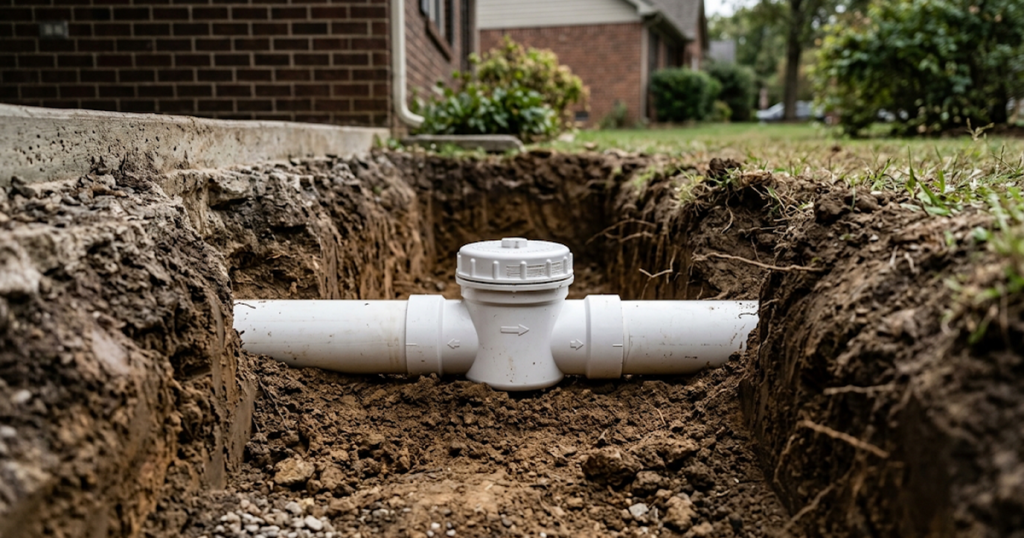
A backwater valve is a one-way device fitted to the main sewer line, usually near the cleanout. A hinged flap rests open so waste flows out normally. If the city sewer backs up and water starts moving toward your house, floats lift the flap and seal the pipe, so sewage from the public main cannot reach your fixtures.
It is also called a sewer backwater valve, a mainline backwater valve, or a sewer check valve. Most modern units are PVC with a clear or removable top so the flap can be inspected and cleaned. Older homes may have cast iron units. Clean Check is one common brand of the access-style valve.
It is not a sump pump. A sump pump removes groundwater from a pit. A backwater valve blocks sewage in a pipe. They solve different problems and are often installed together in basement homes.
Is a backwater valve the same as a backflow preventer?
No. They protect different systems. A backwater valve sits on your sewer line and stops sewage coming back into the house. A backflow preventer sits on your water supply and stops contaminated water flowing back into the drinking water system. Several websites use the names interchangeably, which is wrong.
| Backwater valve | Backflow preventer | |
|---|---|---|
| Installed on | Sewer or drain line | Water supply line |
| Protects against | Sewage entering the house | Contaminated water entering drinking water |
| In DFW, required for | Fixtures below the upstream manhole rim | Irrigation systems, tested annually |
| Also called | Sewer check valve, mainline backwater | Backflow device, backflow prevention valve |
If someone in Texas is talking about a backflow test on a sprinkler system, that is the supply-side device, not this one.
Do you need a backwater valve?
You need one if your lowest plumbing fixture drains below the rim of the next upstream manhole on the public sewer. That is the code test under the International Plumbing Code, which Dallas and Fort Worth use. Below that level, a blocked city main can push sewage into your fixtures. Above it, sewage has an easier path out.
In practice, basement homes usually fall below that line and slab homes usually do not. Most DFW housing is slab-on-grade, and across the 25 cities Nuflow DFW serves that is why backwater valves are far less common here than in Toronto, Chicago or New York.
Two other situations worth considering one: a home sitting noticeably lower than the street, and a property that has already had sewage come up from the city side. If neither applies, you are probably spending money on protection you will not use.
Will a backwater valve stop a sewer backup?
Only a backup coming from the city side. It does nothing for a blockage in your own line, and that is the more common cause. Los Angeles County Public Works notes that most sewer backups come from roots or debris in the owner’s drain line, not the public sewer.
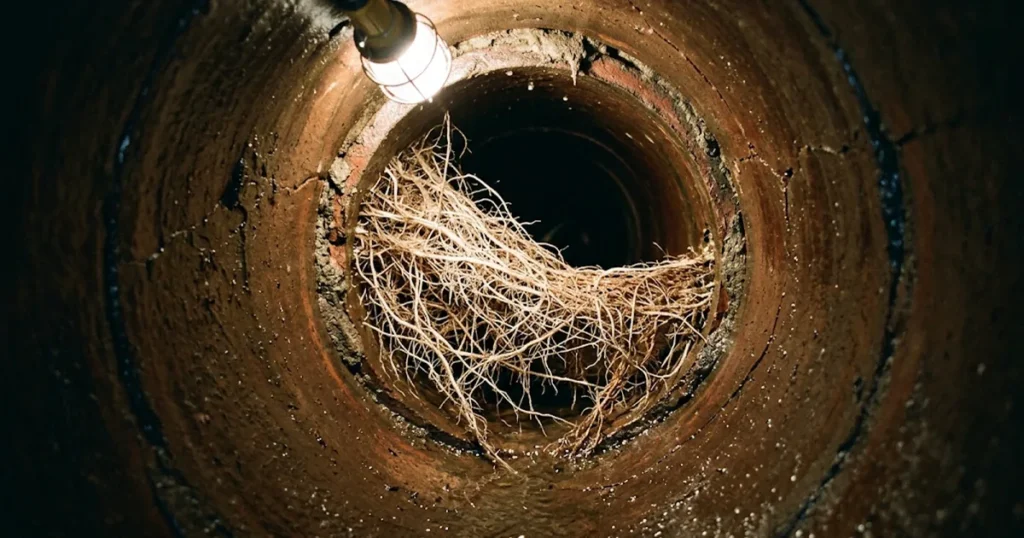
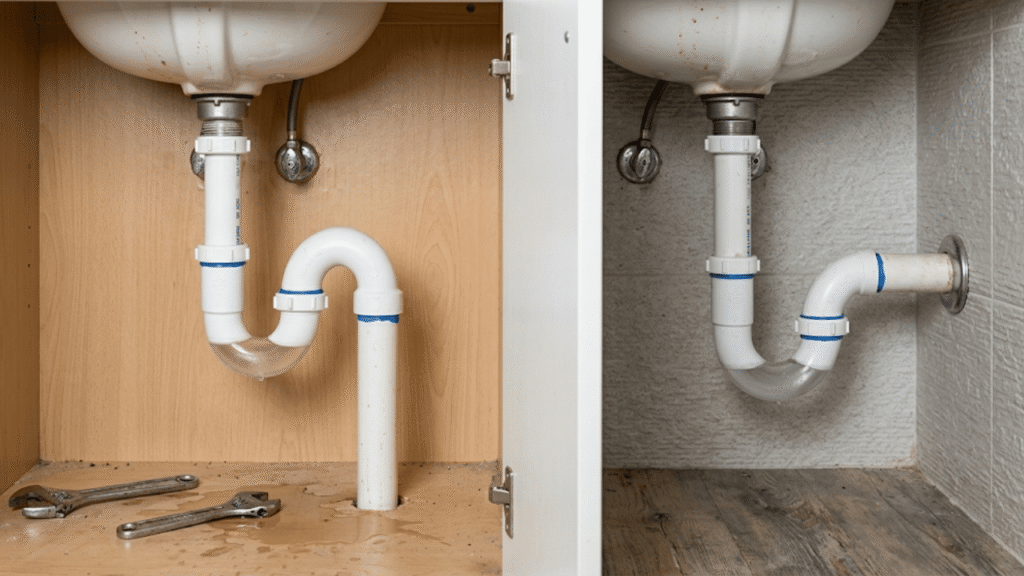
If tree roots have grown into your line, or grease has built up, or a joint has shifted, the valve sits downstream of the problem and cannot help. The backup happens anyway.
If your sewer backs up when it rains
This matters more in DFW than the national advice suggests. Most guides blame rain-related backups on the city sewer overflowing, which happens in cities where stormwater and sewage share the same pipes. DFW runs separate storm and sanitary sewers, so rain is not supposed to reach your sewer line at all.
If yours backs up during storms, rainwater is usually getting into your own pipe through cracks, open joints, or a missing cleanout cap. A backwater valve will not fix that. Sealing the pipe will, and that is the repair Nuflow DFW (RMP# 46694) most often ends up recommending when a homeowner calls about a backwater valve.
The limitation nobody mentions
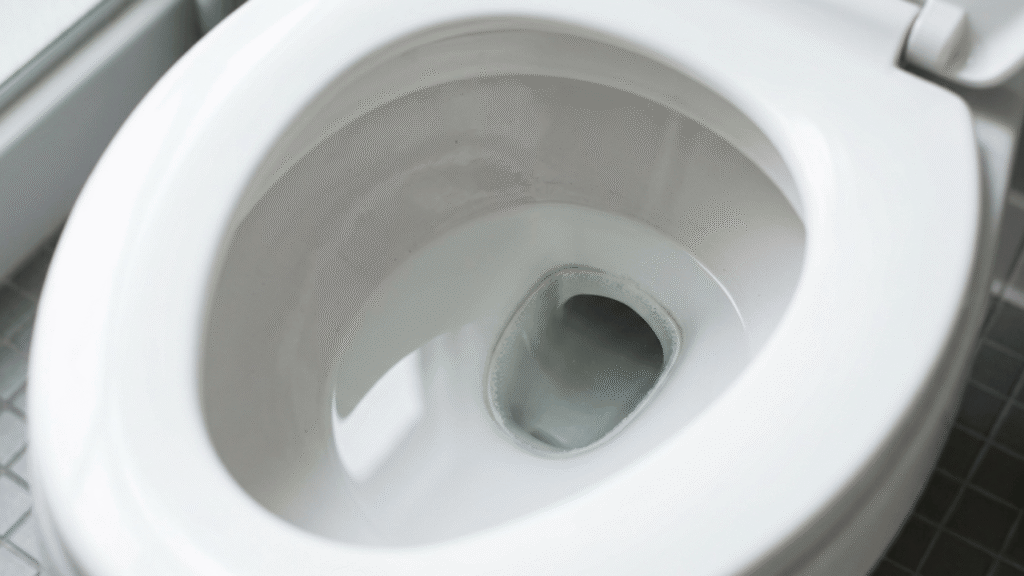
When the valve closes, your own wastewater cannot leave either. If you run the dishwasher, shower, or washing machine during a city backup, that water fills your drain line with nowhere to go and can come up through your lowest drain. When a valve has shut, stop using water until it reopens.
How do you know if you have a backwater valve?
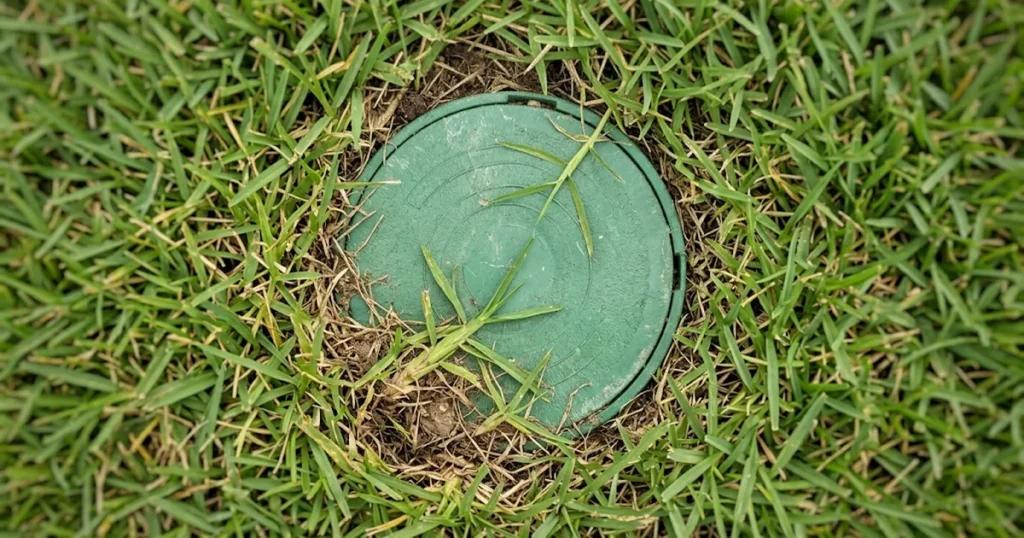
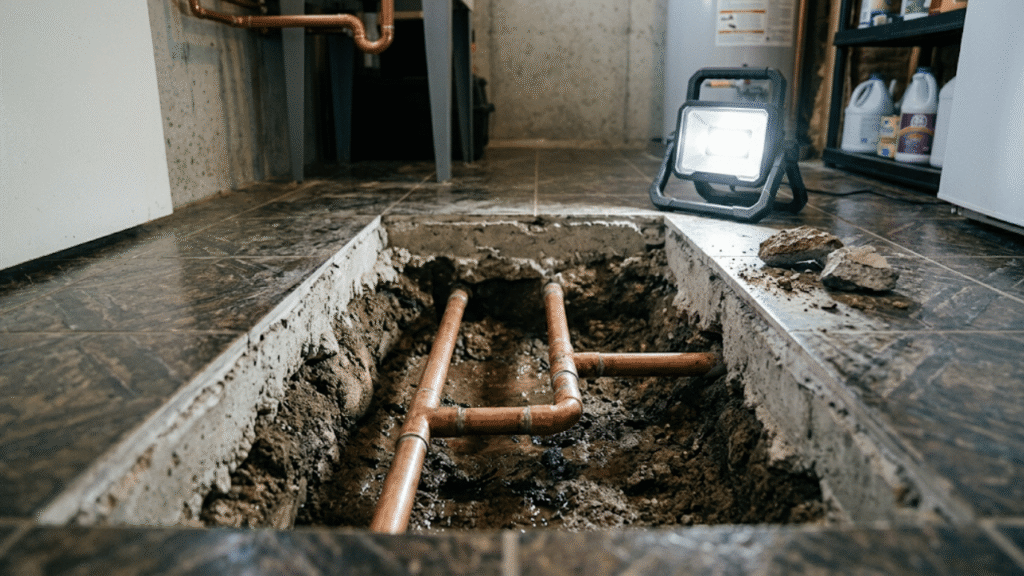
Look near your sewer cleanout, usually within a few feet of the foundation. A backwater valve has a larger access cover than a standard cleanout cap, often round or square and sometimes clear. In basement homes it sits in the floor. If you find nothing, check your home inspection report or have the line scoped.
Do not confuse it with a house trap. A house trap is an older U-shaped fitting on the main line, common in pre-war homes, that blocks sewer gas rather than sewage. It looks similar from above and has two cleanout openings rather than one access cover.
How much does a backwater valve cost?
A retrofit backwater valve installation usually runs $1,000 to $3,000 as of Q3 2026, depending on how deep the sewer line sits, whether concrete has to be broken, and access. The valve itself is a small part of that. Nearly all the cost is excavation to reach the pipe and cut the valve in.
Maintenance is modest but real. The flap needs checking and cleaning once or twice a year, because debris can hold it open, which defeats the purpose, or jam it shut, which blocks your own drainage.
What to do before paying for one
Find out where your backups are coming from first. A camera inspection shows whether the problem is roots, debris, or a cracked pipe in your own line, or whether the city main is genuinely backing up into it. Those are different fixes, and only one of them is a backwater valve.
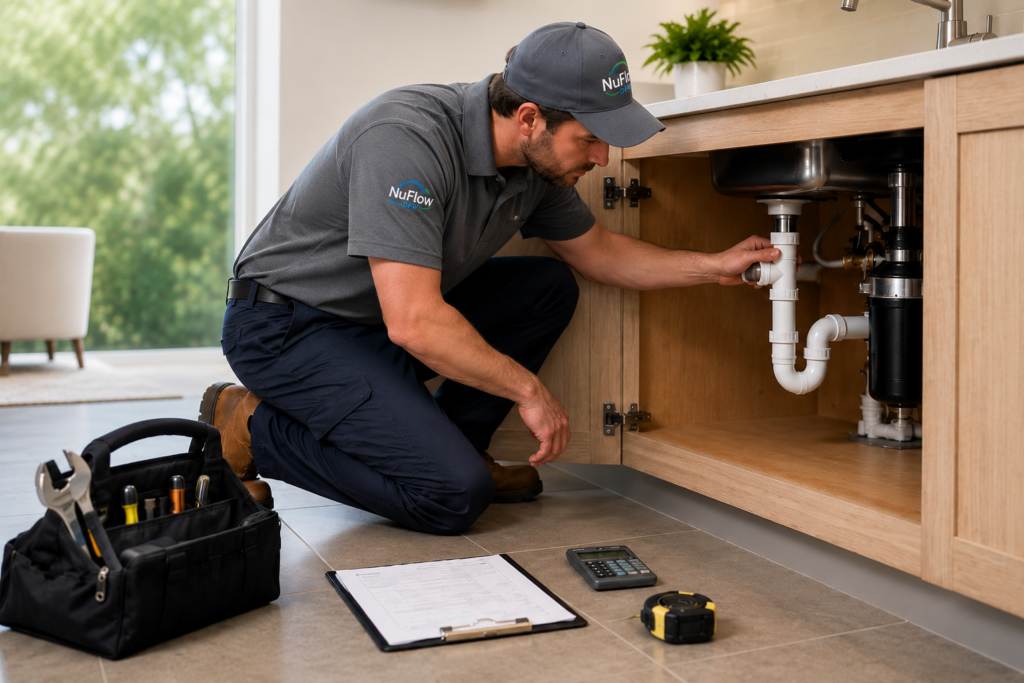
Nuflow DFW is licensed by the Texas State Board of Plumbing Examiners (RMP# 46694) and serves 25 cities across the Dallas-Fort Worth Metroplex. Call (469) 701-0597.
Frequently Asked Questions
What is the purpose of a backwater valve?
A backwater valve prevents sewage from the public sewer main flowing back into your home. It lets wastewater leave normally through an open flap, then closes automatically when water reverses direction. It protects fixtures sitting lower than the next upstream manhole on the public sewer, which is mainly a concern in basement homes.
Is a backwater valve required?
It is required where your lowest fixture drains below the rim of the next upstream manhole on the public sewer. That usually means basement homes. Most slab-on-grade homes in DFW sit above that line and are not required to have one. Local rules vary, so confirm with your city.
Is a check valve a backflow preventer?
Not exactly. A sewer check valve is another name for a backwater valve, which stops sewage returning into the house. A backflow preventer is a separate device on the water supply that protects drinking water from contamination. People use the terms interchangeably, but they protect entirely different systems.
Do backwater valves fail?
They can. Debris can hold the flap open so it will not seal, or jam it shut so your own wastewater cannot leave. Floats wear, and seals degrade. Checking and cleaning the valve through its access cover once or twice a year keeps it working. An uninspected valve can fail exactly when it is needed.
Can a backwater valve be installed outside?
Yes. In slab homes it is typically installed outside on the main sewer line near the foundation, often alongside or combined with the cleanout. Basement homes usually have it in the floor. Either location works as long as it sits on the main line and has an access cover for maintenance.
Is a backwater valve the same as a sump pump?
No. A sump pump removes groundwater that collects in a pit, usually in a basement. A backwater valve blocks sewage from flowing backward through the sewer line. They address different water sources, and basement homes often need both. Most DFW slab homes need neither.