Slow drains, gurgling toilets, and clogs that keep coming back are the clearest warning signs your drains need professional cleaning. Homeowners across the DFW Metroplex tend to explain these warning signs away for weeks, sometimes months.
A slow sink rarely feels urgent on its own. Nuflow DFW (RMP# 46694) runs camera inspections on drain and sewer lines across Dallas, Plano, Frisco, and the rest of the Metroplex. The pattern shows up constantly: the “sudden” backup almost never is sudden. It was building the whole time.
Here are the five signs worth paying attention to, what causes each one, and when a plunger stops being enough.
1. Water Drains Slower Than It Used To
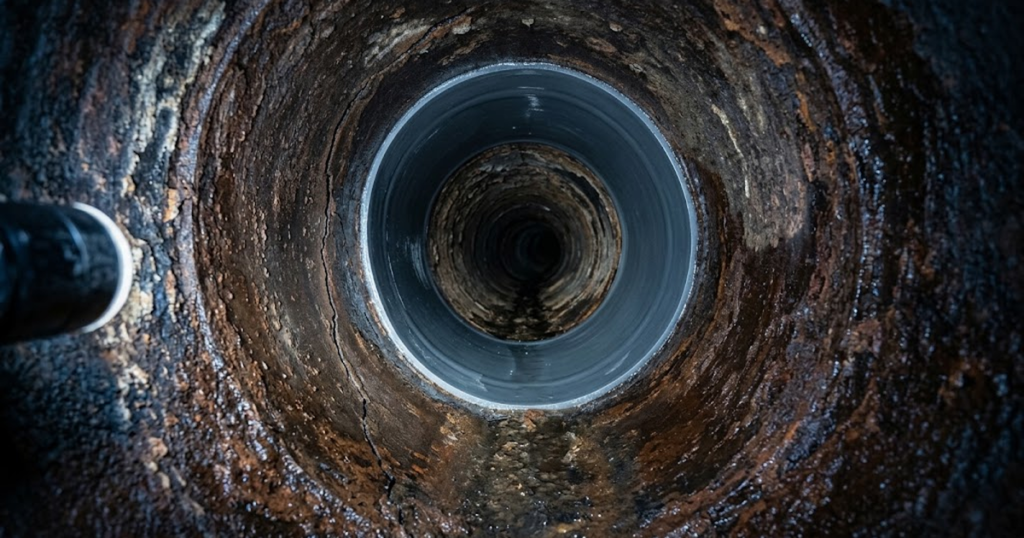
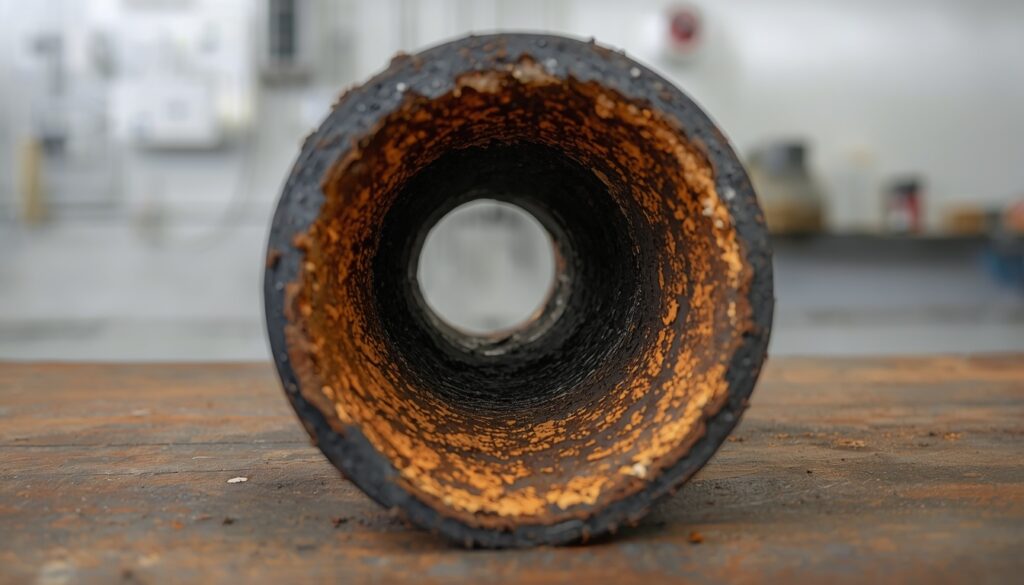
A sink or tub that empties a little slower every week is the most common early warning sign. It’s also the one homeowners ignore the longest. Something is physically narrowing the pipe. Hair and soap scum usually cause it in a bathroom line. Grease and food particles cause it in a kitchen line. Older homes in neighborhoods like Lakewood, Oak Cliff, and parts of Fort Worth’s Near Southside often have a third culprit: mineral buildup inside galvanized pipe that’s been in the ground since before 1970.
A single slow drain is often isolated and simple to clear. Multiple slow drains at once, especially across different rooms or floors, usually point to a blockage further down the line, closer to the main sewer connection. That’s a bigger job. Waiting tends to cost more than acting on it. A same-day camera inspection can tell you which situation you’re in before you spend money guessing.
Call Nuflow DFW at (469) 701-0597 for a free camera inspection before a slow drain turns into a mainline backup.
2. Gurgling Sounds From Drains or Toilets
A toilet that gurgles when you run the washing machine, or a bathtub that bubbles when you flush, means trapped air is escaping through a partial blockage. Plumbing systems rely on steady airflow through the vent stack to let water move smoothly. Something restricts that flow, whether it’s debris in the drain line or a blocked roof vent. The trapped air pushes backward and forces its way out wherever it can. That’s often the nearest open drain.
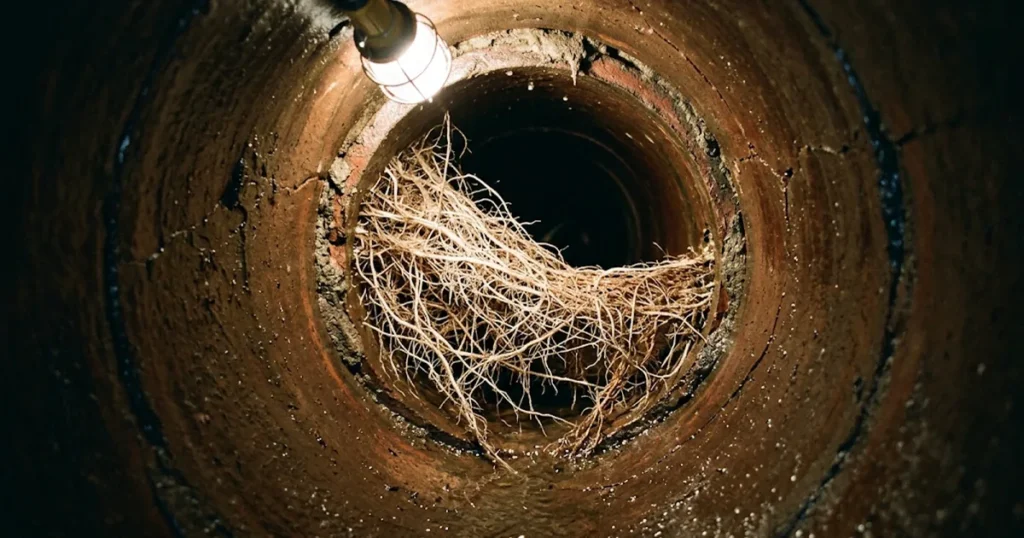
This one is easy to dismiss because it doesn’t stop you from using the sink or shower right away. It’s still a reliable sign that pressure is building somewhere in the system, and it rarely resolves on its own. Homes with mature trees see this more often, common across older sections of Dallas and Arlington. Root systems seek out the moisture inside sewer lines and gradually restrict flow at the joints.
3. Recurring Clogs in the Same Spot
A clog that keeps coming back after you’ve plunged it, snaked it, or poured a store-bought cleaner down it isn’t gone. You’ve only cleared the top layer. Basic plunging and chemical cleaners knock loose the surface of a clog. They don’t touch buildup that’s coated the inside walls of the pipe further down, or a partial obstruction like root intrusion or a bad slope in the line.
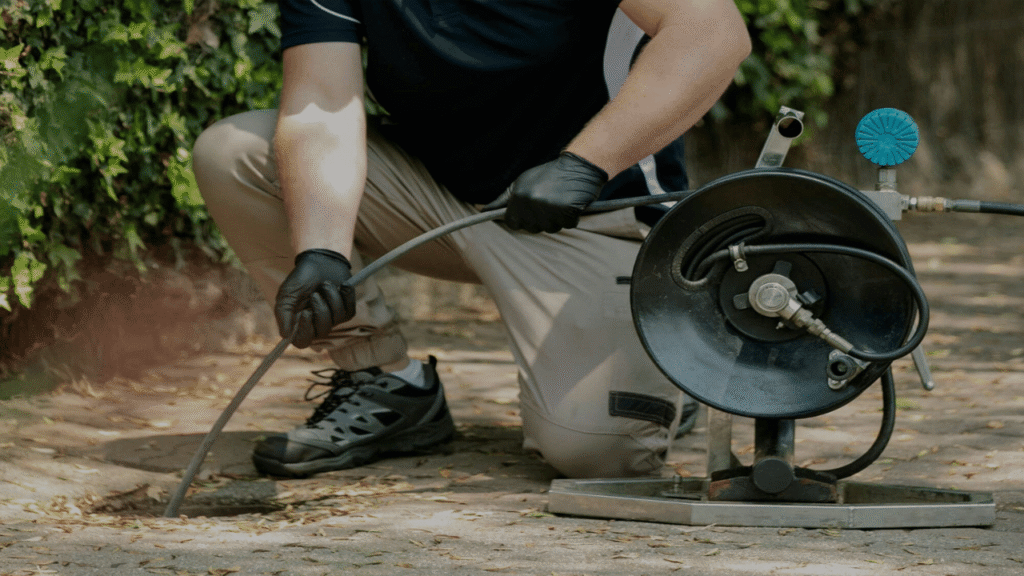
If the same drain clogs every month or two no matter what you try, the pipe needs a real cleaning, not another round of the same fix. This is usually where hydro jetting earns its reputation. It clears the full diameter of the pipe with high-pressure water instead of punching a narrow hole through the clog. Hydro jetting starts at $350+ (as of Q3 2026). Final pricing depends on pipe length, access, and how much buildup a camera inspection finds.
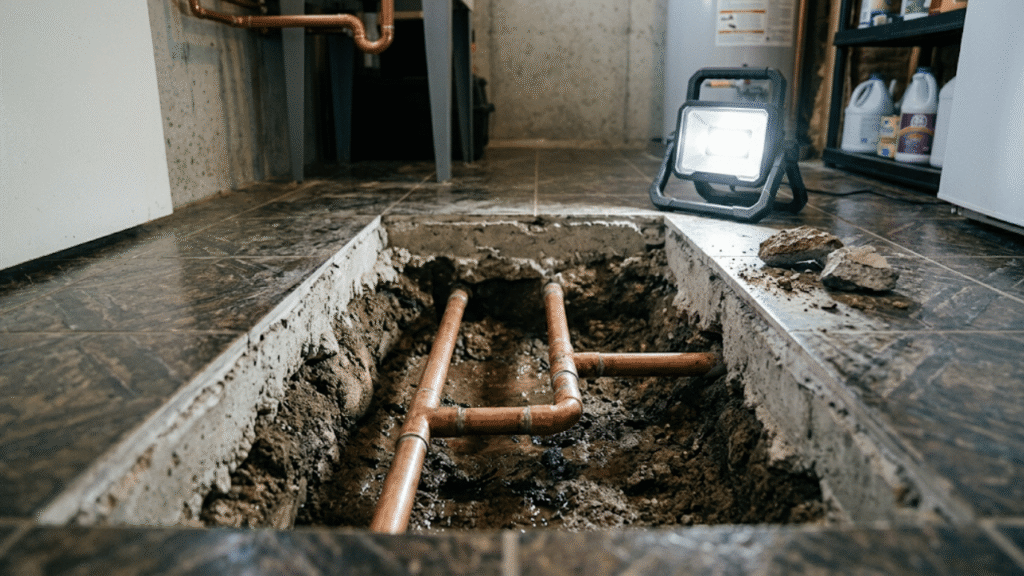
Hydro jetting is not the right call for every pipe. A line with a full structural collapse or a severely offset joint needs trenchless pipe lining or, in some cases, traditional excavation. More water pressure won’t fix a broken pipe. A camera inspection before any work begins is what separates a real diagnosis from a guess.
4. Bad Smells Coming From Drains
Sewer gas smells like rotten eggs, and it has no business coming up through a sink or floor drain. Usually the cause is organic material such as food waste, grease, or soap residue decomposing somewhere in the pipe. Sometimes a dried-out P-trap has stopped blocking gas from the sewer line instead. Kitchen grease is a bigger contributor than most homeowners realize. The Texas Commission on Environmental Quality tracks fats, oils, and grease as one of the leading causes of sewer blockages statewide.
A lingering odor that keeps coming back, no matter how many times you clean the drain opening, usually means the source sits further down than you can reach on your own. It’s one of the more reliable signs that it’s time to call someone with a camera and a jetter instead of another bottle of drain cleaner.
5. Water Backing Up in Unexpected Places
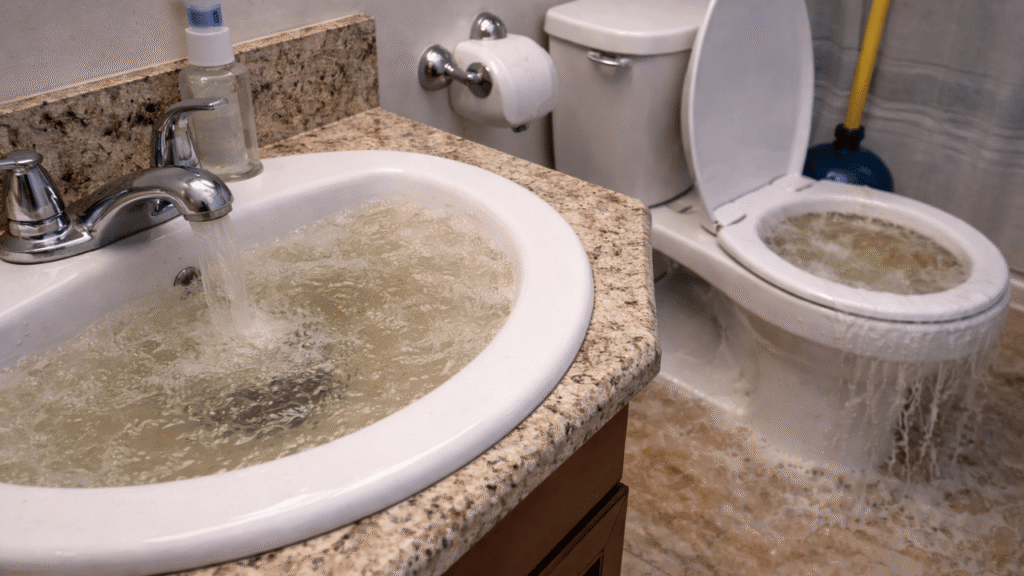
This is the sign that means stop and call someone. Flushing the toilet shouldn’t make water rise in the shower drain. Running the washing machine shouldn’t make the kitchen sink gurgle and fill. When that happens, you’re looking at a mainline blockage: a clog in the primary sewer line that every fixture in the house drains into. It’s not a one-drain problem anymore. It’s a whole-house problem, and it can turn into a genuine sewage backup with very little warning.
If you’re seeing backups in multiple fixtures, this isn’t a DIY job. A plumber’s snake might buy a few days. If the underlying cause is root intrusion, a bellied pipe, or decades of scale buildup, the backup is coming back. Texas Occupations Code Section 1301 requires a licensed Master Plumber to legally perform the sewer line repair work that follows a mainline diagnosis. That’s part of why Ryan King’s RMP# 46694 license matters here, not just on the invoice.
Request a free trenchless quote for your DFW home if a camera inspection shows more than a simple clog.
What Professional Drain Cleaning Actually Involves
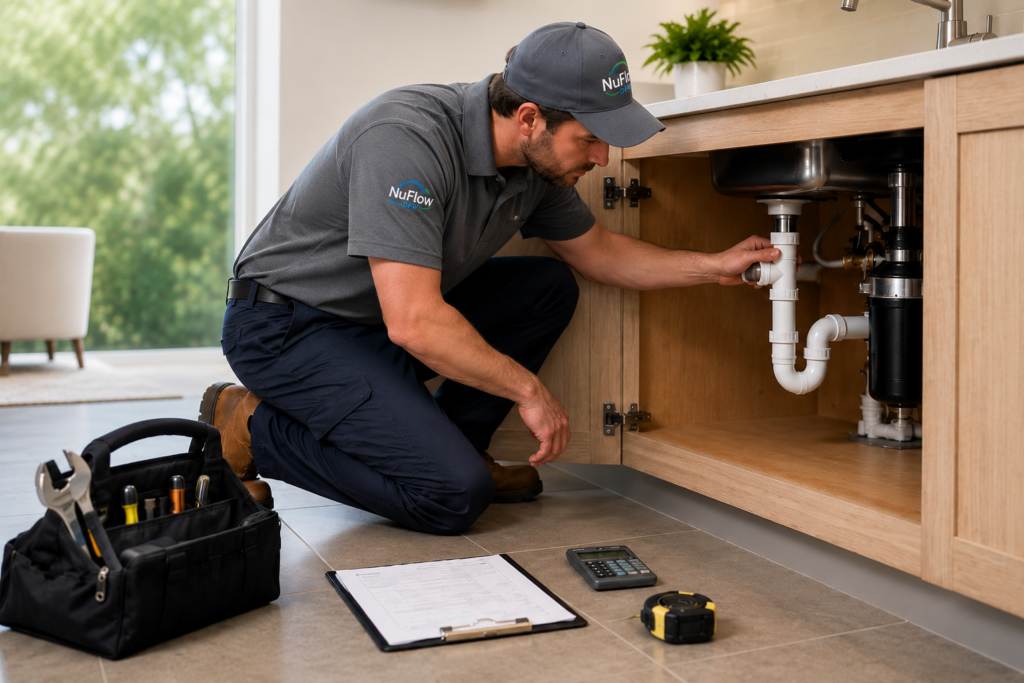
A real drain cleaning starts with a look, not a guess. A camera inspection shows exactly where a clog sits, what caused it, and whether the pipe itself is still in good shape. From there, the fix is usually hydro jetting or mechanical clearing, whichever the pipe actually needs.
| Service | Starting Price (as of Q3 2026) | Best For |
| Drain Cleaning | $150+ | Isolated slow or clogged drain |
| Camera Inspection | $250+ | Diagnosing the cause before any repair |
| Hydro Jetting | $350+ | Recurring clogs, grease, root intrusion |
| Trenchless Pipe Lining | $3,500+ | Damaged or collapsed sewer pipe |
Final cost depends on pipe length, access, and what the inspection finds. A camera inspection finds the problem. It doesn’t fix it. Treat it as diagnostic, not repair, and get a written estimate before any work begins.
Frequently Asked Questions About Drain Cleaning in DFW
How much does professional drain cleaning cost in DFW?
Drain Cleaning at Nuflow DFW starts at $150+ (as of Q3 2026). Hydro jetting starts at $350+ for tougher or recurring clogs. Final pricing depends on pipe length, access, and what a camera inspection finds. Call (469) 701-0597 for a current quote on your home.
How long does a drain cleaning appointment take?
Most single-drain cleanings take 30 to 90 minutes. A full hydro jetting service on a main line usually runs 1 to 3 hours, depending on pipe length and buildup. Camera inspection adds roughly 20 to 30 minutes when it’s done first.
Can I use store-bought drain cleaner instead of calling a plumber?
Store-bought drain cleaner can clear a simple, isolated surface clog. It won’t touch buildup coating the pipe walls further down or fix root intrusion. Repeated chemical use can also damage older pipe. If a clog returns within a few weeks, call a licensed plumber instead.
Is hydro jetting safe for older pipes?
Hydro jetting works safely on most pipe materials, including PVC, cast iron, and clay, when the technician sets the pressure correctly for the pipe’s age and condition. A camera inspection beforehand confirms the pipe can handle it. Severely deteriorated or fully collapsed pipe needs lining or replacement instead.
Do you serve my city in DFW?
Nuflow DFW serves the full DFW Metroplex, including Dallas, Fort Worth, Plano, Frisco, Arlington, McKinney, and 20 additional service area cities. Call (469) 701-0597 to confirm same-day availability in your neighborhood.
When should I call a plumber instead of trying to fix it myself?
Call a plumber once a clog returns after DIY attempts, once you hear gurgling from multiple fixtures, or the moment water backs up somewhere it shouldn’t. Those signs mean the blockage sits deeper than a plunger or store-bought cleaner can reach. Waiting past that point usually means a bigger repair.
When to Call Plumber
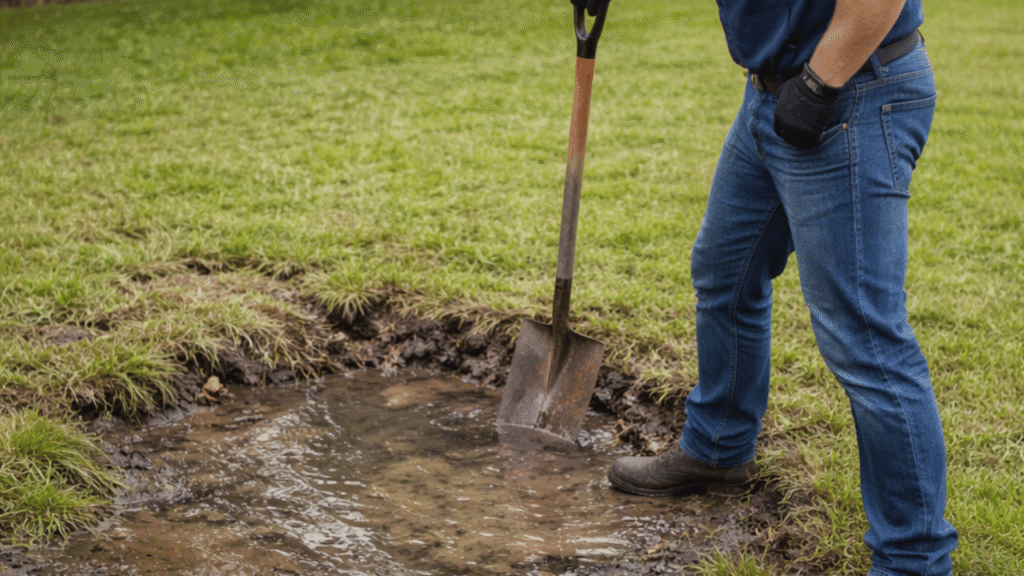
None of these five signs mean your plumbing has failed. They mean something in the system needs attention before it becomes an emergency. Anytime Plumbing in Santa Cruz offers drain cleaning and clearing services built around the same principle: inspect first, then clear the full pipe, not just the clog in front of you. It’s a lot cheaper than an after-hours emergency plumbing call. It’s also a lot less disruptive than digging up a yard because a slow drain turned into a collapsed pipe.
If you’re noticing any of these signs, Nuflow DFW offers 24/7 emergency plumbing across the Metroplex and same-day camera inspections during business hours. Browse the full list of plumbing services or schedule an inspection to find out exactly what’s happening in your line before anyone recommends a fix. Call (469) 701-0597 (RMP# 46694) any time, day or night.