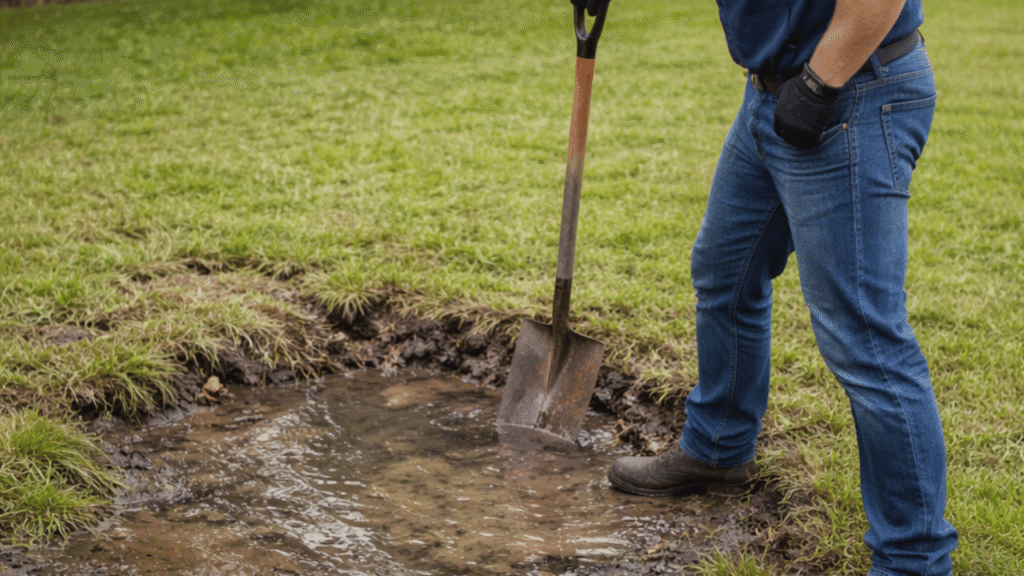
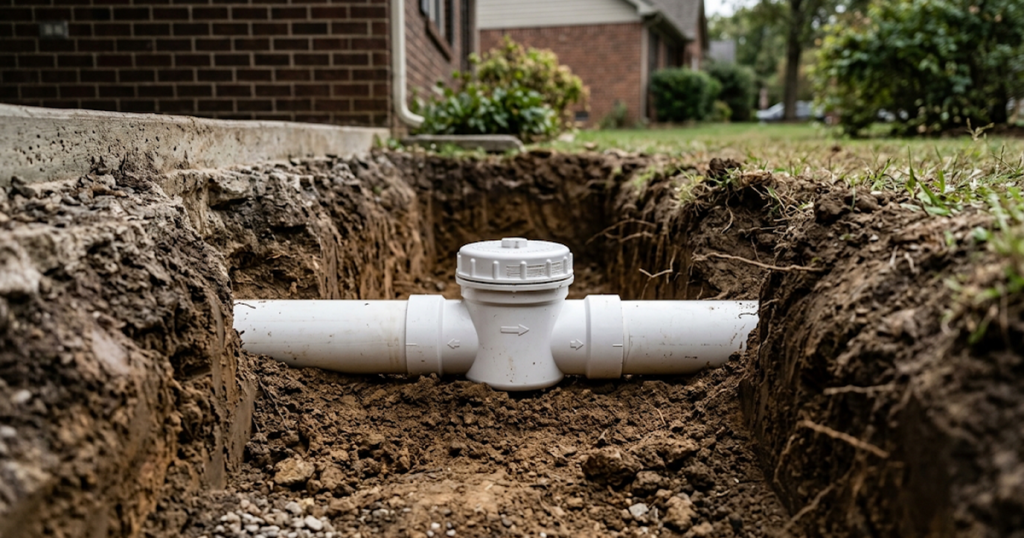
When it comes to fixing a clogged or damaged sewer line, the last thing most homeowners want is to deal with a huge mess in their yard. Traditionally, repairing a sewer line meant digging up large sections of your lawn, causing disruption and a hefty cleanup afterward. But now, there’s a smarter, cleaner solution: trenchless sewer line repair.
Trenchless repair is quickly becoming a go-to choice for homeowners, and for good reason. It involves minimal digging and allows plumbers to fix sewer lines without tearing up your yard. As a result, it’s faster, more affordable, and less invasive than traditional methods. In this blog, we’ll explore how trenchless sewer line repair works, why it’s gaining popularity, and why it might be the right option for you if you’re dealing with sewer line issues.
The Basics of Sewer Line Problems
Your home’s plumbing system relies on one key component: the sewer line. This is the main pipe that carries waste and water from your home to either the city’s sewer system or your septic tank. Think of it as the highway for all the waste in your home. If it gets blocked or damaged, it can lead to some serious problems, not just in your pipes, but in your entire house.
Sewer systems are complex and age over time, and proper maintenance is crucial to prevent issues like clogs and backups. Your home’s sewer line is part of the larger sanitary sewer system, the underground network that carries wastewater away from your house. These systems can deteriorate over time and require proper maintenance to prevent blockages and failures
How Trenchless Sewer Line Repair Works
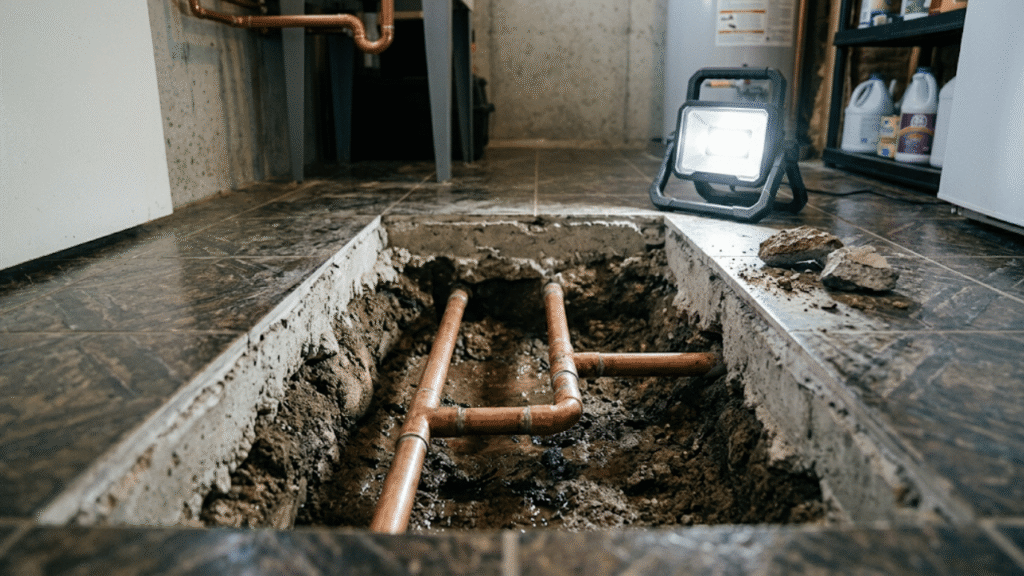
Trenchless sewer line repair is a game-changer in the plumbing world, and it’s all about making fixes without tearing up your yard. Instead of digging a huge trench to get to your sewer pipes, trenchless technology allows plumbers to work through small access points saving you time, money, and a whole lot of mess. So, how does it actually work?
Here’s a simple breakdown of the process:
Step 1: Video Camera Inspection
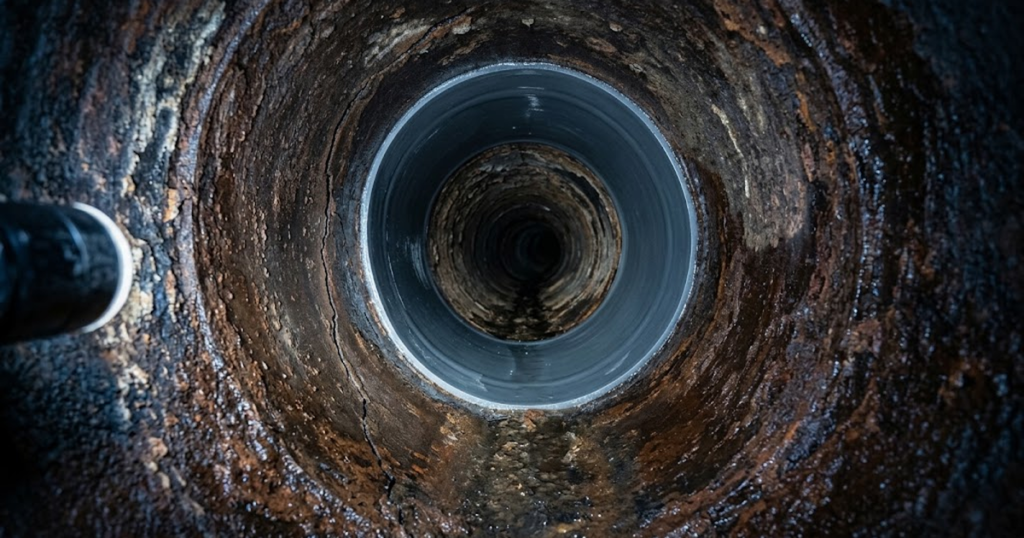
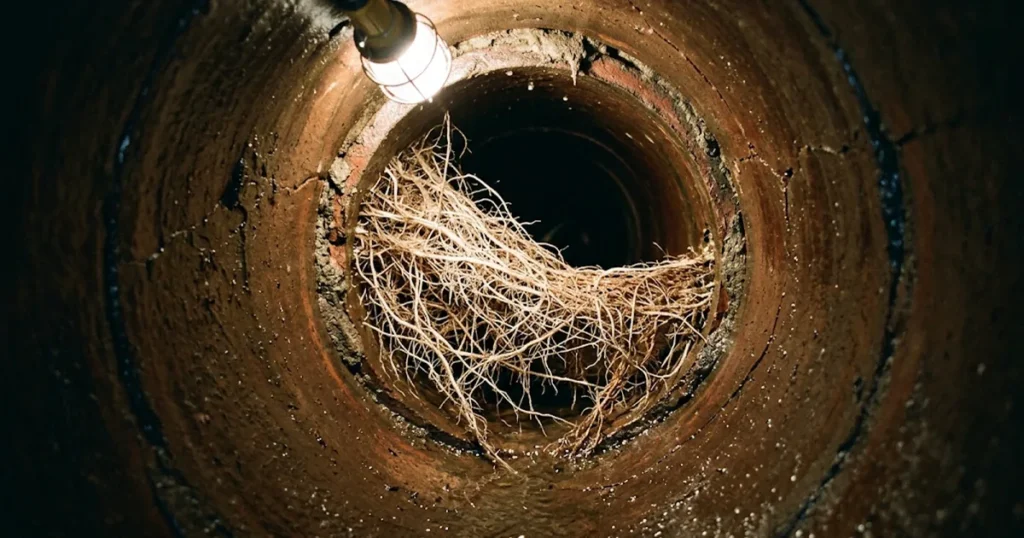
First, the plumber uses a special video camera to inspect your sewer line. They send the camera through the pipes, which gives them a real-time look at the condition of your sewer line. This lets them pinpoint exactly where the problem is whether it’s a clog, a crack, or tree roots causing the issue.
Step 2: Diagnosing the Issue
Once the inspection is complete, the plumber can determine what’s going wrong with your sewer line. They’ll figure out if it’s something simple like a clog or if the pipe itself is damaged. Knowing the problem helps them decide the best way to fix it.
Step 3: Using Trenchless Methods to Fix the Problem
Now comes the magic of trenchless repair. If it’s a clog, the plumber may use high-pressure water to clear it out. If the pipe is damaged, they can either line the existing pipe with a new material or, in some cases, replace the pipe without digging up your yard. It’s a smooth, efficient process that gets your sewer line working like new without the hassle of a traditional dig-up.
When is Trenchless Sewer Line Repair the Best Option?
Trenchless sewer line repair is a fantastic option, but it’s not always the right choice for every situation. There are a few factors that determine if trenchless repair will work for your home. Let’s break them down:
1. Pipe Damage Severity
If your sewer pipe is just slightly cracked or has a small clog, trenchless repair can work wonders. It’s a great solution when the damage is limited and can be easily addressed. However, if the pipe is severely collapsed or completely destroyed, it might need to be fully replaced, and trenchless methods might not be the best option in that case.
2. Location of the Damage
Trenchless repair relies on having access to the problem area. If the damage is in a part of the pipe that’s hard to reach or too deep in the ground, it might be trickier to fix with trenchless methods. But if the issue is in a more accessible area, trenchless repair could be the perfect solution.
3. Age and Condition of the Sewer Line
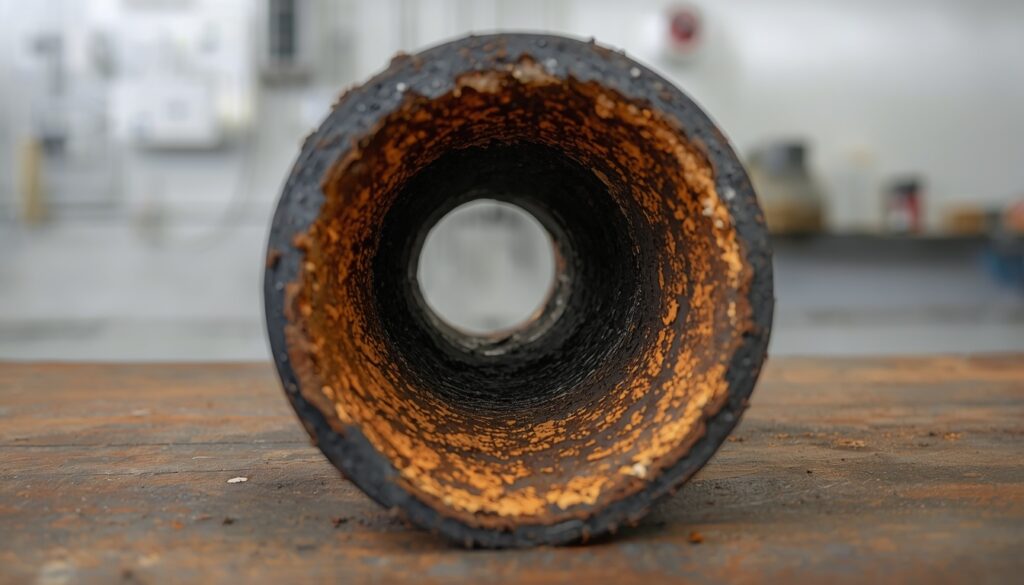
Older pipes might be more likely to have larger issues, like rust or damage from tree roots. If the pipes are in pretty good shape overall, trenchless repair is often a good choice. But if the pipes are too old and fragile, there might be a risk of further damage even after a trenchless repair, which could make a full replacement necessary.
4. Your Budget and Timeline
Trenchless sewer line repair is typically faster and less expensive than traditional methods, especially because there’s no need for heavy digging. If you’re looking to avoid digging up your yard and want a quicker solution, trenchless could be the way to go. But, if you’re dealing with more extensive damage that needs a lot of work, it might end up being more cost-effective in the long run to go with a full replacement.
The Future of Plumbing: Why Trenchless Repair is Here to Stay
As plumbing technology continues to evolve, trenchless sewer line repair is quickly becoming the preferred method for homeowners and plumbers alike. So, why is this modern technique gaining so much traction, and why is it likely to be the go-to solution for years to come?
Industry Trends Toward Trenchless Solutions
The plumbing industry is always looking for ways to improve efficiency and reduce costs, and trenchless repair fits perfectly with these goals. As more plumbers and contractors adopt this technology, the method is becoming more accessible and refined. It’s not just a trend—it’s a shift in how we approach sewer line problems. With advances in tools and techniques, trenchless solutions are expected to play a bigger role in the future of plumbing.
Why More Homeowners Are Opting for Trenchless Methods
More homeowners are choosing trenchless repair because it offers clear advantages over traditional methods. For one, it’s faster, which means less time spent on repairs and more convenience for homeowners. Secondly, it’s less disruptive. No digging up large portions of the yard means less mess and less stress. Plus, it’s a more cost-effective long-term solution. People are realizing that paying a little extra upfront for a trenchless repair can save them from bigger costs down the road.
Environmental Benefits of Trenchless Sewer Line Repair
Trenchless repair is also a win for the environment. Because it doesn’t require extensive digging, there’s less disruption to your lawn and landscaping, and less need for heavy equipment. This reduces the carbon footprint of the project. Plus, trenchless technology is generally less wasteful because it can reuse the existing pipe structure, cutting down on the need for new materials and reducing the amount of waste sent to landfills.
Conclusion: Is Trenchless Sewer Line Repair Right for You?
Trenchless sewer line repair offers several clear benefits that make it an attractive option for homeowners dealing with plumbing issues. It’s faster, less invasive, and often more affordable than traditional methods. Plus, it preserves your yard and landscaping, avoiding the mess of large excavation projects. With modern technology, trenchless repairs also tend to be more durable and longer-lasting, making them a smart investment for the future.
But is trenchless repair the best solution for your home? The decision depends on factors like the severity of the damage, the location of the issue, and your budget. If your pipes are relatively intact and the damage is localized, trenchless repair could be the perfect option. However, if your sewer line is severely compromised, a full replacement might be necessary, and trenchless repair may not be viable.
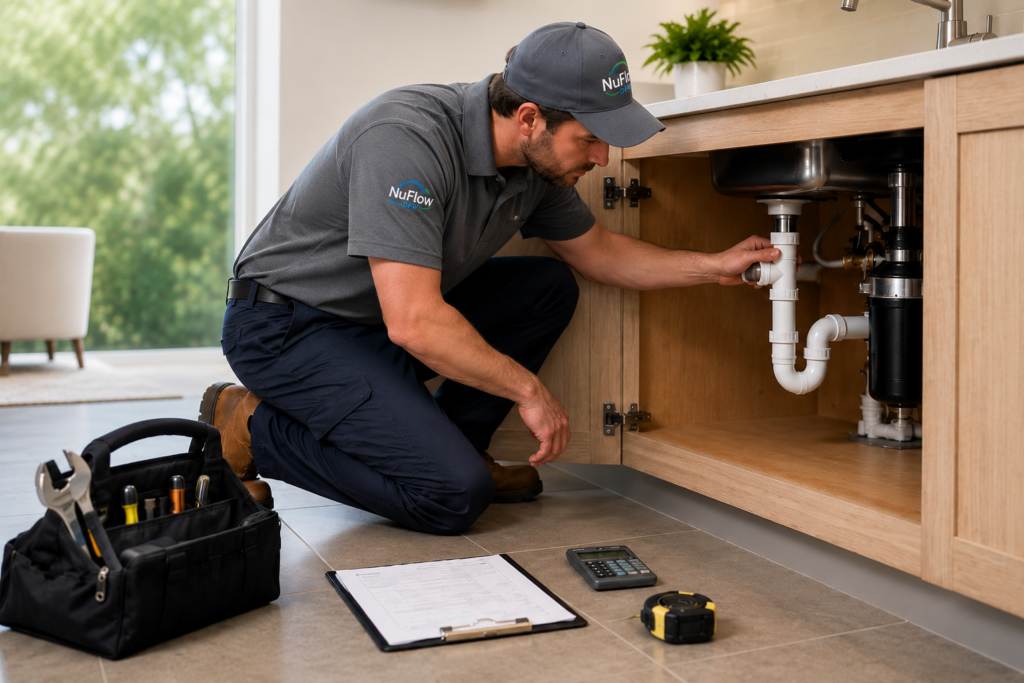
At Nuflow DFW, we specialize in trenchless sewer line repair, using advanced techniques to solve your plumbing problems efficiently. Our team is dedicated to providing high-quality service with minimal disruption to your home, ensuring you get the best solution for your needs. If you’re facing sewer line issues and wondering if trenchless repair is right for you, reach out to us for a consultation. We’ll help you understand your options and guide you toward the best choice for your home and budget.