Running out of hot water is one of those problems that instantly ruins your day. You step into the shower expecting comfort, and suddenly the water turns cold because someone else used it first. This is exactly why more homeowners are switching to tankless water heaters.
But before making that upgrade, one question matters the most: how much does a tankless water heater actually cost?
The honest answer is that costs vary depending on your home, the system you choose, and the condition of your plumbing. Most homeowners spend between $1,400 and $5,600 for a full installation. However, your final cost can go higher if upgrades are needed.
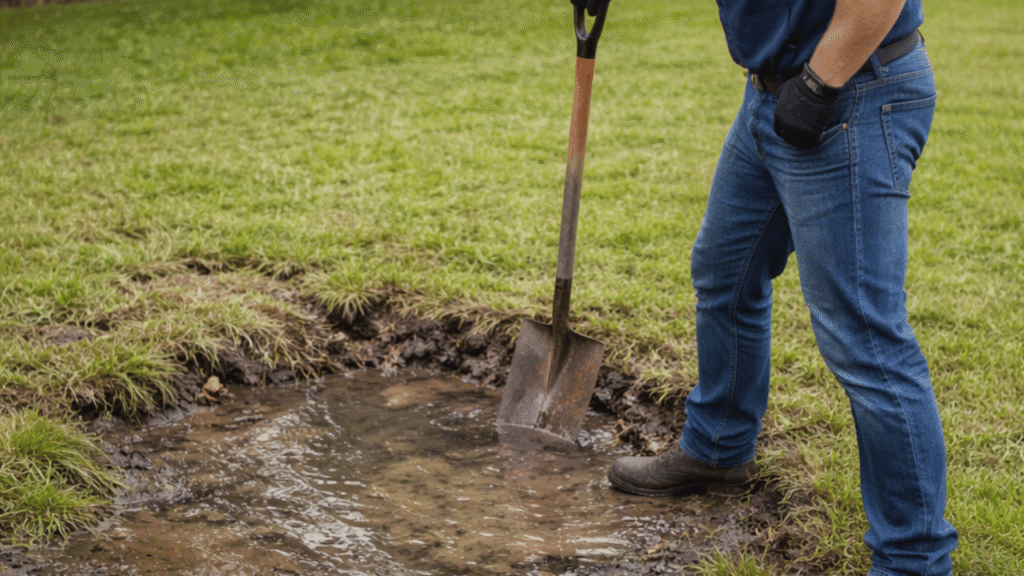
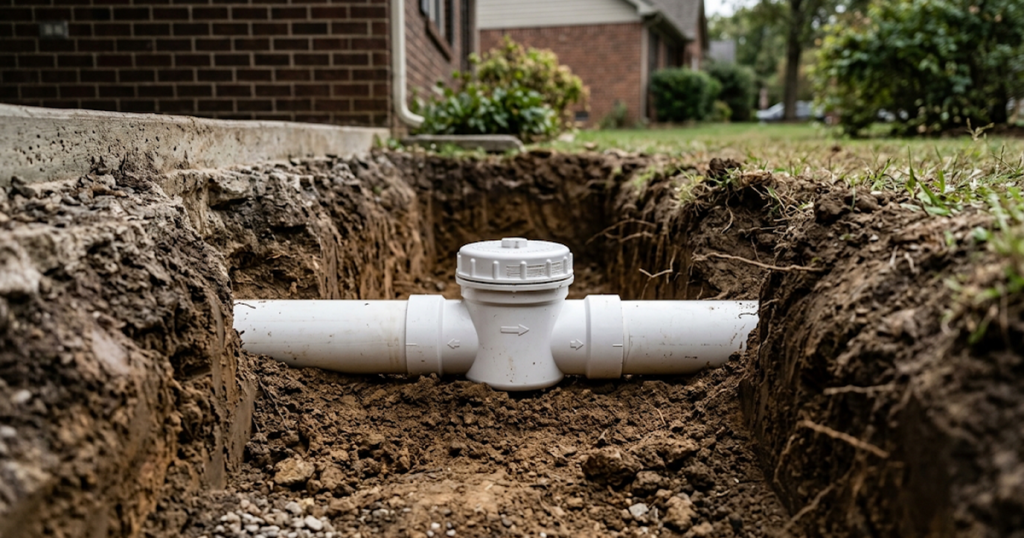
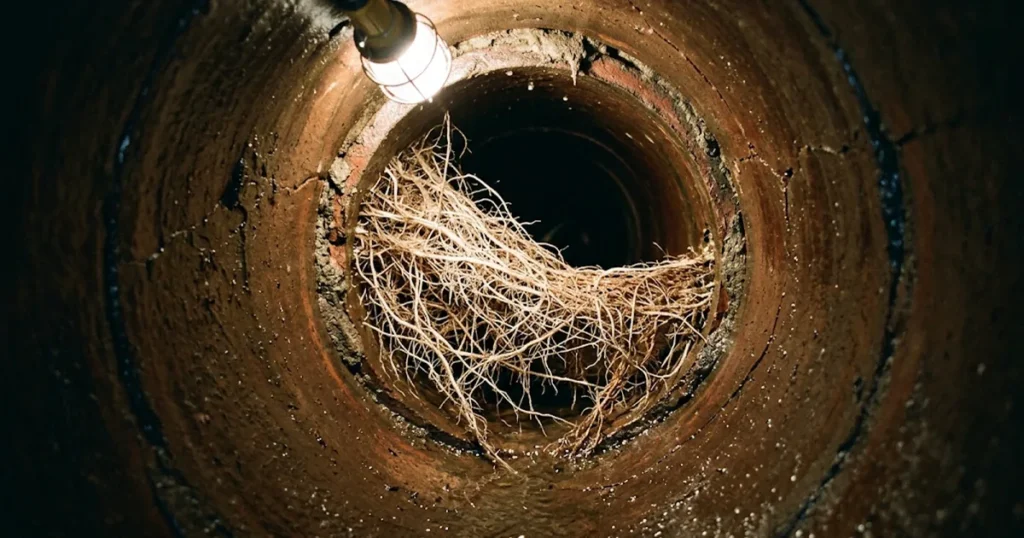
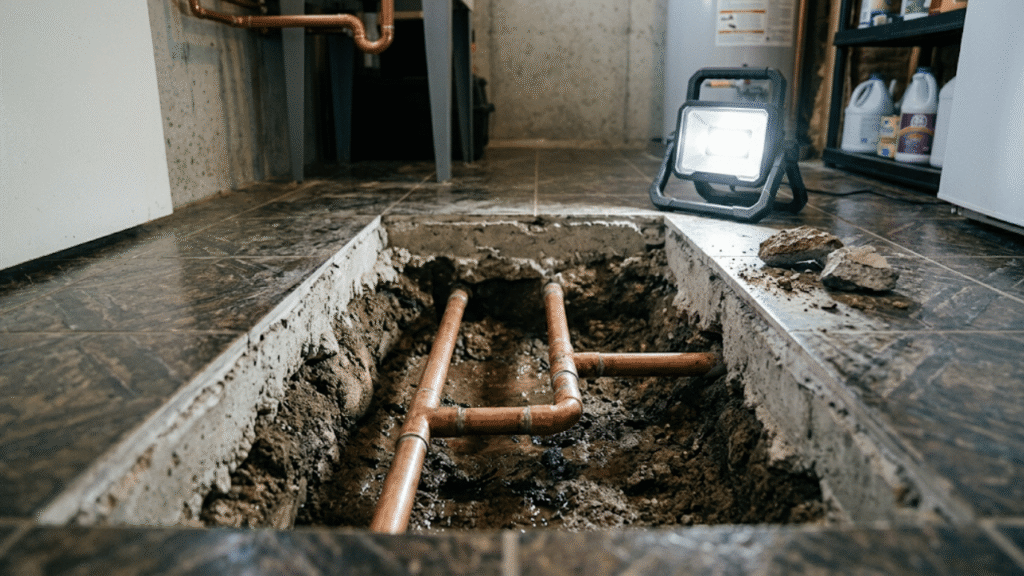
Before you install a new system, it’s always a good idea to check your plumbing condition. Hidden issues like leaks or blockages can affect performance. Many homeowners first look for signs of sewer line problems in your home before investing in upgrades, which helps avoid unexpected expenses later.
What Is a Tankless Water Heater and How Does It Work?
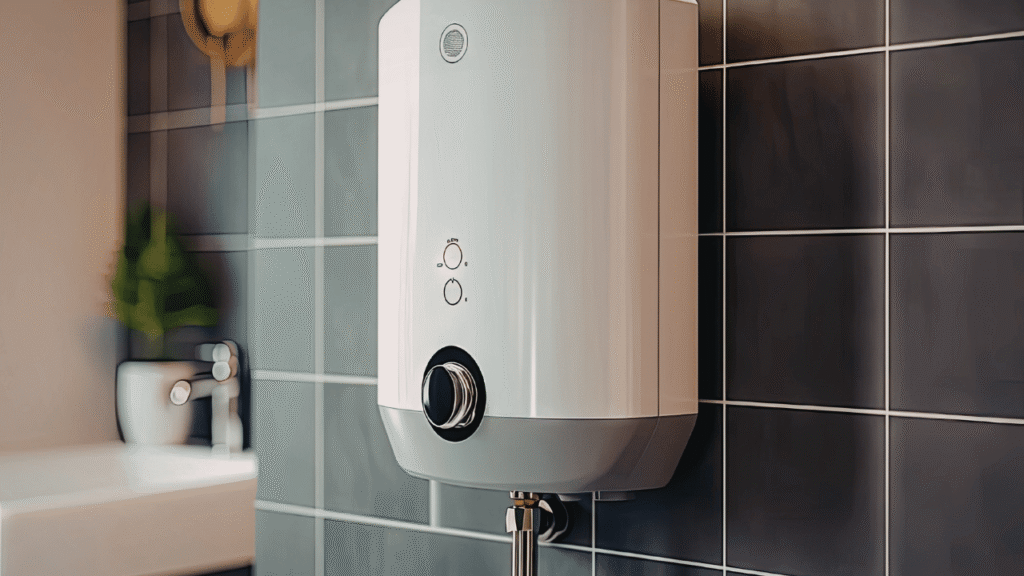
A tankless water heater is a modern system that heats water only when you need it. Instead of storing hot water in a tank, it uses high-powered heating elements or gas burners to heat water instantly as it flows through the unit.
This design eliminates the biggest drawback of traditional systems—running out of hot water.Unlike tank heaters that keep water heated 24/7, tankless systems work on demand. That means better efficiency, lower energy waste, and a continuous supply of hot water whenever you need it.
Tankless vs Traditional Water Heater: Key Differences
When comparing tankless and traditional systems, the biggest difference comes down to efficiency and long-term value.Traditional heaters store 30 to 50 gallons of water and constantly reheat it. This leads to energy waste, known as standby heat loss. Tankless systems eliminate this issue entirely.
According to the U.S. Department of Energy, tankless systems can be up to 34% more efficient for average households. While they cost more upfront, they often save money over time through reduced energy bills and longer lifespan.
Average Tankless Water Heater Cost in 2026
Understanding the full cost helps you plan better. Here’s what most homeowners can expect:
- Basic installation: $400 – $750 (point-of-use units)
- Mid-range systems: $1,400 – $3,000
- High-end systems: $3,500 – $6,500
Most whole-house systems fall in the middle range, especially for families.
Cost Breakdown by Fuel Type
The type of fuel you choose has a major impact on both upfront and long-term costs.Electric tankless systems are usually cheaper to install. They don’t require venting or gas lines, which keeps installation simple. However, they may cost more to run depending on electricity rates.
Gas systems, on the other hand, are more expensive upfront but offer lower operating costs over time. This makes them a better option for larger households with higher water demand.
What Factors Affect Tankless Water Heater Cost?
The cost of a tankless water heater is not just about the unit itself. Several factors influence the final price, including installation complexity, system capacity, and the condition of your home’s existing plumbing. Understanding these elements helps you avoid unexpected expenses and choose the right system for your needs.
1. Fuel Type
The biggest decision you’ll make is choosing between gas and electric. Electric systems are easier to install because they don’t require venting or gas lines. Gas systems cost more upfront but are usually more efficient for long-term use, especially in larger households.
2. Flow Rate (GPM)
Tankless heaters are rated by gallons per minute (GPM). The higher the GPM, the more fixtures you can run at once. For example, running multiple showers at the same time requires a higher-capacity unit, which increases the overall cost.
3. System Size and Usage
Your household size plays a big role in system selection. Smaller homes may only need a compact unit, while larger families require more powerful systems to handle multiple water demands simultaneously.
4. Labor Costs
Labor can make up nearly half of the total installation cost. Simple electric setups are quicker to install, while gas systems often require additional work such as venting and gas line adjustments, increasing labor time and cost.
5. Plumbing Upgrades
This is where many homeowners underestimate the cost. Older homes may require upgrades to electrical panels, gas lines, or ventilation systems before installation can begin.
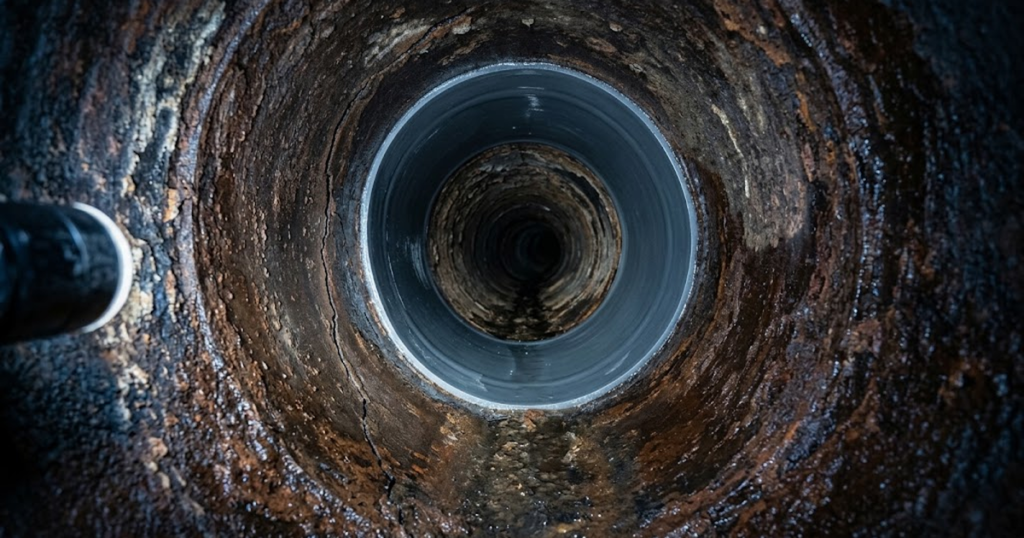
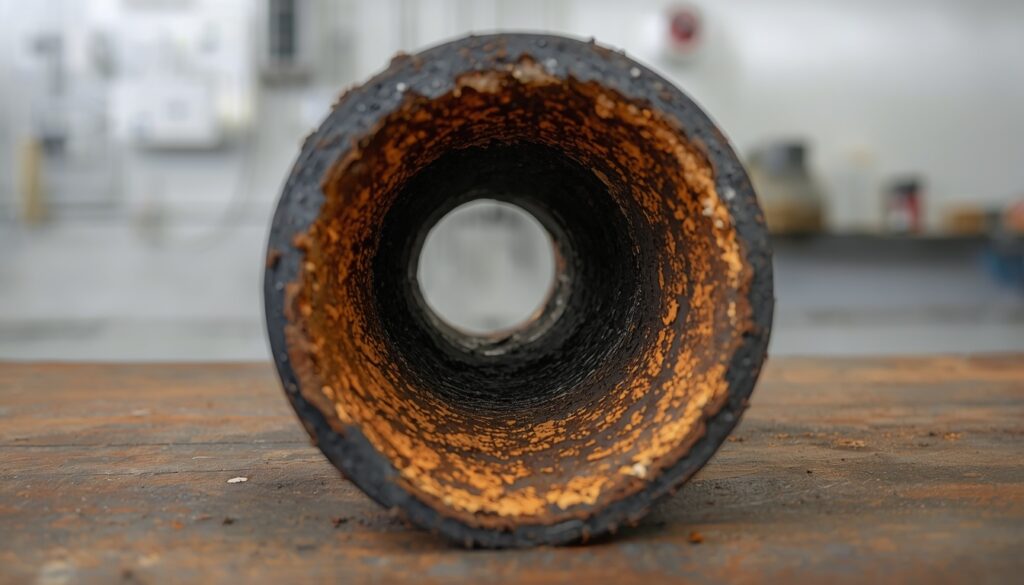
If your home has aging pipes, especially cast iron, it’s important to check how long cast iron pipes last before installing a new heater. Ignoring old plumbing can lead to reduced performance and costly repairs later.
Gas vs Electric Tankless Water Heater: Which One Should You Choose?
Choosing the right system depends on your home and usage.Gas tankless heaters are ideal for large families and homes with high water demand. They handle multiple appliances running at the same time without losing performance.Electric systems are better for smaller homes or apartments. They are easier to install and require less upfront investment.
If your goal is long-term savings and high performance, gas is usually the better option. If you want a simple installation with lower upfront cost, electric is the way to go.
Best Tankless Water Heater Brands in 2026
Not all brands are equal, and choosing the right one can make a big difference.
Rinnai is known for reliable gas systems and is widely used by professionals. Rheem offers a balance between price and performance. Navien is a premium option with advanced efficiency features. EcoSmart is one of the best choices for electric systems.
Investing in a quality brand ensures longer lifespan and fewer repairs over time.
How Long Do Tankless Water Heaters Last?
One of the biggest advantages of tankless systems is their lifespan. While traditional heaters last around 8 to 12 years, tankless systems can last 15 to 20 years with proper maintenance.Regular descaling and cleaning help keep the system running efficiently. In many cases, repairing your existing system may be an option. You can explore common water heater repair problems and expert fixes before deciding on a full replacement.
Is a Tankless Water Heater Worth the Investment?
For many homeowners, a tankless water heater is a smart long-term upgrade rather than just a convenience feature. Although the upfront cost is higher than traditional systems, the efficiency of heating water only when needed helps reduce ongoing energy usage. Over time, this leads to noticeable savings on utility bills, which can gradually balance out the initial investment. It’s especially beneficial for those planning to stay in their home for several years, as the long-term value becomes more apparent.
In addition to savings, tankless systems improve daily comfort and reliability. You get a continuous supply of hot water without worrying about the tank running out, which is ideal for busy households. They also tend to last longer than traditional heaters, reducing replacement frequency. Since there is no large storage tank, the risk of leaks or major water damage is lower, making it a safer and more durable option overall.
Professional Installation vs DIY
Installing a tankless water heater is more complex than it may seem at first. It often involves working with high-voltage electrical systems, gas lines, and proper venting, all of which require precision and safety knowledge. Even a small mistake during installation can lead to performance issues, safety risks, or costly damage later. That’s why this type of project is generally not recommended for DIY, especially for homeowners without technical experience.
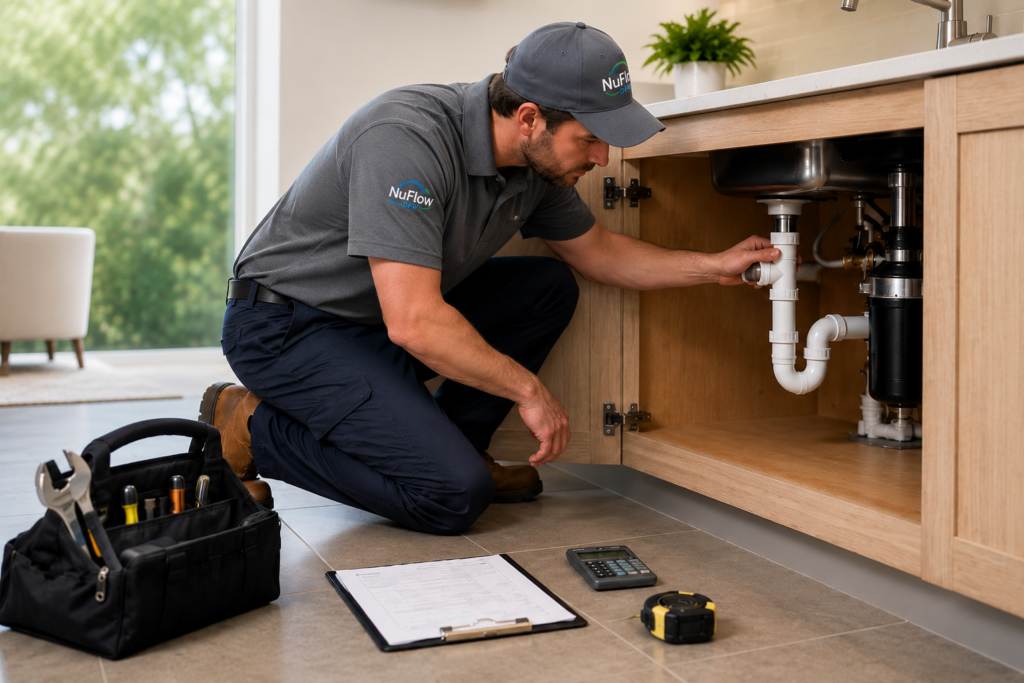
Hiring a licensed professional ensures the system is installed correctly and meets all local building codes. It also protects your manufacturer warranty, which can be voided if the unit is not installed properly. In addition, a professional can identify underlying issues in your plumbing system before installation. If you’re already noticing signs like low water pressure or unusual noises, it’s a good idea to check how to detect plumbing system red flags before moving forward, as these problems can affect the performance of your new system.
Final Verdict: Should You Switch to Tankless?
A tankless water heater is a strong investment for homeowners who are looking for better efficiency, long-term savings, and a more reliable hot water experience. While the upfront cost is higher, the combination of lower energy usage, longer lifespan, and consistent performance makes it a practical upgrade for most homes. Gas systems are usually the best choice for larger households with higher demand, while electric units work well for smaller homes or simpler installations.
Before making the switch, it’s important to ensure your plumbing system is in good condition. Issues like aging pipes, low pressure, or hidden leaks can impact how well your new system performs. This is where working with professionals makes a big difference. If you’re planning an upgrade, the team at Nuflow DFW can inspect your system, recommend the right setup, and handle the installation safely. Getting expert guidance helps you avoid unexpected repairs and ensures your investment delivers the performance and reliability you expect.