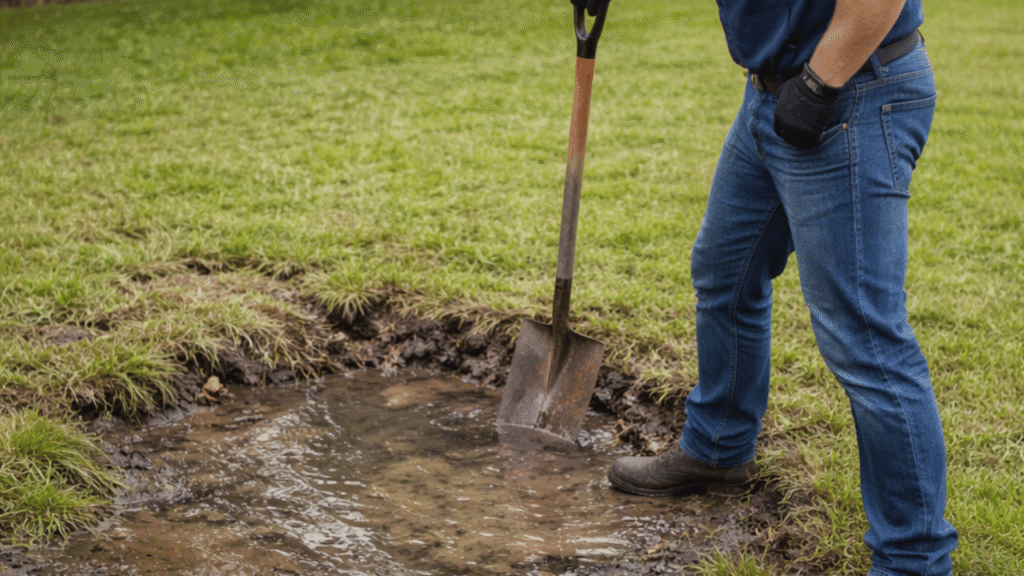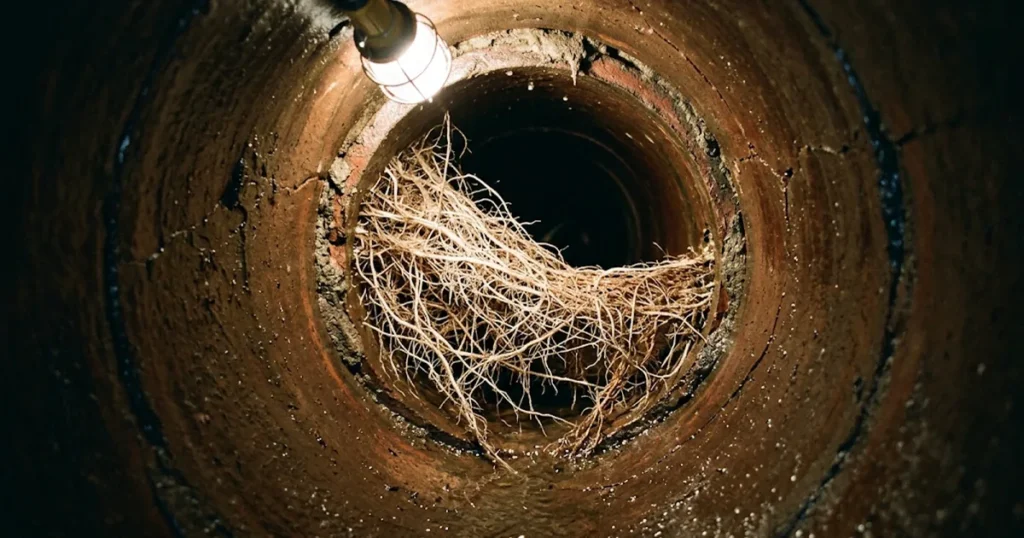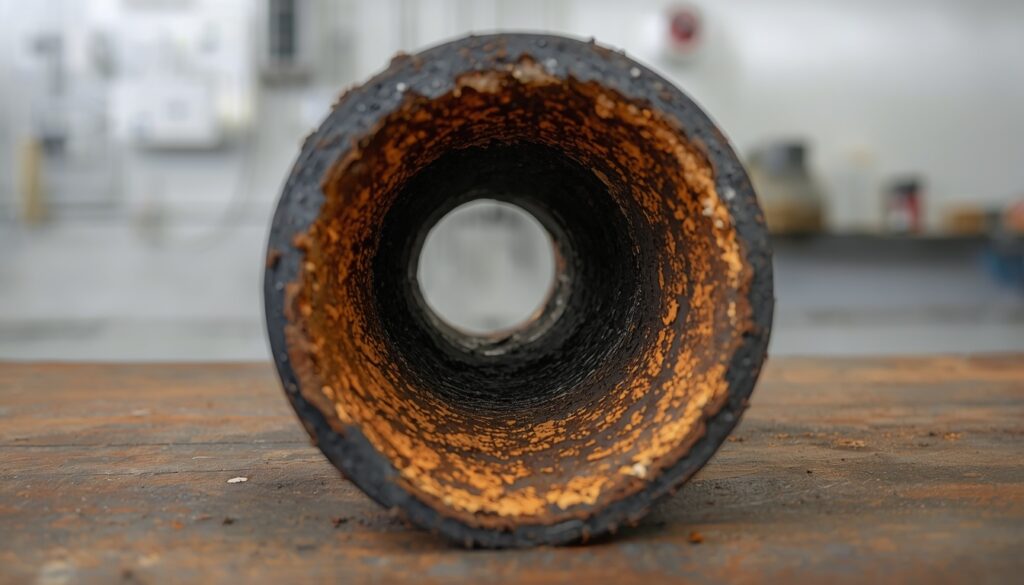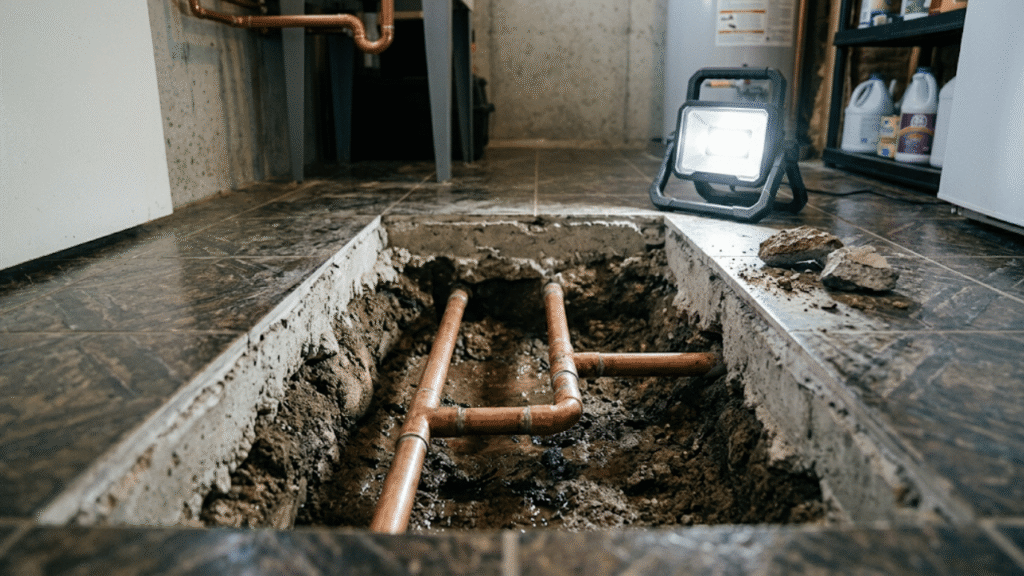
Maintaining a healthy plumbing system starts with regular sewer pipeline inspection. Over time, sewer pipes collect debris, grease, soap buildup, and even invasive tree roots. If these problems are not detected early, they can lead to slow drains, foul odors, and even full-scale backups that disrupt your home or business.
Before jumping straight into cleaning, a proper sewer pipeline inspection helps identify what’s happening inside your pipes. This allows you to determine whether simple maintenance, hydro jetting, or professional repairs are needed. By inspecting your sewer line regularly, you can prevent major issues, reduce emergency repairs, and extend the life of your plumbing system.
One of the most effective cleaning solutions after a proper inspection is hydro jetting. This method uses high-pressure water to remove blockages and restore flow. However, inspection should always come first to ensure the pipes are structurally sound and safe for pressure cleaning.
What You Need for Sewer Pipeline Inspection and Cleaning
When preparing to inspect and clean your sewer pipeline, having the right tools ensures the job is done safely and effectively.
Essential Equipment for Sewer Pipeline Inspection
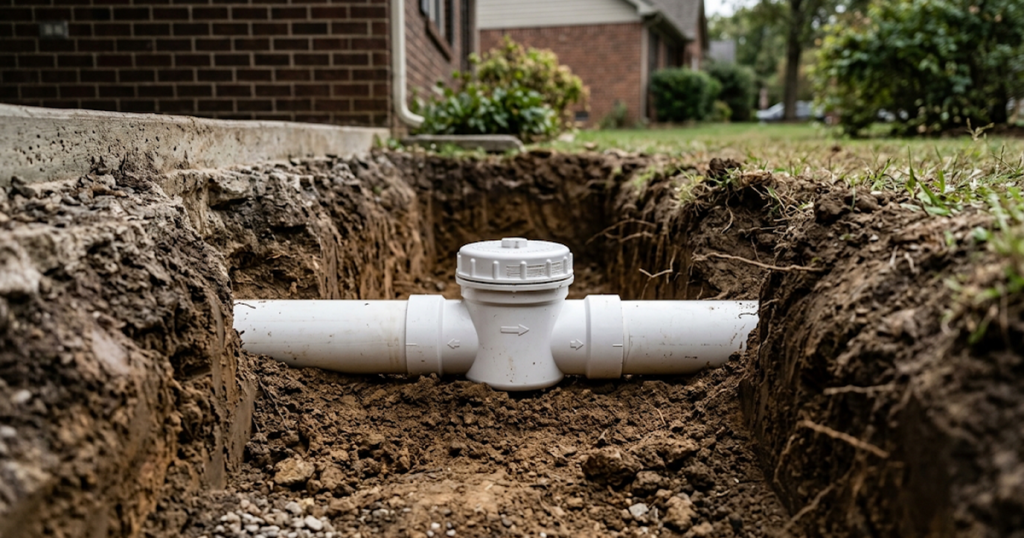
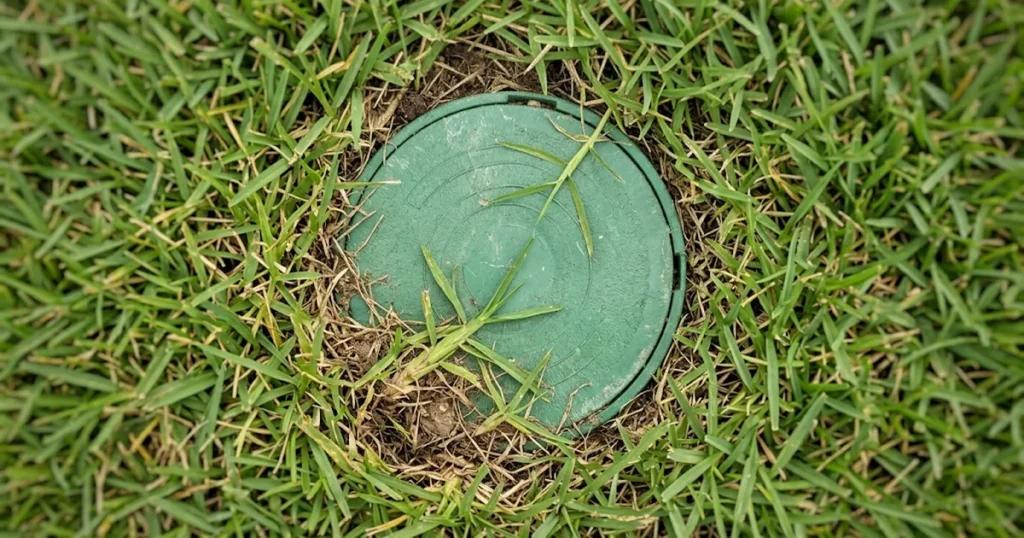
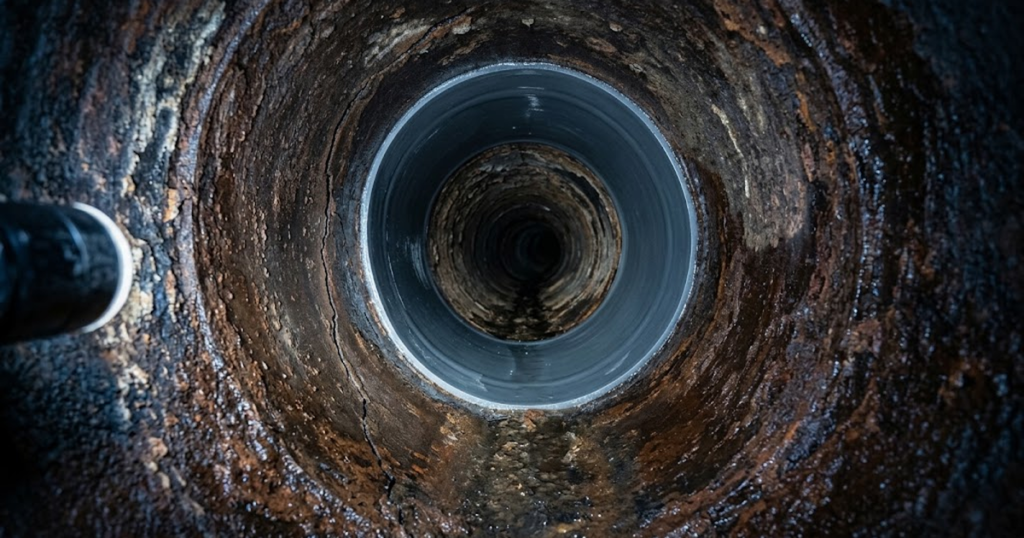
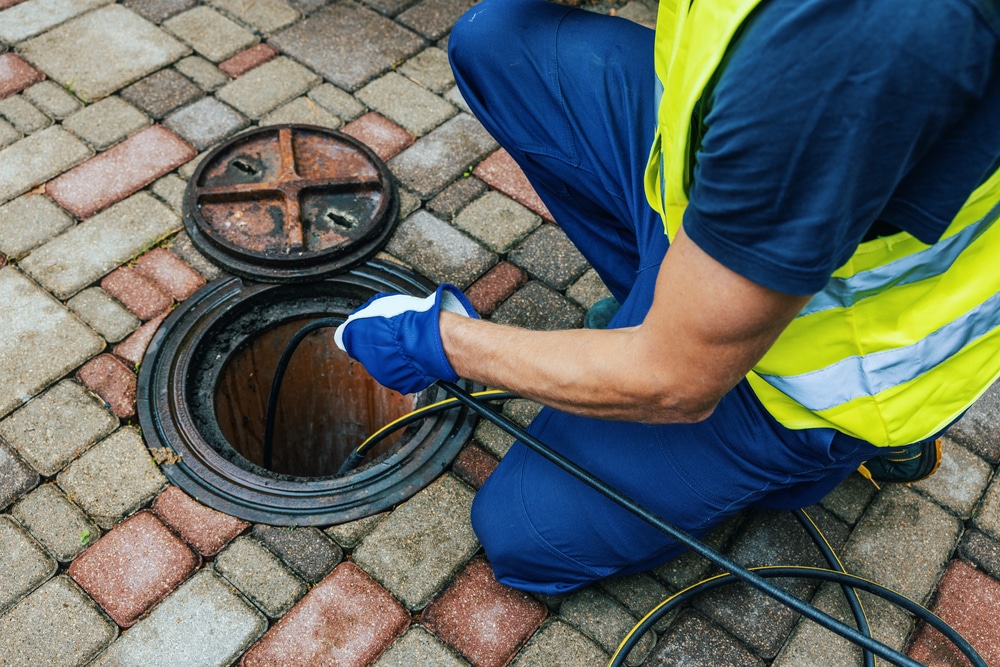
The most important tool for sewer pipeline inspection is a drain video camera. This specialized camera is inserted into the sewer line through a cleanout access point. It provides real-time footage of the inside of your pipes, allowing you to identify cracks, root intrusion, grease buildup, or collapsed sections.
Once inspection confirms that the pipe structure is stable, you may proceed with cleaning if necessary.
For hydro jetting, you will need:
- A pressure washer rated between 2500 and 3500 PSI
- A flow rate of 4–8 gallons per minute (GPM)
- A sewer jetter hose (typically ¼-inch diameter)
- Proper nozzles for different blockage types
This combination ensures you can break up tough clogs safely after confirming pipe integrity.
Safety Gear: Protect Yourself During Inspection and Cleaning
Safety should always come first. Whether performing a sewer pipeline inspection or hydro jetting, protective gear is essential.
Wear gloves, safety goggles, waterproof clothing, and sturdy boots. Sewer systems contain harmful bacteria and debris, so proper protection reduces health risks. Make sure your work area is clear of obstacles to avoid accidents.
Optional but Recommended: Drain Video Camera
While some property owners attempt cleaning without inspection, using a drain video camera provides major advantages. It allows you to:
- Pinpoint the exact location of blockages
- Identify pipe damage before applying pressure
- Confirm that cleaning was successful afterward
A professional sewer pipeline inspection eliminates guesswork and ensures the correct solution is applied.
Step-by-Step Guide: Sewer Pipeline Inspection Before Pressure Cleaning

Cleaning your sewer line should always follow a structured process. Inspection first, cleaning second.
1. Perform a Sewer Pipeline Inspection
Begin by inserting a drain camera into the sewer line. Carefully examine the footage to locate blockages, cracks, or root intrusion. This step helps determine whether hydro jetting is safe or if repairs are required first.
Skipping this step can result in pipe damage, especially in older clay or cast-iron systems.
2. Set Up the Equipment Properly
After inspection confirms the line is structurally sound, connect the sewer jetter hose securely to the pressure washer. Ensure all fittings are tight to prevent leaks.
Choose the correct nozzle:
- Button tip nozzle for general blockages
- Rotary nozzle for stubborn grease or buildup
Using the right nozzle improves efficiency and protects the pipe walls.
3. Insert the Hose Carefully
Insert the jetter hose into the cleanout opening. Make sure it is positioned straight enough to avoid kinks while still flexible enough to move through pipe bends. Proper placement ensures smooth water flow and effective debris removal.
4. Adjust Pressure Gradually
Start with low pressure and slowly increase it. This is especially important if the inspection revealed older or slightly weakened pipe sections.
Gradual pressure control prevents cracks or leaks. Move the hose slowly back and forth to break apart debris and flush it downstream.
5. Conduct a Post-Cleaning Inspection
After clearing the blockage, perform another sewer pipeline inspection using the drain camera. This confirms that the debris has been fully removed and that no hidden damage remains.
This final step ensures long-term success rather than temporary relief.
Common Mistakes to Avoid
When dealing with sewer lines, mistakes can lead to costly repairs.
Choosing the Wrong Equipment
Electric pressure washers typically lack the power required for main sewer lines. Gas-powered washers are more suitable for outdoor sewer cleaning because they provide higher PSI and stronger flow rates.
Skipping Sewer Pipeline Inspection
Applying high-pressure water without inspection can worsen cracks or damaged joints. Always confirm pipe condition before cleaning.
Using the Wrong Nozzle
Different nozzles serve different purposes. Using an aggressive nozzle on fragile pipes can cause unnecessary damage.
Poor Pressure Management
Starting at maximum pressure may crack aging pipes. Always increase pressure gradually and monitor pipe response.
Safety Measures When Performing Sewer Line Work
Hydro jetting and sewer inspection involve risks if not handled correctly.
Protective Gear
Wear gloves, goggles, waterproof clothing, and boots to protect yourself from splashes and debris.
Avoid Pipe Damage
Start with low pressure and increase carefully. Pay attention to unusual sounds or resistance.
Maintain a Safe Work Area
Ensure proper ventilation if working indoors. Outdoors, avoid electrical outlets and remove trip hazards from the area.
By following these precautions, you reduce the risk of injury and property damage.
Conclusion
Routine sewer pipeline inspection is the key to preventing major plumbing emergencies. By inspecting your sewer line every 1 to 2 years, you can detect issues early and choose the right cleaning or repair method before problems escalate.
While hydro jetting is an effective solution, it should always follow a proper inspection to ensure your pipes are strong enough to handle pressure. Preventative care saves money, reduces stress, and keeps your plumbing system operating smoothly.
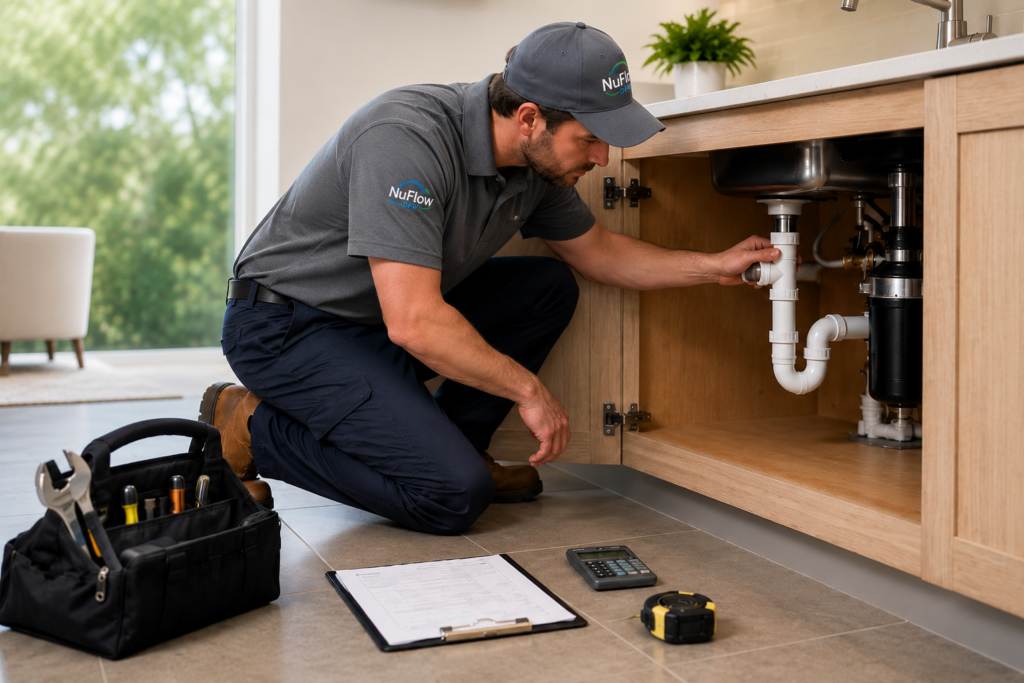
At Nuflow DFW, we specialize in professional sewer pipeline inspection and advanced sewer line cleaning services. Our team uses high-resolution camera technology and modern equipment to diagnose and resolve sewer problems safely and efficiently.
If you’re experiencing slow drains, recurring clogs, or unusual odors, contact Nuflow DFW today for reliable service and long-term peace of mind.