A clogged shower drain is a common household issue, but it doesn’t have to be a hassle to fix. Over time, soap, shampoo, and especially hair can build up in the drain, causing water to drain slowly or even block completely. Understanding what causes a clogged shower drain can help you take the right steps to unclog it without a lot of stress or calling in a plumber.
In this guide, we’ll walk you through simple DIY methods to clear your drain, and how you can prevent future clogs with just a little care. Let’s dive into the causes and solutions so you can get your shower back to normal!
Step-by-Step Guide to Unclogging Your Shower Drain
Dealing with a clogged shower drain? While hair is often the main culprit, there are several other factors like soap buildup or grime that can contribute to the blockage. Fortunately, with a few simple steps, you can clear the drain and get your shower running smoothly again.
Let’s take a look at the most effective methods to fix that stubborn clog before it becomes a bigger problem!
How to Assess the Clogged Shower Drain
Before you start tackling the clog, it’s important to understand what’s causing the issue. Often, hair is the culprit, but soap buildup, shampoo residue, or even small objects can contribute too. Start by removing the drain cover; this will allow you to get a better look at what’s inside. If you see visible hair or debris, that’s your target. If the blockage is deeper, it might require a little more effort to clear.
Quick Fixes: Using a Hair Snake for Hair Clogs
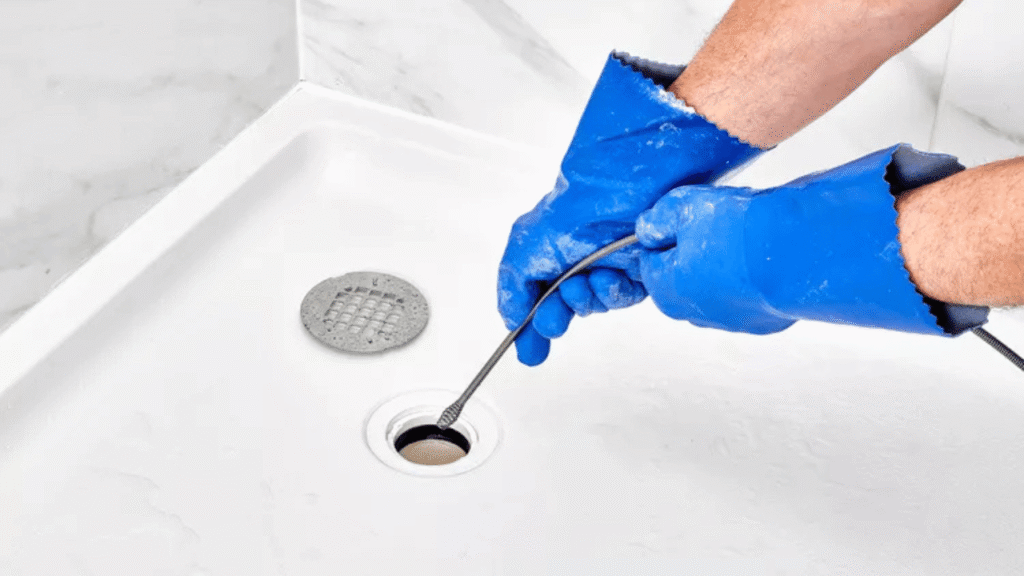
If hair is the problem, a simple hair snake can be a game-changer. This flexible tool is designed to grab onto hair clogs and pull them out of the drain. Simply insert the snake into the drain, twist it a bit, and then pull it out. It might be a little gross, but it’s incredibly effective for tackling hair buildup. You can find hair snakes at most home improvement stores, or you can make a DIY version using a wire coat hanger.
DIY: Baking Soda and Vinegar to the Rescue
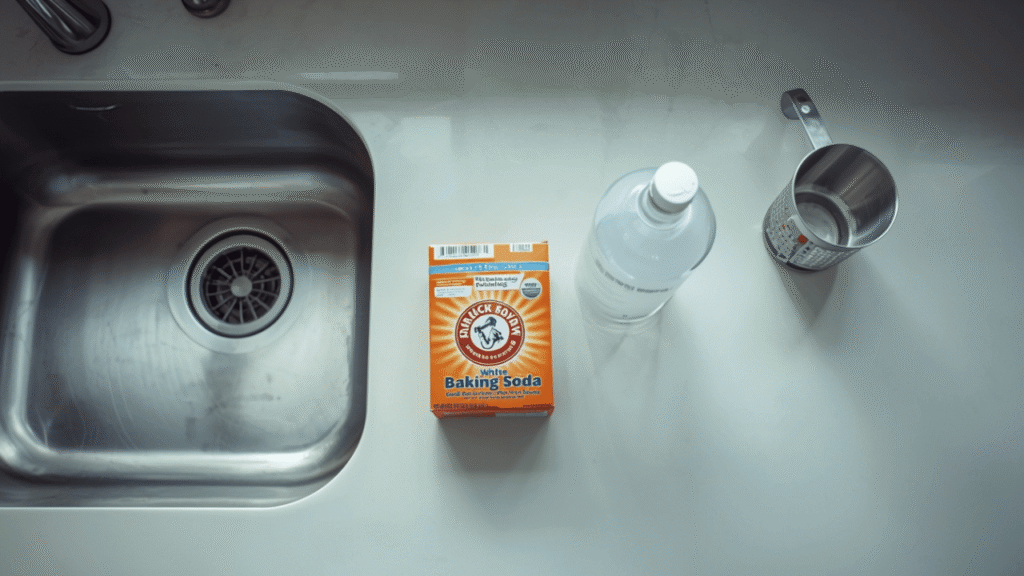
For a more natural solution, try the classic baking soda and vinegar combo. Pour about ⅓ cup of baking soda down the drain, followed by ⅓ cup of vinegar. The two ingredients will fizz and bubble, helping to break up grime and minor clogs. Let the mixture sit for about 30 minutes to an hour, then flush it out with hot water. This is an easy and chemical-free option to clear up light blockages and keep your drain smelling fresh.
Boiling Water: The Old-School Drain Cleaning Trick
Sometimes, the simplest solution works best. Boiling water can help break down soap scum, grease, and even some stubborn clogs. Simply heat up a kettle of water and carefully pour it down the drain in stages. This will help to loosen up any residue and move the clog along. Make sure to pour slowly to avoid splashing, and repeat the process if necessary.
Using a Drain Snake to Reach Deep Clogs
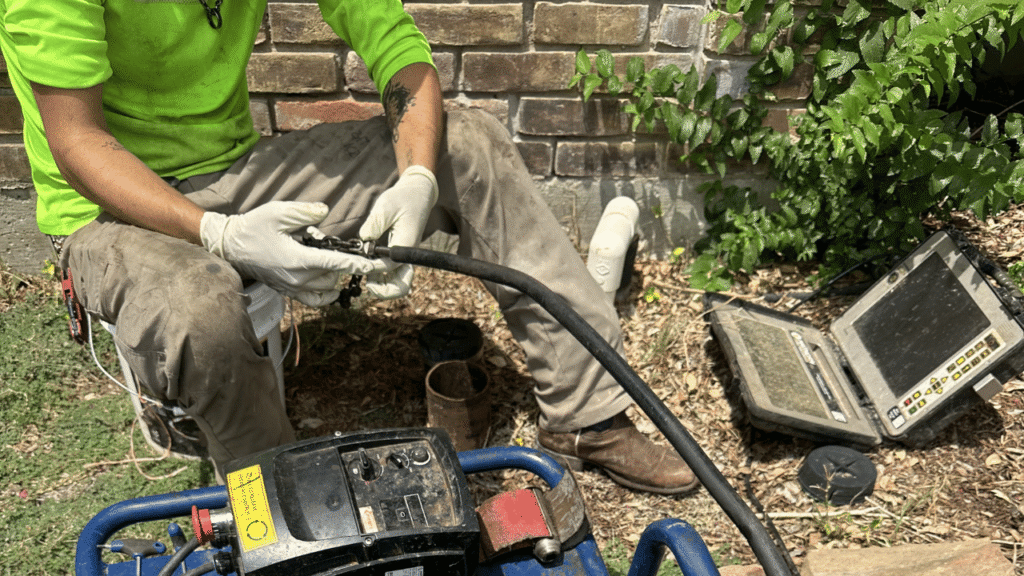
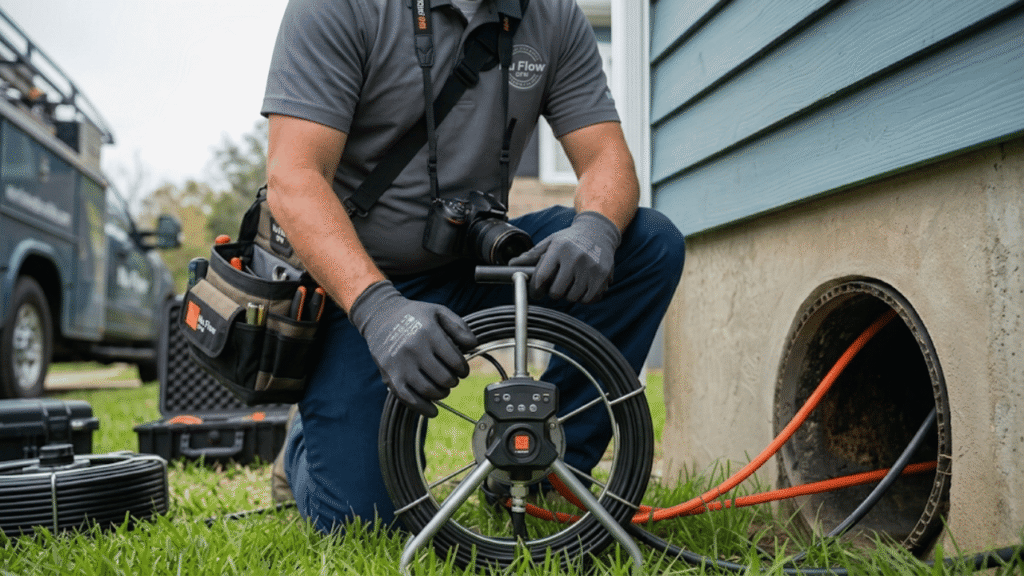
If the clog is deeper in the pipes, a drain snake (also known as a plumbing snake) can help. This tool is long and flexible enough to reach further down the drain, grabbing onto larger clogs. To use, feed the snake into the drain while turning the handle to break up the clog. Be careful when using a drain snake, as it can get stuck if not handled properly.
Chemical Drain Cleaners: Should You Use Them?
Chemical drain cleaners can be effective, but they should be used as a last resort. These products can eat through clogs quickly, but they also come with risks. They can damage your pipes, especially if used too frequently. If you decide to use a chemical cleaner, be sure to follow the instructions carefully. Always wear gloves and goggles for safety, and make sure the room is well-ventilated.
The Toilet Plunger Method for a Quick Drain Fix
Yes, your trusty toilet plunger can also help with shower drain clogs! If you don’t have a specialized drain plunger, a regular toilet plunger should work. Start by covering the drain opening with the rubber cup of the plunger. Add a little water to the shower to create a seal, then push and pull the plunger vigorously to create pressure. This can help dislodge the clog, especially if it’s near the drain cover.
With these simple techniques, you can tackle most shower drain clogs yourself without the need for a plumber. If the clog persists or you’re unsure about handling it on your own, don’t hesitate to call a professional. But give these methods a try first; they’re often all you need to get things flowing smoothly again.
Preventing Future Clogs
Keeping your shower drain clean doesn’t have to be a difficult task. With a few simple habits, you can avoid future blockages and save yourself from dealing with clogs again.
Here are some easy ways to maintain a healthy drain:
- Use a Hair Catcher or Drain Screen
A hair catcher or drain screen is an affordable and effective way to stop hair and debris from going down the drain in the first place. These tools are easy to install and can save you a lot of trouble later on.
- Regular Cleaning with Baking Soda and Vinegar
Once a month, pour a little baking soda and vinegar down your drain. It’s a simple trick that helps keep things fresh and can prevent buildup from causing clogs.
- Avoid Pouring Grease and Debris Down the Drain
Be mindful of what goes down the drain. Avoid pouring grease, food scraps, or any debris that can easily cause blockages. A little attention now can prevent bigger problems later.
When to Call a Professional Plumber
Sometimes, no matter how many DIY methods you try, the clog just won’t budge. If your shower drain is still backed up after trying everything, it might be time to call in a professional. Here are a few signs that you need expert help:
- The clog is deep and out of reach for basic tools.
- Multiple drains are backed up in your home, indicating a bigger pipe issue.
- Water is backing up into other areas, like your bathtub or toilet.
If you’re dealing with any of these issues, it’s best to get a plumber who can safely and effectively clear the drain without causing further damage.
Conclusion
Dealing with a clogged shower drain doesn’t have to be stressful. By following these simple DIY methods, you can often clear the blockage without the need for professional help, saving both time and money. Regular maintenance and a few easy habits can also keep your drains in great condition, preventing future clogs.
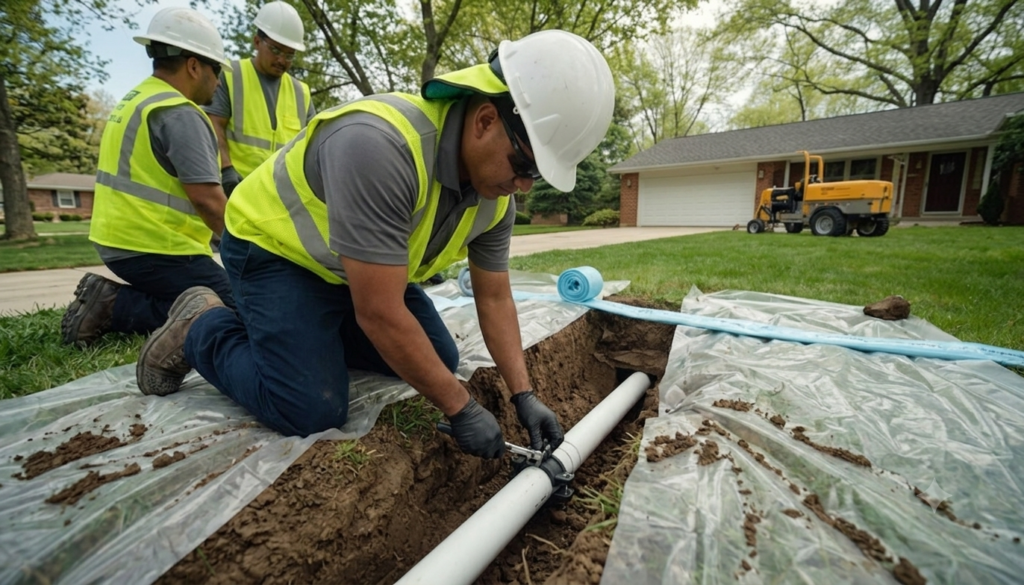
However, there are times when a clog is too deep or stubborn for DIY solutions. If you’ve tried everything and the blockage still won’t budge, or if the issue seems to be more serious, it’s time to call in a professional. NuFlow DFW is here to help with expert plumbing services for all your drain and plumbing needs. Our team is ready to tackle any clog, big or small, ensuring your plumbing stays in top shape. Don’t hesitate to contact us. We’ll have your drains flowing smoothly again in no time!