Getting a quote for a sewer line replacement can surprise many homeowners. What looks like a simple underground pipe job often turns into a big, costly project. The reason isn’t just the pipe itself, it’s the work, tools, and expertise needed to do it safely and correctly.
According to Angi, the average cost of replacing a sewer line in the U.S. ranges between $3,000 and $10,000, and in some cases, it can go even higher depending on the home’s location and condition. That’s a lot of money for something you barely see, but it’s one of the most important parts of your home’s plumbing system.
In this blog post, we’ll break down why sewer line replacement is so expensive and what really goes into the cost.
What Happens During a Sewer Line Replacement
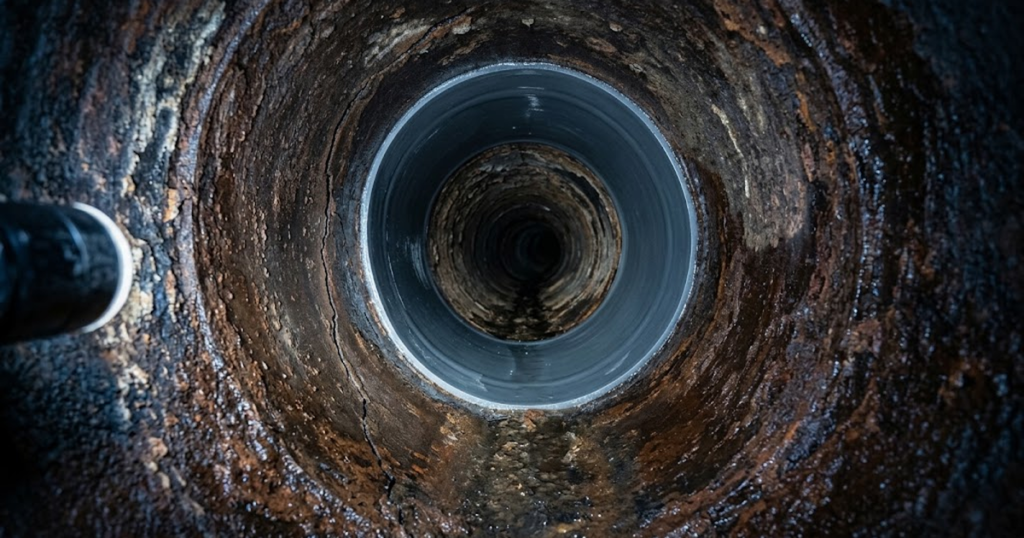
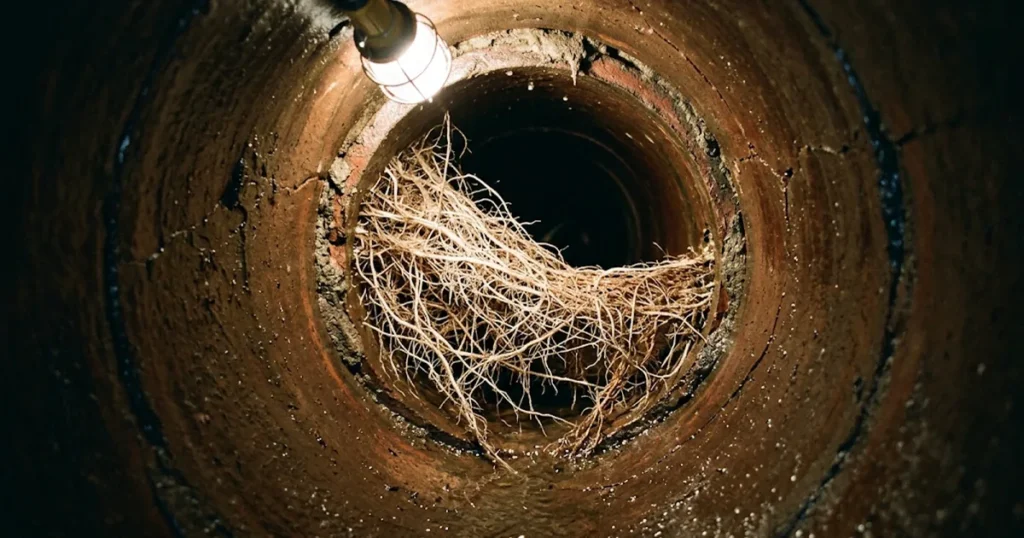
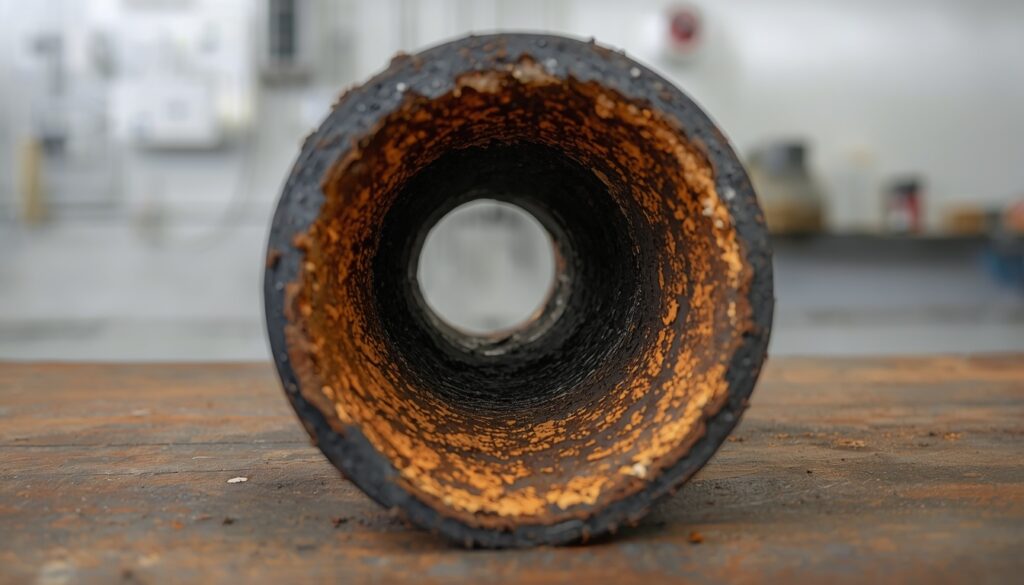
A sewer line replacement isn’t just about removing an old pipe and putting in a new one. It’s a careful process that involves several steps to make sure everything runs smoothly. It usually starts with a camera inspection to find where the problem lies cracks, blockages, or broken sections. Once the issue is identified, plumbers decide whether traditional digging or a trenchless method will work best.
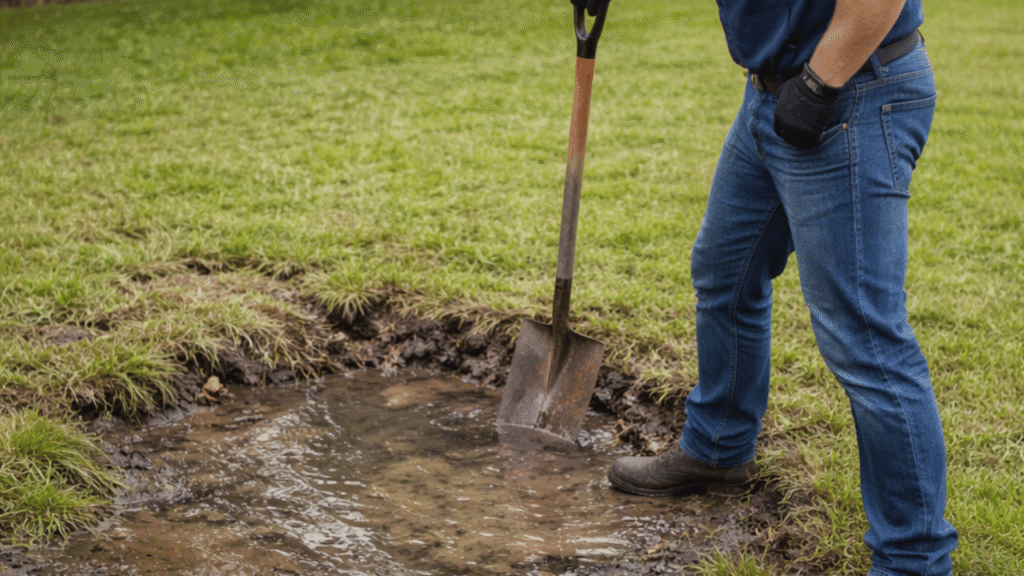
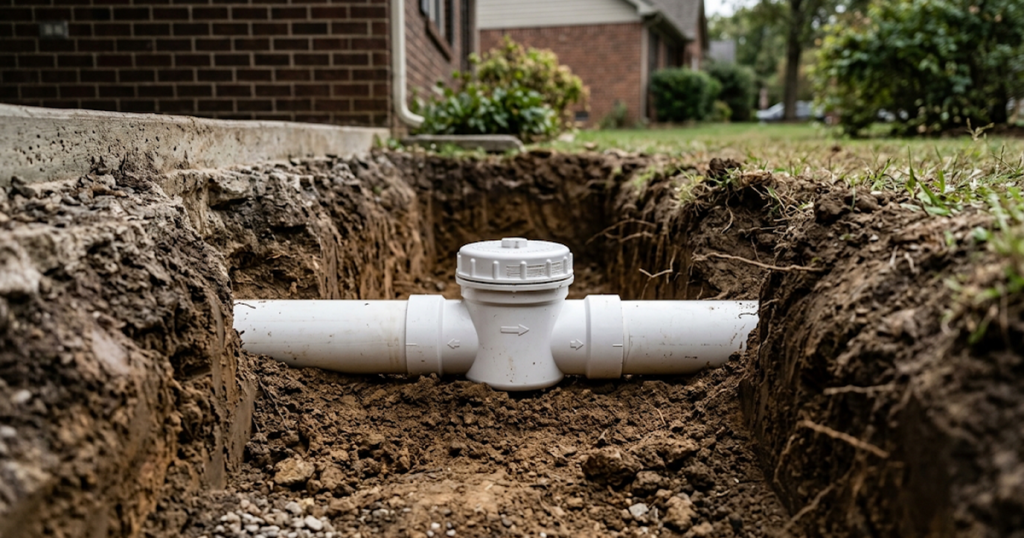
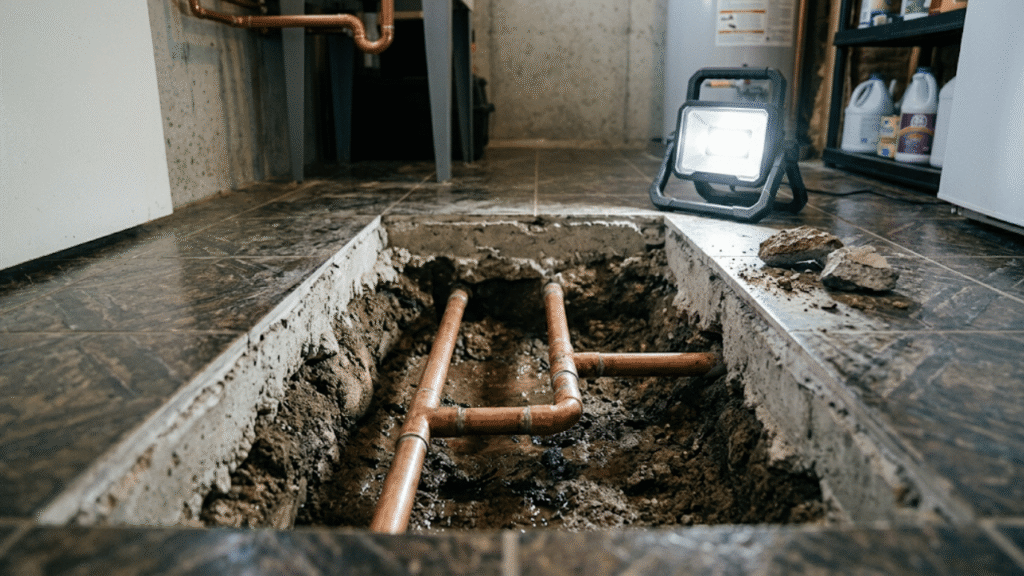
If it’s a traditional replacement, the team digs up the area to reach the damaged pipe. For trenchless replacement, they use special equipment to insert a new pipe liner through small access points without tearing up the yard. After the new pipe is installed, the crew checks for leaks and makes sure everything flows properly. Finally, they restore the area by filling and leveling the ground.
Main Factors That Make Sewer Line Replacement Expensive
Replacing a sewer line is one of the biggest plumbing projects a homeowner can face. It’s not just about the pipe it’s the planning, digging, materials, and safety standards that make it costly. Every job is different because soil conditions, pipe depth, and local regulations vary from home to home. Heavy machinery, skilled workers, and inspection requirements add more to the total bill. On top of that, restoring driveways, lawns, or floors after the job is done can make the price jump even higher.
All these small details come together to explain why sewer line replacement often costs more than people expect:
Labor and Expertise Costs
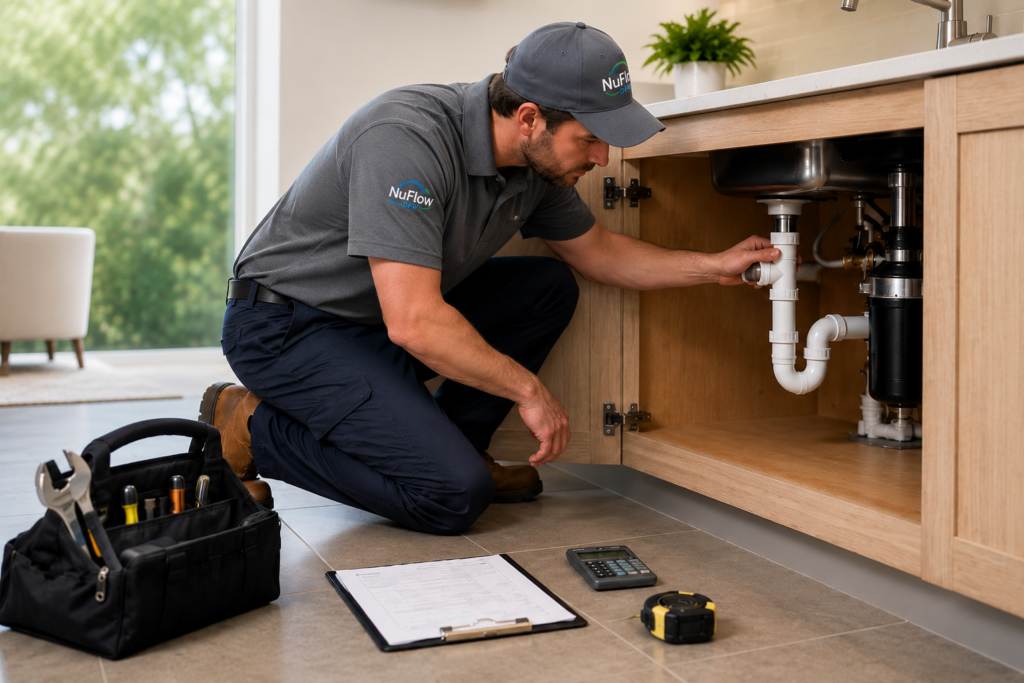
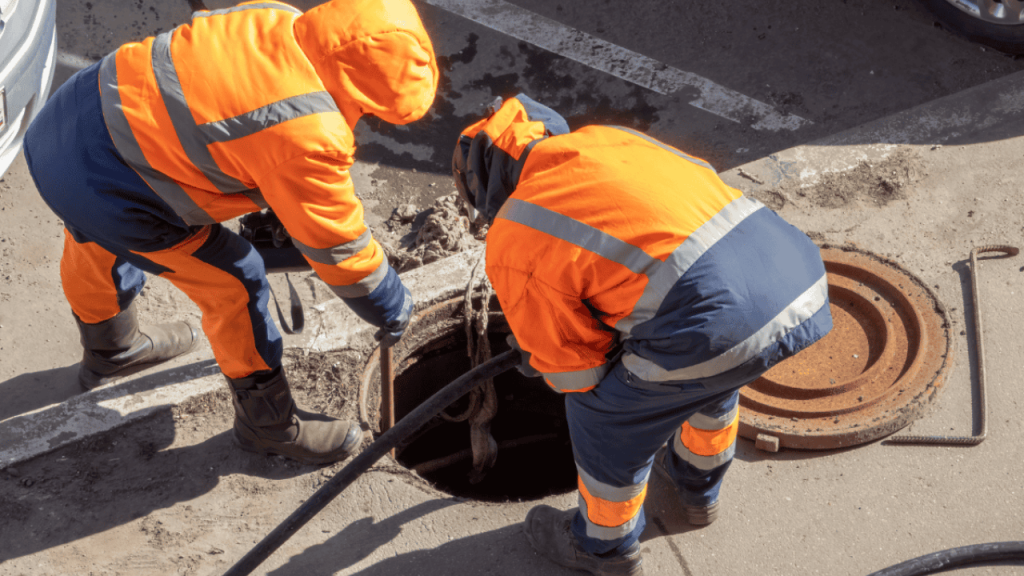
A sewer line job needs licensed plumbers, machine operators, and inspectors. Their experience ensures the work is done safely and up to code. Skilled labor costs more, but it also prevents future issues and extra repairs.
Excavation and Access Challenges
Digging deep underground or working under concrete slabs takes time and special equipment. If the sewer line runs below a driveway or foundation, it can double the cost because of limited access.
Materials and Replacement Method
Different materials have different price ranges. PVC is affordable, while cast iron and HDPE cost more. Trenchless methods are less messy and quicker but need advanced tools, which raise upfront costs.
Permits, Inspections, and Code Compliance
Most cities require official permits and post work inspections. These steps make sure your new sewer line meets safety rules but can add hundreds of dollars to the project.
Property Restoration After Work
Once the pipe is replaced, the area must be repaired. Re-laying sod, concrete, or pavement adds extra cost. Many homeowners overlook this part, but it’s a big reason the total bill climbs.
How Homeowners Can Reduce Sewer Line Replacement Costs
A sewer line replacement doesn’t always have to break the bank. With a little planning and maintenance, you can lower the risk of major repairs and avoid paying for full replacement too soon. The key is catching problems early and keeping your system healthy year-round.
Here are a few simple ways homeowners can save money:
- Schedule regular sewer line inspections: Early detection of cracks, buildup, or root growth helps you fix small issues before they turn into big ones.
- Compare quotes from multiple licensed plumbers: Prices vary by company, so getting a few estimates can help you find fair rates.
- Ask about trenchless replacement options: This modern method reduces digging and restoration work, which cuts down total costs.
- Keep up with drain maintenance: Avoid pouring grease, wipes, or harsh chemicals down drains. Clean them regularly to prevent clogs.
- Check for warranties or insurance coverage: Some homeowner policies or plumbing warranties cover part of the replacement or repairs.
Plan Ahead and Protect Your Sewer System
Understanding why sewer line replacement is expensive helps you make smarter decisions for your home. It’s a big job that requires time, tools, and trained professionals, but it also protects your home from major water damage and costly emergencies down the road. Planning ahead with regular inspections and maintenance can keep your system strong and your wallet safe.
At Nuflow DFW, we specialize in trenchless sewer line replacement and repair solutions that save you time and money. Our certified team uses the latest equipment to fix underground plumbing issues with minimal digging and disruption.
If you’re in Dallas, Fort Worth, Arlington, Plano, Irving, McKinney, Frisco, Garland, Denton, or nearby areas, reach out to us today. We’ll inspect your system, explain your options, and help you keep your home safe and problem-free year-round.