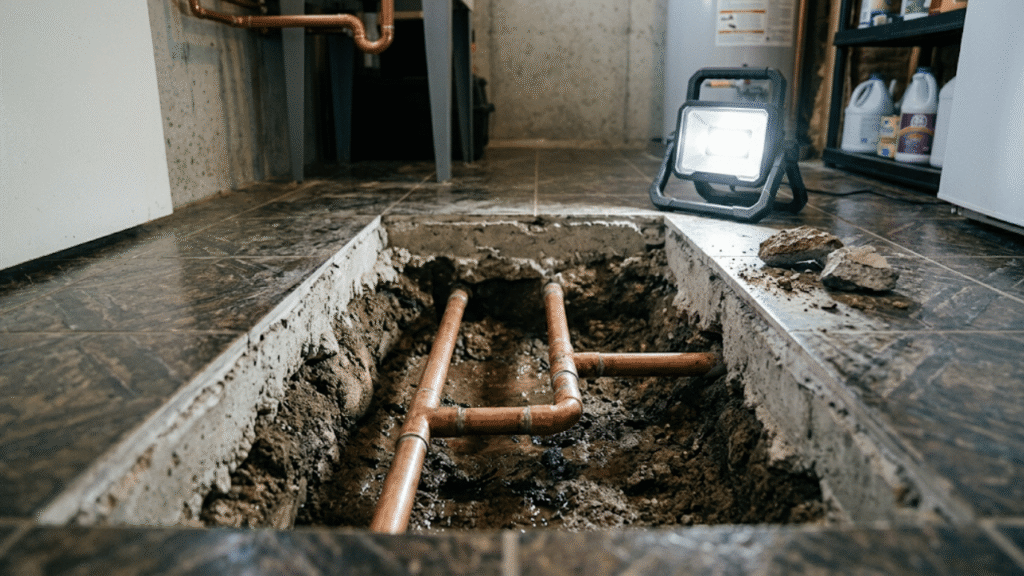
Relining cast iron pipe is a simple and effective solution for homeowners facing issues with their old, cracked, or leaking pipes. Over time, cast iron pipes can suffer from corrosion, cracks, and root damage, leading to leaks and unpleasant odors. Rather than digging up your yard and replacing the entire system, relining cast iron pipes allows you to restore your pipes without major disruption. The process involves inserting a new, durable lining inside the existing pipe, creating a smooth, sealed surface that prevents further damage. This not only stops leaks but also eliminates the foul smells that often come from sewer pipes. Relining cast iron pipe is faster, more affordable, and less invasive than traditional pipe replacement.
In this blog, we’ll explore how relining cast iron pipes can help prevent cracks, leaks, and odors, and why it’s a great choice for your home’s plumbing system.
Why Cast Iron Pipes Fail Over Time
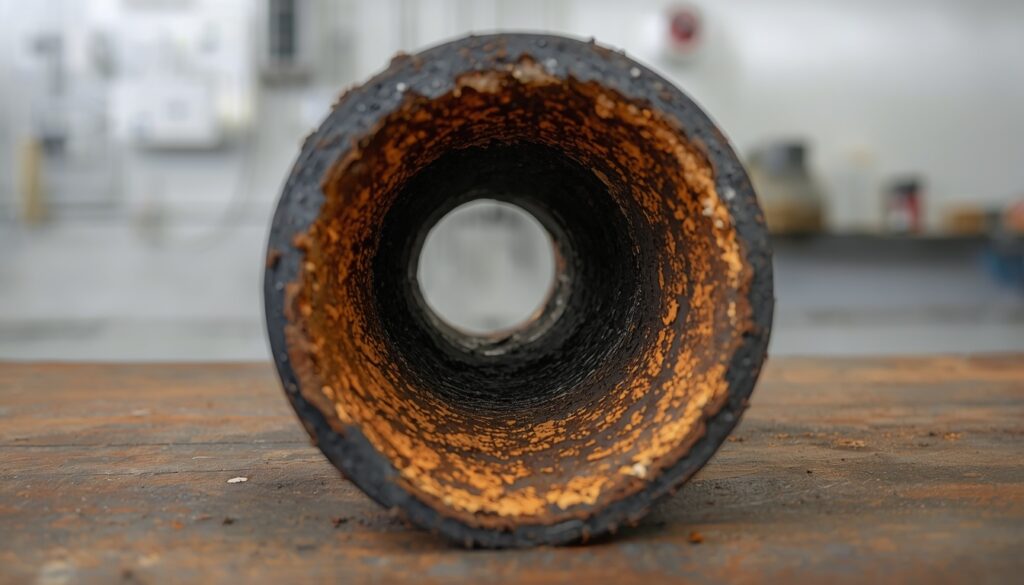
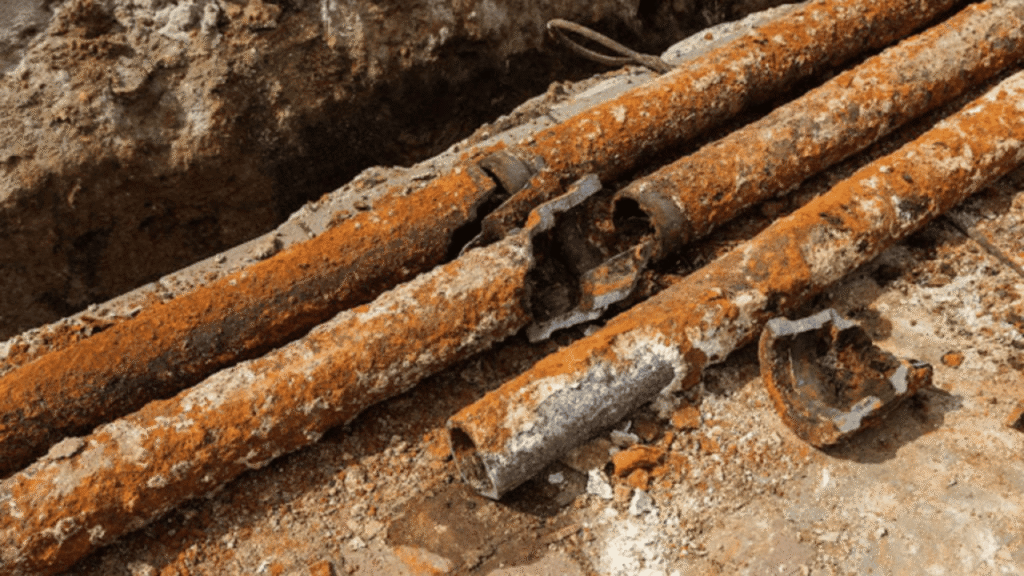
Cast iron pipes are durable, but over time, various factors can cause them to fail. One of the most common issues is corrosion. As cast iron pipes age, moisture, chemicals, and gases in the soil expose the metal to damage, breaking it down and weakening it. This leads to cracks and leaks. Another major cause is root intrusion. Roots from nearby trees and plants can grow into small cracks or joints in the pipes, causing blockages and further damage. Ground movement is also a factor, especially in areas with shifting soil. As the earth moves, pipes can become misaligned or crack under pressure.
Additionally, over time, the inner walls of the pipe may accumulate rust and debris, restricting the flow of water and leading to clogs. These problems can eventually result in more serious plumbing issues if left unaddressed.
What Are The Signs That Show Your Home Needs Pipe Lining
If you’re dealing with old cast iron pipes, it’s essential to watch for signs that may indicate the need for pipe lining. Over time, these pipes can develop issues like cracks, leaks, and odors, all of which can cause major disruptions in your home. The good news is that pipe lining can be a great solution to fix these problems without the need for extensive digging and replacement. Here are some of the key signs that show your home may need pipe lining:
Frequent Clogs: If your drains frequently clog, even after using a plunger or drain cleaners, your pipes may have corrosion or debris obstructions.
Unpleasant Odors: A musty, sewage-like smell around your drains, especially in bathrooms or kitchens, may come from cracks or gaps in your cast iron pipes, allowing sewer gases to escape.
- Slow Draining: Water taking longer to drain than usual can signal pipe buildup or damage inside the pipes, which prevents proper flow.
- Water Leaks: Visible leaks or damp spots on walls, ceilings, or floors near your plumbing system can indicate cracked or leaking pipes.
- Visible Cracks or Rust: If you notice rust colored water coming from your taps or visible cracks in your pipes, it’s a clear indication that the cast iron has deteriorated.
- Mold or Mildew: Mold or mildew near your pipes often links to hidden leaks caused by damaged or corroded cast iron pipes.
The Process of Cast Iron Pipe Lining

The process of cast iron pipe lining involves several key steps to restore the functionality of your plumbing system without the need for excavation. It not only fixes current issues but also extends the lifespan of your pipes for many years, providing a cost-effective and efficient alternative to traditional pipe replacement.
Here’s a detailed breakdown of how the pipe relining process works:
1. Inspection
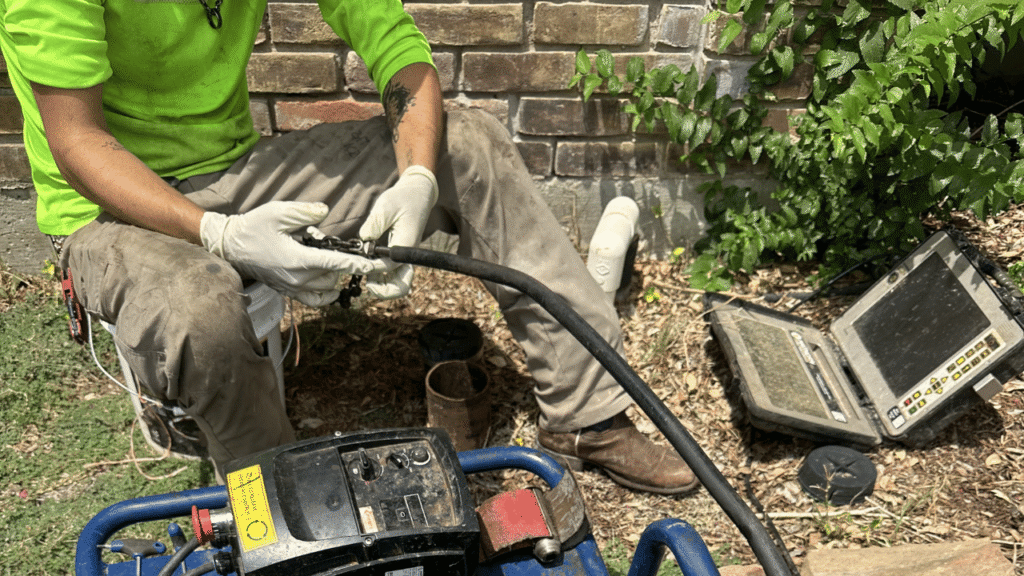
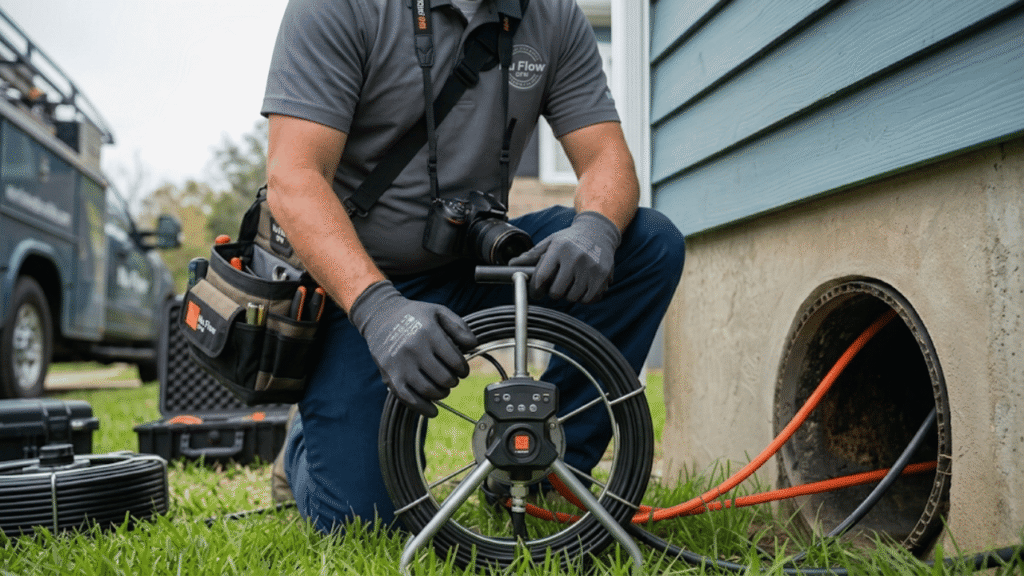
The first step is to assess the condition of your existing pipes. A professional plumber uses a CCTV camera inspection to closely examine the inside of the pipes. The technician inserts the camera into the pipe through a clean-out or access point, allowing them to spot issues like cracks, corrosion, blockages, and root intrusion. This inspection helps determine if pipe relining is a suitable solution and gives a clear view of the damage.
2. Cleaning the Pipes
Once the condition of the pipes is assessed, the next step is to clean the pipes thoroughly. Hydro jetting is commonly used for this purpose, which involves using high-pressure water streams to remove debris, rust, and any obstructions. This ensures the pipe surface is smooth and clear, making it ready for the liner to be inserted.
3. Preparing the Liner
The liner used for pipe relining is typically made from a flexible, resin-saturated material. Technicians custom-fit this material to the length and diameter of the pipe. The liner is designed to fit snugly inside the old cast iron pipe, effectively forming a new pipe within the existing one. The resin coating is key to the process because it hardens once it’s in place, creating a durable, seamless lining.
4. Inserting the Liner
The next step is to insert the liner into the cleaned pipe. The resin-saturated liner is pulled or pushed through the pipe, using air pressure or a specialized bladder to expand it. This bladder inflates inside the pipe, pressing the liner against the pipe’s interior walls. Technicians position the liner exactly where it needs to be, covering the cracks, leaks, and damaged sections.
5. Curing the Liner
After the liner is in place, it needs to be cured or hardened. There are different curing methods depending on the material used, but UV light or steam are common methods. The curing process typically takes a few hours, during which the liner hardens, forming a new, smooth, and durable surface inside the old pipe. This cured-in-place pipe (CIPP) is now ready to function as a new, seamless pipeline.
6. Final Inspection
Once the liner fully cures, technicians conduct a final inspection using the CCTV camera to ensure the proper installation of the pipe lining. This inspection checks for any gaps or issues with the new lining. If everything looks good, the project is complete.
7. Restoring Service
After confirming that the pipe lining process is successful, the access points are sealed, and your plumbing system is restored. Since the process is trenchless, there’s minimal disruption to your property, and you can expect to see improved drainage and reduced risk of future leaks and odors.
What is the cost of relining cast iron pipes
The cost of relining cast iron pipes can vary widely, but homeowners can expect a ball‑park range and some important cost‑drivers to keep in mind. On average, trenchless relining runs around US $80 to US $250 per linear foot, depending on the pipe condition, length, diameter, and accessibility. For many residential jobs, the total cost might span something like US $8,000 to US $15,000 for a home‑scale project using trenchless lining methods instead of full replacement. Factors that push cost upward include the length of the damaged pipe run, how deep or hard it is to access the pipe, the amount of pre‐cleaning needed (e.g., root removal, debris/hydraulic jetting), and whether the pipe diameter is large or there are many bends or connections.
Finally, although relining tends to cost less than full classic dig‑and‑replace methods (which might hit tens of thousands of dollars easily) the exact quote will depend heavily on your specific situation and region.
Do You Want to Get Your Cast Iron Pipes Relined?
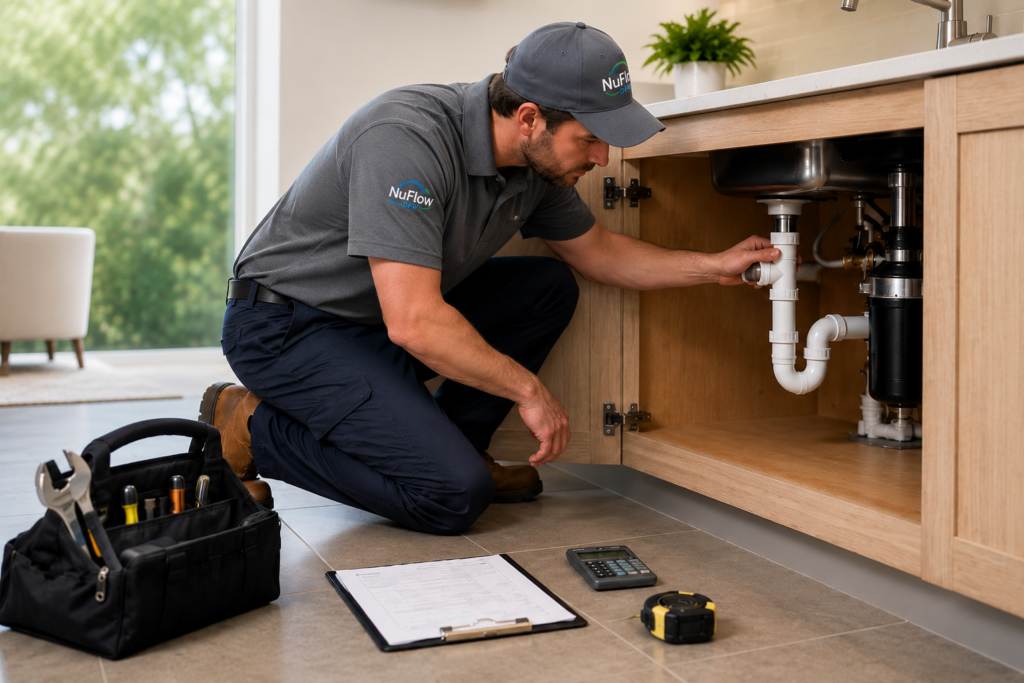
If you’re dealing with cracked, leaking, or odor‑causing cast iron pipes, relining could be the perfect solution to restore their functionality without the mess and cost of traditional replacement. At NuFlow DFW, we specialize in providing efficient and long‑lasting cast iron pipe relining services that save you time, money, and unnecessary disruption. Our trenchless technology ensures minimal digging, allowing us to restore your pipes with durable, seamless liners that prevent further damage and eliminate unpleasant odors.
With years of experience and a focus on high‑quality service, we take pride in helping homeowners like you enjoy a reliable plumbing system once again. If you’re ready to avoid the hassle of pipe replacement and extend the life of your pipes, reach out to NuFlow DFW today and let us help you find the best solution for your plumbing needs.