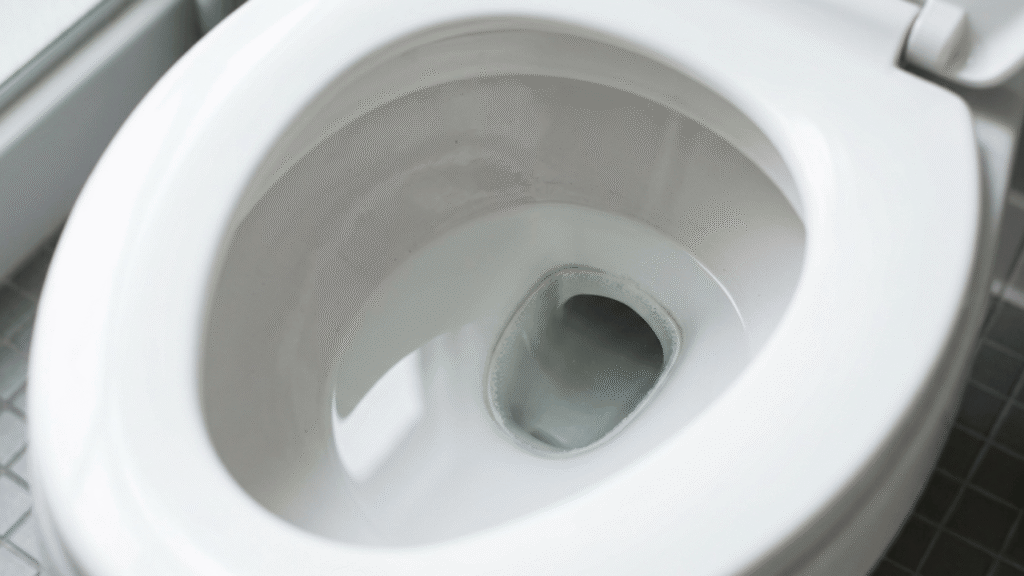
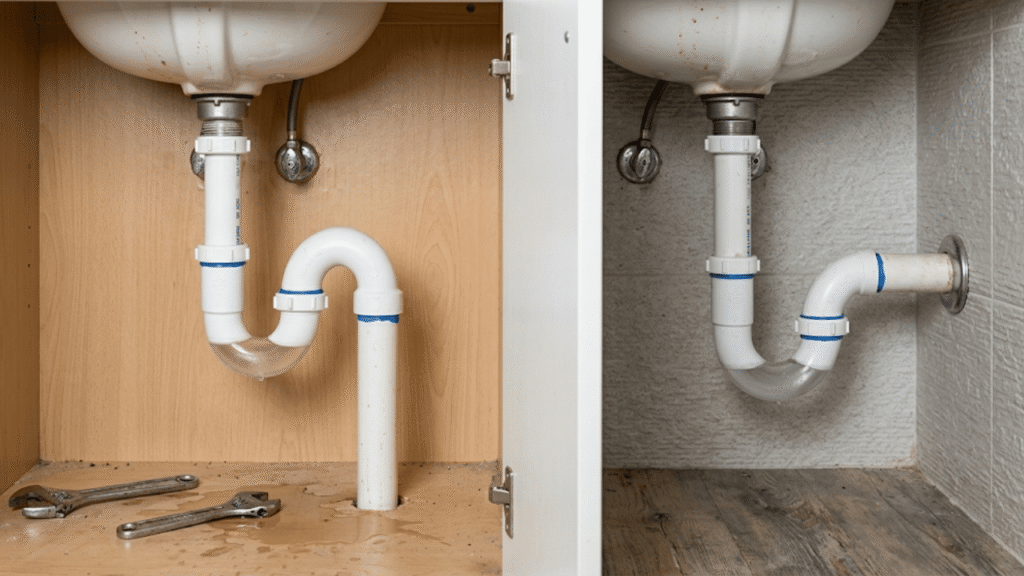
A clogged drain always seems to happen at the worst possible time. Whether it’s a sink that won’t empty or a toilet that’s about to overflow, most people grab a plunger and hope for a quick fix. But here’s the thing: not every plunger works the same way, and using the wrong one can leave you stuck with the same problem.
Many homeowners don’t realize there are different designs made for different jobs. Some are built for flat surfaces like sinks and tubs, while others are shaped to fit deeper drains and create stronger pressure. Knowing the difference can make the job faster, easier, and a lot less messy.
In this guide, we’ll walk through the four main types of plungers and explain when each one actually works best. By the end, you’ll know exactly which tool to reach for the next time a drain slows down or stops completely.
The 4 Main Plunger Types Explained
If you’re standing in front of a clogged drain and wondering which tool to grab, here’s the simple breakdown. Not all plungers are built the same, and each one is designed for a specific type of drain and level of blockage.
- Cup Plunger: Best for sinks, bathtubs, and shower drains with flat surfaces.
- Flange Plunger: Designed for toilets, with a flexible extension that creates a tighter seal.
- Accordion Plunger: Built for tough toilet clogs, using extra force to push through stubborn blockages.
- Taze (Professional) Plunger: A specialized tool used by plumbers for large or commercial drain systems.
Choosing the right one makes a big difference. The correct plunger creates a better seal, applies the right pressure, and clears the clog faster without causing damage.
How Do Plungers Work? (The Science Behind Clearing Clogs)
Household plumbing systems are designed to move wastewater efficiently through pipes, as explained by the U.S. Environmental Protection Agency , which is why proper pressure and flow are key when clearing clogs.
Before you start plunging, it helps to understand what’s actually happening inside the pipe. A plunger doesn’t just “push” a clog away—it uses a mix of pressure and suction to break it apart and move it through the drain. When used correctly, it can clear minor blockages in seconds. When used the wrong way, it often does nothing at all.
Pressure vs Suction Explained Simply
Every time you push a plunger down, you create pressure that forces water and air deeper into the pipe. When you pull it back up, it creates suction that pulls the clog upward. This back-and-forth motion loosens debris, breaks it apart, and helps it move along the drain line.
Think of it like shaking something loose instead of just pushing it. That repeated motion is what makes plunging effective, not just force alone.
Why Seal Strength Matters
A plunger only works if it forms a tight seal around the drain. If air escapes from the sides, you lose pressure and the plunging becomes useless. That’s why using the right plunger for the surface is so important.
For example, a flat cup plunger works well on sinks because it can sit flush against the surface. But in a toilet, that same plunger won’t seal properly, which means you won’t get the pressure needed to clear the clog.
Common Reasons Plungers Fail
Even with the right tool, plunging doesn’t always work and usually, it comes down to simple mistakes:
- Not enough water in the bowl or sink to cover the plunger
- Poor sealing around the drain
- Using the wrong type of plunger for the job
- Plunging too aggressively or too lightly
- Trying to fix a blockage that’s too deep in the pipe
Understanding these basics can save you time and frustration. In many cases, it’s not that the plunger isn’t working, it’s just not being used the right way.
Flange Plunger (Toilet Plunger): The Most Common Choice
When it comes to unclogging a toilet, the flange plunger is the tool most homeowners rely on and for good reason. It’s specifically designed to handle the shape and depth of a toilet drain, making it far more effective than a standard plunger in this situation. If you’ve ever struggled with a clog that just wouldn’t budge, chances are the issue wasn’t the effort it was the tool.
Why Toilets Need a Flange
Toilet drains aren’t flat like sinks. They have a curved opening, which makes it harder to create a proper seal with a regular plunger. A flange plunger solves this problem by adding a soft rubber extension that folds out from the cup.
This flange fits directly into the toilet drain, creating a tight seal. That seal is what allows you to build enough pressure to move or break apart the clog effectively.
How to Use It Correctly
Using a flange plunger the right way can make a big difference. Start by making sure there’s enough water in the bowl to cover the rubber cup. Then position the plunger so the flange sits inside the drain opening.
Push down slowly at first to remove trapped air, then begin plunging with steady, controlled movements. Avoid splashing or using too much force right away. After a few consistent plunges, you should feel the resistance change that’s usually a sign the clog is loosening.
Signs It’s the Wrong Tool
Even though it’s the best choice for toilets, there are times when a flange plunger won’t solve the problem. If you’re not getting any suction, or the clog doesn’t respond after several attempts, the issue might be deeper in the pipe.
It’s also not ideal for sinks or flat drains, where the flange can prevent a proper seal. In those cases, switching to a different type of plunger will give you better results.
Accordion Plunger: Maximum Pressure for Tough Clogs
Sometimes a regular toilet plunger just doesn’t cut it. That’s where an accordion plunger comes in. It’s designed for situations where the clog is stubborn and needs more force to break loose. The shape might look a bit unusual at first, but there’s a reason behind it: it’s built to generate stronger pressure with less effort.
How It Creates Stronger Force
Unlike standard plungers, an accordion plunger has a rigid, foldable design that compresses and expands as you push. This design allows it to build up more pressure inside the drain with each plunge.
Instead of just moving water back and forth, it delivers a more concentrated force directly into the pipe. That extra push can help break through tougher blockages that softer rubber plungers struggle with.
When to Use It vs Flange Plunger
A flange plunger is usually your first choice for toilet clogs. But if you’ve tried it and nothing is changing, switching to an accordion plunger can make a difference.
It works best for:
- Stubborn or compacted clogs
- Situations where repeated plunging hasn’t worked
- Toilets that frequently clog due to heavy use
That said, it’s not ideal for sinks or flat drains. Its rigid shape makes it harder to create a proper seal outside of toilets.
Pros and Cons
Pros:
- Creates stronger pressure than standard plungers
- More effective for tough toilet clogs
- Requires fewer plunges in some cases
Cons:
- Harder to position and seal properly
- Can be messy if not used carefully
- Not suitable for sinks, tubs, or showers
Taze Plunger: The Professional Tool You Won’t Use at Home
Most homeowners have never seen a taze plunger, and that’s completely normal. This isn’t something you’ll find in a typical toolbox or hardware store aisle. It’s a specialized tool used by professional plumbers when dealing with larger, more complex drainage systems. While standard plungers rely on surface pressure, a taze plunger is designed to work deeper inside the pipe.
What Plumbers Use It For
A taze plunger is typically used for large pipe systems, especially in commercial settings where clogs can affect multiple fixtures at once. Instead of sitting over the drain opening, the tool is inserted into the pipe to create a seal further down the line.
This allows plumbers to apply pressure directly where the blockage is, which is much more effective for deep or widespread clogs that regular plungers can’t reach.
Why It’s Not for DIY Use
This tool requires experience to use properly. Without the right technique, it’s easy to apply too much pressure or damage the pipe system. It also involves working inside the plumbing line, which isn’t something most homeowners are equipped to handle safely.
For everyday clogs in sinks or toilets, standard plungers are more than enough. A taze plunger is only needed when the issue goes beyond a simple blockage.
Commercial vs Residential Drains
In a home, clogs are usually isolated to a single fixture, like a sink or toilet. But in commercial buildings, the plumbing system is more complex, and a blockage can impact multiple areas at once.
That’s where tools like a taze plunger become useful. They’re designed for larger pipes, higher pressure, and more demanding situations conditions you typically won’t encounter in a residential setting.
How to Choose the Right Plunger (Simple Decision Guide)
With a few different options out there, it’s easy to grab the wrong plunger and end up wasting time. The good news is that choosing the right one isn’t complicated once you understand what you’re dealing with. It really comes down to the type of drain and how serious the clog is.
Toilet vs Sink vs Shower
Start by looking at where the clog is happening.
- Toilets: A flange plunger is usually your best bet because it fits inside the drain and creates a strong seal.
- Sinks and showers: These need a flat cup plunger since the surface is even and easier to seal.
- Tough toilet clogs: If a standard toilet plunger isn’t working, an accordion plunger can provide more force.
Using the wrong shape is one of the main reasons plunging doesn’t work.
Light Clog vs Severe Blockage
Next, think about how bad the clog is.
- Light clogs: Slow draining water or minor buildup can usually be cleared with a standard cup or flange plunger.
- Moderate clogs: Repeated plunging with the correct tool should break things up.
- Severe blockages: If nothing is moving after several attempts, the clog may be deeper in the pipe and require stronger tools or professional help.
Trying to force a severe clog with the wrong plunger can sometimes make things worse.
Final Thoughts: Choosing the Right Tool Saves Time and Money
Dealing with a clogged drain is never convenient, but having the right tool makes a big difference. When you use the correct plunger for the job, you’re not just saving time—you’re also avoiding unnecessary mess, frustration, and potential damage to your pipes. Most minor clogs can be handled quickly at home once you understand what works where.
That said, not every blockage is a simple fix. If you’ve tried the right plunger and the problem keeps coming back, it’s usually a sign of something deeper in the line. In those situations, forcing it can do more harm than good.
That’s where professionals come in. The team at Nuflow DFW uses advanced tools to clear clogs completely and restore proper flow, not just temporarily fix the issue. If your plunger isn’t doing the job, getting expert help can save you from bigger and more expensive problems down the line.