Living in an apartment building means sharing more than walls and hallways. Behind the scenes, every unit connects to the same plumbing network. Most residents rarely think about it. But when something goes wrong underground, the impact can spread quickly from one unit to another.
Small warning signs often go unnoticed. A drain slows down. An apartment smells like sewer for a few days. A clog gets ignored. Over time, these minor issues can turn into serious plumbing failures that cause wastewater to back up into living spaces, damaging floors, walls, and personal belongings. According to the U.S. Environmental Protection Agency (EPA), sanitary sewer overflows occur thousands of times each year across the country, often caused by blockages, aging infrastructure, and system overload.
Beyond property damage, there are health concerns as well. Persistent odors may signal gas exposure that should never be ignored. Without routine apartment plumbing maintenance, hidden problems can escalate faster than most tenants or property managers expect.
What Causes Sewer Backup in Properties?
Sewer backup does not happen randomly. In apartment buildings, it usually results from underlying issues within shared plumbing systems. Because multiple units rely on the same drainage lines, one failure can quickly affect the entire property.
Below are the most common causes in multi-unit buildings.
1. Clogged Main Sewer Lines
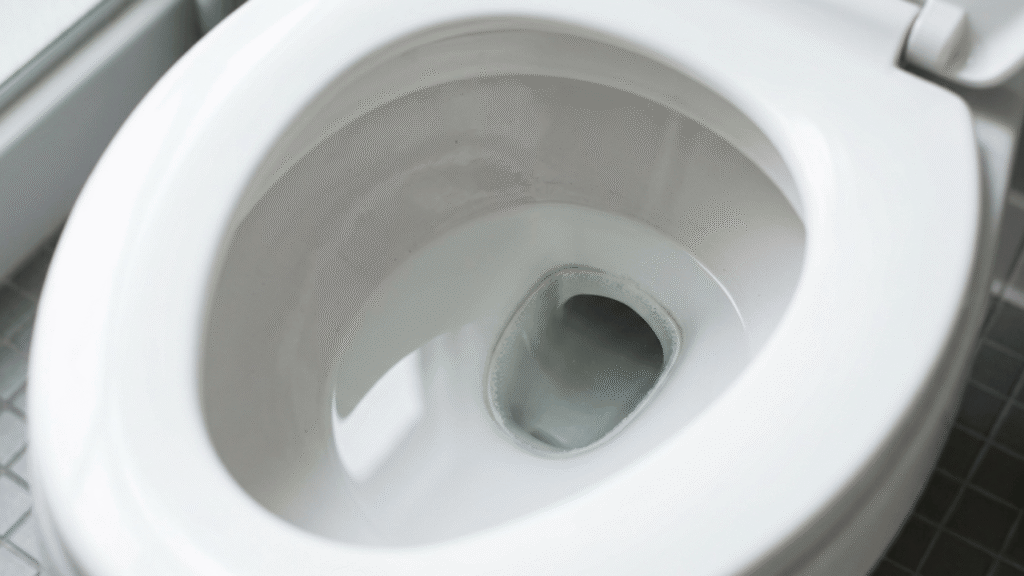
One of the leading causes of building-wide sewer backups is blockage in the main sewer line. Grease, wipes, sanitary products, and debris gradually accumulate inside pipes. When tenants ignore slow drains or leave unreported clogs, pressure builds inside the system. Once the pipe becomes obstructed, wastewater has nowhere to go and begins flowing back into lower units.
2. Tree Root Intrusion
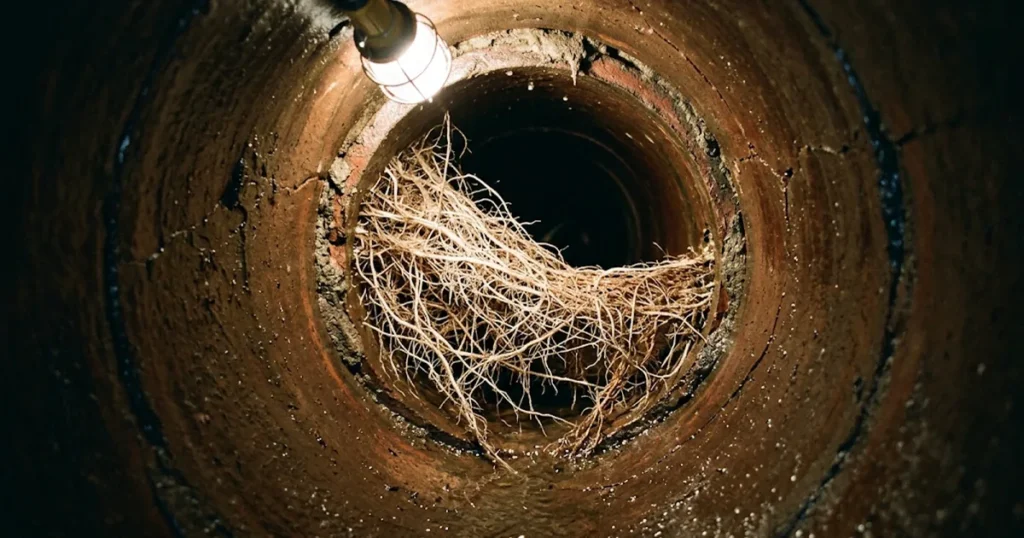
Underground pipes are vulnerable to root growth. Without proper tree root intrusion prevention, small cracks allow roots to enter and expand. Over time, these roots restrict flow and increase the risk of blockage, especially during heavy usage.
Routine sewer scope inspections help detect root intrusion before it leads to structural damage.
3. Aging or Damaged Infrastructure
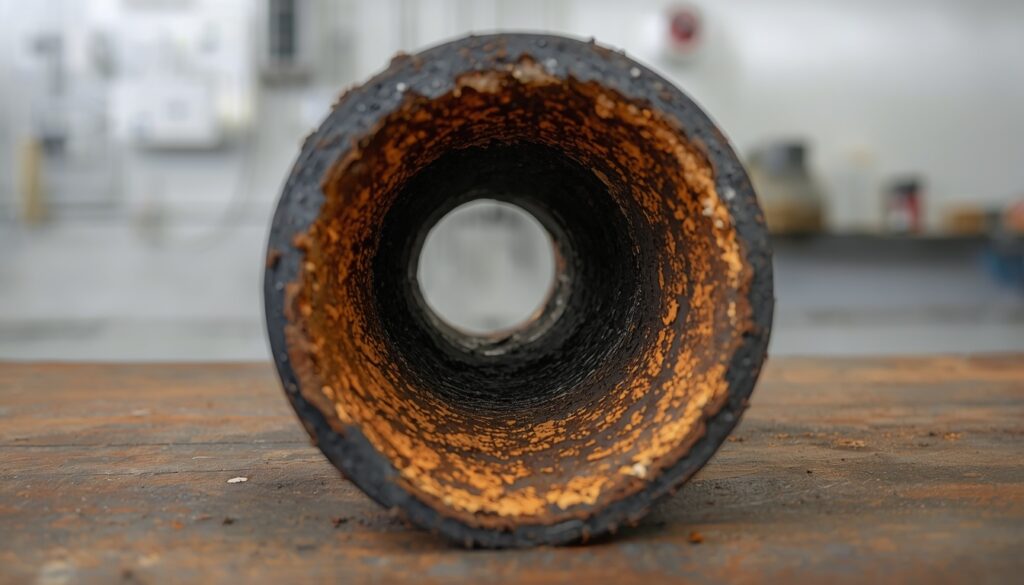
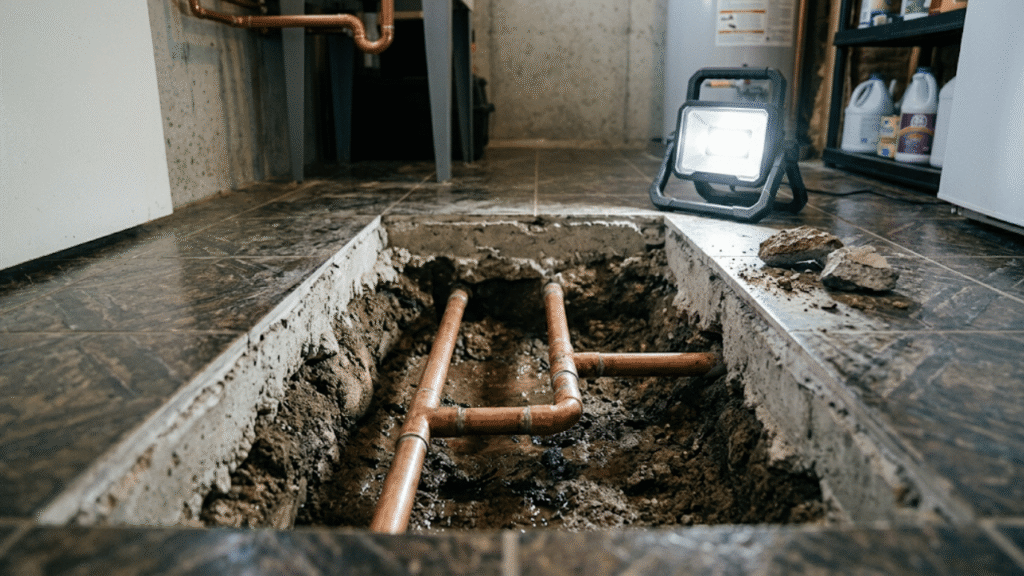
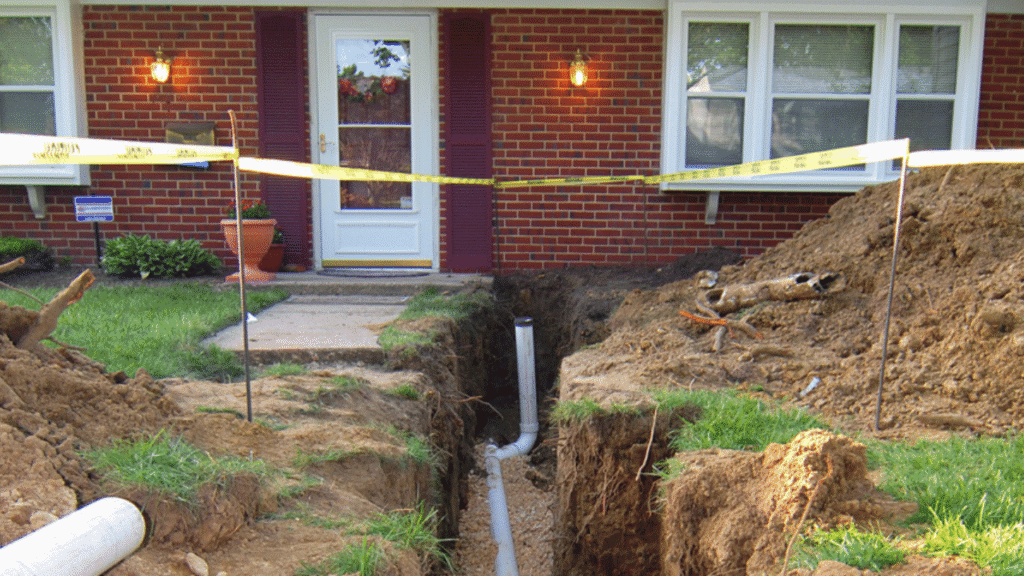
Older apartment buildings often rely on clay or cast-iron pipes that corrode over time. Corrosion weakens pipe walls and increases the likelihood of cracks and collapses. Small failures may begin as hidden leaks behind walls, eventually contributing to larger system breakdowns.
4. Poor Ventilation and Pressure Imbalance
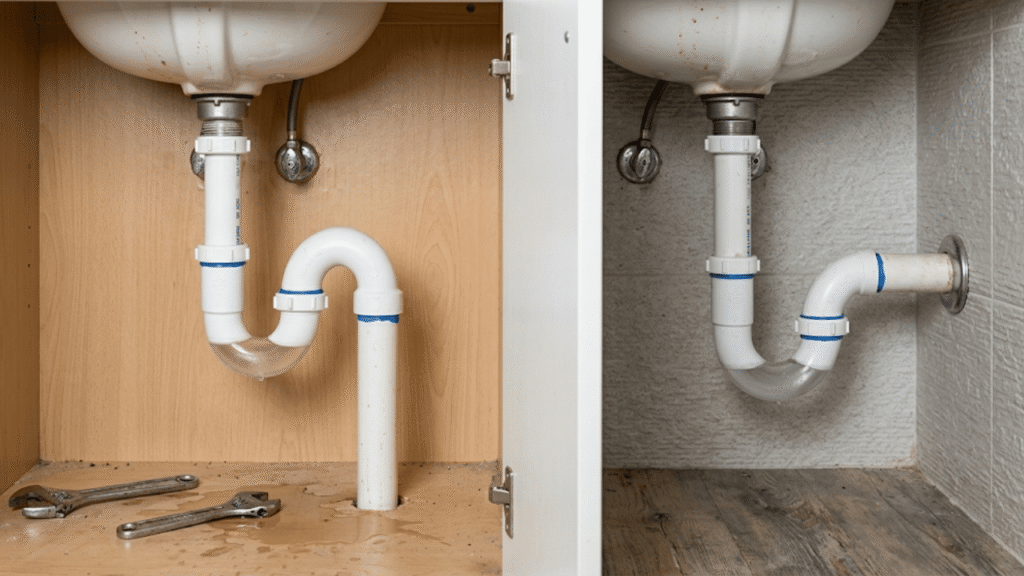
A properly functioning plumbing system requires airflow. When vents are blocked, pressure builds inside the pipes. This may result in drainage issues or odors, such as a second floor apartment sewer smell.
Some residents attempt to prevent sewer gas in home environments without realizing the issue may stem from a shared ventilation failure. Prolonged exposure can lead to respiratory irritation and other health concerns, making prompt correction essential.
5. Lack of Preventive Maintenance
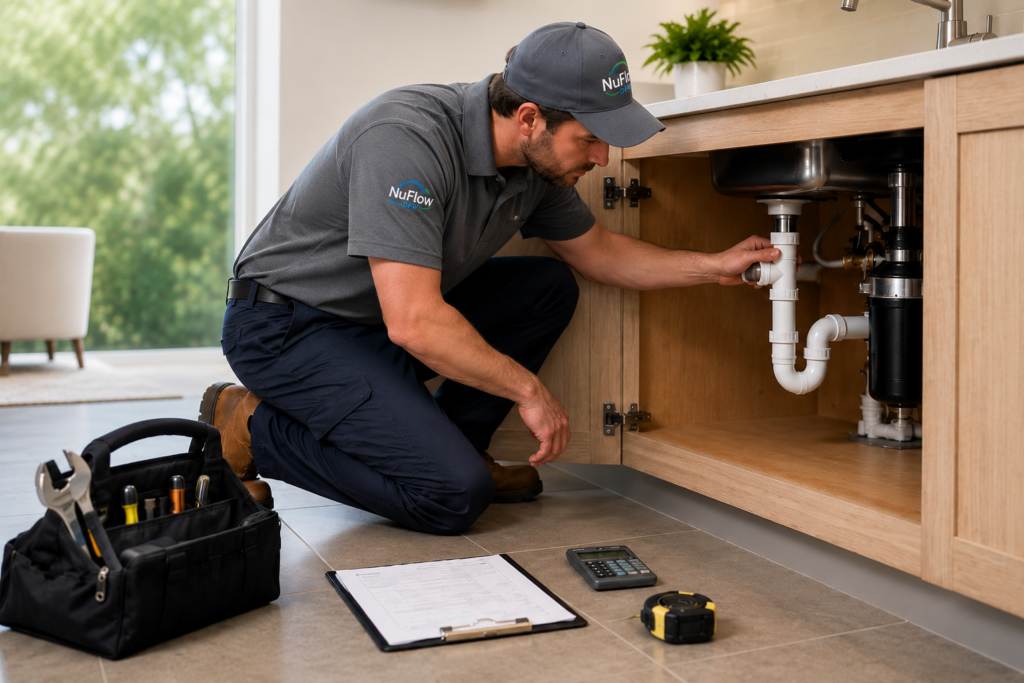
Skipping routine apartment plumbing maintenance significantly increases risk. Without regular professional drain cleaning, buildup accumulates inside pipes and makes proactive prevention far more difficult.
Preventive care is far more cost-effective than emergency repairs after a major overflow.
How Sewer Backup Can Ruin Your Property
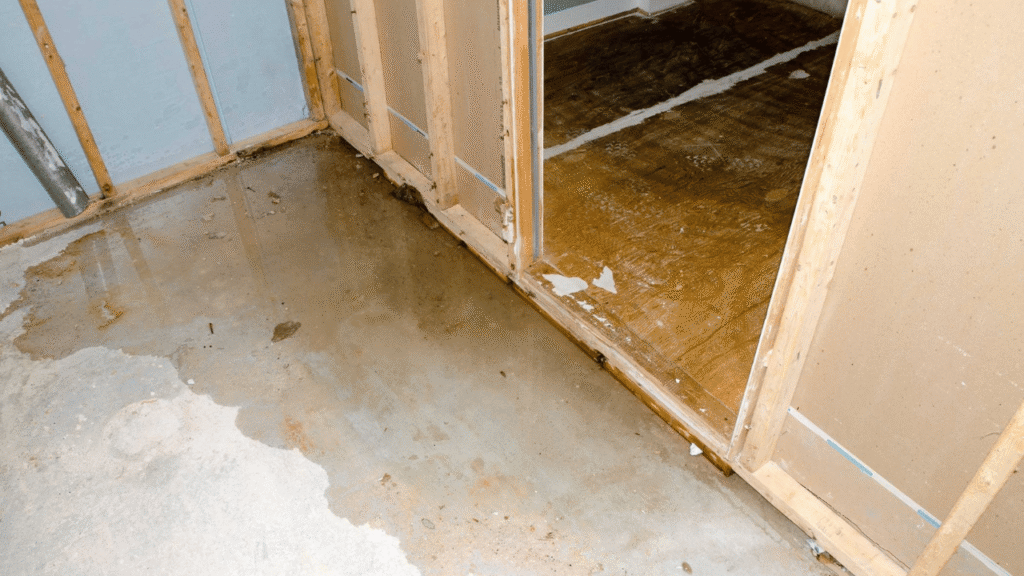
Sewer backup can cause serious damage in a short amount of time. In apartment buildings, shared plumbing systems mean one blockage can impact several units. The damage often goes beyond what residents first notice.
Structural Damage
When wastewater enters a unit, contaminated water spreads across flooring and into walls. Materials like wood, drywall, and insulation absorb moisture quickly. If not properly cleaned and restored, structural repairs can become extensive and expensive.
Mold and Health Concerns
Standing wastewater creates ideal conditions for bacteria and mold growth. Even before flooding becomes visible, strong odors may indicate trapped gases and rising pressure within the drainage system.
Long-term exposure can lead to respiratory irritation, headaches, and nausea. Exposure to contaminated wastewater may also pose additional concerns, especially in enclosed environments. According to the CDC sanitation guidelines, improper wastewater handling and sewage exposure can increase the risk of illness and environmental contamination.
Electrical and System Damage
If contaminated water reaches wiring or mechanical systems, it can cause corrosion or short circuits. In multi-unit buildings, this type of damage can disrupt more than one apartment at a time.
Financial Loss and Liability
Water and sewer damage claims are among the most expensive property repairs. Without proper maintenance and inspection, the cost of responding to emergencies rises significantly. The FEMA sewer backup prevention guidance outlines practical steps property owners can take to protect buildings from backflow and flooding damage.
Practical Steps to Prevent Sewer Backup in Your Property
Sewer backup prevention is not complicated. Most serious plumbing failures can be avoided when proper maintenance and monitoring are in place. Consistency makes the difference. Addressing small issues early greatly reduces the risk of major disruption.
Here are the key steps that help reduce the risk before problems escalate:
Schedule Regular Sewer Inspections
Routine inspections help detect buildup, cracks, or early root growth inside sewer lines. Camera inspections allow professionals to identify hidden issues before they turn into expensive repairs.
Install a Backwater Valve
A backwater valve prevents wastewater from flowing back into the building during heavy system overload. This is especially important for properties with basement or lower-level units.
Avoid Flushing Grease and Non-Flushables
Grease, wipes, paper towels, and hygiene products accumulate inside pipes and restrict flow. Educating tenants about proper disposal habits reduces strain on shared plumbing systems.
Perform Preventive Cleaning
Professional cleaning methods, such as hydro jetting, remove buildup from pipe walls. Keeping the main sewer line clear helps maintain steady drainage and reduces long-term risk.
Replace Aging or Damaged Sewer Lines
Older pipes are more prone to cracking and corrosion. If inspections reveal structural weakness, replacing damaged sections early prevents larger failures later.
Final Thoughts
Sewer backup is one of those problems many property owners ignore until it becomes impossible to ignore. By the time water rises from a drain or a strong odor spreads through the building, the damage is often already significant. Floors may need replacement, walls may require reconstruction, and tenants may be displaced.
What makes the situation more frustrating is that most of these failures are preventable. Routine inspections, proper maintenance, and timely upgrades can dramatically reduce risk. Staying ahead of small plumbing issues protects your property value and prevents costly emergencies.If you’re dealing with recurring sewer problems or want to take preventive action, professional help makes all the difference. Nuflow DFW provides pipe repair, trenchless sewer repair, sewer inspections, and long-term infrastructure solutions d