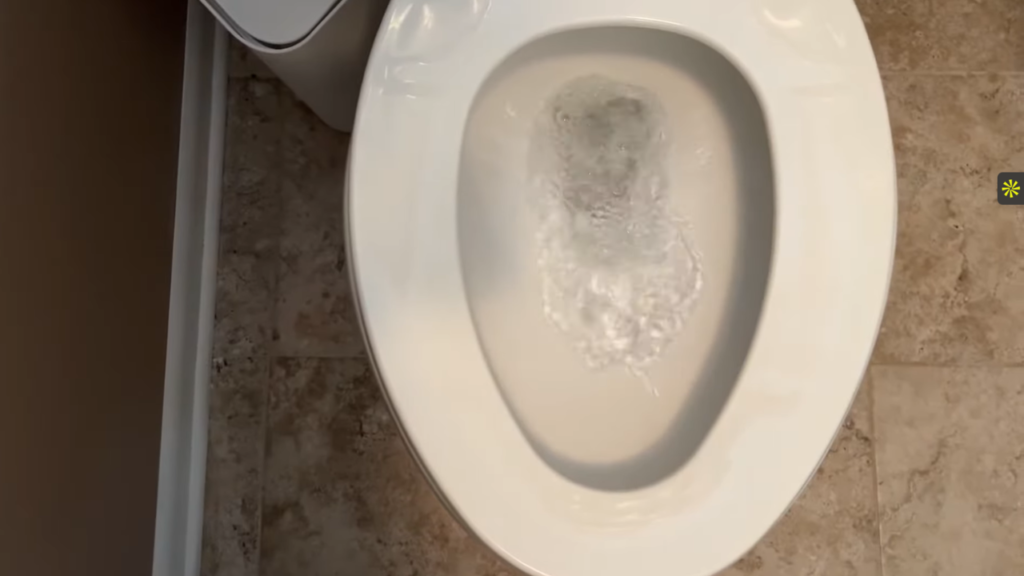
A toilet bubbles when you flush because air can’t move through the drain system the way it’s supposed to. The bubbles are trapped air being pushed back up through the water in the bowl, usually caused by a partial clog in the drain line, a blocked roof vent pipe, or a restriction further down in the main sewer line. Most cases are fixable at home but persistent or worsening bubbling is your plumbing’s way of warning you about a bigger problem downstream.
You may see this as bubbles in the toilet bowl, hear it as gurgling, or notice the water moving when you flush, even when the toilet is not clogged and still drains fine. It is the same trapped air in every case. If waste or what you just flushed appears to bubble back up, that is the same air pushing through the water in the bowl, not a separate problem.
That sound coming from your toilet is more than a quirk. It’s the system telling you something is off, and ignoring it tends to make small problems turn into expensive ones. The good news: once you understand what’s actually happening inside your pipes, the diagnosis becomes simple, and the fix is usually within reach without calling a plumber. This guide walks you through the nine real causes, how to figure out which one you have, what to do about it, and the warning signs that mean it’s time to stop troubleshooting and pick up the phone.
Bowl Bubbling vs. Tank Bubbling
Before going further, make sure you know which “bubbling” you’re dealing with. If you see bubbles or hear hissing inside the tank (the rectangular reservoir behind the seat), that’s a completely different problem usually a worn fill valve, a stuck float, or a water-pressure issue. It has nothing to do with the drain system.
This guide is about the bowl the part you sit on bubbling, gurgling, or burping during or right after a flush. That’s a drainage and venting issue, and that’s what we’ll fix.
How Your Toilet’s Drain Actually Works
Think about pouring water out of a full bottle too quickly. You hear that “glug, glug, glug” sound because air can’t get into the bottle fast enough to replace the water leaving it. Your home’s plumbing works the exact same way.
Every drain in your house is part of a system called the Drain-Waste-Vent (DWV) system. It has three main parts:
- Drain pipes carry wastewater out of the house using gravity.
- The vent stack is a vertical pipe that runs from your main drain line up through the roof. It lets air into the system so water can flow out smoothly.
- The P-trap is the curved pipe under every fixture (including the bowl of your toilet, which has a built-in trap). It always holds water, which blocks sewer gas from coming back into the house.
When you flush, a large volume of water rushes down the drain pipe. To stop a vacuum from forming behind that water, fresh air pulls down through the roof vent to equalize the pressure. If the vent is blocked, or if there’s a partial clog restricting flow somewhere downstream, the system can’t breathe properly. The air it needs has to come from somewhere so it gets sucked back up through the easiest available opening, which is often the water sitting in your toilet bowl. That’s the bubble you’re seeing.
What If the Toilet Bubbles but Is Not Clogged?
A toilet that bubbles or gurgles but still flushes and drains normally is the most common version of this problem, and it confuses people because nothing looks blocked. When the bowl drains fine but still burps air, the cause is almost never the toilet itself. It is the air supply, not the water flow. Two causes account for most “not clogged” bubbling. The first is a blocked vent stack on the roof, which starves the drain of the air it needs and forces that air back up through the bowl. The second is a clogged drain at a nearby fixture, usually a tub or shower sharing the same line, which throws off the pressure balance. Both are covered in detail below. If your toilet bubbles when no one has flushed it, for example while a shower runs or a tub drains, jump to causes 3 and 4.
Now let’s go through the nine specific things that cause this.
9 Causes of a Bubbling Toilet When You Flush
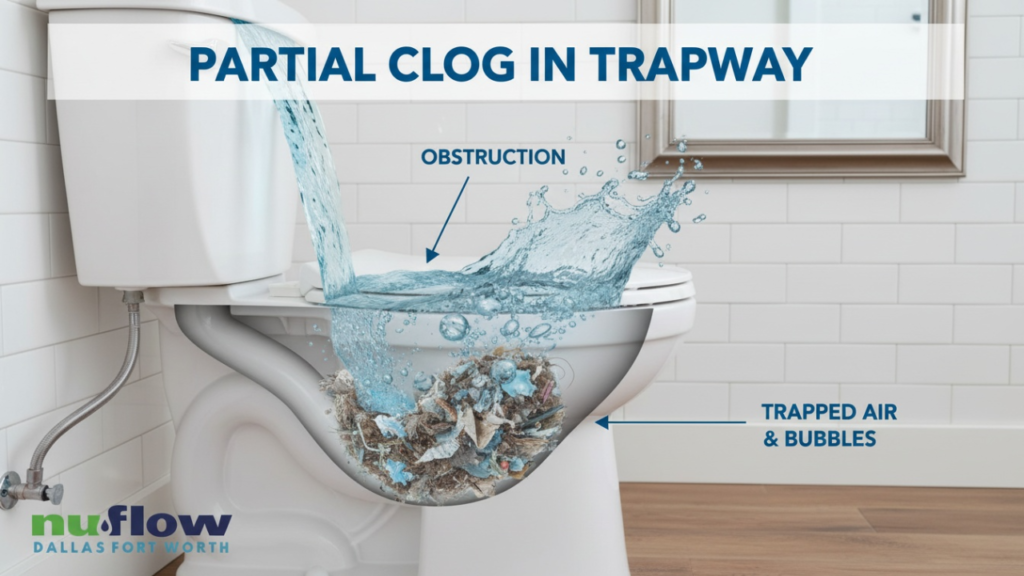
1. Partial Clog in the Toilet’s Trapway
The trapway is the S-shaped channel built into the base of the toilet. It’s often the first place a clog forms because it’s the narrowest point waste passes through, and it’s a magnet for excess toilet paper, “flushable” wipes, feminine products, and the occasional small toy. A partial clog won’t stop the toilet from flushing entirely but it slows water flow enough to trap air, which then bubbles back through the bowl. If that partial clog keeps coming back, see why a toilet keeps clogging.
Fix it: Use a flange plunger (the kind with a soft rubber cup that extends down not the flat cup style designed for sinks). Make sure there’s enough water in the bowl to fully cover the rubber. Push down slowly to expel air, then plunge firmly and steadily 15 to 20 times. On the final pull, yank up sharply to dislodge the obstruction. If the next flush is smooth and silent, you’ve solved it.
2. Clog Further Down the Branch Drain Line
If plunging the bowl didn’t help, the blockage is probably past the trapway, somewhere in the horizontal branch drain that connects your toilet to the main stack. Hair, soap scum, grease, and softened paper can build up on the pipe walls until the diameter narrows enough to choke water flow.
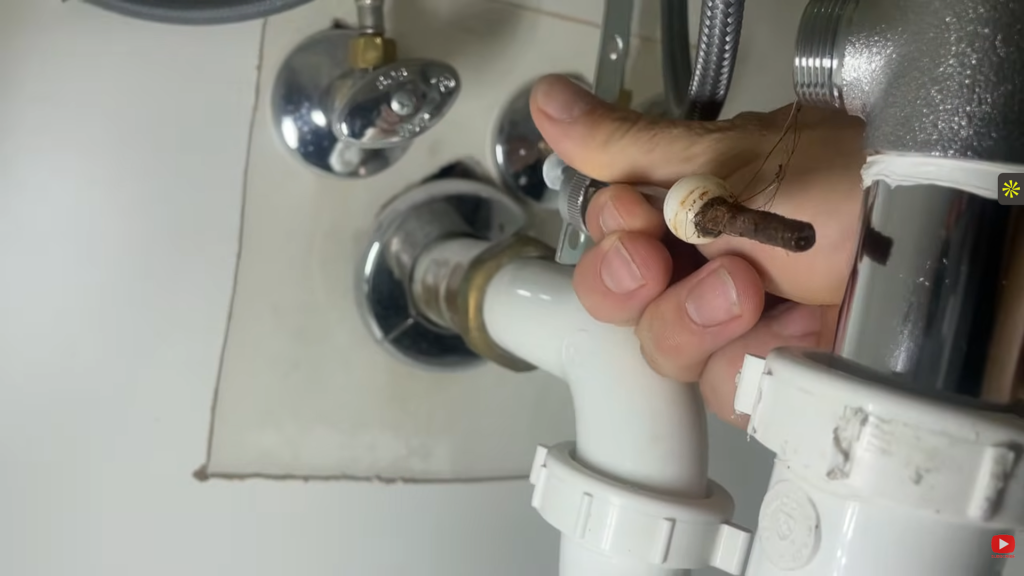
Fix it: This is the right job for a closet auger a short, hand-cranked snake designed specifically for toilets. It’s flexible enough to navigate the trap without cracking the porcelain. Feed the cable in, rotate the handle clockwise while pushing forward, and work it back and forth when you hit resistance. A 25-foot manual drain snake costs about $20 to $40 at any hardware store, or you can rent one for around $10 a day.
3. Blocked Vent Stack on the Roof
The vent pipe sticking up out of your roof is the single most overlooked source of toilet gurgling. When it’s blocked, the entire DWV system loses its ability to breathe and the symptom shows up at whichever fixture is closest to the blockage, often a toilet.
Common culprits: leaves, twigs, ice in winter, and (surprisingly often) bird nests or dead squirrels. A vent pipe is a tempting little condo for wildlife.
Fix it: Only attempt this if you’re genuinely comfortable on a ladder and the roof is dry and not steep. Locate the vent usually a 2-to-4-inch pipe sticking up above your bathroom. Shine a flashlight down it. If you can see debris, pull it out by hand (gloves on). For deeper blockages, run water from a garden hose down the vent on jet setting, or feed a longer drain snake down from the top. To confirm the fix worked, have someone flush the toilet inside while you hold your hand over the vent opening you should feel air being pulled in.
4. Clog in a Nearby Shower, Tub, or Sink Drain
This is one of the most common, and most counterintuitive, causes. If your toilet and your bathtub share a drain line (which they almost always do in a typical bathroom), a clog in the tub or shower drain can throw off the pressure balance enough that the bubbling shows up at the toilet not the clogged fixture.
If your toilet bubbles specifically when someone else takes a shower, runs the bathroom sink, or drains the tub, this is almost certainly your cause.
Fix it: Clear the slowest drain in that bathroom first. Pull out the stopper or strainer, remove visible hair and gunk, then run a few pots of boiling water through the drain. If that doesn’t restore full flow, follow with half a cup of baking soda and half a cup of white vinegar (let it sit 15 to 30 minutes, then flush with more hot water). For stubborn clogs, snake the drain but enter through the overflow opening, not the main drain itself, to avoid scratching the trap.
5. Main Sewer Line Blockage
If the bubbling is happening at multiple fixtures throughout the house not just one toilet, but maybe also a tub, a sink, or a downstairs floor drain your problem is no longer local. You almost certainly have a partial blockage in the main sewer line that carries waste from your home to the street or septic system.
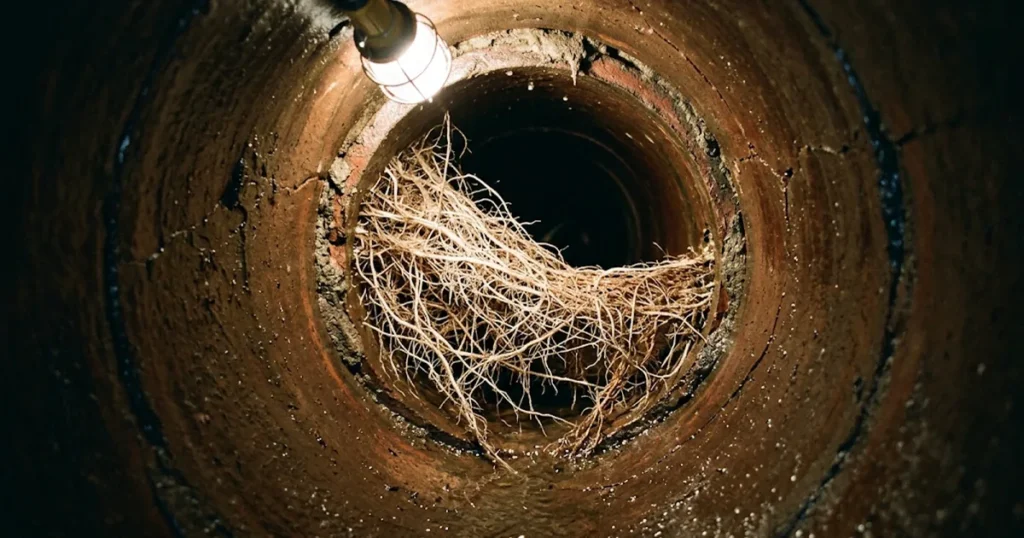
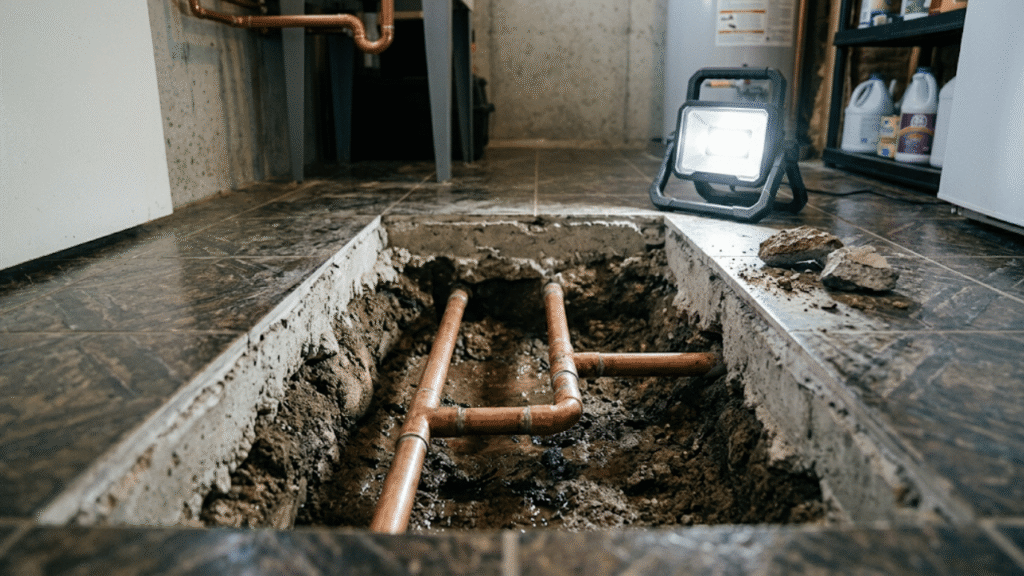
In North Texas, the most common culprits are tree roots invading the line through old joints (mature oaks, pecans, and crepe myrtles all do this), collapsed clay or cast iron pipe in older homes, and grease buildup at low points in the line. The expansive clay soil across DFW also shifts seasonally, which can crack or offset aging pipes over time.
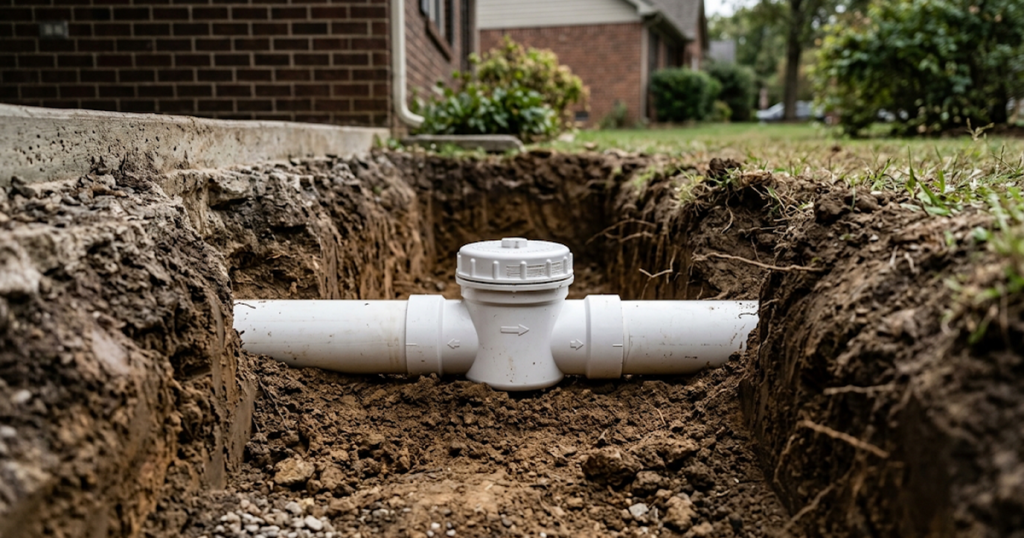
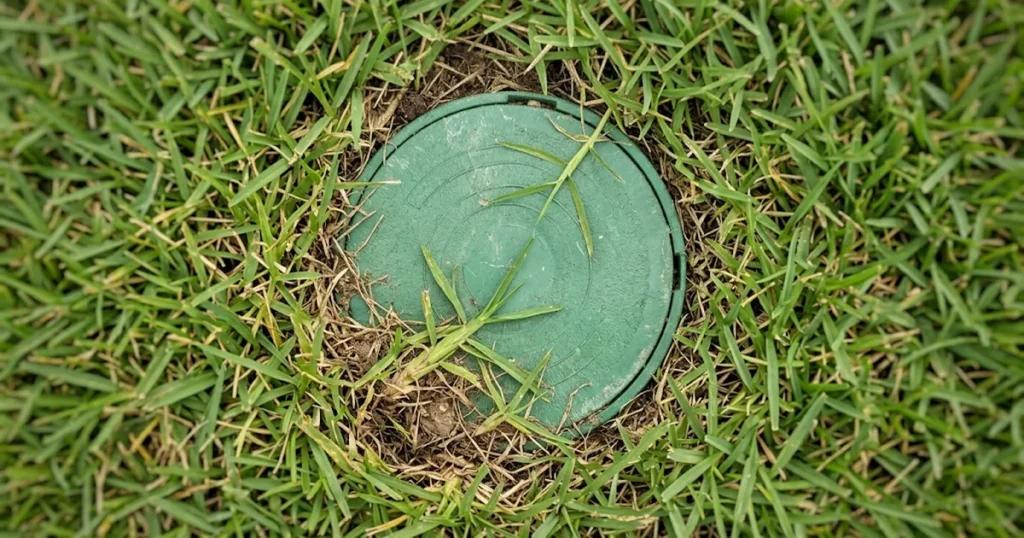
Fix it: This is past DIY territory. A blocked main line needs a proper diagnosis with a sewer camera, then either a mechanical auger, hydro-jetting, or in cases of broken pipe, trenchless pipe repair. Continuing to flush when the main is blocked can push raw sewage back up through tubs, showers, and floor drains, so stop using water in the house until it’s cleared.
6. Septic Tank or Drain Field Problem
If your home is on a septic system (common in DFW’s outer suburbs like Wise, Parker, Hood, Kaufman, and parts of Ellis County), a bubbling toilet can be the earliest warning sign that the tank is full or the drain field is failing. The system simply can’t accept incoming water at normal speed, and that backpressure pushes air up through the nearest fixture.
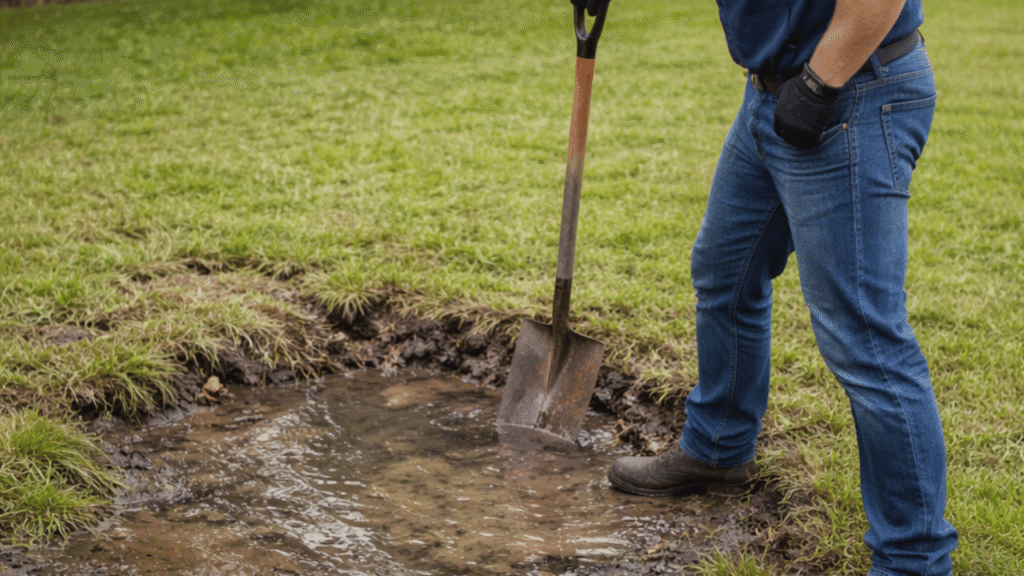
Other warning signs to look for: soggy or unusually green patches in the yard over the drain field, slow drains across the whole house, and faint sewage odors outside.
Fix it: Schedule a septic inspection and tank pump. The U.S. Environmental Protection Agency recommends pumping every three to five years for typical household use, but heavy users may need it more often. If the drain field itself is failing soggy ground, persistent backups, surface sewage that’s a more serious repair, not a routine pump-out.
7. Improper Venting From a Past Renovation
If your toilet has bubbled since the day it was installed, or since a bathroom remodel, the issue may not be a clog at all it may be that the plumbing was never vented correctly in the first place. Every fixture needs proper venting to function, and unlicensed remodels frequently skip or shortcut the vent system because the failure isn’t visible: the toilet flushes, the sink drains, and no one notices the slow gurgle for years.
Fix it: This requires a licensed plumber to inspect the layout and add or correct the venting. It’s not glamorous work, but it’s the only permanent solution. Don’t waste money on repeated drain cleanings if the underlying design is wrong.
8. Older Pipes With Internal Buildup
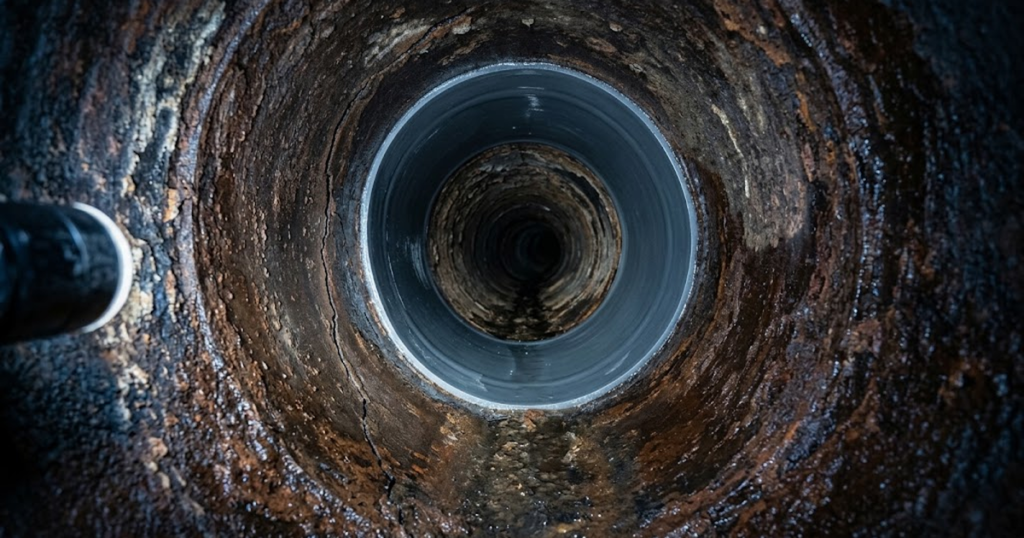
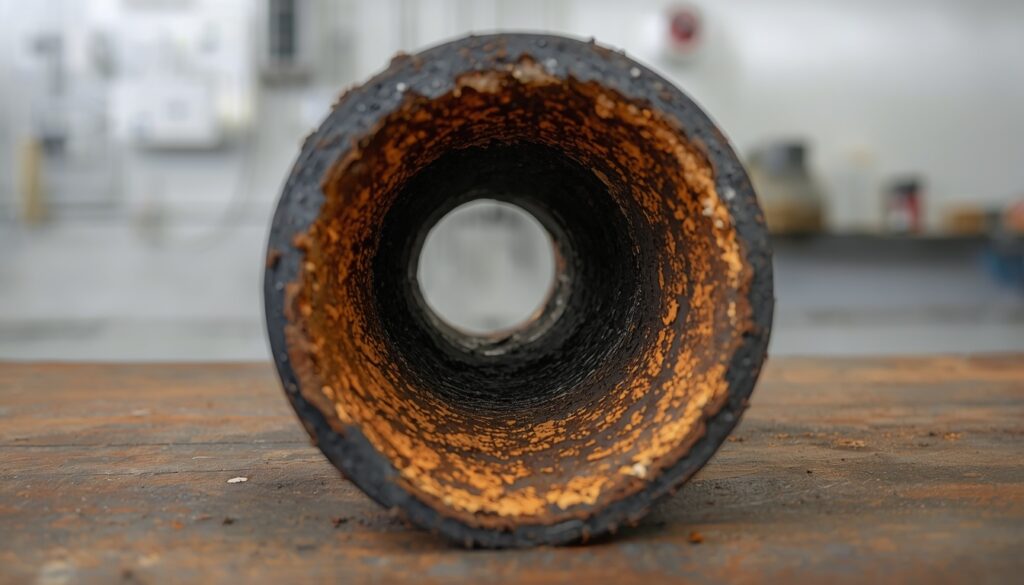
In homes built before the late 1970s common in older Dallas neighborhoods like Oak Cliff, East Dallas, and Arlington Heights in Fort Worth drain lines were typically galvanized steel or cast iron. Over decades, the inside of those pipes corrodes and accumulates scale, rust, and mineral deposits that progressively narrow the bore. Eventually a pipe that was once 4 inches wide is functionally a 2-inch pipe, and that restriction creates the same pressure issues as a partial clog.
Fix it: A sewer camera inspection will confirm whether internal corrosion is the issue. If it is, options range from hydro-jetting to fully remove the buildup, to trenchless lining that creates a new smooth pipe inside the old one without digging up your yard.
9. Weather-Related Sewer Pressure
DFW homeowners deal with two specific weather-related drainage problems that don’t get talked about enough.
Heavy rain and storms: When the ground is saturated, groundwater seeps into older sewer lines through cracks and joints. The flooded pipe loses its ability to carry waste at normal speed, and toilets all over the house may start to bubble. If your bubbling started after a major storm, this is likely your cause. It usually clears on its own within a day or two but if it doesn’t, you have a cracked or compromised line that needs attention.
Freezing weather: The February 2021 freeze taught a lot of Texas homeowners that an iced-over vent stack can stop a plumbing system cold (literally). When the vent freezes shut, the system can’t equalize pressure, and toilets begin to gurgle. Once temperatures recover, the symptom resolves on its own.
How to Diagnose Your Exact Cause (3-Minute Test)
Before you tear anything apart, run this quick check. It narrows down which of the nine causes you’re actually dealing with.
Step 1
Single fixture or whole house? Flush the toilet, then walk around and run water at every sink, shower, and tub in the house. If only the original toilet reacts, your problem is localized (causes 1, 2, 3, or 4). If multiple drains gurgle or drain slowly, your problem is in the main line or main vent (causes 5, 6, 7, or 9).
Step 2
Listen to the timing. Gurgling during the flush usually means a venting problem. Gurgling after the flush, combined with slow drainage, points to a clog somewhere in the line.
Step 3
The bucket test. Pour a couple of gallons of water directly into the toilet bowl from a bucket, all at once. If it drains away cleanly with no bubbling, the toilet itself isn’t the bottleneck — you’re looking at a vent or drain-line issue further out.
When Your Toilet Bubbles With Other Fixtures Running
This is one of the most-asked questions about toilet bubbling, so it deserves its own section.
Toilet bubbles when the shower is running: Almost always a shared-line venting issue. Air is being pulled from the toilet bowl to compensate for the shower’s drainage. Start with cause #3 (vent stack) and cause #4 (nearby drain clog).
Toilet bubbles when the washing machine drains: A washer pushes a large volume of water into the drain system fast. If the line is partially blocked or the vent is restricted, the toilet bubbles in response. If you’re on septic, this can also be an early sign the tank is full.
Toilet bubbles when the bathtub drains: Classic shared-vent symptom. The tub and toilet are sharing a drain line, and air is escaping through whichever fixture has less water sealing its trap usually the toilet.
One toilet bubbles when you flush a different toilet: This almost always indicates a main sewer line restriction. Stop flushing both toilets and get the line inspected before you have a backup.
Is a Bubbling Toilet Dangerous?
No, Its not dangerous. But it’s a warning you shouldn’t ignore.
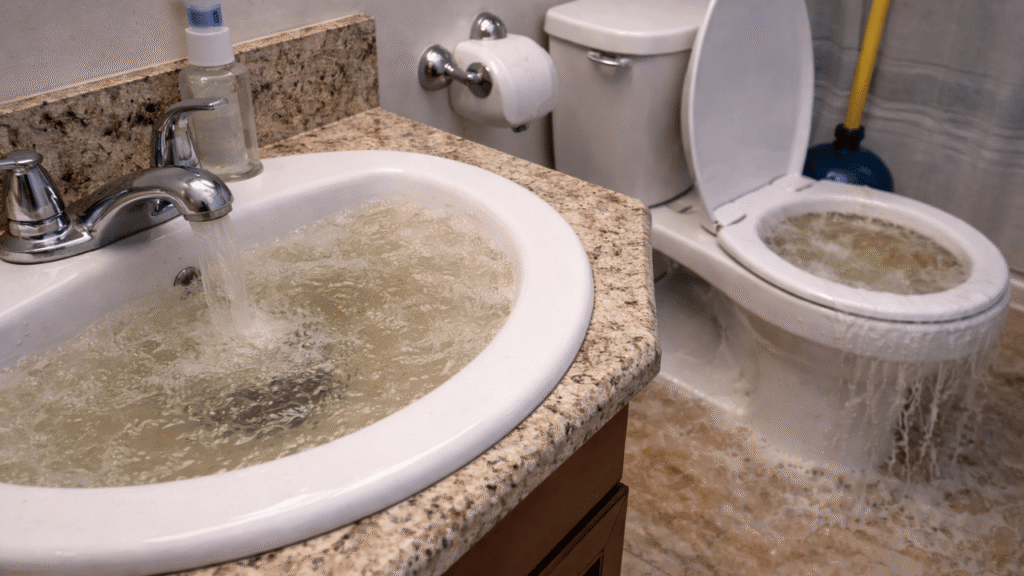
A bubbling toilet by itself isn’t going to flood your house tonight. The water in the trap still seals out sewer gas, and the bowl can still flush. But it is a sign that the plumbing system is under stress, and bubbling problems tend to escalate. A partial main-line clog today becomes a complete blockage in a few weeks, which becomes raw sewage backing up through your shower drain.
Stop flushing immediately if any of these are happening:
- Water rises in the bowl instead of going down
- Water backs up into a tub, shower, or sink when you flush
- Multiple fixtures are gurgling at the same time
- You smell sewage anywhere inside the house
- The bubbling started right after a heavy storm and isn’t clearing
These signal a downstream blockage that more flushing will only make worse. At this point, call a licensed plumber for sewer service and don’t run any more water in the house until it’s resolved.
Can a Bubbling Toilet Fix Itself?
Sometimes but only in two scenarios:
- Weather-related issues. If the bubbling started after a hard freeze (vent stack iced over) or a major storm (saturated ground), the symptom usually resolves once conditions return to normal.
- A small clog that finally clears. Occasionally a partial clog softens or breaks free on its own, especially after a few high-volume flushes.
In every other case, the answer is no. A vent blocked by a bird’s nest doesn’t unclog itself. Tree roots in your sewer line don’t retreat. Mineral buildup in old pipes doesn’t dissolve. If the bubbling has been there for more than a few days and you can’t tie it to weather, something is physically wrong, and waiting will only make the eventual fix more expensive.
My Toilet Bubbles, But It’s Not Clogged , What Then?
If the toilet flushes normally, the water drains away, and there are no visible signs of a backup yet it still bubbles every time the cause is almost always venting. Either the roof vent stack is partially blocked, or the bathroom was never properly vented to begin with (cause #7). Run the bucket test from above to confirm the toilet itself isn’t restricted, then inspect the vent or call a plumber to do it.
DIY Fixes in Order of What to Try First
Work through these in sequence. Most homeowners solve the problem before reaching step 4.
Step 1
Free fixes. Pour two or three pots of boiling water down the bowl. Then add half a cup of baking soda followed by half a cup of white vinegar. Let it fizz for 20 to 30 minutes, then flush with hot water.
Step 2
Plunge properly. Use a flange plunger, ensure good water coverage over the rubber, expel air with slow first strokes, then plunge hard 15 to 20 times. Repeat three or four cycles.
Step 3
Auger the toilet. Use a closet auger (not a standard drain snake the closet version is shaped to navigate the toilet trap without scratching the porcelain).
Step 4
Snake the branch drain. Pull the toilet if needed, or access from a cleanout, and run a longer drain snake to clear the branch line.
Step 5
Check the vent. Inspect from the roof for obvious blockages.
Step 6
Call a pro. If you’ve tried everything above and the bubbling keeps coming back, you’re past DIY territory.
Mistakes That Make a Bubbling Toilet Worse
- Dumping chemical drain cleaners. Sodium hydroxide and similar products generate heat that can crack older cast iron pipes, damage PVC joints, and accelerate corrosion in galvanized lines. They also rarely solve venting issues, which is what most bubbling really is.
- Repeatedly flushing. If the bowl is bubbling because of a downstream blockage, every flush adds water to a system that can’t handle it. Eventually that water has to come out somewhere and it won’t be where you want it.
- Ignoring it because the toilet “still flushes.” Bubbling is a leading indicator, not a final warning. The actual backup comes later.
- Skipping the vent. Most homeowners only think about the drain. Half the time the real fix is on the roof.
When to Call a Licensed Plumber
DIY makes sense for partial clogs, simple vent debris, and minor branch-line blockages. But certain symptoms mean it’s time to bring in a professional with a camera and the right equipment:
- Bubbling is showing up at multiple fixtures
- Water backs up when you flush
- The problem returns within a few days of clearing it
- You smell sewage indoors or outdoors near a septic field
- Your home has older galvanized or cast iron lines and you’ve never had a camera inspection
- You’re on septic and the bubbling started recently
A proper diagnosis usually involves a sewer camera inspection to locate the exact cause and depth of any blockage or pipe damage. From there, a licensed plumber can recommend the most cost-effective fix which today is often trenchless repair rather than digging up the yard. In Texas, always verify that the plumber holds a valid license through the Texas State Board of Plumbing Examiners before hiring.
How to Prevent a Bubbling Toilet From Coming Back
Once the immediate issue is resolved, simple habits keep it from returning:
- Flush only the three Ps: pee, poop, and (toilet) paper. “Flushable” wipes are the leading cause of branch-line clogs in DFW homes.
- Run hot water down each drain weekly. A few gallons is enough to break down soap and grease buildup before it accumulates.
- Use an enzyme-based drain cleaner monthly. Products like BioClean or Green Gobbler use bacteria to digest organic buildup. They’re safe for septic systems and don’t damage pipes the way chemical cleaners do.
- Install a vent screen on the roof vent. A simple $10 to $20 cap keeps leaves, debris, and small animals out. Inspect once a year, especially after storms and in autumn.
- Trim trees near your sewer line. Tree roots are the number one cause of main-line failure in North Texas. The U.S. EPA also has good general guidance on septic system care if you’re on septic.
- Get a camera inspection on older homes. If your house is more than 40 years old and you’ve never had the sewer line scoped, do it once. It pays for itself the first time it catches a developing problem early.
For step-by-step help with specific drain blockages, our guide on main sewer line clog repair walks through the diagnostic process in more detail.
Frequently Asked Questions
Why is my poop bubbling in the toilet when I flush?
What you are seeing is trapped air pushing up through the water in the bowl, carrying whatever is in the bowl with it. The waste is not the cause. A partial clog, a blocked roof vent, or a restriction further down the drain is forcing air back up through the easiest opening, which is the toilet. Clear the clog or vent and the bubbling stops.
Why is the toilet bubbling but not clogged?
A toilet that bubbles yet still drains normally almost always has a venting or pressure problem, not a blockage in the toilet. The usual causes are a blocked vent stack on the roof or a clogged tub or sink sharing the same drain line. Check whether the bubbling happens when another fixture is used; that points to the real source.
Why does my toilet gurgle when I flush?
Gurgling is the sound of air being pulled back through the water in the bowl because the drain cannot breathe. It means the same thing as bubbling: a partial clog, a blocked vent, or a main line restriction is disrupting airflow. A single gurgling toilet is usually local; gurgling at several fixtures points to the main sewer line.
My toilet bubbles when I run the shower or sink. Why?
Your toilet and that fixture share a drain line. When the other fixture is clogged or draining slowly, it changes the pressure in the shared pipe, and the toilet bowl is where the displaced air escapes. Clear the slow drain at the other fixture and the toilet bubbling stops.
When should I call a plumber for a bubbling toilet?
Call a plumber if bubbling shows up at more than one fixture, keeps returning after you clear it, or is paired with slow drains, bad odors, or sewage backing up. Those signs point to a main sewer line problem, not a simple clog. Nuflow DFW (RMP# 46694) offers camera diagnosis across the Dallas-Fort Worth area, Monday to Friday, 9 to 6, at (469) 701-0597.