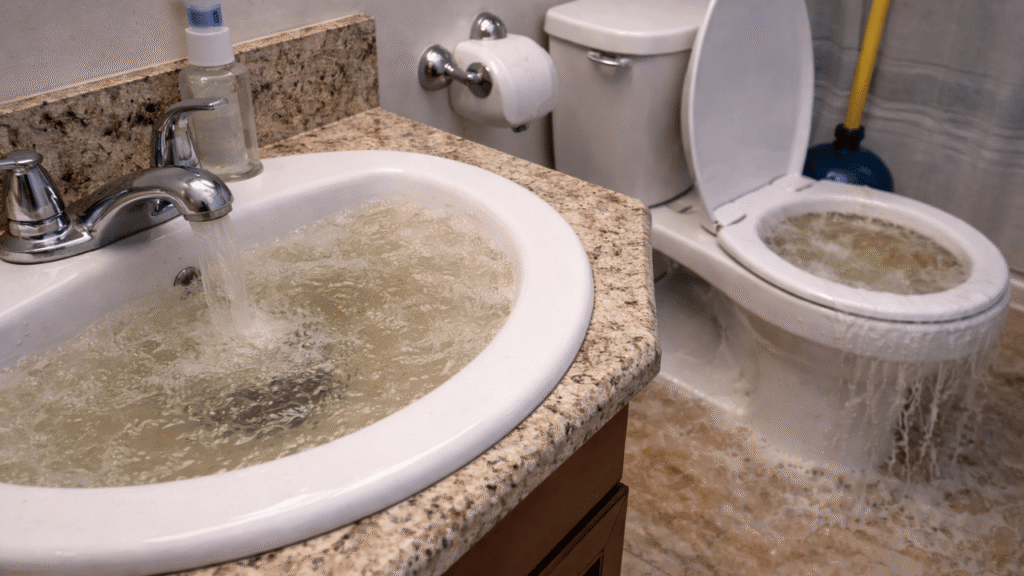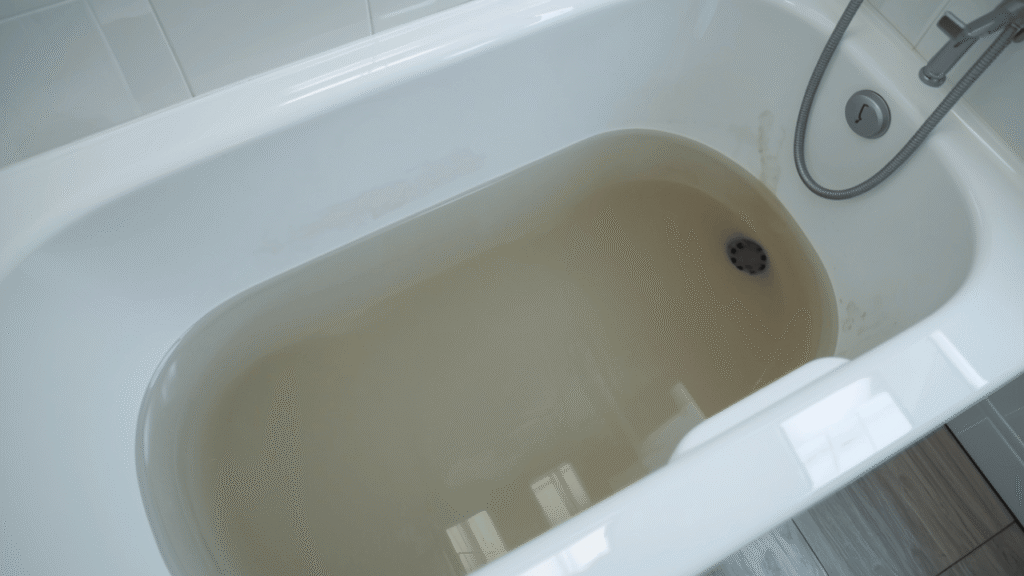
Sewage backing up into your bathtub almost always means a clog in your main sewer line, not a problem with the tub itself. The tub sits at the lowest point in the bathroom, so when the main line backs up, waste has nowhere to go but up through the lowest drain. If it is happening, stop using water in the house and treat it as a real problem, because it usually will not clear on its own.
It is an alarming thing to walk in on. Dirty water, sometimes actual waste, sitting in a tub you did nothing to. The cause is usually understandable and fixable once you know what you are looking at. This walks through what to do in the moment, why it happens, how to tell a simple clog from a serious one, and when it is time to call someone.
First, What to Do Right Now
Stop running water anywhere in the house. Every flush, sink, shower, and load of laundry sends more water toward a line that already cannot handle it, which makes the backup worse. If the tub is filling, that water has to go somewhere, and right now it is coming back to you.
Keep away from the water itself. Raw sewage is a genuine biohazard, carrying bacteria and viruses, so keep kids and pets out of the bathroom and do not touch it with bare skin. Open a window or run the vent fan. If you have to be near it, wear gloves. Do not reach for chemical drain cleaner, because on a main-line clog it does nothing useful and leaves caustic liquid sitting in standing water.
Why the Bathtub Specifically
Your home’s drains all feed into one main sewer line that carries waste out to the city sewer or septic tank. Water flows downhill through that system. When the main line clogs, waste backs up and escapes at the lowest opening it can find, and in most homes that is the bathtub or shower drain on the ground floor, which sits lower than the toilet or sinks.
This is also the fastest way to tell how serious the problem is. If only the tub is slow or backed up, the clog is likely in that one branch line serving the tub. If the tub backs up when you flush the toilet, or the toilet and tub are both affected, or a backup shows in the shower too, the problem is in the shared main line downstream. Multiple fixtures acting up together points to the main line every time.
The Common Causes, Most Likely First
A few things cause the majority of these backups, and they leave different clues.
The most common by far is a main line clog from things that should not be flushed. So-called flushable wipes are the biggest offender, along with paper towels, feminine products, and grease that hardened downstream. On real jobs, clearing a bathtub backup often pulls back a wad of wet wipes and paper toweling knotted up in the line. These do not break down like toilet paper, and they catch everything behind them.
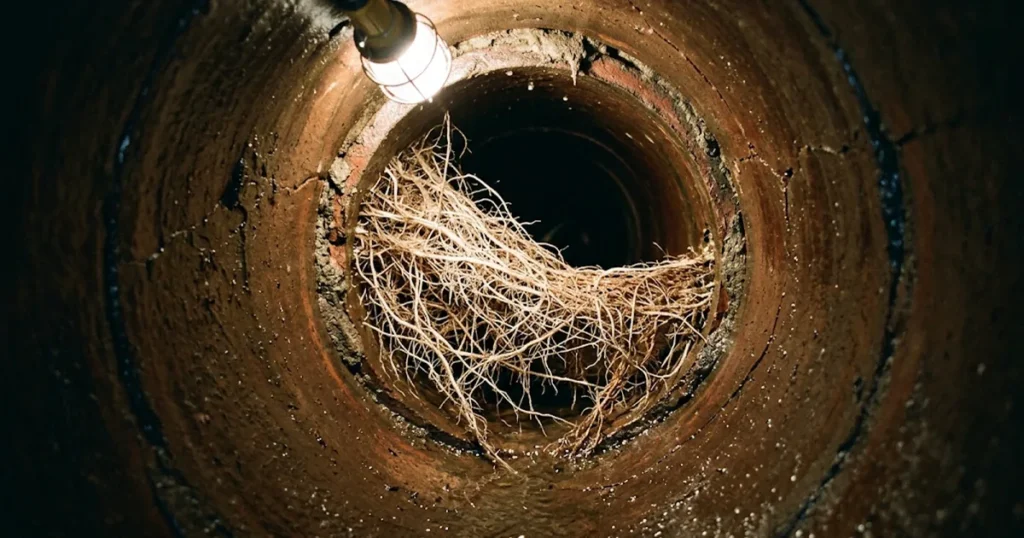
Tree root intrusion is the next big one, especially in older DFW neighborhoods with mature trees. Roots seek the moisture in sewer pipes, work in through cracks and joints, and grow into a mesh that snags waste. This is common in homes built before the 1980s running cast iron or clay pipe.
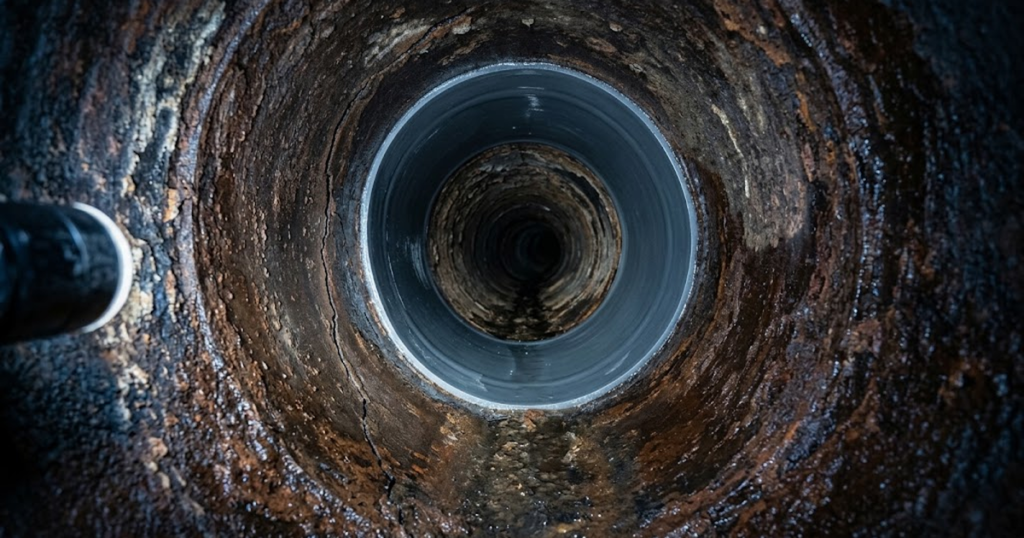
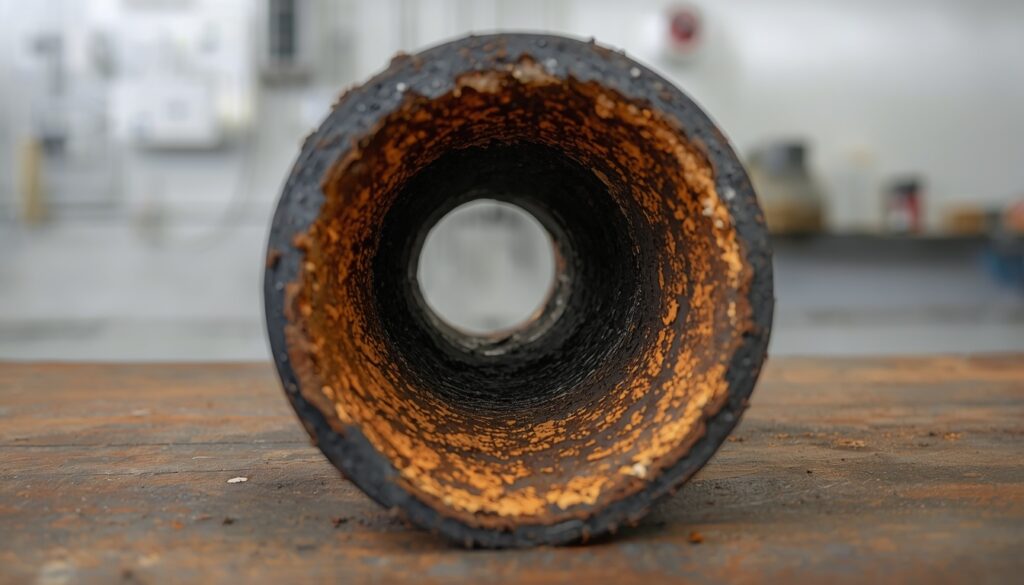
Aging or collapsed cast iron pipe causes backups in older homes across the Metroplex. Cast iron installed decades ago corrodes from the inside, narrows, and eventually cracks or sags into a low spot, called a belly, that collects waste. A sewer camera inspection is the only way to confirm this, because it shows the pipe’s actual condition from the inside.
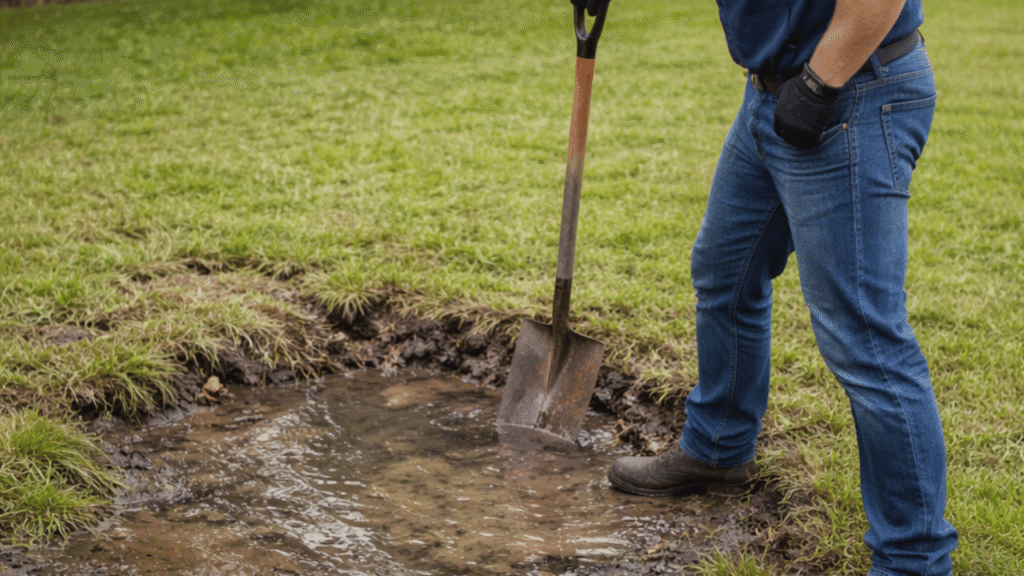
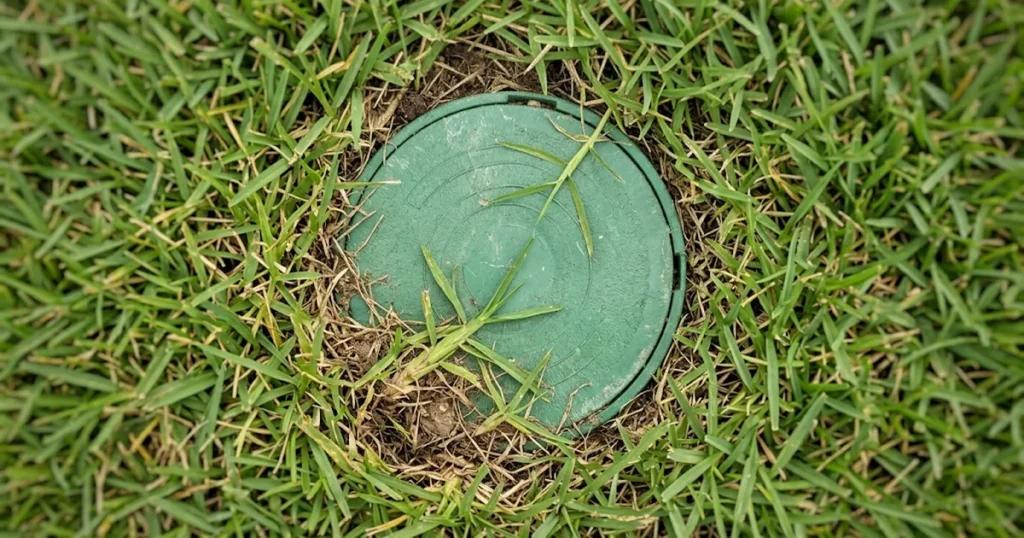
A city sewer or septic problem is less common but worth knowing. If the blockage is on the city’s side of the connection, several homes may be affected at once, and it is the city’s responsibility. With a septic system, a full or failing tank backs up into the house the same way.
Can I Fix This Myself?
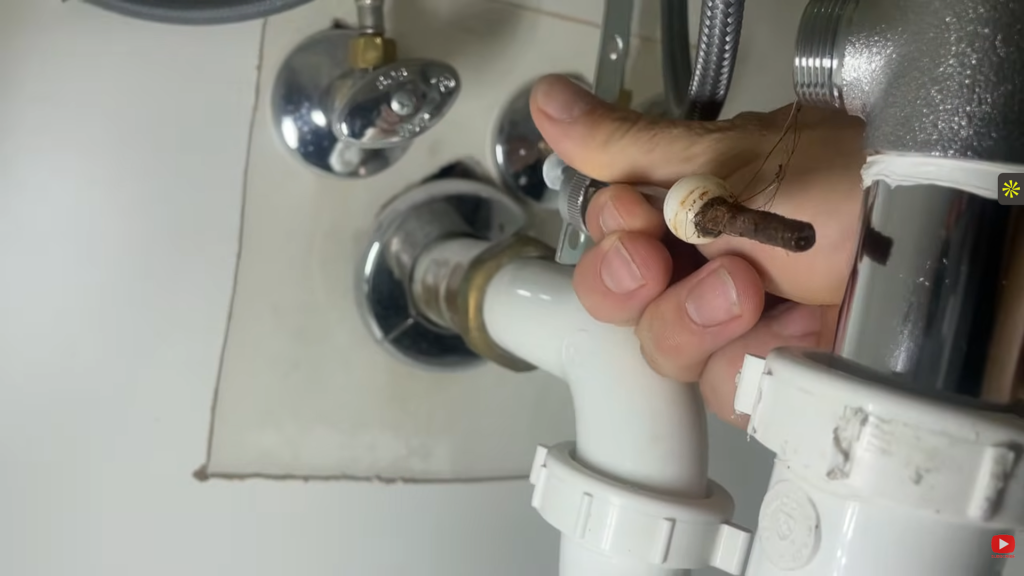
Here is the honest line, because it matters. A tub that is draining slowly with clean water is usually a local clog you can handle: hair and soap scum in the branch line. Pulling the overflow cover and fishing out the gunk, or running a hand snake down through the overflow opening rather than the drain, clears most of those. Plunging can work too, but seal the overflow opening first with a wet rag, or the pressure just escapes.
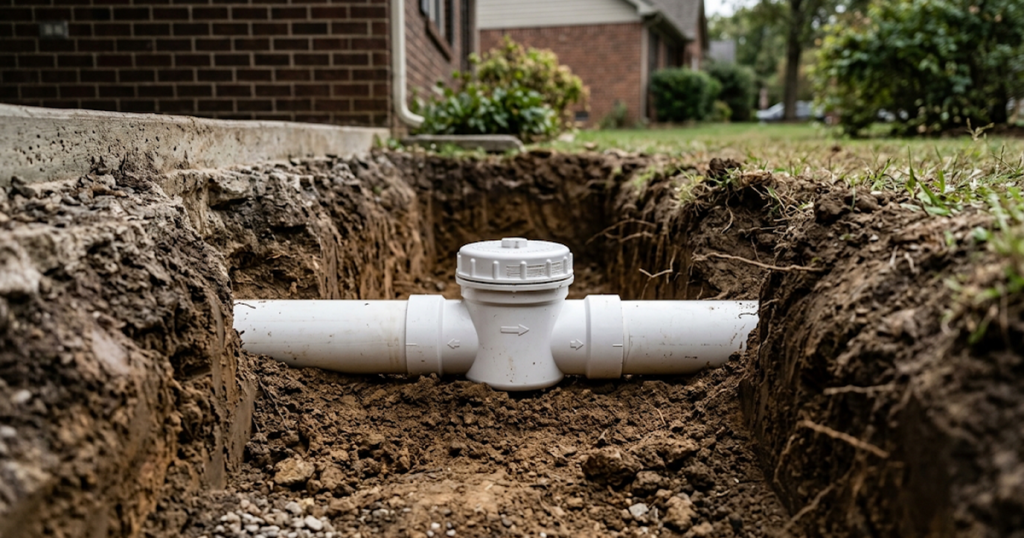
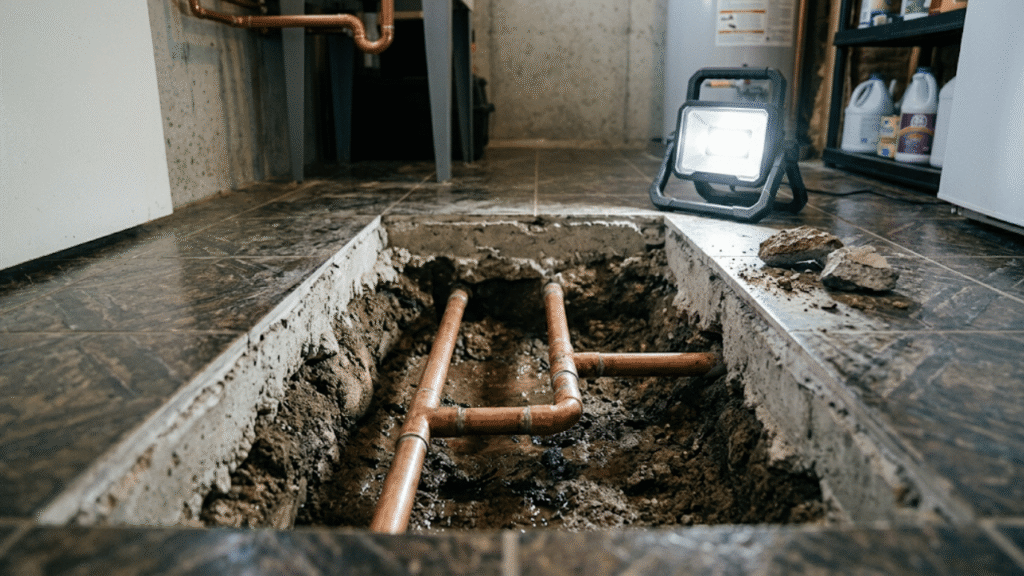
Actual sewage coming up into the tub is a different situation. That is a main-line problem, and the DIY tub tricks will not reach it. A deep main-line blockage needs a plumber’s powered equipment run from the proper cleanout, and sometimes professional drain cleaning or hydro jetting to fully clear the line. Snaking pokes a hole through the clog; hydro jetting cleans the pipe wall so it does not clog again as fast. Forcing a home tool at a main-line backup usually just makes a mess.
When to Call a Plumber Right Away
Some of these can wait a day for a scheduled visit. Many cannot. Call promptly if raw sewage is actually surfacing, if more than one fixture is backed up, if the backup keeps returning after you clear it, or if there is standing waste water you cannot stop. These point to a main-line problem that only gets worse and more expensive the longer it sits, and sewage in the home is a health issue on top of a plumbing one.
The CDC’s guidance on standing water and sewage is worth a look for handling the cleanup safely afterward, since contaminated surfaces need proper sanitizing, not just wiping up. Anything the water touched, and the tub itself, should be disinfected before normal use. If the backup spread past the tub, read whether it is safe to stay in a house after a sewage backup.
What It Costs to Clear in DFW
Clearing a backed-up line depends on the cause and how deep it sits. Drain Cleaning starts at $150+ and Hydro Jetting starts at $350+ (as of Q2 2026). If a camera inspection is needed to find a root mass or collapsed section, Camera Inspection starts at $250+ (as of Q2 2026). Final cost depends on the blockage, the line, and access. The reason to deal with it rather than wait is that a recurring backup usually signals something structural, roots or a failing pipe, that keeps returning until the line itself is addressed.
How to Keep It From Happening Again
Most of these backups trace to what goes down the drain. Flush only toilet paper and human waste, and skip the wipes entirely, even the ones labeled flushable, since those are the single most common cause we pull out of blocked lines. The EPA advises throwing wipes in the trash, not the toilet, because they do not break down like toilet paper. Keep grease out of kitchen drains. If you have mature trees and an older home, a camera inspection every couple of years catches root intrusion before it becomes a backup.
Frequently Asked Questions About Sewage Backing Up Into a Bathtub
Is sewage backing up into the bathtub an emergency?
Usually yes, if raw sewage is surfacing or multiple fixtures are backed up. That points to a main sewer line blockage that will worsen with continued water use, plus sewage is a biohazard indoors. Stop using water and call a plumber. A single slow-draining tub with clean water is less urgent.
Why is sewage backing up into my bathtub and not the toilet?
The bathtub or shower drain usually sits lower than the toilet, so when the main line backs up, waste escapes at the lowest opening first. That is the tub. If the toilet and tub are both affected, the clog is in the shared main line downstream of both fixtures.
Can I fix a sewage backup in my bathtub myself?
A slow-draining tub with clean water is often a DIY fix, using the overflow to snake out hair and soap scum. Actual sewage backing up is a main-line problem that needs a plumber’s powered equipment run from the cleanout. Home tools cannot reach or clear a deep main-line blockage.
How much does it cost to clear a bathtub sewage backup in DFW?
Drain cleaning starts at $150+ and hydro jetting starts at $350+ (as of Q2 2026). If a camera inspection is needed to locate roots or a collapsed pipe, that starts at $250+. Final cost depends on the cause, the depth of the clog, and line access, so a quote follows a look.
What should I never flush to prevent this?
Never flush wipes, even flushable ones, paper towels, feminine products, cotton products, or grease. Wipes are the most common cause of main-line clogs that back up into tubs, because they do not break down like toilet paper and snag everything behind them. Only toilet paper and human waste belong in the drain.
The Bottom Line
If sewage is coming up into your tub, the single most useful move is to stop running water everywhere and figure out whether one fixture or several are affected. One slow tub with clean water is often a simple clog. Sewage surfacing, or multiple fixtures backing up together, means the main line, which needs proper equipment and a look inside the pipe to solve for good.
Nuflow DFW is licensed by the Texas State Board of Plumbing Examiners (RMP# 46694) and clears main-line backups across the Dallas-Fort Worth Metroplex, available 24/7. Call (469) 701-0597 if the backup keeps returning or you cannot stop the water.