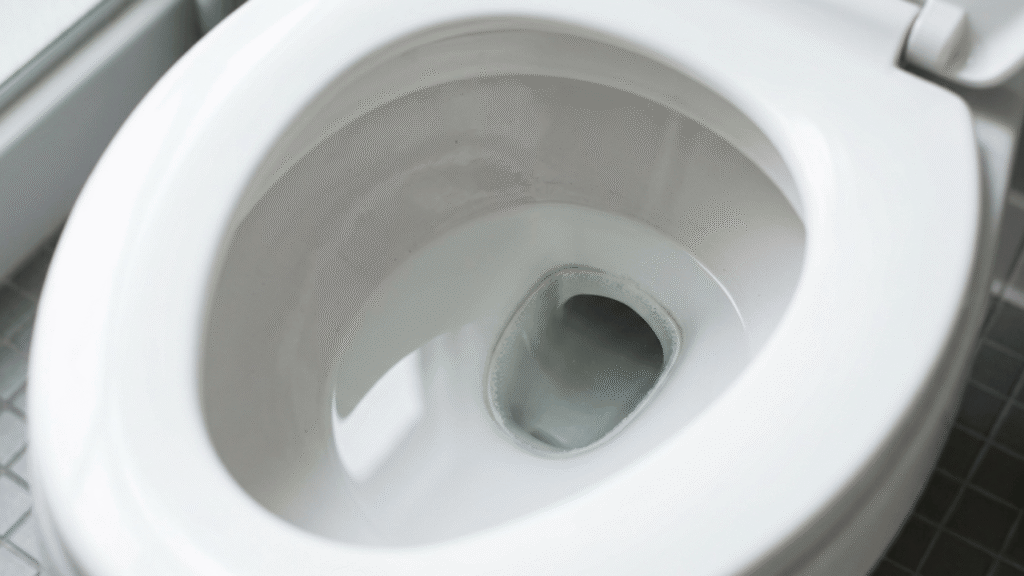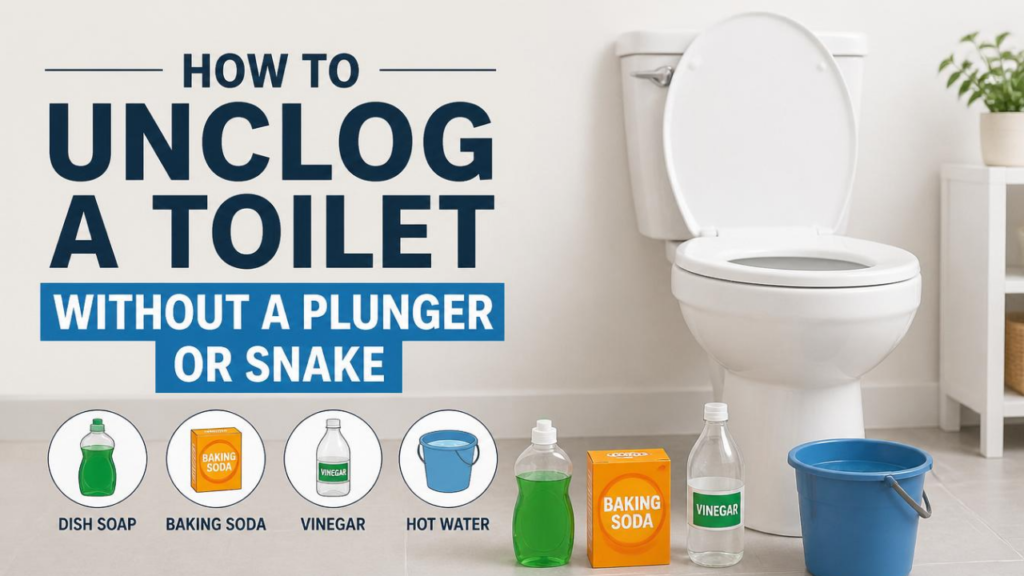
To unclog a toilet without a plunger, pour about half a cup of liquid dish soap into the bowl, add a gallon of hot (not boiling) water, and wait 15 to 20 minutes before flushing. The soap lubricates the clog and the hot water helps break it apart. Most soft toilet clogs clear with no plunger and no snake.
That trick handles the everyday clogs caused by too much toilet paper or waste. Below are six methods you can try with items already in your home, listed in the order Nuflow DFW suggests trying them. You will also see what to avoid and the warning signs that a clog is really a deeper drain or sewer line problem.
Before You Unclog the Toilet, Shut Off the Water
Before you try to unclog a toilet without a plunger, take one minute to prevent an overflow. A clogged bowl can rise and spill the moment you add water or flush again, and an overflow turns a small job into water damage.
Find the small shutoff valve on the water supply line behind or beside the toilet base. Turn it clockwise to stop the water. If the bowl is already near the rim, wait a few minutes for the level to drop before you start. Put down old towels to protect the floor, and wear rubber gloves.
Method 1: Dish Soap and Hot Water
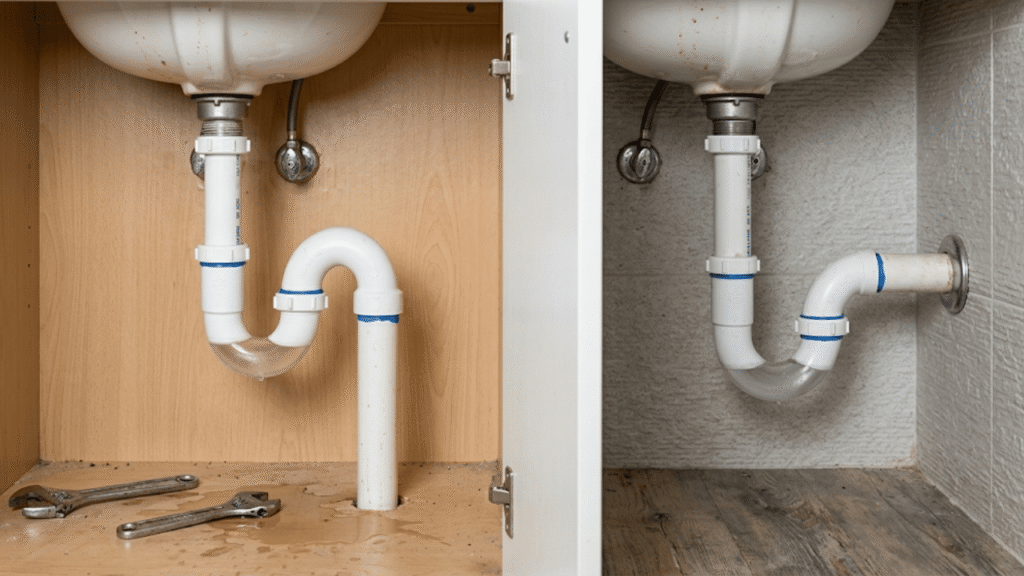
Dish soap is the most reliable no-tool fix. The soap coats and emulsifies the toilet paper and waste sitting in the toilet trap, which lets the clog slide through the porcelain instead of staying stuck.
- Squirt a quarter to half a cup of liquid dish soap into the bowl.
- Heat about a gallon of water until it is hot but not boiling. Water from a tap that is too hot to touch works fine.
- Pour the hot water into the bowl from about waist height so it adds a little force.
- Wait 15 to 20 minutes so the soap can work down into the trap.
- Flush. If the water drains slowly, repeat once.
If you have shampoo or body wash but no dish soap, those can work in a pinch because they are also slippery.
Method 2: Baking Soda and Vinegar
This is the classic home remedy for a clogged toilet, and the fizzing reaction helps break down organic waste without harsh chemicals.
- Pour 1 cup of baking soda into the bowl.
- Slowly add 2 cups of white vinegar. It will fizz right away.
- Let it sit and fizz for about 30 minutes.
- Add a gallon of hot water and wait another 10 minutes.
- Flush.
Method 3: A Bucket of Hot Water From Waist Height
Sometimes the weight and force of falling water is enough to push a soft clog through on its own.
- Fill a bucket with about a gallon of hot (not boiling) water.
- Pour it into the bowl in one steady stream from waist height.
- The force of the water often shifts the clog free.
- Wait a few minutes, then repeat if the water is still draining slowly.
Method 4: A Wire Coat Hanger (the No-Snake “Snake”)
A padded wire hanger reaches and breaks up a shallow clog like a small auger, so you can clear a toilet with no snake on hand.
- Unwind a wire coat hanger and straighten it out.
- Wrap a small rag or some tape around the end so the bare wire cannot scratch the porcelain.
- Push the padded end gently into the drain hole and twist to break up the clog.
- Flush.
Be gentle and do not force it. A hanger reaches a clog near the bowl, but it cannot reach a blockage deeper in the line.
Method 5: A Wet/Dry Vacuum
A wet/dry shop vacuum can pull a clog up and out. Use only a wet/dry vacuum, never a regular household vacuum, which is not built for water and creates a shock risk.
- Vacuum the standing water out of the bowl first.
- Wrap an old towel around the hose to make a tight seal at the drain opening.
- Hold it in place and run the vacuum for a few seconds to draw the clog up.
- Flush.
Method 6: An Enzyme Cleaner Overnight
Enzyme and bacterial cleaners break down organic waste over several hours and are safe for both pipes and septic systems.
- Pour the enzyme product into the bowl as directed on the label.
- Leave it overnight.
- Flush in the morning.
Enzyme cleaners dissolve paper and waste, so they will not move a solid object such as a toy or a toothbrush. For that, you need a hanger, a vacuum, or a plumber.
What Not to Do When Unclogging a Toilet
A few common moves make things worse:
- Do not pour boiling water into the bowl. The sudden heat can crack the porcelain. Hot tap water is enough.
- Do not reach for chemical drain cleaners made for sinks and tubs. They tend to sit in the toilet trap without clearing it, and they can damage older pipes and burn skin and eyes.
- Do not keep flushing a clogged toilet. Each flush adds more water with nowhere to go, and the next stop is your floor.
- Do not poke at the bowl with a bare metal hanger end. It scratches the porcelain permanently.
When DIY Will Not Work, and It Is Time to Call a Plumber
Some clogs are not really toilet clogs, and no amount of dish soap will fix them. Call a licensed plumber when you notice any of these signs:
- More than one fixture backs up. If the tub gurgles or the sink backs up when you flush, the blockage is in the main drain or sewer line, not the toilet.
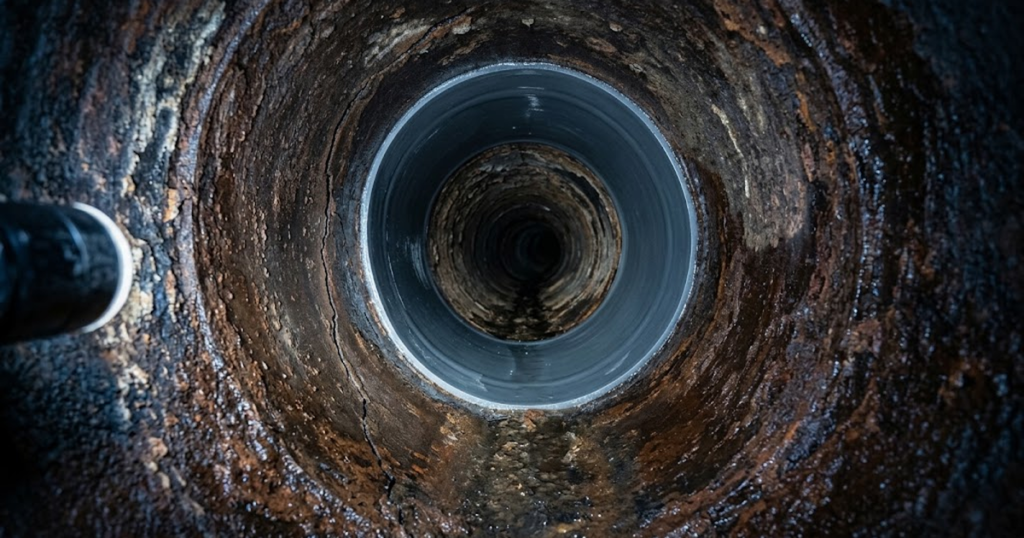
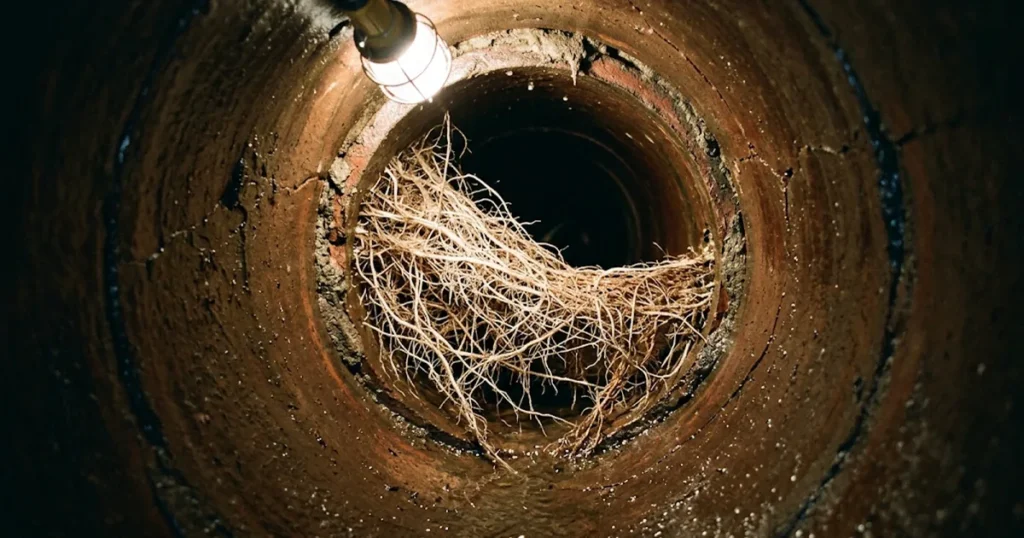
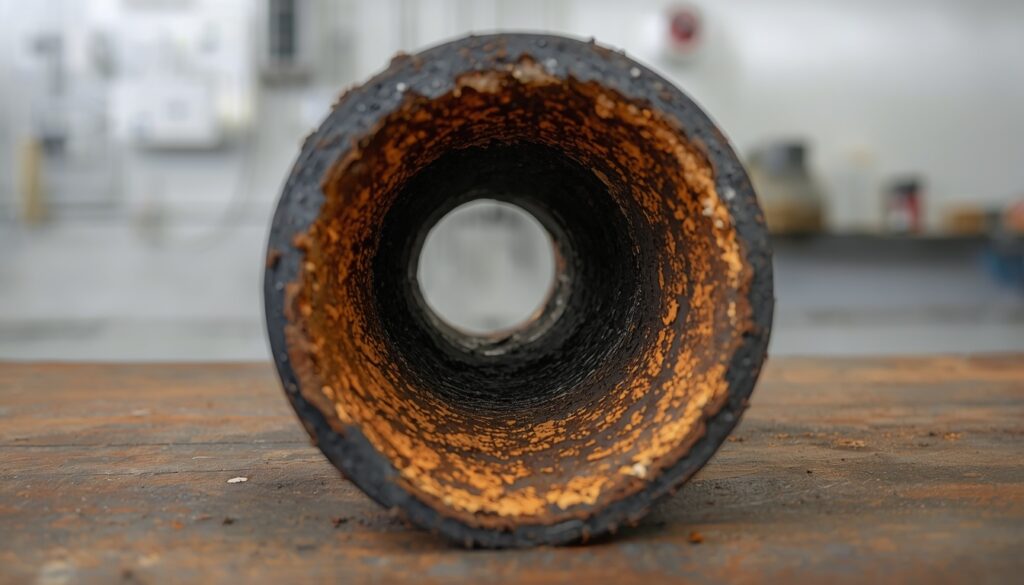
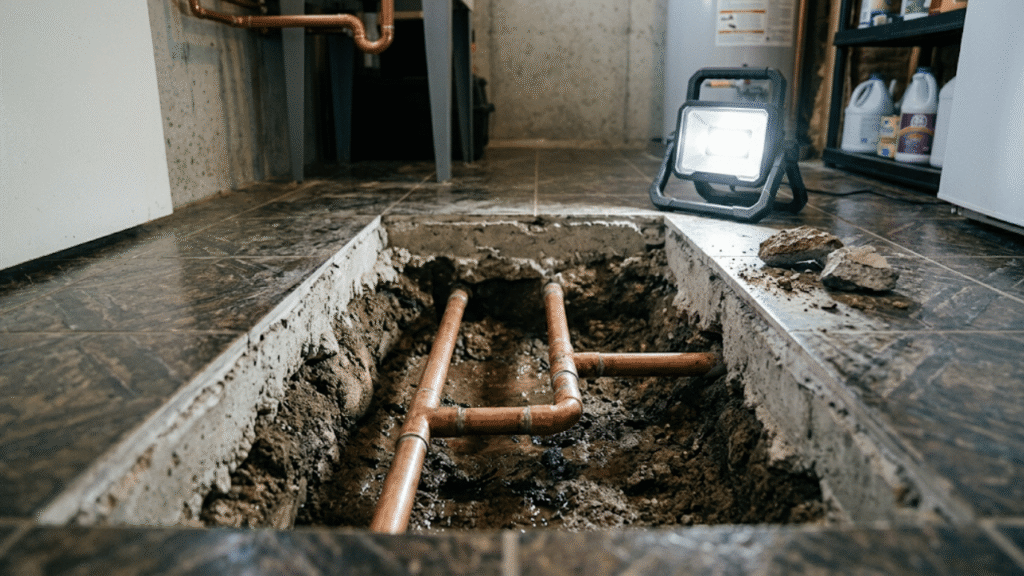
- The same toilet clogs again and again. A repeat clog often points to a partial blockage further down the line, such as tree roots or scale buildup inside an older cast iron pipe.
- You smell sewer gas or hear gurgling from nearby drains.
- A solid object has gone down the bowl. Soap and water will not move a toy or a toothbrush.
- You have tried two or three methods and the water still will not drain.
Nuflow DFW is a licensed Texas Master Plumber (RMP# 46694) and handles these deeper problems across the Dallas-Fort Worth area. That includes drain cleaning for stubborn blockages and a sewer camera inspection to find the exact cause when a toilet keeps clogging. If the toilet itself is cracked, running, or flushing weakly, our toilet repair page covers those fixes. Same-day and 24/7 help is available at (469) 701-0597.
How to Prevent Future Toilet Clogs
Most clogs are avoidable with a few habits:
- Flush only toilet paper and human waste. The EPA recommends flushing only toilet paper because wipes (even ones labeled flushable), paper towels, and hygiene products do not break down and cause backups.
- Use less paper per flush, or flush twice for larger loads instead of one big wad.
- Keep small objects and kids’ toys away from an open bowl.
- If you have an old, weak-flushing toilet, a high-efficiency WaterSense labeled toilet uses less water per flush and tends to clog less often.
- Run an enzyme cleaner through the toilet about once a month as light maintenance.
Frequently Asked Questions
What can you pour down a toilet to unclog it?
Pour about half a cup of liquid dish soap into the bowl, then add a gallon of hot (not boiling) water. The soap lubricates the clog and the hot water helps break it apart. Wait 15 to 20 minutes, then flush. Baking soda and white vinegar work as a second option.
What breaks down poop in a toilet overnight?
An enzyme or bacterial drain cleaner breaks down organic waste like toilet paper and human waste overnight. Pour it in as directed, leave it until morning, then flush. Enzyme cleaners are safe for pipes and septic systems, but they will not move a solid object such as a toy.
Will dish soap really unclog a toilet?
Yes, for most soft clogs. Dish soap coats the waste in the toilet trap and helps it slide through, especially with hot water added on top. Give it 15 to 20 minutes to work. If the water still will not drain after two tries, the clog is probably deeper in the line.
Can I use Drano or a chemical drain cleaner in a toilet?
It is not recommended. Most chemical drain cleaners are made for sink and tub drains, and they tend to sit in the toilet trap without clearing the clog. They can also damage older pipes and cause burns. Dish soap, hot water, or an enzyme cleaner are safer choices for a toilet.
How do you unclog a toilet without a plunger or a snake?
Use household items instead. Dish soap with hot water is the easiest, followed by baking soda and vinegar, a bucket of hot water poured from waist height, a padded wire coat hanger, a wet/dry vacuum, or an overnight enzyme cleaner. Start with the dish soap method.
Why does my toilet keep clogging even after I clear it?
A toilet that clogs again and again usually has a problem past the bowl, such as a partial blockage, tree roots, or buildup in an older line. If other drains gurgle or back up at the same time, the main sewer line is likely involved and needs a plumber to inspect it.
Is it safe to use a wire hanger in a toilet?
Yes, as long as you pad the end first. Wrap a rag or tape around the tip of a straightened hanger so the bare wire does not scratch the porcelain, then work it gently into the drain. Do not force it. A hanger reaches shallow clogs but cannot reach a blockage deep in the line.