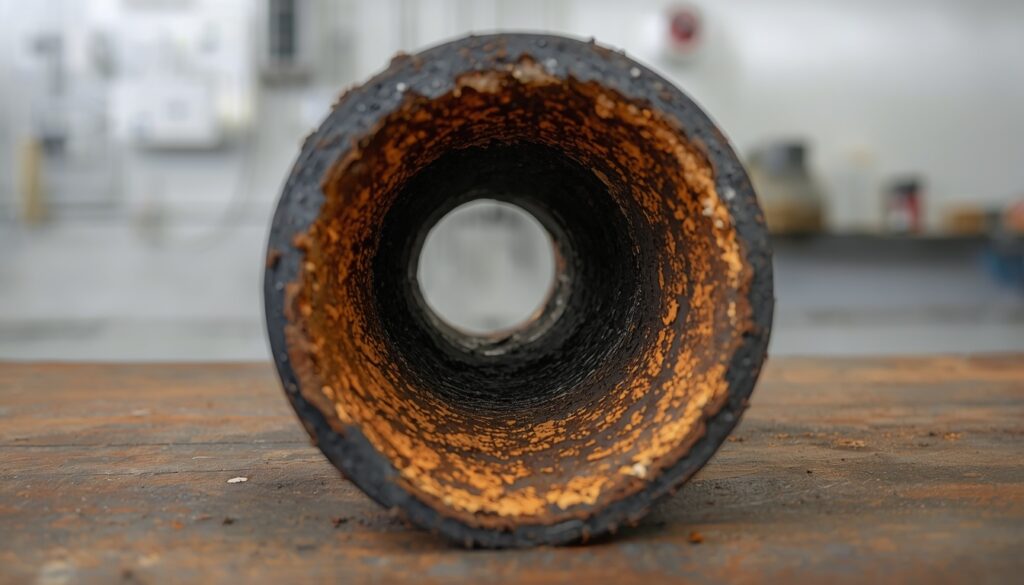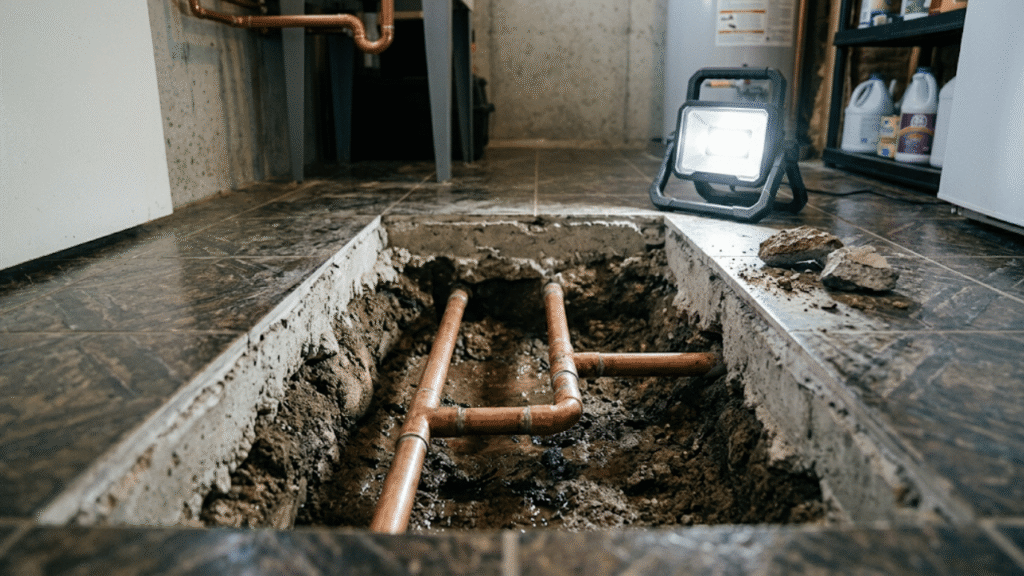
Your sewer line is breaking down. You call a plumber, and they hit you with a scary quote. They want to dig up your yard, tear out your driveway, and leave you with a mess that takes weeks to fix. But there’s a better way i.e get pipe bursting instead.
Pipe bursting is a trenchless pipe replacement method. It swaps out your old sewer line without ripping up your property. And it’s catching on fast. The Water Research Foundation reports that trenchless methods can cut total project costs by 30 to 40 percent compared to traditional digging.
If you’ve been wondering what pipe bursting is and whether it’s the right call for your home you’re in the right place. We’ll walk you through how the process works, what it costs in 2026, and how it stacks up against other trenchless sewer repair options like pipe lining.
What Is Pipe Bursting?
So what is pipe bursting, exactly? It’s a trenchless pipe replacement method. A plumber pulls a cone-shaped tool called a bursting head through your old sewer line. The head breaks the old pipe apart. At the same time, it pulls a brand new HDPE pipe into place behind it.
All of this happens underground. No long trenches. No wrecked landscaping of your backyard.
The result? You get a seamless, joint-free pipe built to last around 100 years. And the whole job usually wraps up in one to three days, not the week or more a traditional dig takes.
How Does Pipe Bursting Work?
Pipe bursting sounds complex. But once you see the steps, it’s pretty simple. The whole process comes down to five clear stages, and a good crew can knock it out in just a couple of days.
Here’s exactly how it goes down, from the first camera drop to the final backfill:
Camera Inspection of the Old Line
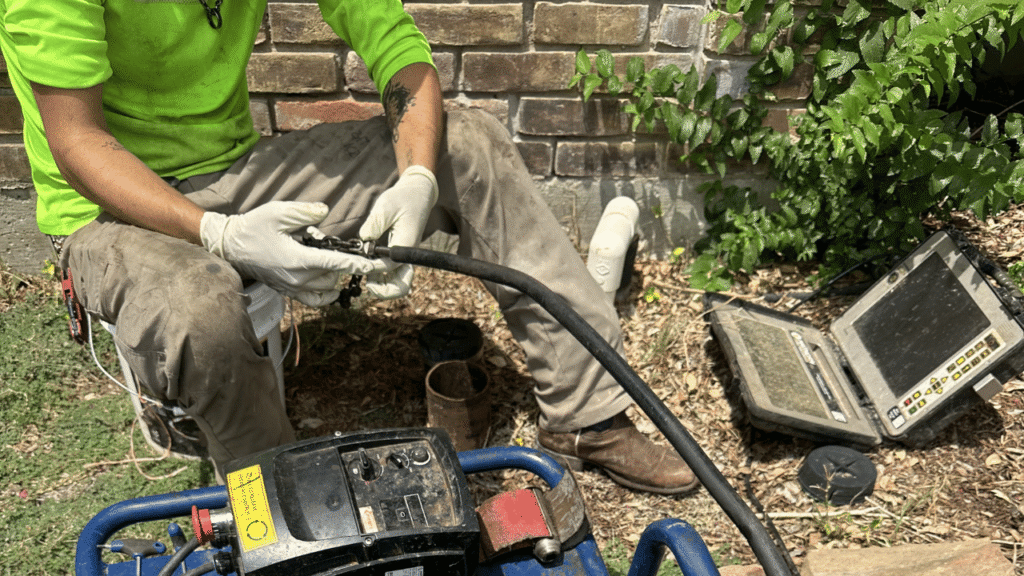
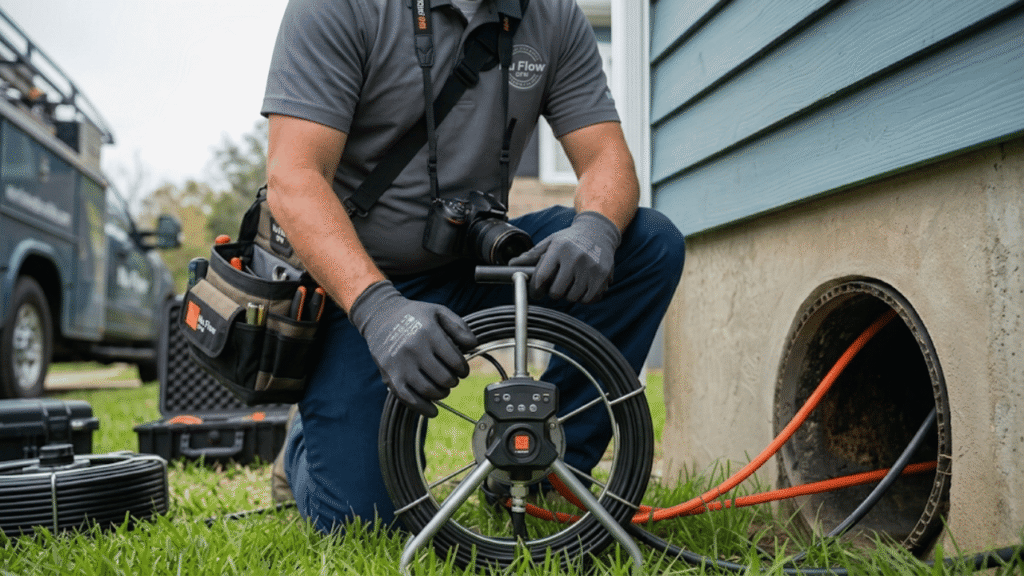
First, the plumber runs a small camera through your sewer line. This shows them the exact damage, the pipe material, and any tricky spots like sharp bends or full collapses. Skip this step, and you’re flying blind. A good contractor will always inspect before they quote.
Digging Two Small Access Pits
Next, the crew digs two small pits. One at each end of the damaged sewer line. That’s it. No long trench. No torn-up driveway. Just two access points, usually about the size of a small hot tub, so the equipment has somewhere to enter and exit.
Pulling the Bursting Head Through
This is the main event. A steel cable gets fed through the old pipe from one pit to the other. The bursting head attaches to the cable, and a hydraulic machine pulls it through the line. As the head moves, it shatters the old pipe and pushes the broken pieces out into the surrounding soil. Loud? A little. Messy above ground? Not at all.
Installing the New HDPE Pipe
Here’s the clever part. The new HDPE pipe is already attached to the back of the bursting head. So as the head breaks the old pipe, it drags the new one right into place behind it. One pass. Old pipe out, new pipe in. HDPE is fused together in one long, seamless piece before the pull starts. That means no joints, no weak spots, and no leaks down the road.
Reconnecting, Testing, and Backfilling
Once the new pipe is through, the crew connects it to your home’s plumbing on one end and the city main on the other. Then they run a final camera inspection to make sure everything is flowing right. If it all checks out, they fill in the two pits, patch the surface, and they’re done.
What Pipes Can (And Can’t) Be Burst?
Pipe bursting isn’t a one-size-fits-all fix. It works great on some pipe materials. On others, it falls flat. The good news is that most old sewer lines in American homes are perfect candidates for bursting.
Here’s a quick breakdown of what works and what doesn’t:
Pipes That Can Be Burst
- Clay: brittle and easy to shatter
- Cast iron: the bursting head cracks it right open
- Concrete (non-reinforced): fractures cleanly under pressure
- PVC: breaks apart without much trouble
- Orangeburg: the old tar-paper pipes from the 1940s to 1970s
- Asbestos cement: common in older homes, easy to burst
These materials have one thing in common. They’re brittle enough to shatter when the bursting head pushes through. That’s exactly what you want.
Pipes That Can’t Be Burst
- HDPE: too flexible, it bends instead of breaking
- Ductile iron: too tough for the bursting head to fracture
- Heavily reinforced concrete: the rebar won’t give way
- Steel: needs pipe splitting instead, which uses blades to cut through
If your old pipe falls in the second list, don’t panic. Your plumber still has options. Pipe splitting works for steel and ductile iron, and traditional trenchless methods can handle the rest. Not sure what you’ve got buried in your yard? That’s what the camera inspection is for. A good contractor will tell you the pipe material before they even quote the job.
The Benefits of Pipe Bursting (Why Homeowners Are Switching)
Traditional sewer replacement is a nightmare. You lose your yard, your driveway, and a week or two of normal life. Pipe bursting flips the script, and that’s why more homeowners are choosing it every year.
Here’s what you actually get when you go trenchless.
- No tearing up your yard or driveway. The crew only digs two small access pits. Your landscaping, walkways, and driveway stay in one piece, no costly restoration bill afterward.
- Seamless HDPE pipe rated for 100 years. The new pipe is fused into one long, joint-free line before it gets pulled through. No weak seams means no future leaks, and you won’t be dealing with this again in your lifetime.
- It is faster because most jobs finish in 1–3 days. A traditional dig-and-replace can drag on for a week or more. Pipe bursting gets you back to normal in a fraction of the time, with way less noise and disruption.
- Option to upsize the pipe diameter. If your old line can’t handle the flow, bursting lets you swap it for a bigger pipe. You can go up one or even two sizes without digging a new path.
- Lower total cost when you factor in restoration. The upfront price can look higher than traditional replacement. But once you add in landscaping, concrete work, and hardscape repairs, pipe bursting usually wins by 30 to 40 percent.
- Eco-friendly with less soil disturbance. Less digging means less hauling, fewer emissions, and a smaller footprint overall. Your yard’s ecosystem stays mostly untouched, and there’s far less waste heading to the landfill.
How Much Does Pipe Bursting Cost in 2026?
Let’s talk about money. Pipe bursting isn’t the cheapest repair on paper, but it almost always wins on total cost when you look at the full picture. The trick is knowing what drives the price and what you’re actually saving by going trenchless.
For most residential sewer lines, pipe bursting runs $150 to $225 per linear foot. A full sewer line replacement usually lands between $8,000 and $15,000, depending on the length and depth of the run. Commercial and municipal jobs can go higher, and shorter residential repairs can come in closer to $60 to $100 per foot. But the $8K–$15K range is what most homeowners should plan for.
Why It’s Still Cheaper Than Traditional Replacement
Here’s where pipe bursting really shines. A traditional dig-and-replace might quote you less per foot, but the real bill comes after the dig.
You’re looking at landscaping repairs, concrete replacement, driveway patching, and sometimes even foundation work. The Water Research Foundation found that trenchless methods can cut total project costs by 30 to 40 percent once you factor in all that restoration.
Pipe Bursting vs. Pipe Lining (CIPP): Which One Do You Actually Need?
This is the biggest question homeowners face after a failed sewer inspection. Two plumbers, two different quotes, two completely different methods. So which one actually fits your situation?
Here’s a side-by-side look to help you decide.
| Factor | Pipe Bursting | Pipe Lining (CIPP) |
| Process | Breaks the old pipe and pulls a new HDPE pipe into place | Inserts a resin-soaked liner inside the old pipe and cures it |
| Best for | Collapsed, severely corroded, or outdated pipes | Pipes with cracks, root intrusion, or minor leaks |
| Cost per foot | $150–$225 | $125–$200 |
| Lifespan | Around 100 years (brand new HDPE) | 50 years (depends on host pipe condition) |
| Disruption | Two small access pits | Little to no digging — works through existing cleanouts |
| Flow capacity | Same or larger (upsizing option) | Slightly reduced (liner takes up interior space) |
| Timeline | 1–3 days | A few hours to 1 day |
Both methods save you from the nightmare of traditional excavation. But they solve different problems. Here’s the quick verdict.
Pick pipe bursting if: Your pipe is collapsed, severely corroded, or made from a failing material like Orangeburg or old cast iron. Go with bursting if you need to upsize your line, or if the damage is too far gone for a liner to hold up.
Pick pipe lining if: Your pipe is structurally sound but has cracks, small leaks, or root intrusion. Lining works great when the old pipe still has life left in it and just needs reinforcement from the inside.
How Long Does a Pipe Bursting Job Take?
Here’s some good news. Pipe bursting is fast. Most residential jobs wrap up in one to three days from start to finish, including cleanup and final inspection. Compare that to traditional sewer replacement, which can easily drag on for a week or more. Day one usually covers the camera inspection and digging the two access pits. Day two is the main event pulling the bursting head and installing the new HDPE pipe. Day three handles the final check and backfill. Shorter runs with easy access can even finish in a single day, getting you back to normal fast.
How to Choose a Pipe Bursting Contractor
Not every plumber who says they do pipe bursting actually knows what they’re doing. This is specialized work. The wrong contractor can leave you with a botched pull, damaged utilities, or a pipe that fails years before it should.
Here are the questions you need to ask before picking the contractor:
- Start by asking how many pipe bursting jobs they’ve actually completed. Experience matters here, and you want a crew with at least a few dozen projects under their belt, not someone trying it for the first time on your property.
- Next, ask about the HDPE pipe. A quality contractor fuses the pipe on-site using proper heat-fusion equipment. If they’re using a jointed pipe or skipping the fusion step, walk away. That’s a red flag.
- Always get a camera inspection before you sign anything. Any contractor who quotes you without looking inside the line first is guessing. You deserve a real diagnosis, not a sales pitch.
- Ask about warranties too. Reputable pros back their work with a written warranty on both the pipe and the labor, usually 10 years or more. Some even offer lifetime guarantees on the HDPE pipe itself.
- Finally, check who handles the permits. A good contractor pulls them for you and knows your local code inside and out. If they’re pushing that job onto you, they probably cut corners elsewhere.
Is Pipe Bursting Right for Your Property?
Pipe bursting isn’t the right fix for every situation. But for most homeowners dealing with a failing sewer line, it’s the smartest option on the table. You skip the torn-up yard, save on restoration costs, and end up with a brand new HDPE pipe built to last a century. The real question isn’t whether pipe bursting works. It’s whether it’s the right call for your specific property, and that comes down to your pipe’s condition, your soil, and the crew doing the job.
That’s where we come in. At NuFlow DFW, we’ve spent years helping homeowners and businesses across the Dallas-Fort Worth area replace failing sewer lines without tearing up their property. We’re authorized trenchless specialists, and pipe bursting is one of our core services.
Here’s how we do it. Every job starts with a full camera inspection, so you know exactly what’s happening under your yard before you spend a dime. From there, we walk you through your options, explain the process in plain English, and give you an honest quote: no pressure, no upsells. Our crews are trained on the latest trenchless equipment. We fuse HDPE pipe on-site, pull the permits, handle the inspections, and back our work with a solid warranty. When we wrap up a job, your yard looks almost exactly like it did before we arrived.