A sewer line may stay out of sight, but it plays a huge role in how your home works every day. When waste leaves your house, it relies on gravity to move through the pipe. That movement depends on the slope of the line. This is where knowing how much fall should a sewer line have becomes important.
If the fall is set the right way, wastewater flows smoothly and solids move along with it. Drains stay clear. Odors stay away. Problems stay minimal. When the fall is too little, waste slows down and builds up. When it is too steep, water runs ahead and leaves solids behind. Both situations can lead to clogs, backups, and damage over time.
Many homeowners never think about sewer line slope until issues start showing up. Understanding proper sewer line fall helps you protect your plumbing system and avoid costly repairs. It also helps you know when professional help is needed and why correct installation matters from the start.
What Does “Fall” Mean in a Sewer Line?
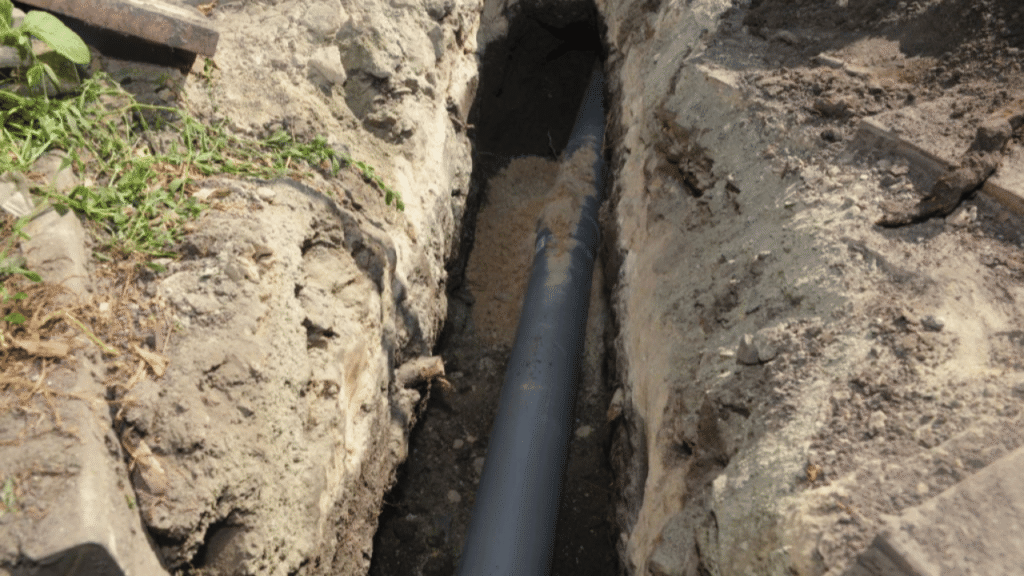
In a sewer line, the word “fall” means the downward slope of the pipe as it runs away from your home. It is the small drop in height that allows wastewater to move on its own. Sewer lines do not use pumps. They rely on gravity to do the work.
The fall is measured over distance. For example, a pipe may drop a certain amount for every foot it runs. This steady drop keeps water and waste moving together. When the fall is set correctly, everything flows the way it should.
If the fall is too flat, waste moves slowly and starts to sit inside the pipe. This can cause buildup and clogs. If the fall is too steep, water moves too fast and leaves solids behind. That can also lead to blockages.
This is why understanding how much fall should a sewer line have matters. The right fall keeps your sewer system working smoothly and helps prevent long-term plumbing problems.
How Much Fall Should a Sewer Line Have? (Quick Answer)
A sewer line needs a steady downward slope so waste can flow out of your home without issues. In most homes, the standard fall is set based on the size of the pipe. This slope allows water and solids to move together and keeps the line clear over time.
Standard Sewer Line Slope Requirements
For most small residential drain lines, plumbers use a fall of ¼ inch per foot. This gives wastewater enough speed to carry solids without rushing past them.
For 4-inch sewer pipes and larger, the fall is usually ⅛ inch per foot. These pipes handle more volume, so they do not need as steep of a drop to work properly.
These slope ranges are widely accepted and follow common plumbing code standards used across many regions.
Sewer Line Fall by Pipe Size
Smaller pipes need a steeper fall because they move less water at one time. The extra slope helps prevent waste from sticking to the pipe walls. Larger pipes move more water, which naturally helps push solids along, even with a gentler slope.
Common Sewer Line Slope Mistakes Found in Homes
Sewer line problems often start with small slope mistakes made during installation or past repairs. These issues may not show up right away, but they can slowly cause drainage trouble over time.
Here are the three most common mistakes:
Sewer Line Installed Too Flat
When a sewer line does not have enough fall, waste moves too slowly. Water may drain, but solids stay behind. This leads to buildup inside the pipe. Over time, clogs become more frequent and backups can happen without warning.
Sewer Line Installed Too Steep
A slope that is too steep causes water to move too fast. The water runs ahead, while solid waste settles in the pipe. This mistake is common and often overlooked. It creates blockages even though the line looks like it drains quickly at first.
Uneven or Sagging Sewer Lines
Some sewer lines dip in certain areas instead of falling evenly. These low spots are often called bellies. Waste and water collect in these sections and sit there. This causes slow drains, bad smells, and repeat clogs.
Sewer Line Fall Requirements According to Plumbing Code
Plumbing codes exist to make sure sewer lines work safely and reliably over the long term. These rules are based on real-world testing and years of field experience. Following code-approved slope guidelines helps reduce clogs, backups, and early pipe failure.
International Plumbing Code (IPC) Guidelines
The International Plumbing Code sets clear standards for sewer line slope. For most residential sewer pipes, the IPC allows a fall of ¼ inch per foot for smaller pipes and ⅛ inch per foot for pipes that are 4 inches or larger. These numbers are designed to keep water and solids moving together at the right speed.
While the IPC is widely used across the U.S., it is not the only authority. States, counties, and cities can adopt their own versions of the code. Some areas may adjust slope rules based on local conditions or past issues.
Why Local Codes and Soil Conditions Matter?
Local codes matter because not all grounds are the same. Soil type, ground movement, and terrain can affect how a sewer line performs over time. Areas with shifting soil or uneven land may require extra planning to maintain proper fall.
How Professionals Check Sewer Line Fall
Plumbers do not guess when it comes to sewer line fall. They use the right tools and methods to see how the pipe is laid and how waste moves through it. This helps them spot problems early and avoid unnecessary repairs.
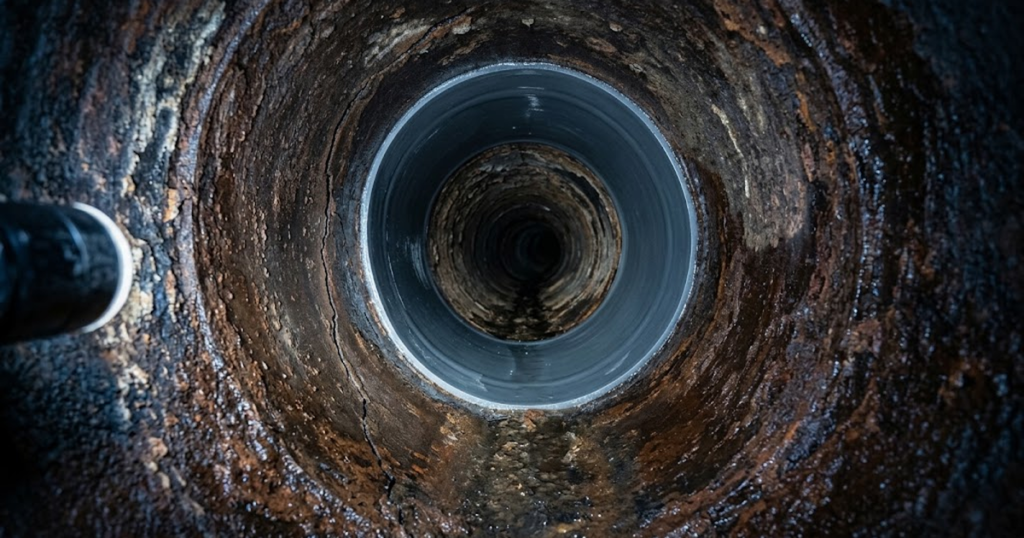
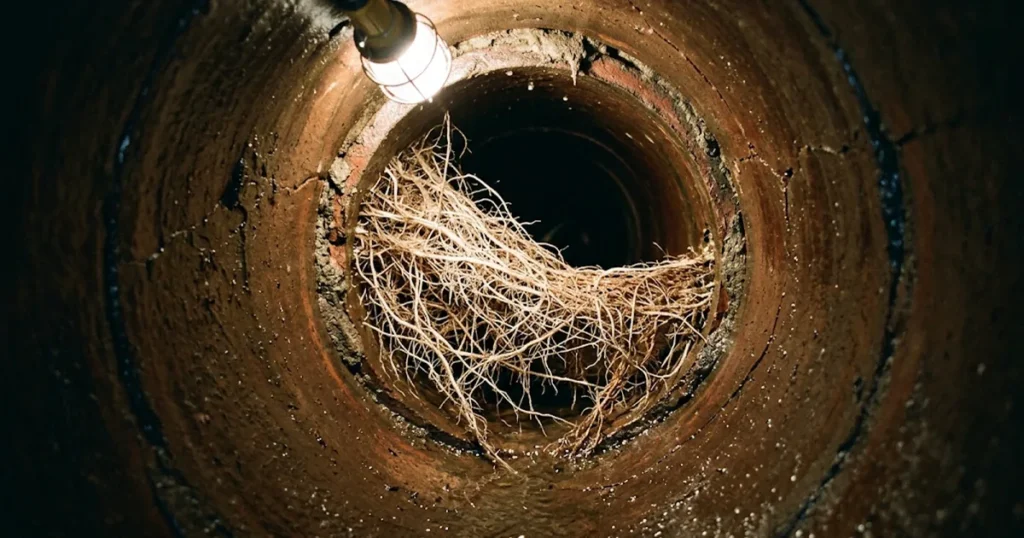
One common method is a sewer camera inspection. A small camera is sent through the line to show the inside of the pipe. This allows professionals to see low spots, uneven sections, and areas where waste is collected. These signs often point to poor fall or sagging in the line. If the camera finds a belly, pipe lining alone will not fix the sag.
Professionals also check the grade of the pipe from access points or cleanouts. They measure how much the pipe drops over distance to confirm it meets accepted slope standards. In some cases, they compare these measurements with local code requirements.
Sewer Line Fall and Home Protection
Proper sewer line fall plays a big role in protecting your home. When the slope is right, waste flows out smoothly, pipes stay clear, and the risk of backups stays low. When the fall is wrong, small issues can turn into costly damage over time. That is why understanding how much a sewer line has helped homeowners make smarter decisions about their plumbing.
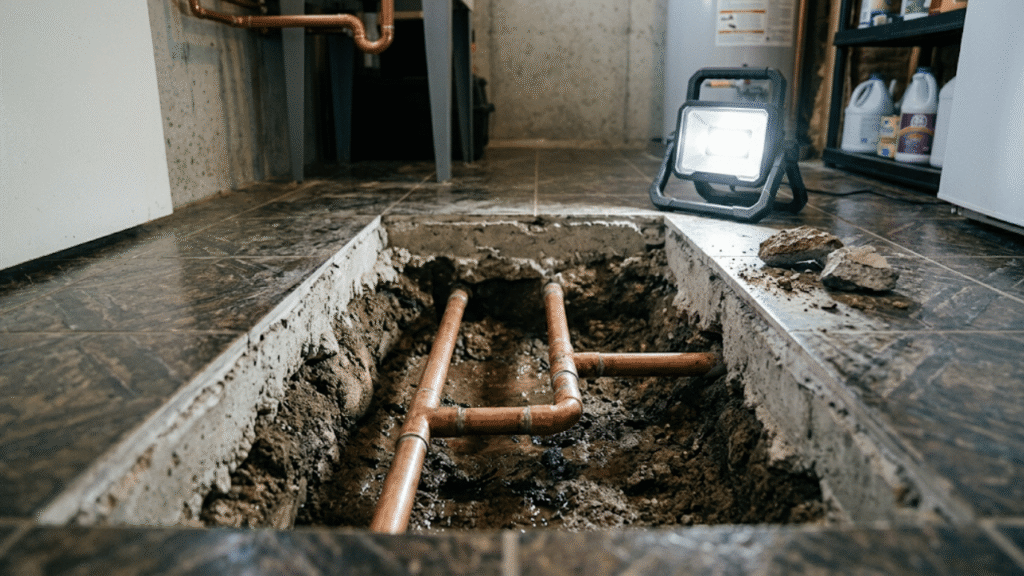
At Nuflow DFW, we help homeowners find and fix sewer line problems the right way. We start with detailed sewer camera inspections to check slope, low spots, and pipe condition. We explain what we see in simple terms, so you know exactly what is going on. If repairs are needed, we focus on long-term solutions, including trenchless options when possible. This means less digging, less mess, and less disruption to your property.</p>